Escrow Agreements In Business Acquisitions In Houston
Description
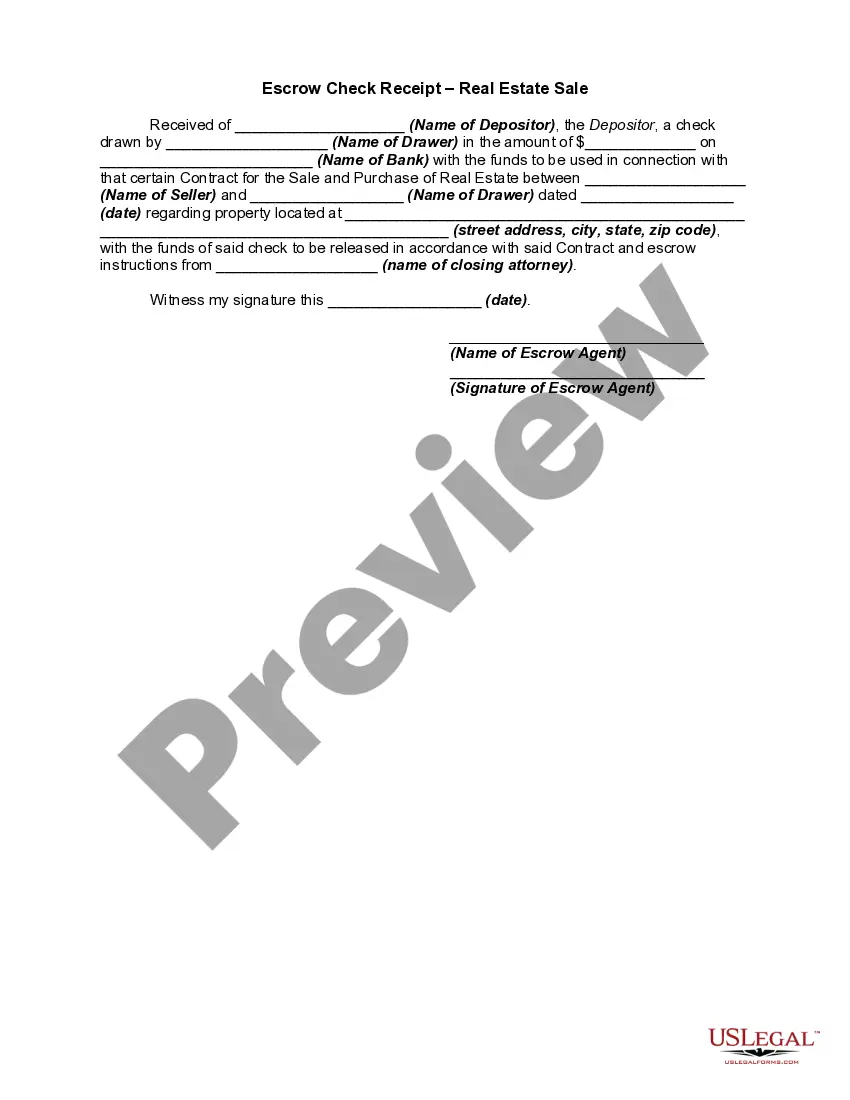
Get your form ready online
Our built-in tools help you complete, sign, share, and store your documents in one place.
Make edits, fill in missing information, and update formatting in US Legal Forms—just like you would in MS Word.
Download a copy, print it, send it by email, or mail it via USPS—whatever works best for your next step.
Sign and collect signatures with our SignNow integration. Send to multiple recipients, set reminders, and more. Go Premium to unlock E-Sign.
If this form requires notarization, complete it online through a secure video call—no need to meet a notary in person or wait for an appointment.
We protect your documents and personal data by following strict security and privacy standards.

Make edits, fill in missing information, and update formatting in US Legal Forms—just like you would in MS Word.

Download a copy, print it, send it by email, or mail it via USPS—whatever works best for your next step.

Sign and collect signatures with our SignNow integration. Send to multiple recipients, set reminders, and more. Go Premium to unlock E-Sign.

If this form requires notarization, complete it online through a secure video call—no need to meet a notary in person or wait for an appointment.

We protect your documents and personal data by following strict security and privacy standards.
Looking for another form?


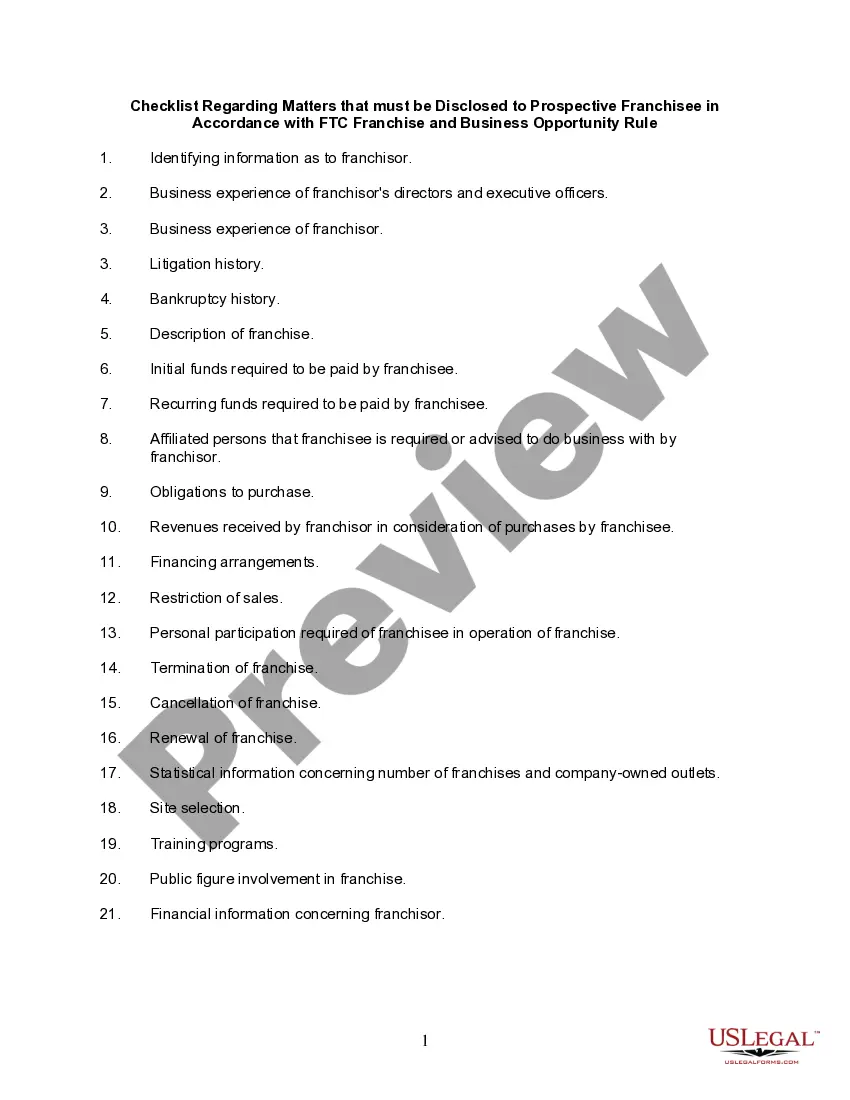
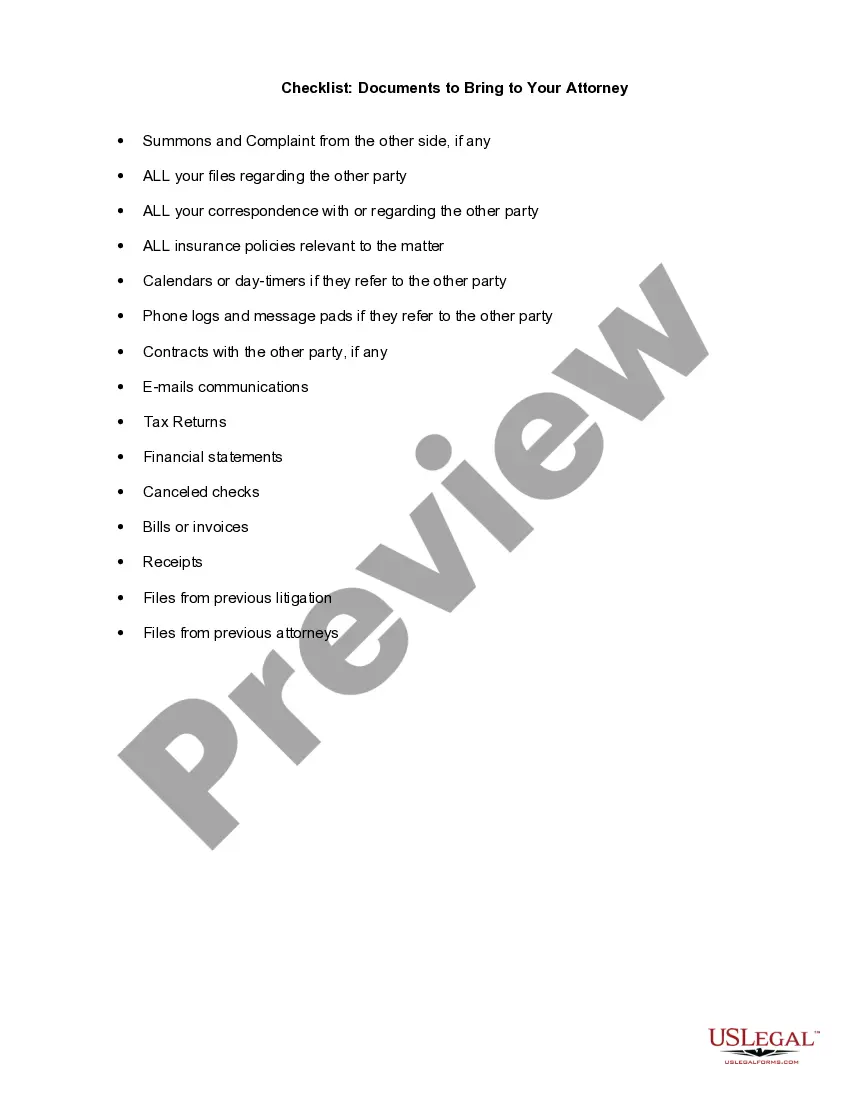

Form popularity
FAQ
In California, escrow refers to the process where a neutral third party holds onto the funds and legal documents required for a specific transaction until all the terms of the agreement have been met. This is to protect both parties from fraud and to ensure that the transfer of funds and assets goes smoothly.
In simple terms, the amount deposited by the buyer in the escrow account (“escrow amount”) is held in escrow by a third party (“escrow agent”) for an agreed-upon period of time.
How is an escrow used in M&A? Escrow is primarily a risk mitigation tool and is used to ensure that funds are available without having to obtain the funds directly from the other party.
The Escrow Holder: prepares escrow instructions. requests a preliminary title search to determine the present condition of title to the property. requests a beneficiary's statement if debt or obligation is to be taken over by the buyer. complies with lender's requirements, specified in the escrow agreement.
Escrow provides protection for the buyer company in the event there are breaches of contract by the target company. Escrows are standard in mergers and acquisitions, but their terms can vary significantly.
Cons of escrow High upfront costs: Many escrow accounts require a minimum balance to cover unexpected expenses. You may have to keep an extra two or three months' worth of property taxes and insurance premiums as a cushion, or "escrow reserve."

