Escrow Agreement For Source Code In San Antonio
Description
Get your form ready online
Our built-in tools help you complete, sign, share, and store your documents in one place.
Make edits, fill in missing information, and update formatting in US Legal Forms—just like you would in MS Word.
Download a copy, print it, send it by email, or mail it via USPS—whatever works best for your next step.
Sign and collect signatures with our SignNow integration. Send to multiple recipients, set reminders, and more. Go Premium to unlock E-Sign.
If this form requires notarization, complete it online through a secure video call—no need to meet a notary in person or wait for an appointment.
We protect your documents and personal data by following strict security and privacy standards.
Make edits, fill in missing information, and update formatting in US Legal Forms—just like you would in MS Word.
Download a copy, print it, send it by email, or mail it via USPS—whatever works best for your next step.
Sign and collect signatures with our SignNow integration. Send to multiple recipients, set reminders, and more. Go Premium to unlock E-Sign.
If this form requires notarization, complete it online through a secure video call—no need to meet a notary in person or wait for an appointment.
We protect your documents and personal data by following strict security and privacy standards.
Looking for another form?

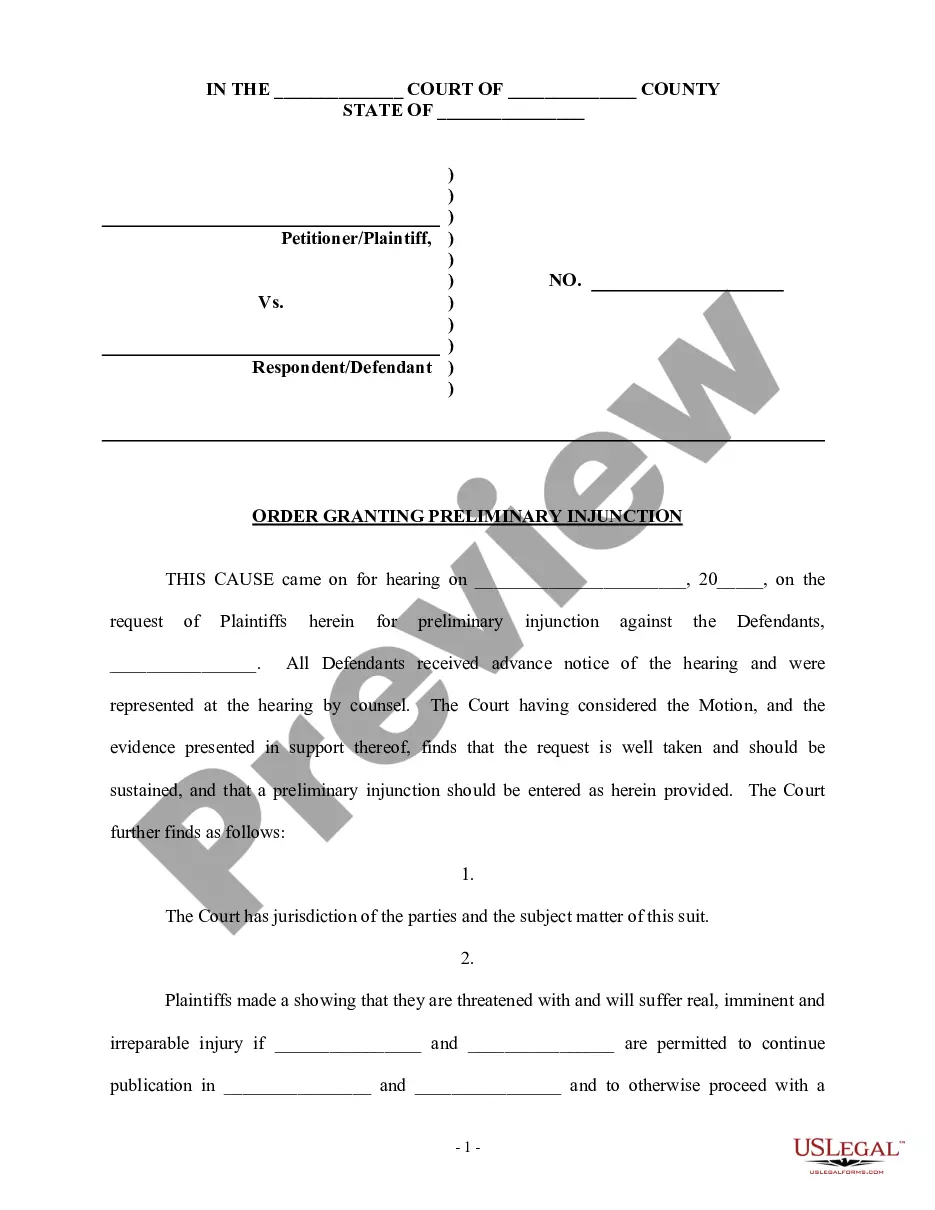



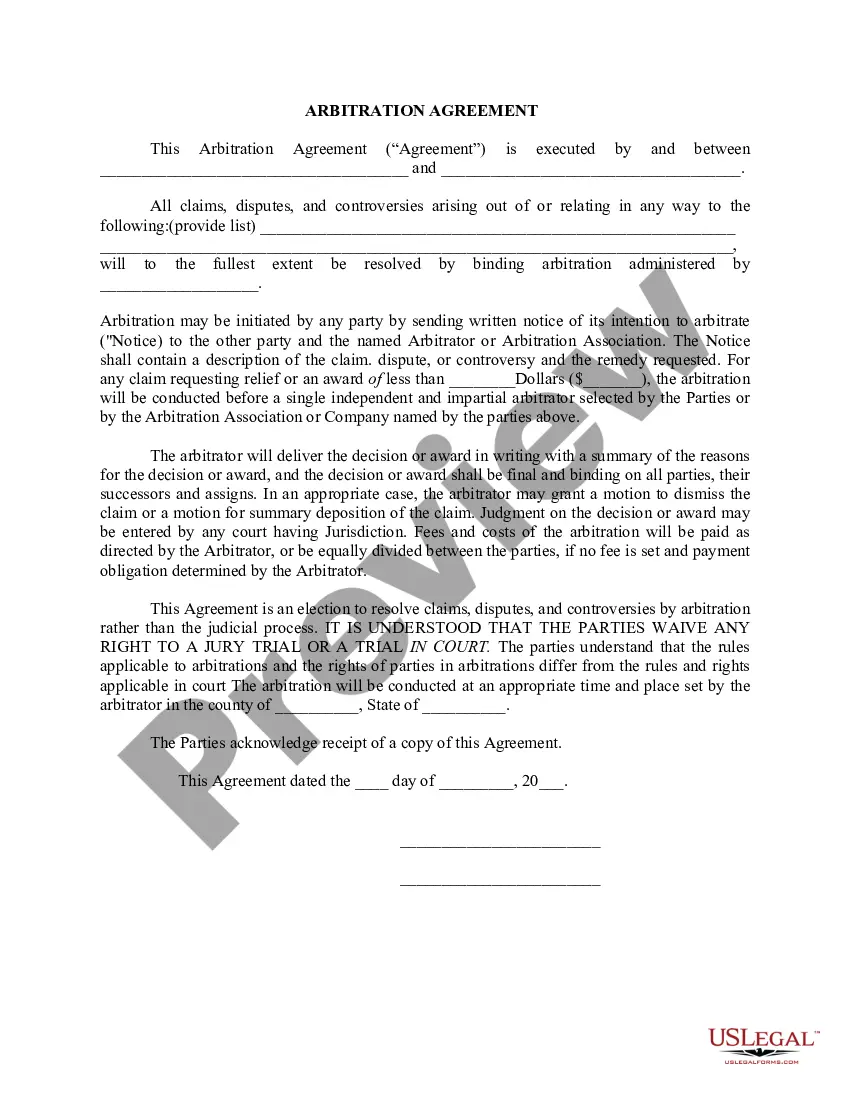
Form popularity
FAQ
The objective of a source code escrow agreement is to provide comfort to the beneficiary that if the software developer is unable or unwilling to support the software, the source code and other critical components such as databases, deployment scripts, and documentation can be released to them.
A source code escrow agreement typically instructs the agent to release the source code to the licensee if and when a specified event occurs, such as the licensor becoming insolvent or defaulting on its maintenance obligations under the principal license agreement.
Source Code Escrow involves depositing the source code of software with a third-party escrow agent. This arrangement is typically requested by the party licensing the software (the licensee / beneficiary) to ensure that if something happened to the licensor / depositor, the software will be maintained.
By entering into an escrow agreement, the potential for risk or dispute is reduced in that the escrow agent takes up a neutral and independent position that simultaneously ensures that the software vendor's copyright and intangible assets are respected, whilst at the same time providing the licensee with the protection ...
Software in Escrow: A Comprehensive Overview The escrow agreement ensures that the licensee can maintain, update, or troubleshoot the software in case the vendor is unable to fulfill these responsibilities due to bankruptcy, discontinuation of the software, or other reasons.
Source code escrow is the deposit of the source code of software with a third-party escrow agent. Escrow is typically requested by a party licensing software (the licensee), to ensure maintenance of the software instead of abandonment or orphaning.
The escrow agreement will provide the conditions under which you will receive a copy of the source code. The most common release conditions are (1) the software vendor ceases business or goes bankrupt and (2) the software vendor ceases to provide support and maintenance services.
A source code escrow agreement typically instructs the agent to release the source code to the licensee if and when a specified event occurs, such as the licensor becoming insolvent or defaulting on its maintenance obligations under the principal license agreement.
An escrow agreement is a contract that outlines the terms and conditions between parties involved, and the responsibility of each. Escrow agreements generally involve an independent third party, called an escrow agent, who holds an asset of value until the specified conditions of the contract are met.

