Escrow Agreements In Business Acquisitions In Suffolk
Description



Form popularity
FAQ
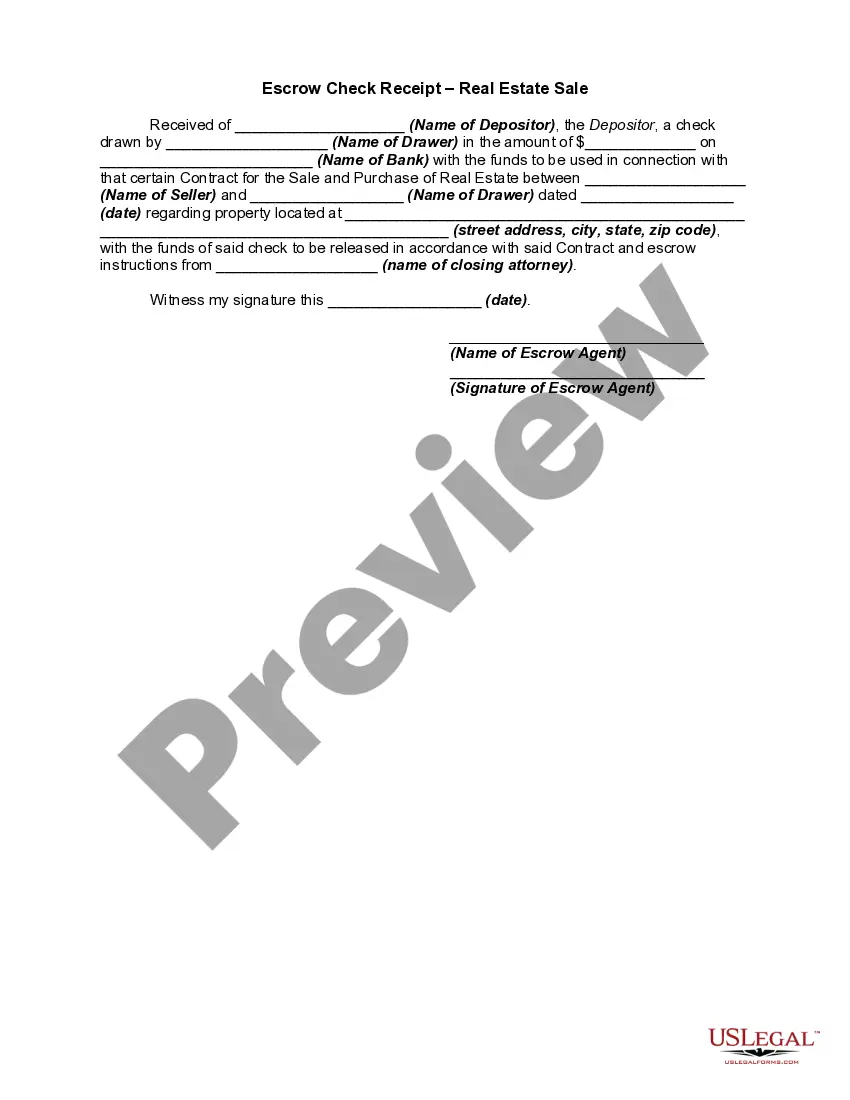
Escrow provides protection for the buyer company in the event there are breaches of contract by the target company. Escrows are standard in mergers and acquisitions, but their terms can vary significantly.
The Escrow Holder: prepares escrow instructions. requests a preliminary title search to determine the present condition of title to the property. requests a beneficiary's statement if debt or obligation is to be taken over by the buyer. complies with lender's requirements, specified in the escrow agreement.
In California, escrow refers to the process where a neutral third party holds onto the funds and legal documents required for a specific transaction until all the terms of the agreement have been met. This is to protect both parties from fraud and to ensure that the transfer of funds and assets goes smoothly.
Most escrow agreements are put into place when one party wants to make sure the other party meets certain conditions or obligations before it moves forward with a deal.
In an escrow agreement, one party—usually a depositor—deposits funds or an asset with the escrow agent until the time that the contract is fulfilled. Once the contractual conditions are met, the escrow agent will deliver the funds or other assets to the beneficiary.

