Eidl Loan Assumption With Seller Financing In Franklin
Description




Form popularity
FAQ
Conventional loans backed by Fannie Mae and Freddie Mac are generally not assumable, though exceptions may be allowed for adjustable-rate mortgages.
Approximately 90% of small business sales in Australia involve some form of seller financing. Seller financing can be a good strategy for owners seeking to sell their business as it may open the door to more potential buyers.
How Does Seller Financing Work? A bank isn't involved in a seller-financed sale; the buyer and seller make the arrangements themselves. They draw up a promissory note setting out the interest rate, the schedule of payments from buyer to seller, and the consequences should the buyer default on those obligations.
As of January 2025, there are no plans to forgive outstanding SBA EIDL loans.
Though far less common than fixed-rate loans, conventional adjustable-rate mortgages (ARMs) are usually assumable. They can't, however, be assumed in their initial fixed-rate period or after being permanently converted into a fixed-rate mortgage. Plus, assumed ARMs aren't eligible to be converted to a fixed rate.
As of January 2025, there are no plans to forgive outstanding SBA EIDL loans.
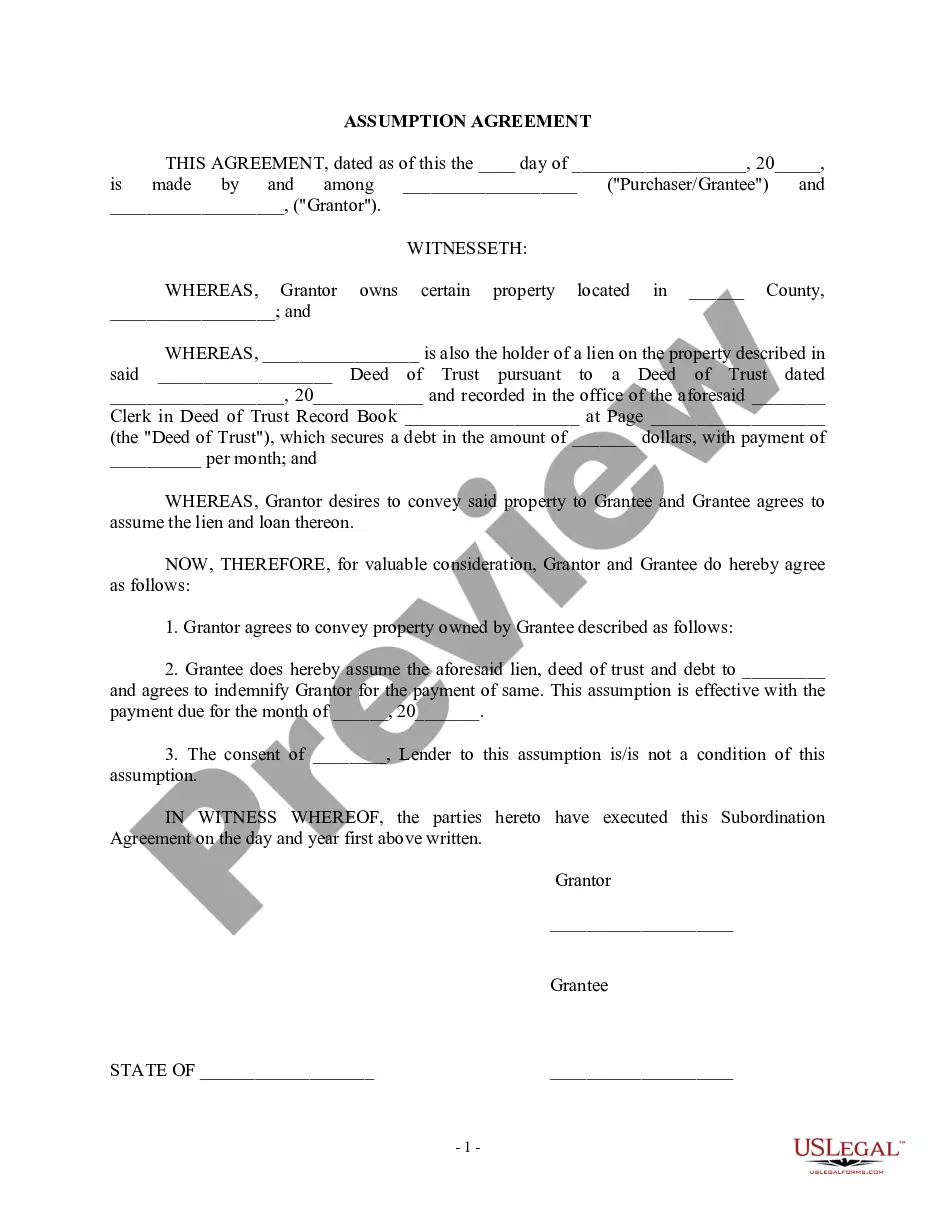
A debt assumption involves two simultaneous transactions; the first transaction cancels the original debtor's obligation, and the second transaction creates a new debt contract between the creditor and the new debtor, or assumer.
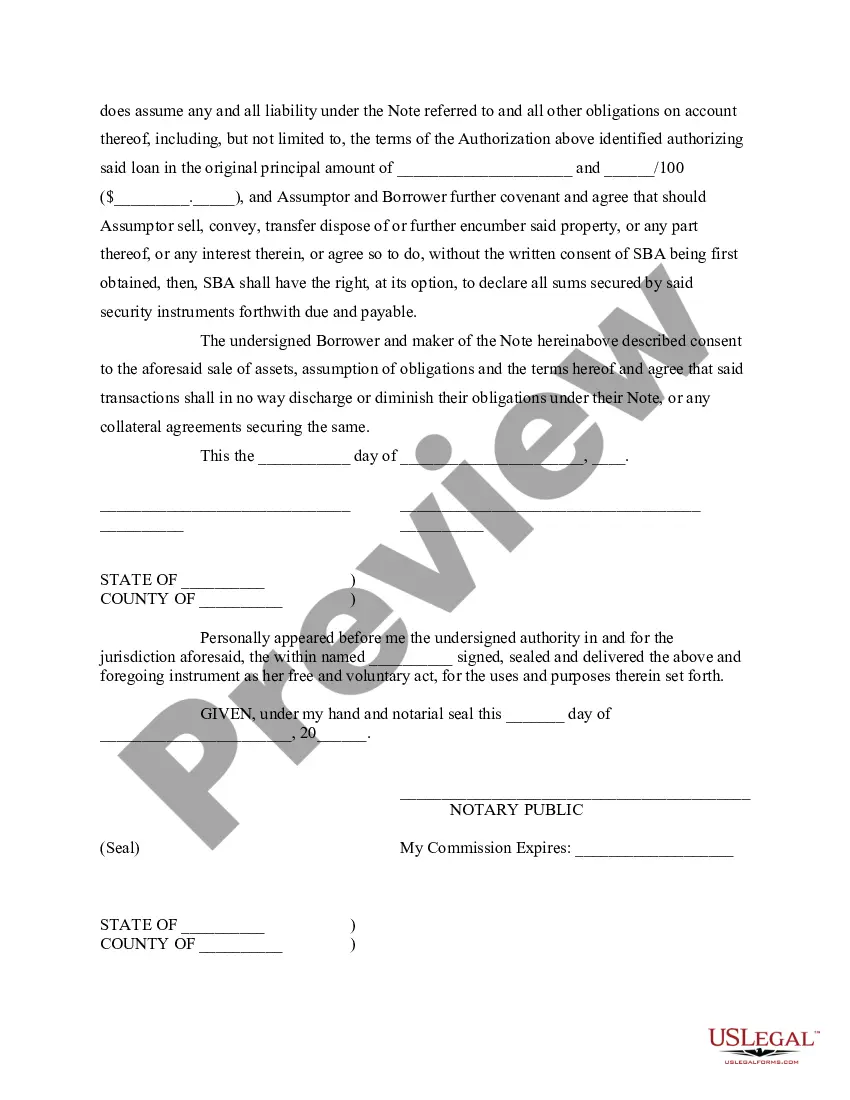
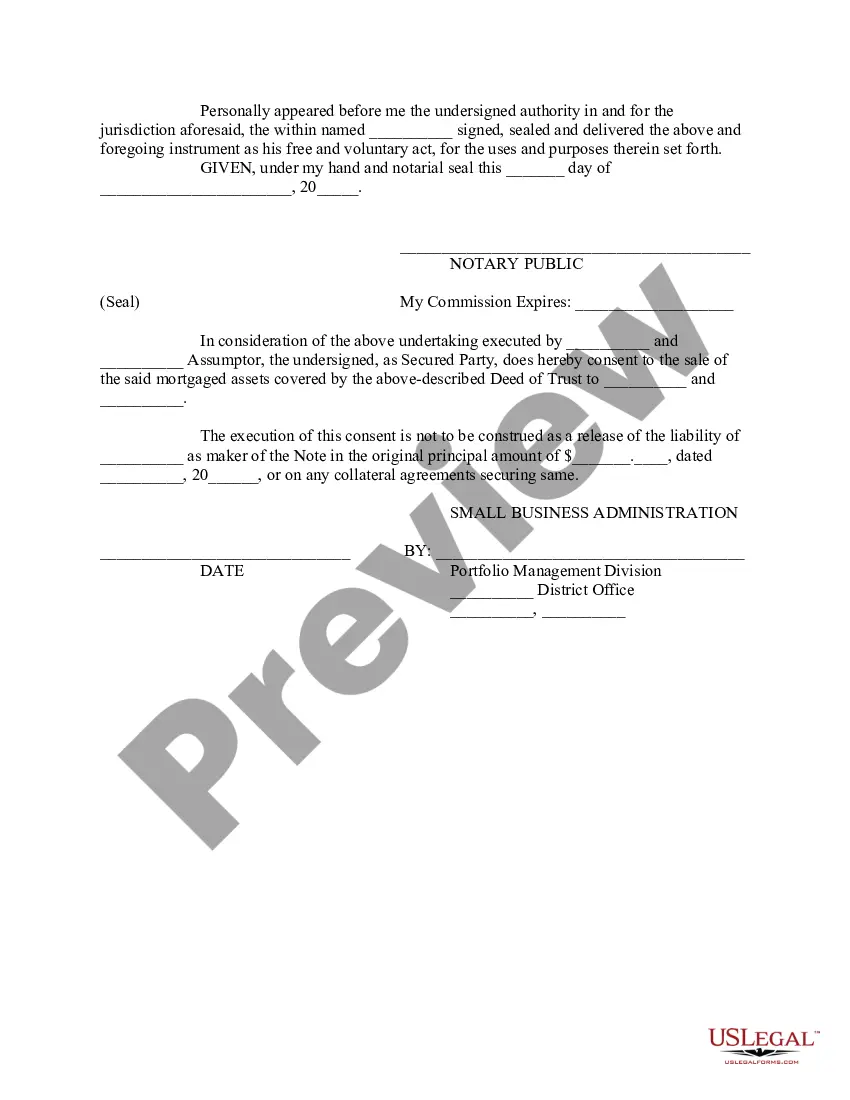
The purpose of an assumption agreement is to ensure the seller is freed from their obligations, while the buyer agrees to take on these obligations. Legally, the seller could still be held liable if they don't have a proper assumption agreement in place that absolves them of those responsibilities.
