Sba Loan Agreement With Guarantor In Sacramento
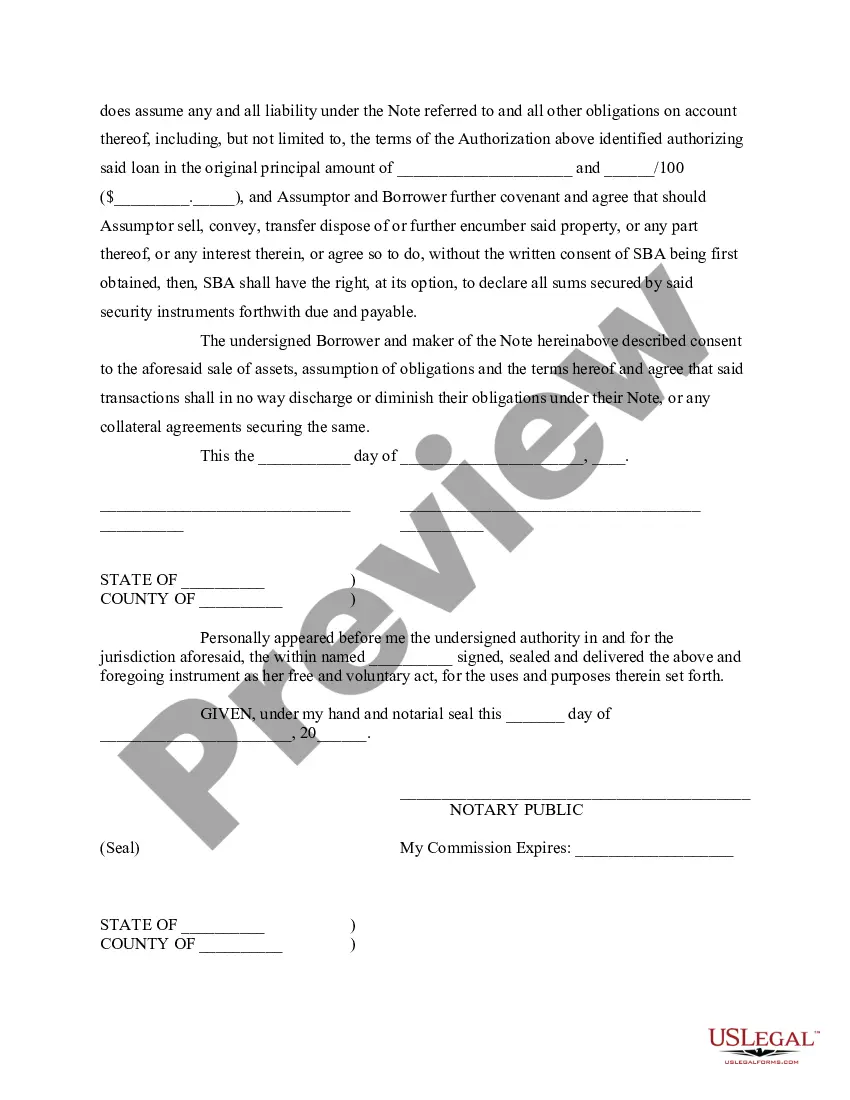
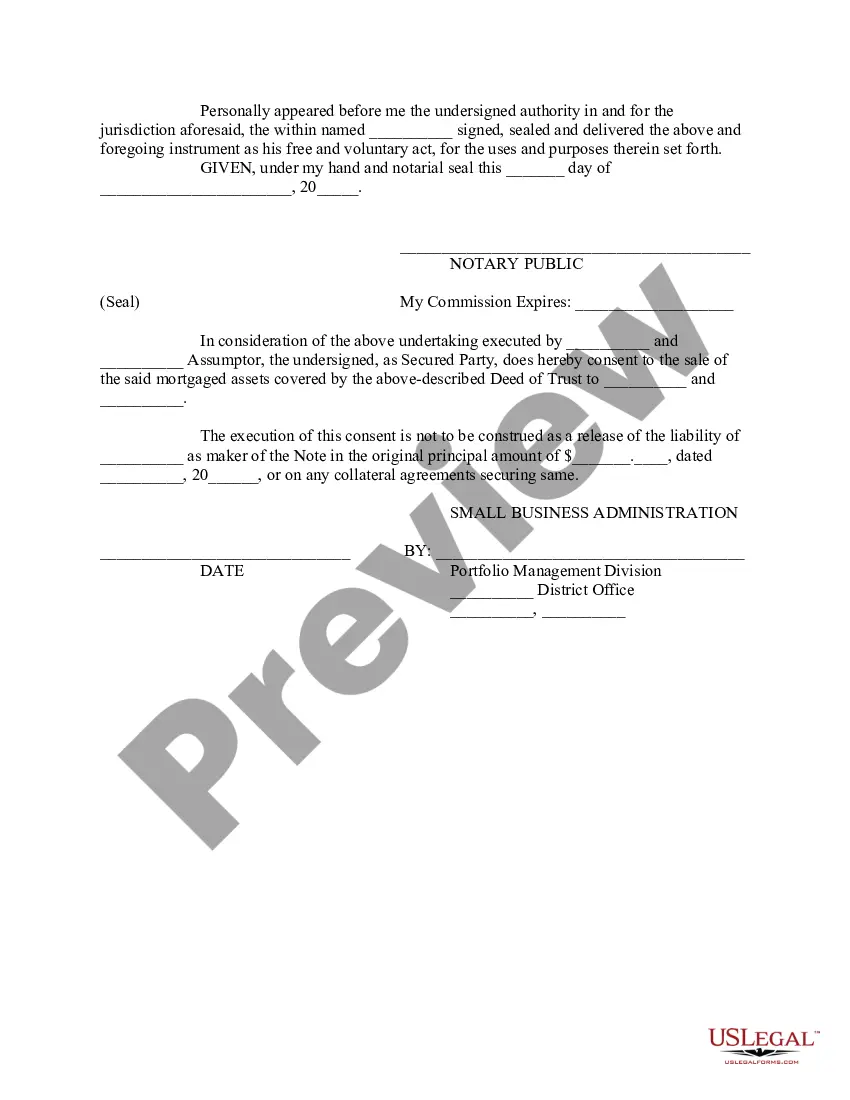
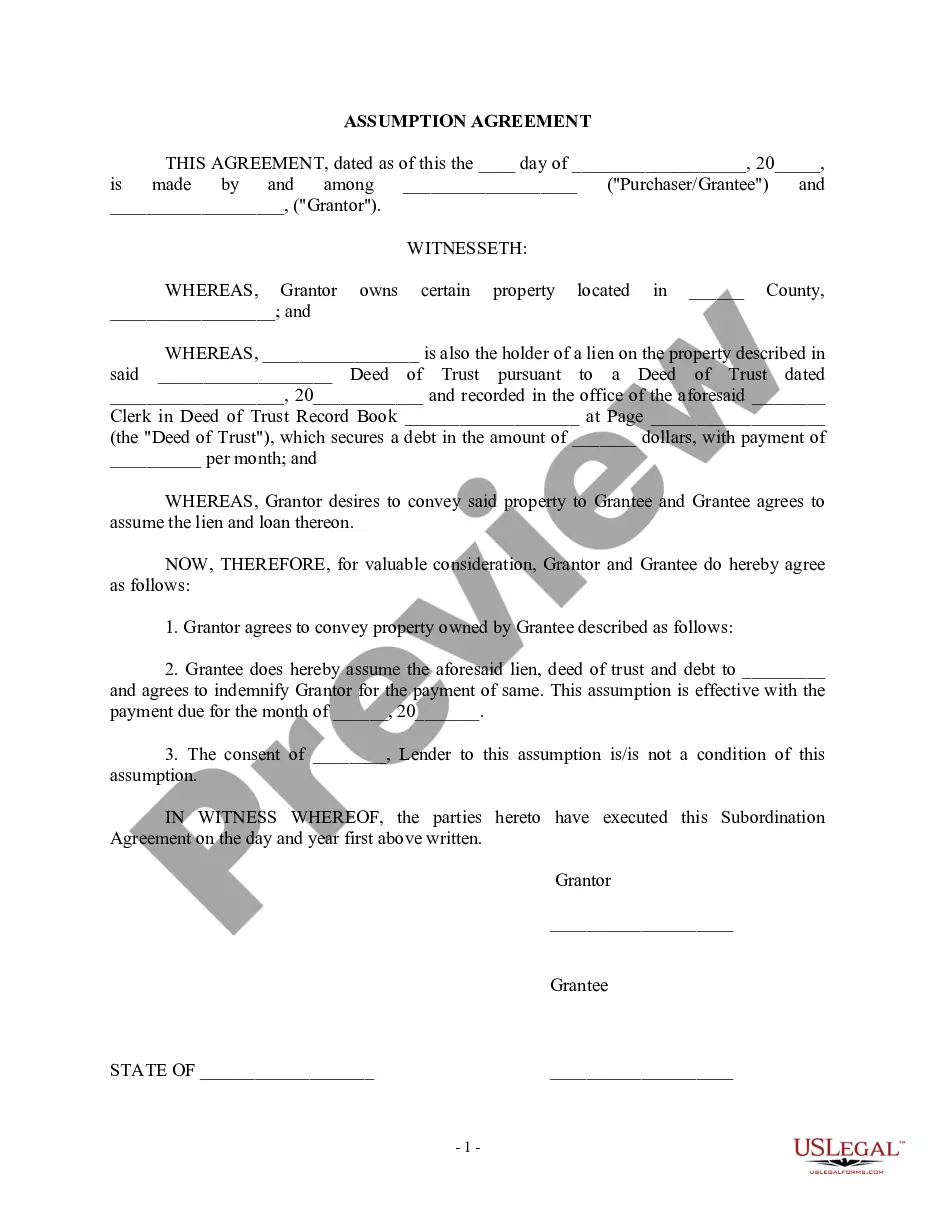
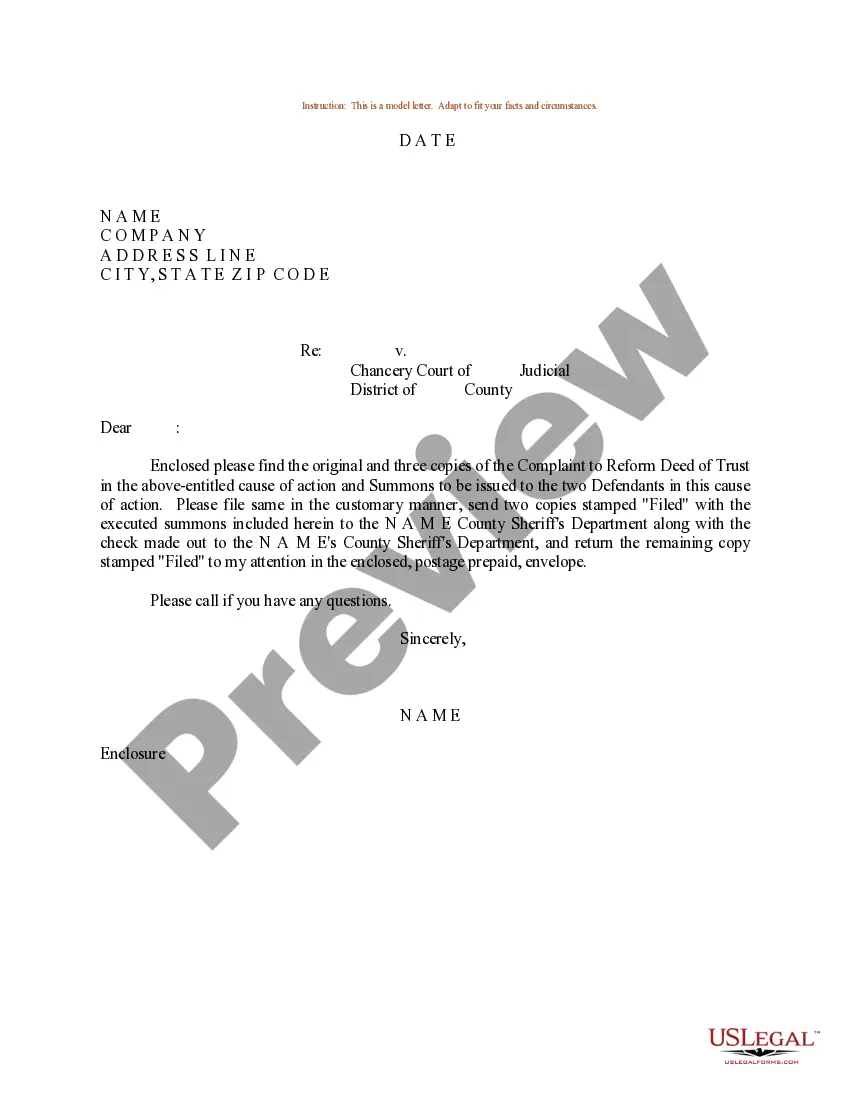
Description





Form popularity
FAQ
All loans insured by the SBA require a personal guarantee from every owner with a 20 percent or greater equity stake in the business.
Benefits of SBA-guaranteed loans Unique benefits: Lower down payments, flexible overhead requirements, and no collateral needed for some loans.
SBA's mission is to "aid, counsel, assist and protect, insofar as is possible, the interests of small business concerns." It also is charged with ensuring that small businesses earn a "fair proportion" of government contracts and sales of surplus property.
The Stand-by Arrangement (SBA) provides short-term financial assistance to countries facing balance of payments problems. Historically, it has been the IMF lending instrument most used by advanced and emerging market countries.
Your personal guarantee may be unenforceable due to circumstances outside of your contract. This may include being misled by the creditor, if a key fact was omitted from the contract, co-guarantor issues, suspicions of fraud, or if the facility provided by the bank changed significantly since you signed the guarantee.
Individuals who own 20% or more of a small business applicant must provide an unlimited personal guaranty. SBA Lenders may use this form.
Pursuant to 13 CFR § 120.160(a), all SBA 7(a) loans must be guaranteed by at least one person or entity. Generally, guarantees are required of any individual or entity who owns 20% or more of a borrower entity.
Individuals who own 20% or more of a small business applicant must provide an unlimited personal guaranty.
It's often a parent or spouse (as long as you have separate bank accounts), but sometimes a friend or relative. However, you should only be a guarantor for someone you trust and are willing and able to cover the repayments for.
In the November 2022 rule, SBA increased these thresholds for inflation. Currently, the net worth of an economically disadvantaged individual must be less than $850,000 (13 CFR 124.104(c)(2)), Income (AGI) (13 CFR 124.104(c)(3)) must be less than $400,000, and Total Assets (13 CFR 124.104(c)(4)) less than $6.5 million.
