E Commerce Agreement For Students In Los Angeles
Description



Form popularity
FAQ
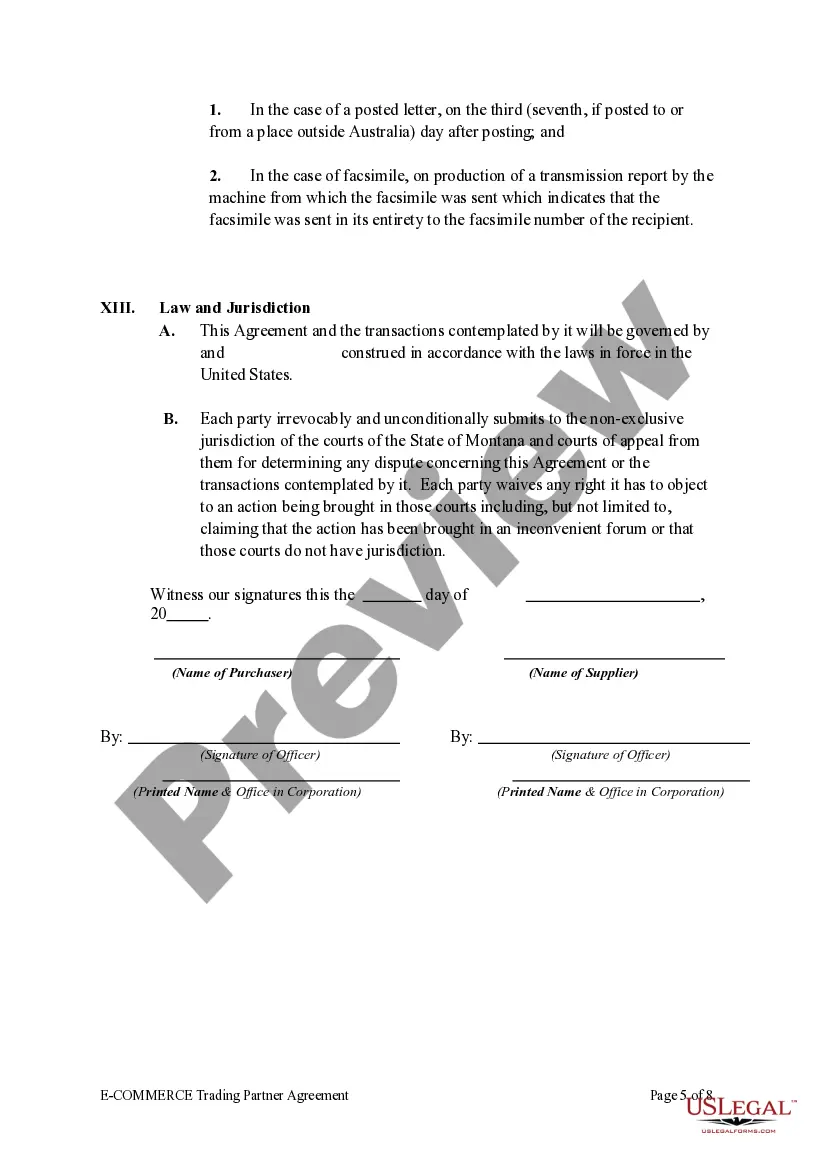
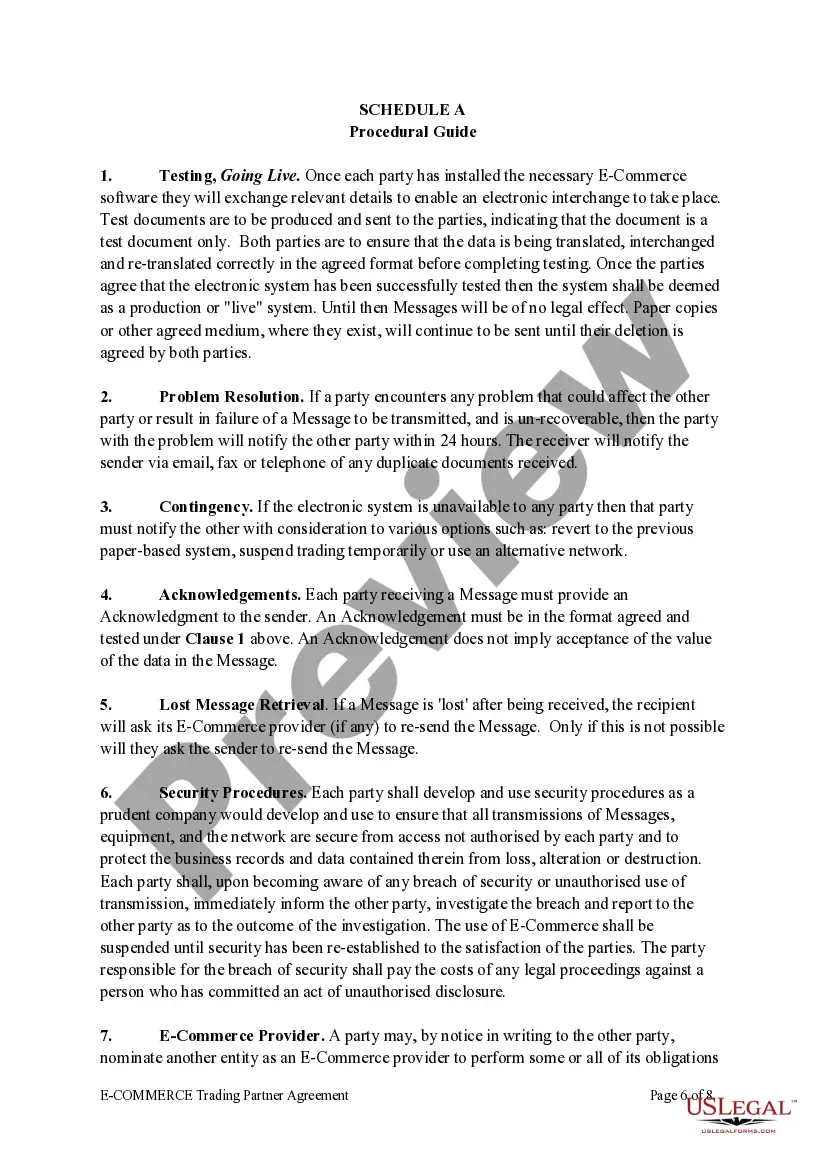
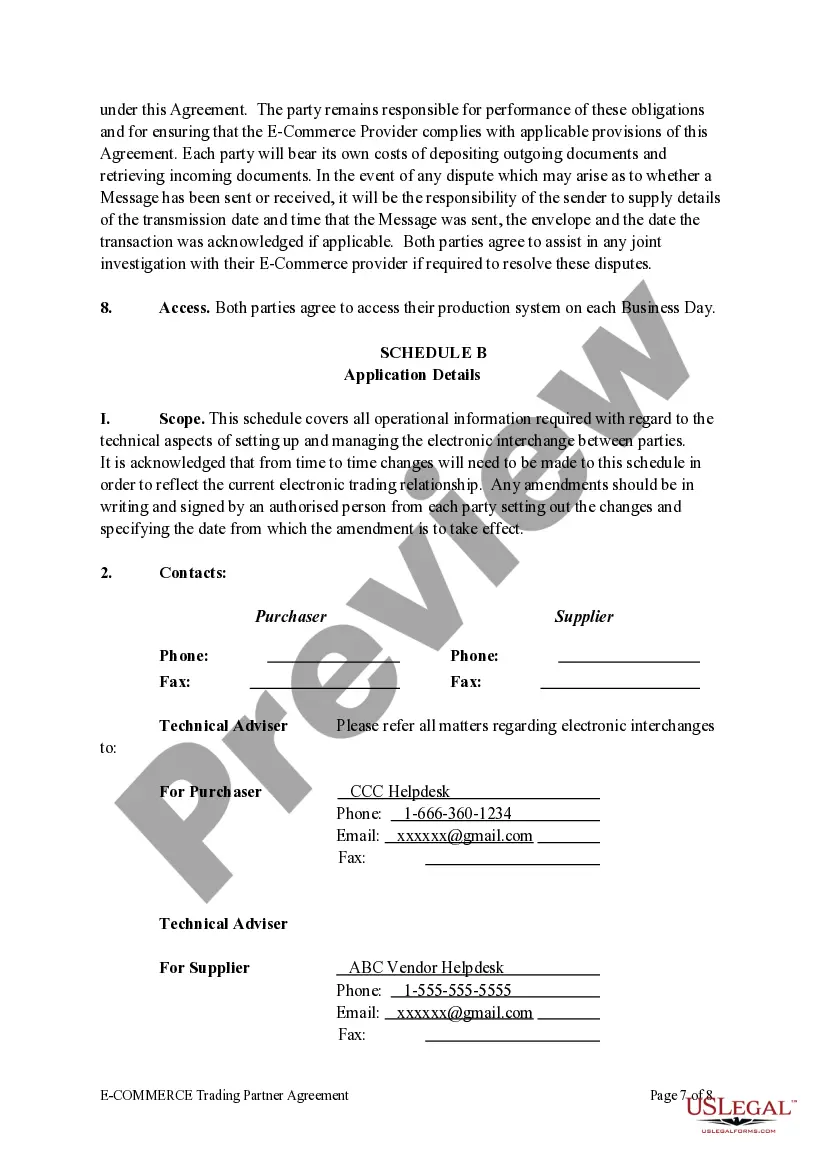
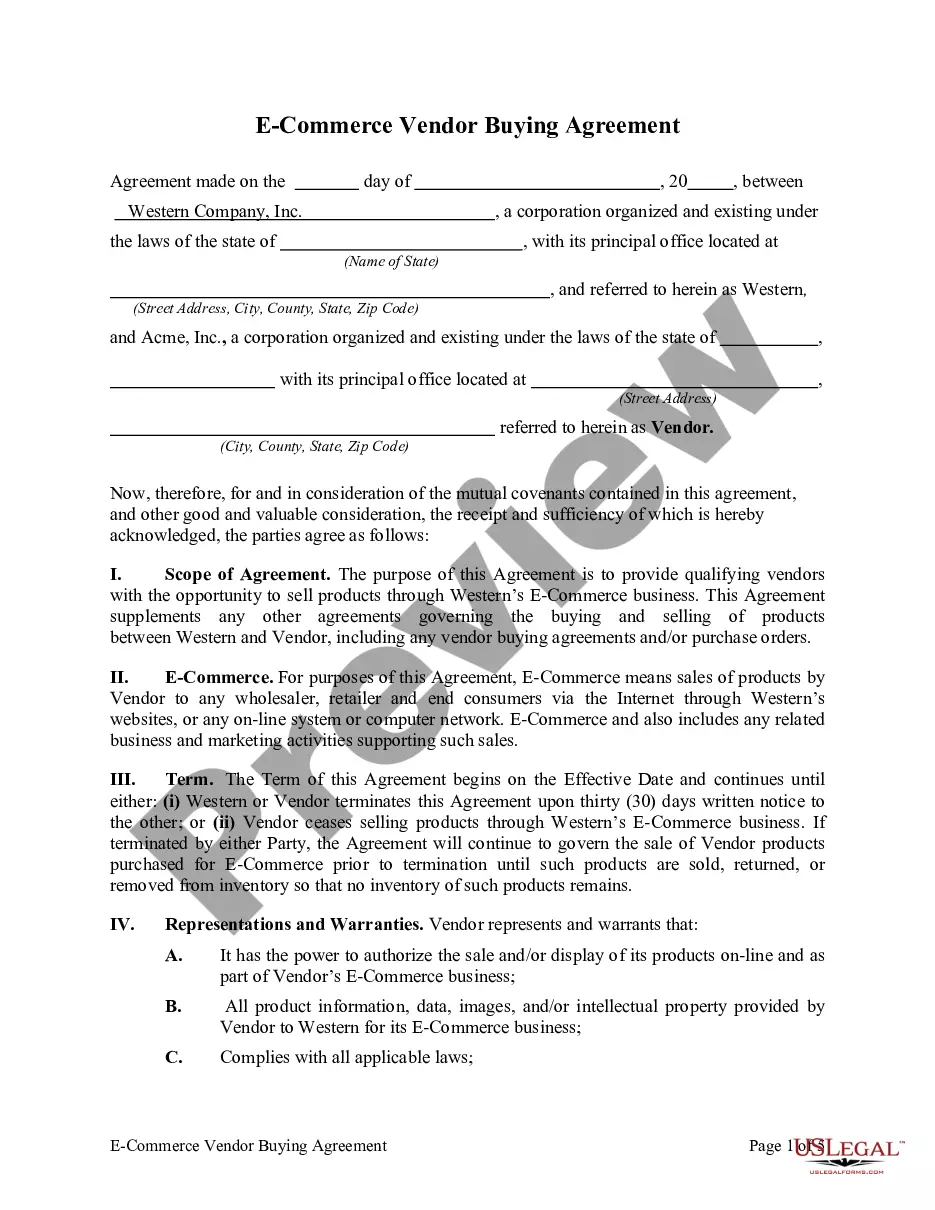
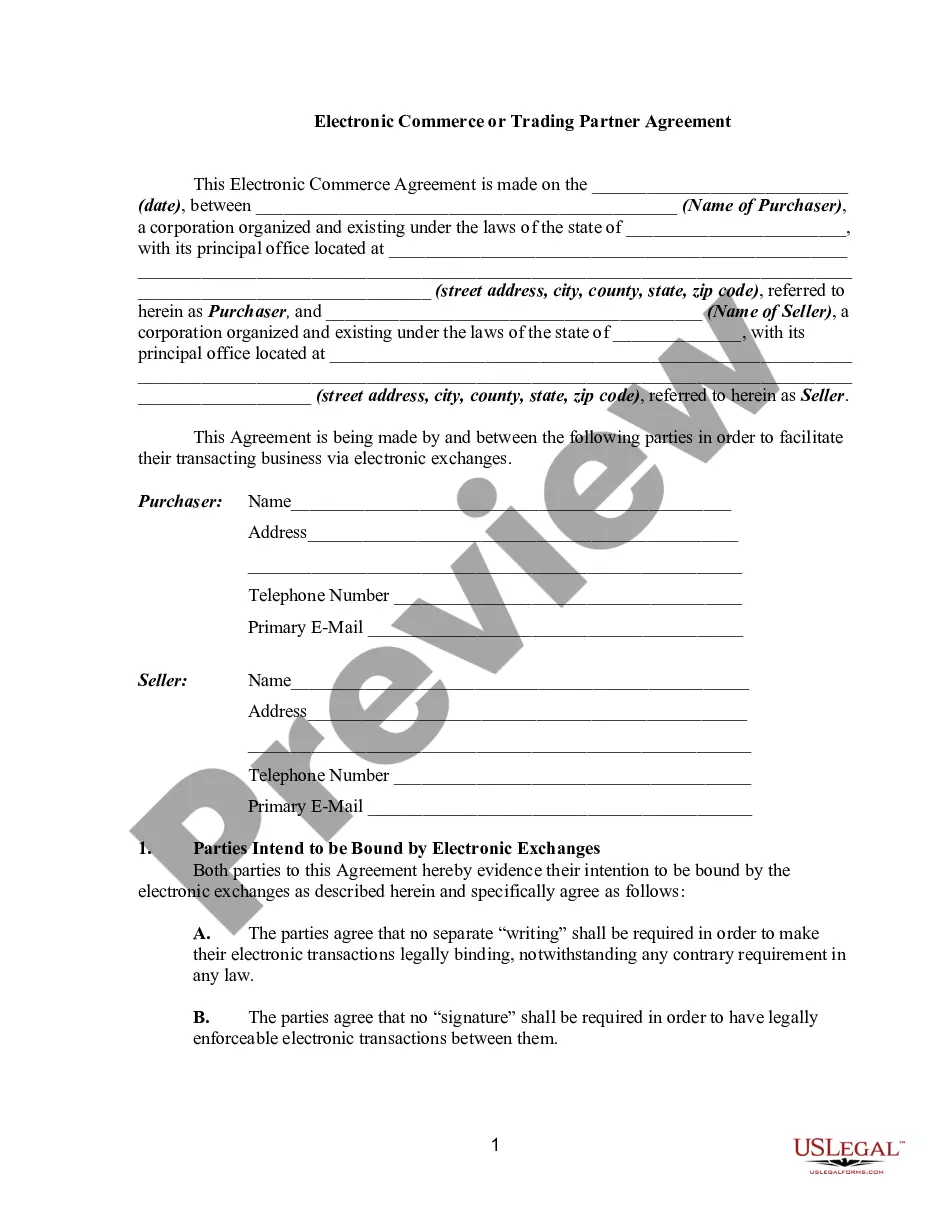
The UETA and E-SIGN Act have now legitimized the ability of parties to form contracts electronically both at the federal and state levels.
The Electronic Signatures in Global and National Commerce Act (E-Sign Act), 1 signed into law on June 30, 2000, provides a general rule of validity for electronic records and signatures for transactions in or affecting interstate or foreign commerce.
The Federal Trade Commission Act (FTCA) prohibits certain unfair or deceptive acts or practices in or affecting commerce. Other state and federal regulations govern the shipment of goods and the issuance of, or notices concerning, refunds.
The ecommerce industry is regulated by digital customer data privacy laws such as CCPA, Data Broker Registrations and GDPR among others. You must comply with the privacy laws applicable to your business in order to avoid potential legal penalties and reputational damages.
Buyers and sellers meet online to engage in e-commerce. For example, using the internet to sell an old phone is an electronic commerce and buying a website online for a start-up company. Another example is buying products from an online retail store or creating a business website.
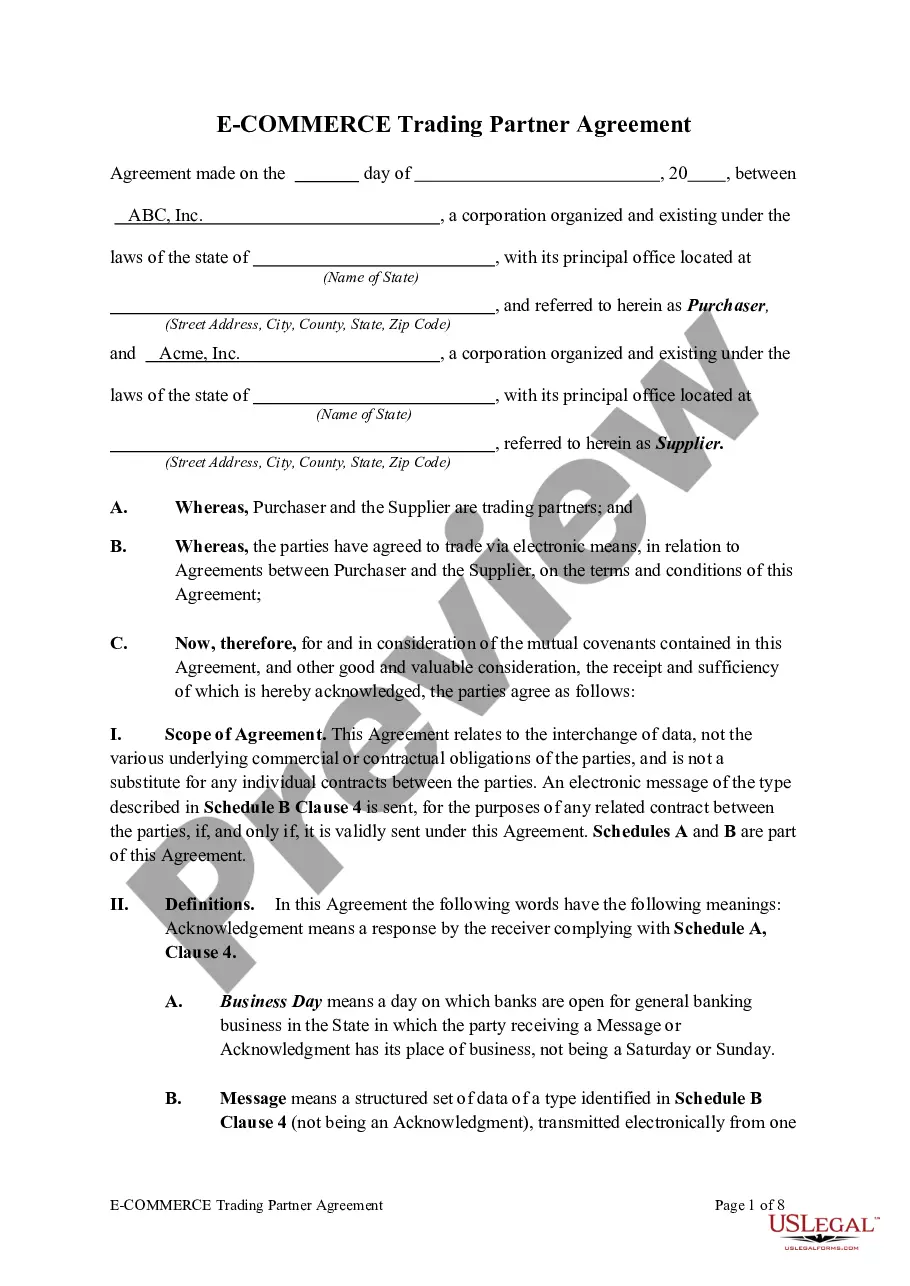
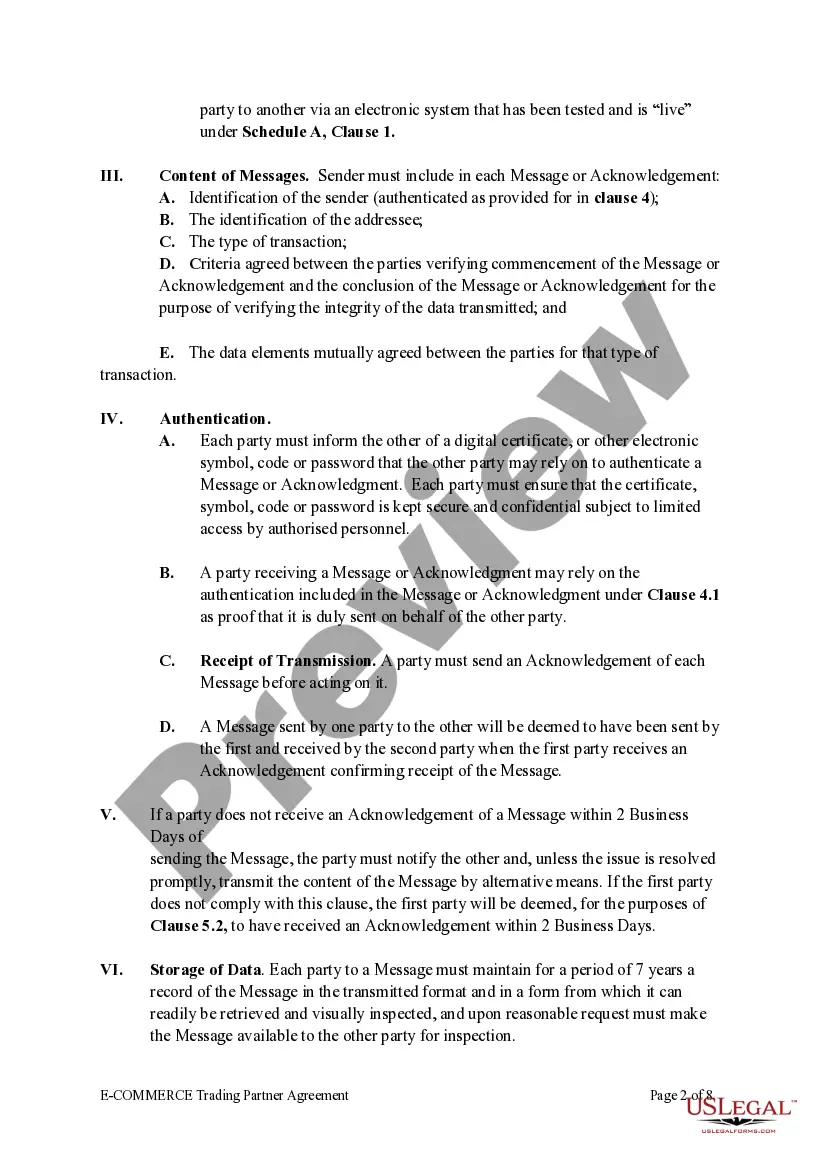
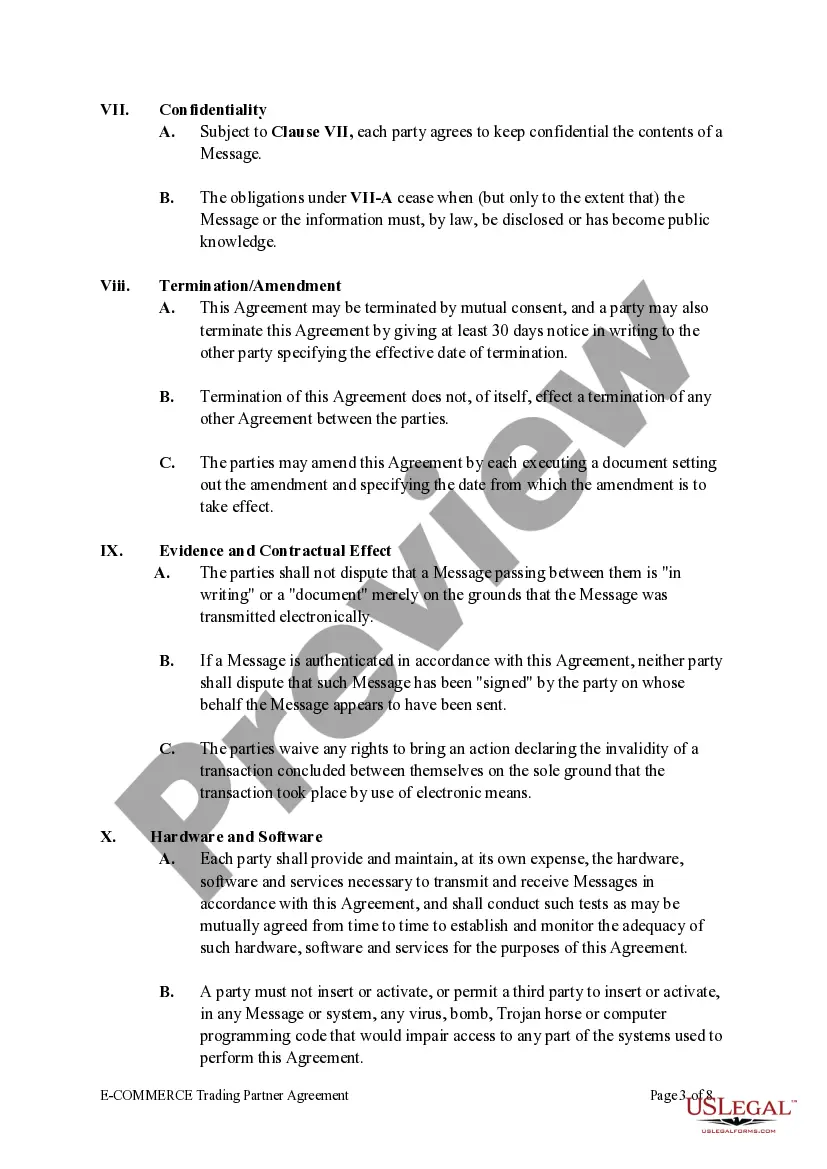
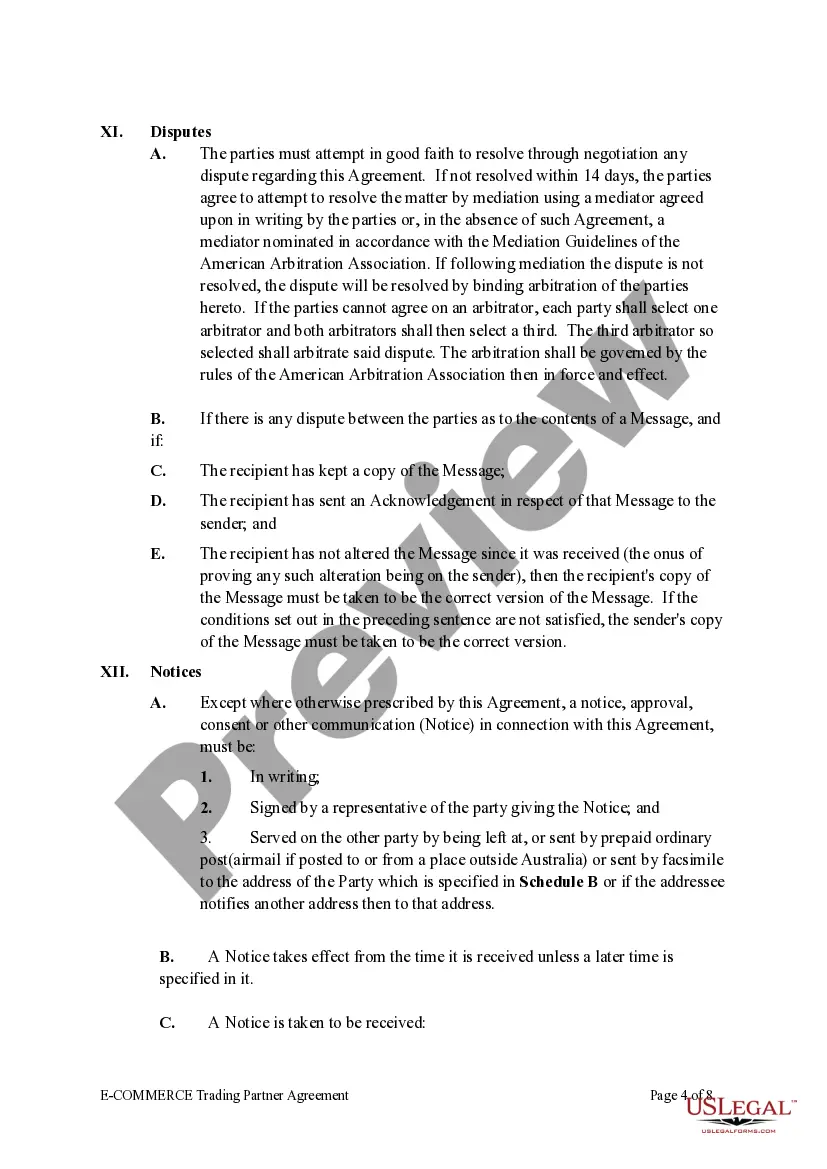
ECommerce agreements disclose the contractual relationship and obligations between a website owner and its commercial users.
In the United States, federal eCommerce law includes the 1996 Telecommunications Act, the 1998 Digital Mil- lennium Copyright Act, the 2000 Electronic Signatures In Global and National Commerce, and the 2003 Con- trolling the Assault of Non-Solicited ography and Marketing Act.
The ecommerce industry is regulated by digital customer data privacy laws such as CCPA, Data Broker Registrations and GDPR among others. You must comply with the privacy laws applicable to your business in order to avoid potential legal penalties and reputational damages.
Procedure to Start an E-commerce Company Step 1: Decide Your Business Model. Step 2: Domain Name Registration. Step 3: Design E-commerce Company Website. Step 4: Building a Brand. Step 5: Business Registration. Step 6: Open a Bank Account. Step 7: Tax Registration - Obtain GST Registration.
California Secretary of State (SOS) filing Limited partnerships, corporations, and limited liability companies (LLCs) are all legally required to register within California. Only sole proprietorships are exempt. To register your business, visit the California Secretary of State's business entity filings portal.
