E-commerce Rules In Maryland
Description

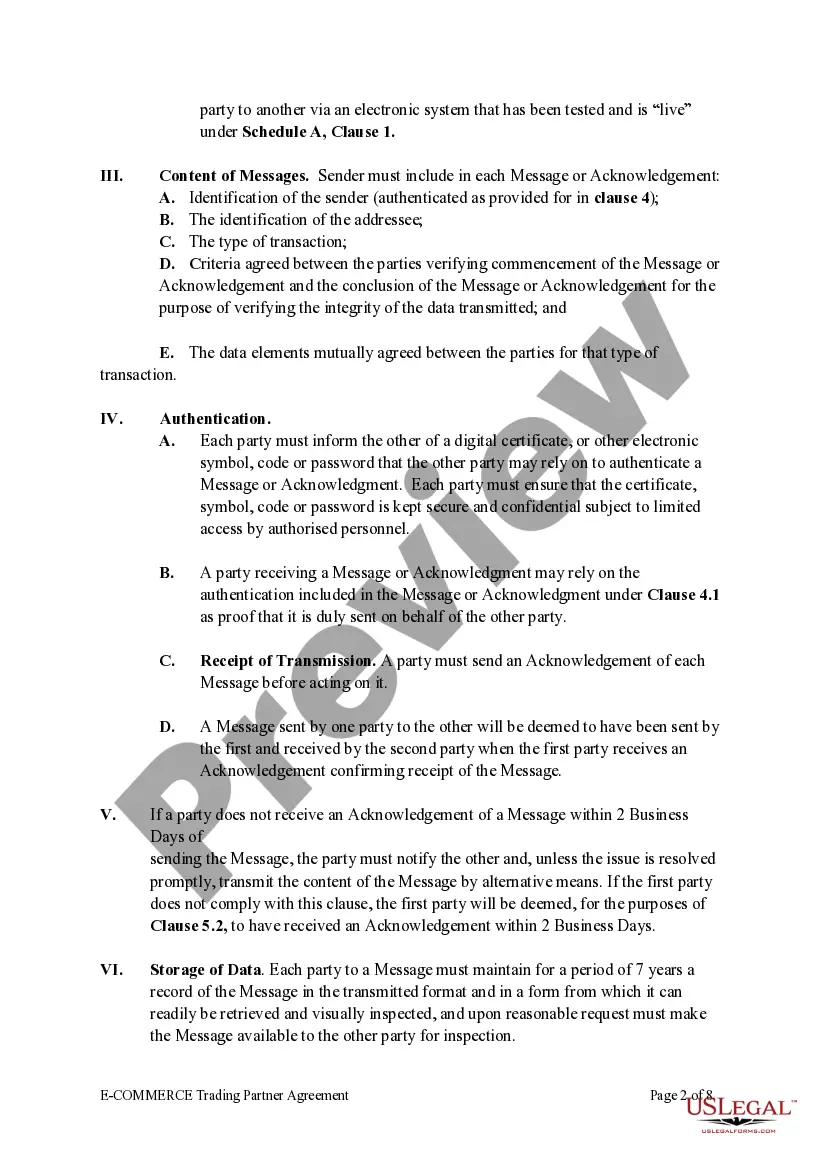
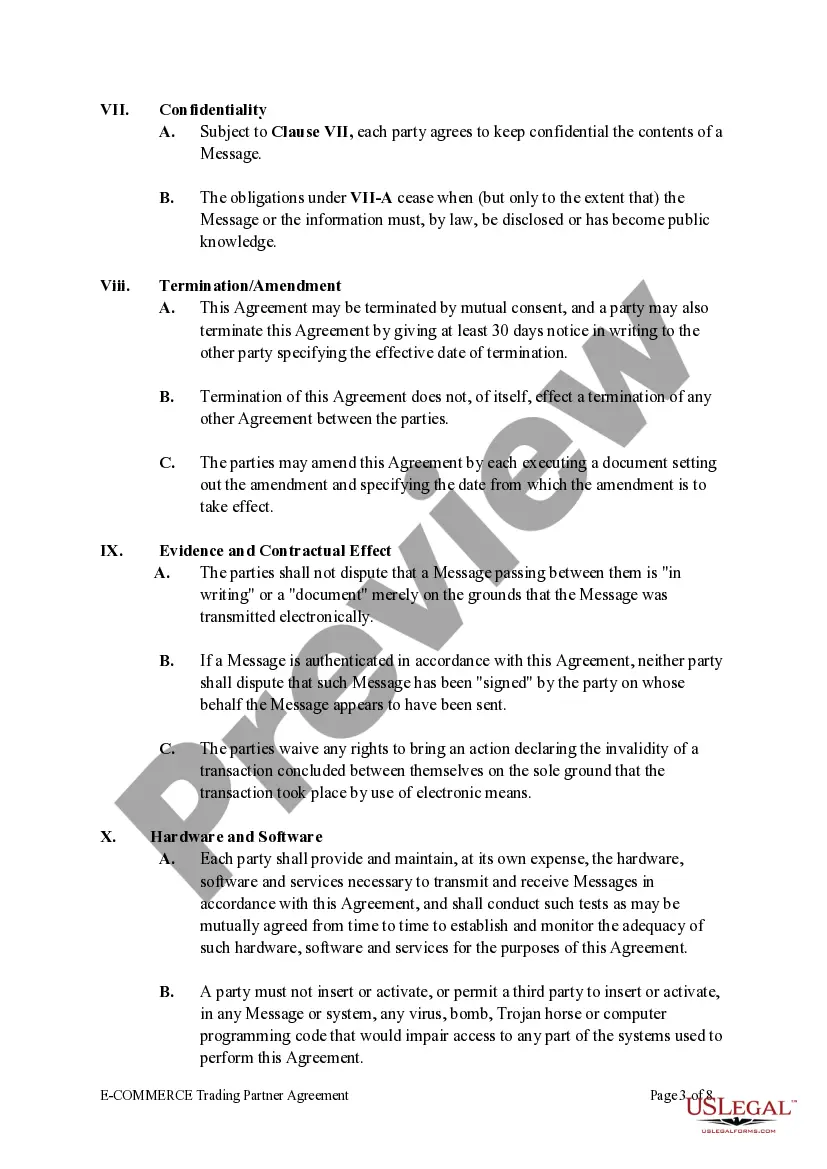
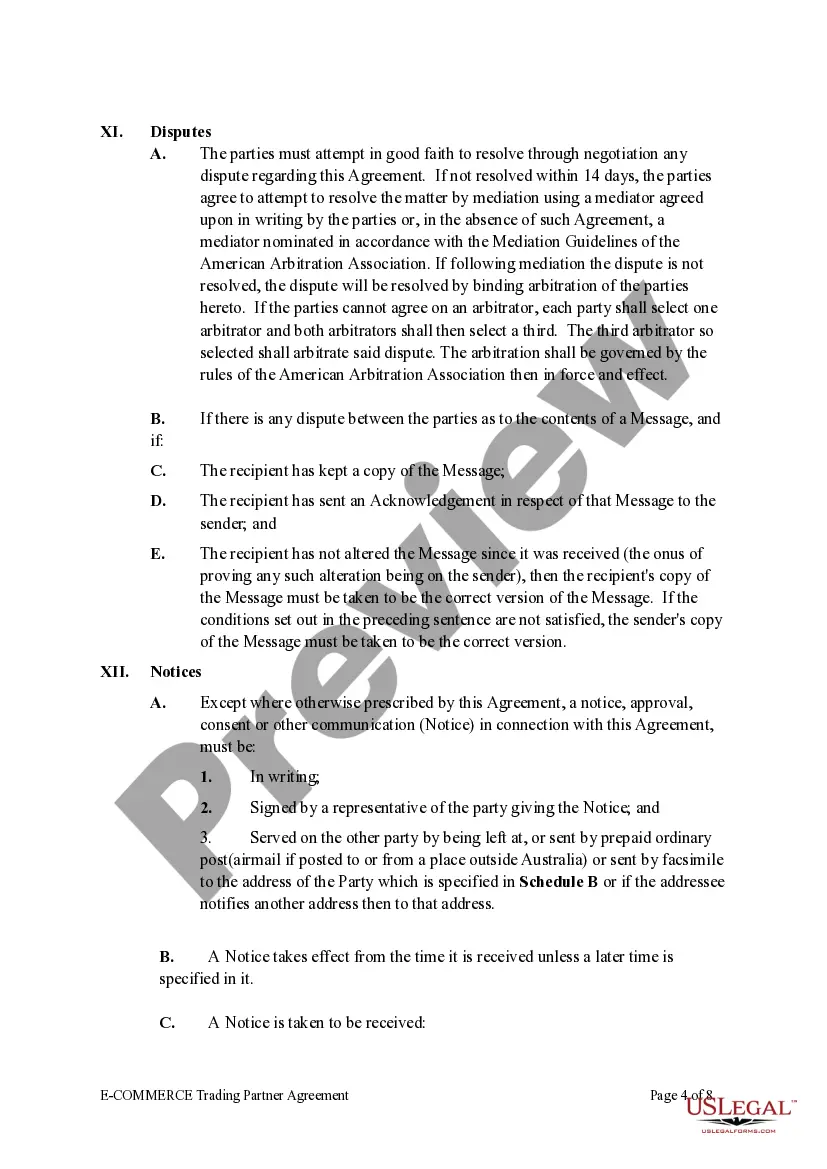
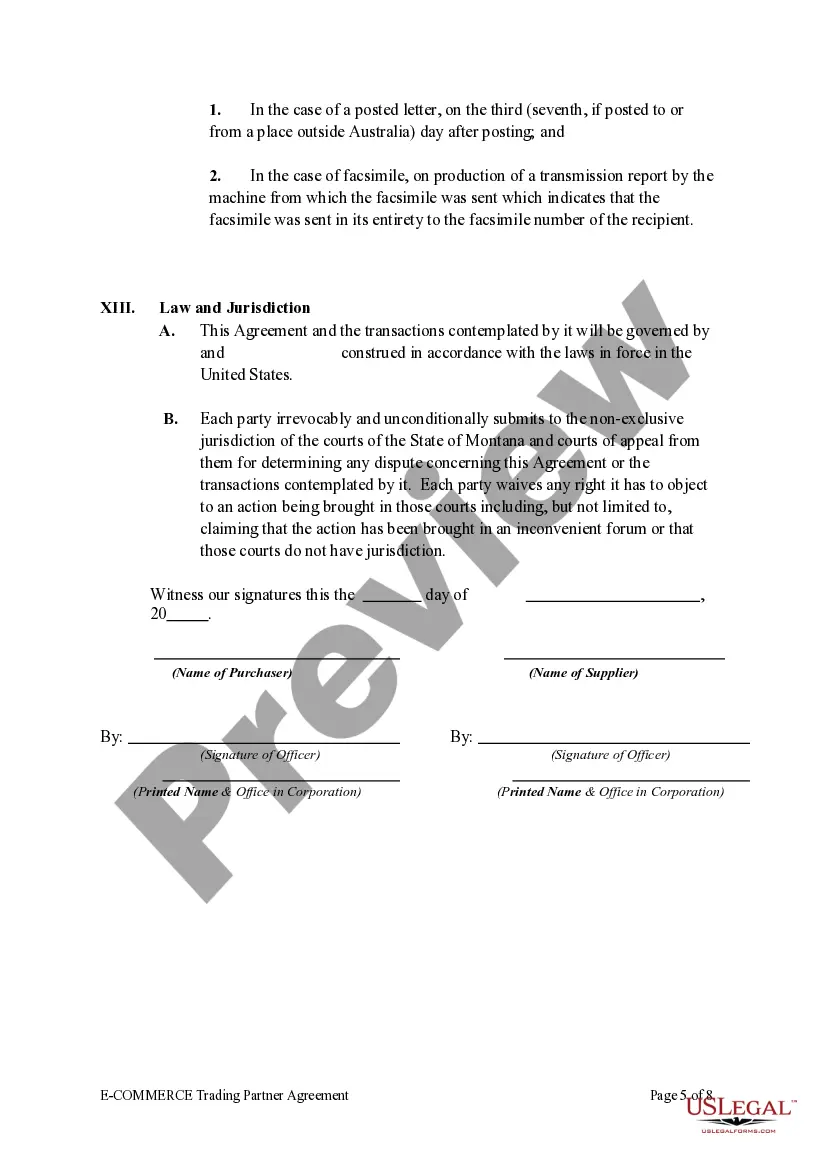

Get your form ready online
Our built-in tools help you complete, sign, share, and store your documents in one place.
Make edits, fill in missing information, and update formatting in US Legal Forms—just like you would in MS Word.
Download a copy, print it, send it by email, or mail it via USPS—whatever works best for your next step.
Sign and collect signatures with our SignNow integration. Send to multiple recipients, set reminders, and more. Go Premium to unlock E-Sign.
If this form requires notarization, complete it online through a secure video call—no need to meet a notary in person or wait for an appointment.
We protect your documents and personal data by following strict security and privacy standards.

Make edits, fill in missing information, and update formatting in US Legal Forms—just like you would in MS Word.

Download a copy, print it, send it by email, or mail it via USPS—whatever works best for your next step.

Sign and collect signatures with our SignNow integration. Send to multiple recipients, set reminders, and more. Go Premium to unlock E-Sign.

If this form requires notarization, complete it online through a secure video call—no need to meet a notary in person or wait for an appointment.

We protect your documents and personal data by following strict security and privacy standards.
Looking for another form?







Form popularity
FAQ
The latest updates list cloud storage services and data transfer fees, search engine optimization services, video conferencing software, website design, and development, web hosting services, and data and information processing services as services not subject to sales tax, regardless of whether the sale is for ...
“Small business” means a corporation, partnership, sole proprietorship, or other business entity, including its affiliates, that: (i) is independently owned and operated; (ii) is not dominant in its field; and (iii) employs 50 or fewer full–time employees.
“Small business” means a corporation, partnership, sole proprietorship, or other business entity, including its affiliates, that: (i) is independently owned and operated; (ii) is not dominant in its field; and (iii) employs 50 or fewer full–time employees.
Revenue. The SBA also defines a small business by annual revenue, ranging from $750,000 to $38.5 million maximum per year.
Meet size standards SBA assigns a size standard to each NAICS code. Most manufacturing companies with 500 employees or fewer, and most non-manufacturing businesses with average annual receipts under $7.5 million, will qualify as a small business.
It defines small business by firm revenue (ranging from $1 million to over $40 million) and by employment (from 100 to over 1,500 employees). For example, ing to the SBA definition, a roofing contractor is defined as a small business if it has annual revenues of $16.5 million or less.
Here's how to get started. Step 1: Research e-commerce models and decide what to sell. Step 2: Write a business plan. Step 3: Choose a business name and start building your brand. Step 4: Register your business. Step 5: Create your e-commerce business website. Step 6: Source and develop your products or services.
A person or business organization other than a grower, maker or manufacturer may not offer for sale, sell or otherwise dispose of any goods within Maryland, without first obtaining a license from the Clerk of the Circuit Court.
Unless you are a grower or manufacturer, you may not offer for sale, sell or otherwise dispose of any goods within Maryland, without first obtaining a trader's license from the Clerk of the Circuit Court and opening a sales tax account.
Again, you need a business license to run a dropshipping business. If your business is based in the United States, remember that a business license is issued by all levels of government. Also, depending on the products you are about to dropship, you may need a business license at the local, state, and federal levels.
