Loan Payoff Letter Format Foreclosure In Massachusetts
Description



Form popularity
FAQ
Tips for writing a letter of explanation While the content of the letter will change depending on your situation, be sure to: Provide all details the best you can, including correct dates and dollar amounts. Explain how and when all situations were resolved. If they are not resolved, explain that as well.
Pursuant to the new law, a lender can opt to send a 90-day notice instead of a 150-day notice if it can certify that it has engaged in a good faith effort to negotiate a commercially reasonable alternative to foreclosure.
The property is auctioned and sold to the highest bidder, and the new owner must record a foreclosure deed, which must be filed at the Registry of Deeds.
Massachusetts laws Note: In Massachusetts, a lender may foreclose using a judicial method (foreclosure by entry, MGL c. 244, §§ 1, 2) and/or the nonjudicial method (foreclosure by power of sale, MGL c. 244, § 14). The usual foreclosure procedure is by entry and then by exercise of the power of sale.
The lender must maintain possession for three years in order for that type of foreclosure to be effective. During the three year period, the borrower has the right of redemption.
All mortgage loans in default are subject to receiving the SCRA notice when in default. Massachusetts General Laws Chapter 244 §14 requires a foreclosing party to mail a Notice of Sale to the homeowner at least 14 days before the sale date.
Who Suffers the Most in Foreclosure? Homeowners suffer the most in foreclosure because they lose the home that they live in as well as take a huge financial loss due to the foreclosure.
Note: In Massachusetts, a lender may foreclose using a judicial method (foreclosure by entry, MGL c. 244, §§ 1, 2) and/or the nonjudicial method (foreclosure by power of sale, MGL c. 244, § 14). The usual foreclosure procedure is by entry and then by exercise of the power of sale.
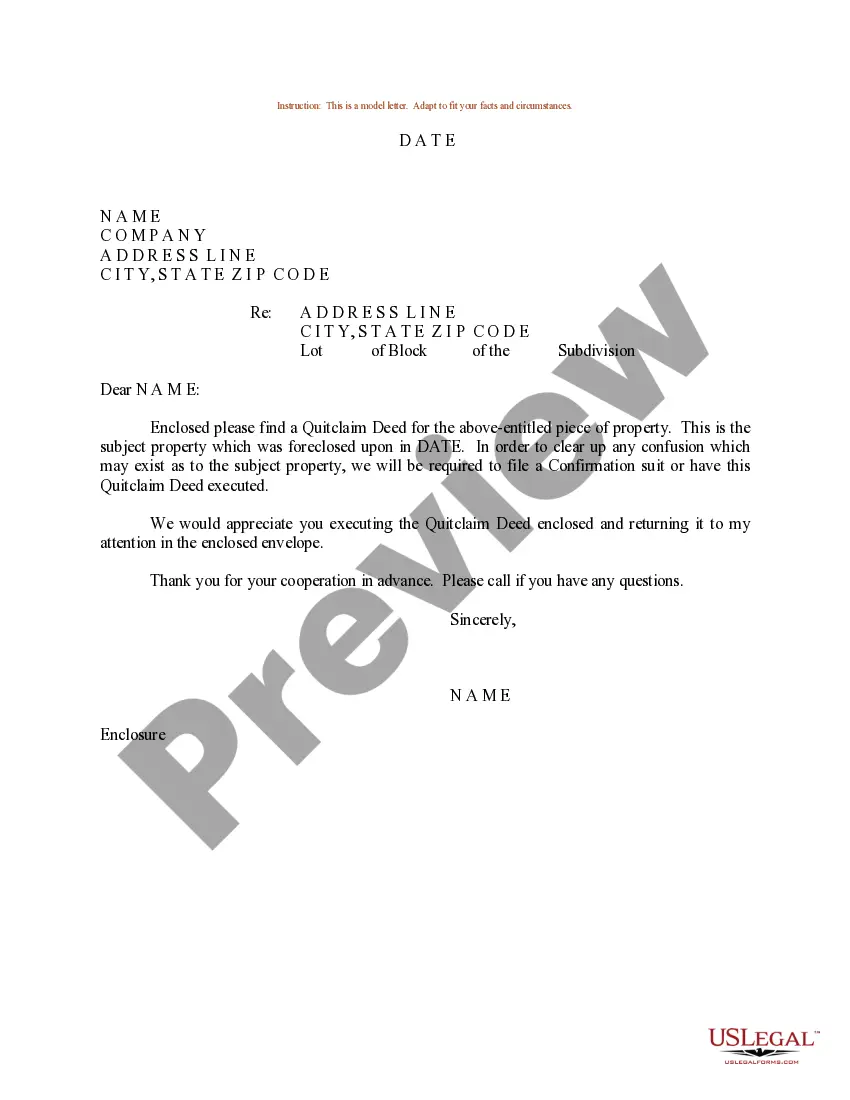
A Notice of Intention to Foreclose is your lender telling you that they are planning to foreclose on your property because you are behind on your mortgage payments.

