Retirement Law For Private Employees Philippines In Dallas

State:
Multi-State
County:
Dallas
Control #:
US-001HB
Format:
Word; 
PDF; 
Rich Text
Instant download

Description

The document serves as an informational handbook outlining the retirement law for private employees in the Philippines, focusing particularly on the context applicable to Dallas. It provides guidance on various retirement benefits, including social security, pension plans, and federal employee benefits. Key features include an overview of eligibility requirements, how to apply for benefits, and the rights of employees under the Employee Retirement Income Security Act (ERISA). The form also emphasizes the importance of consulting legal professionals for personalized advice and navigating complex retirement issues. Legal representatives such as attorneys, partners, owners, associates, paralegals, and legal assistants can use this handbook as a resource to support clients in understanding their retirement options. Filling out or editing any required forms is straightforward, and users are encouraged to seek assistance from local Area Agencies on Aging for additional services. Overall, the guide acts as a comprehensive starting point for those involved in retirement planning for private employees.
Free preview
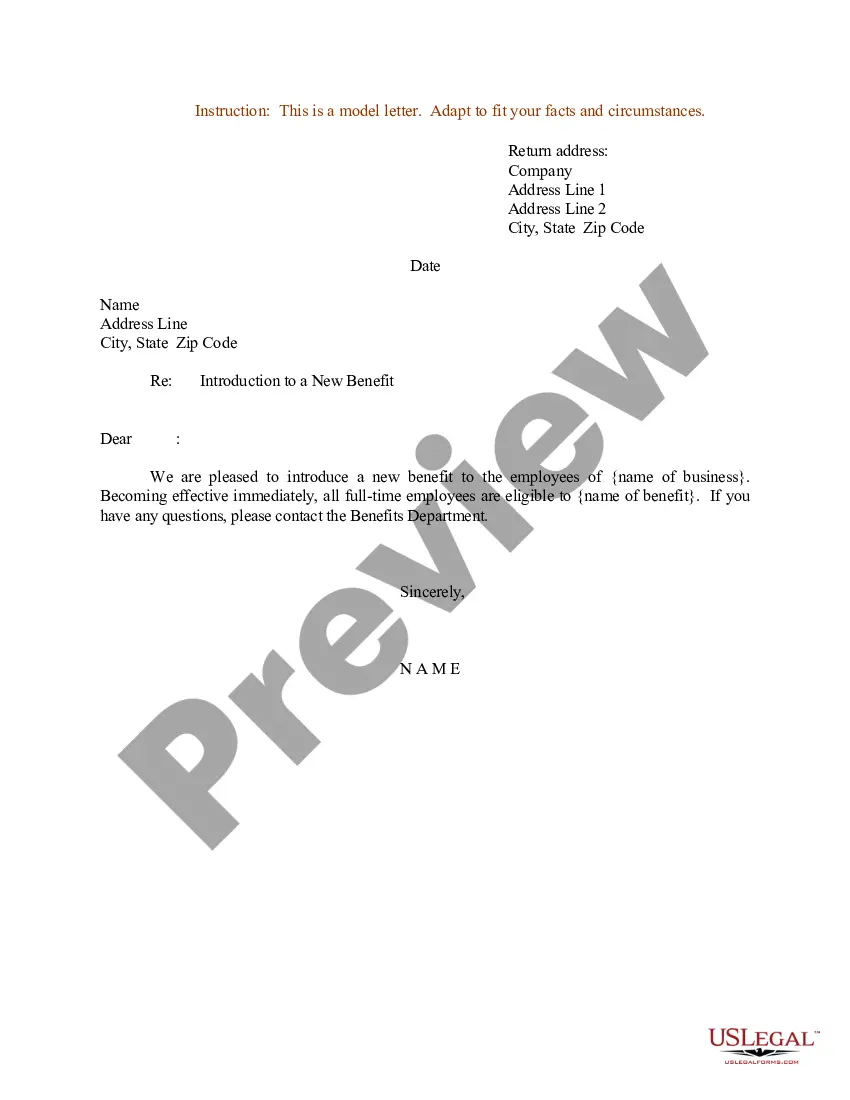
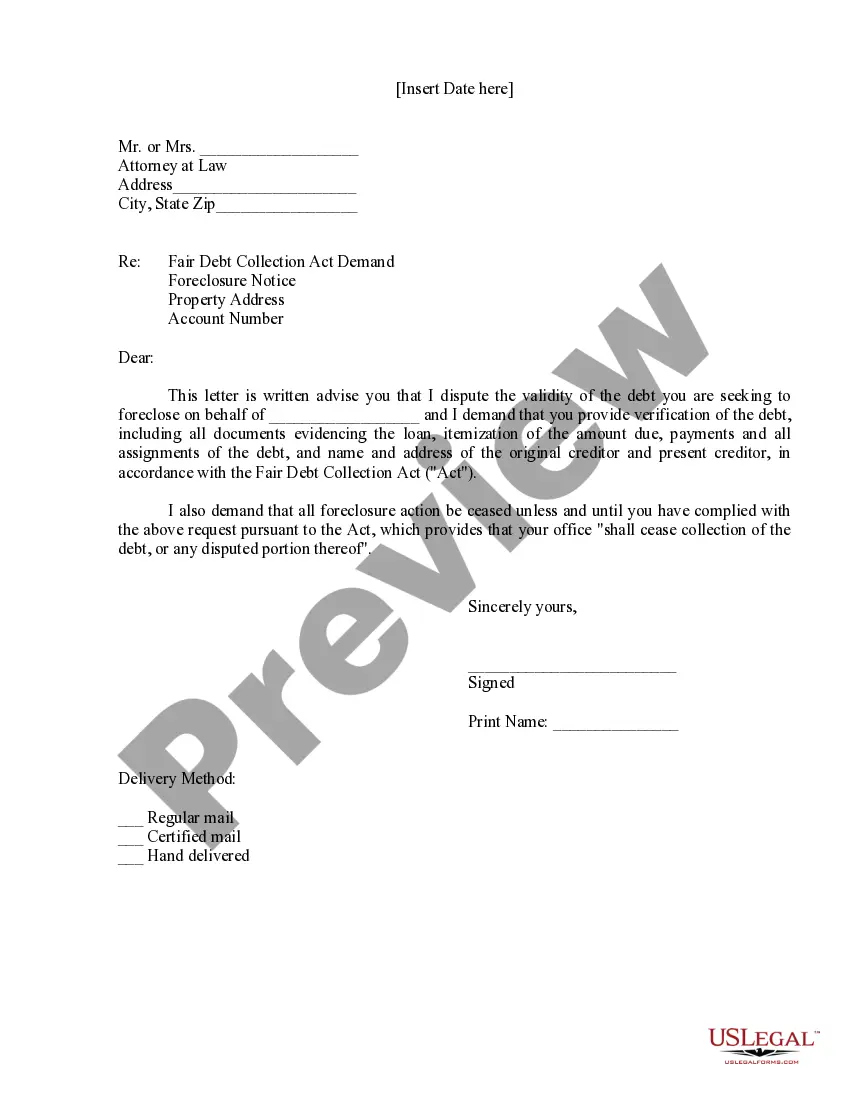
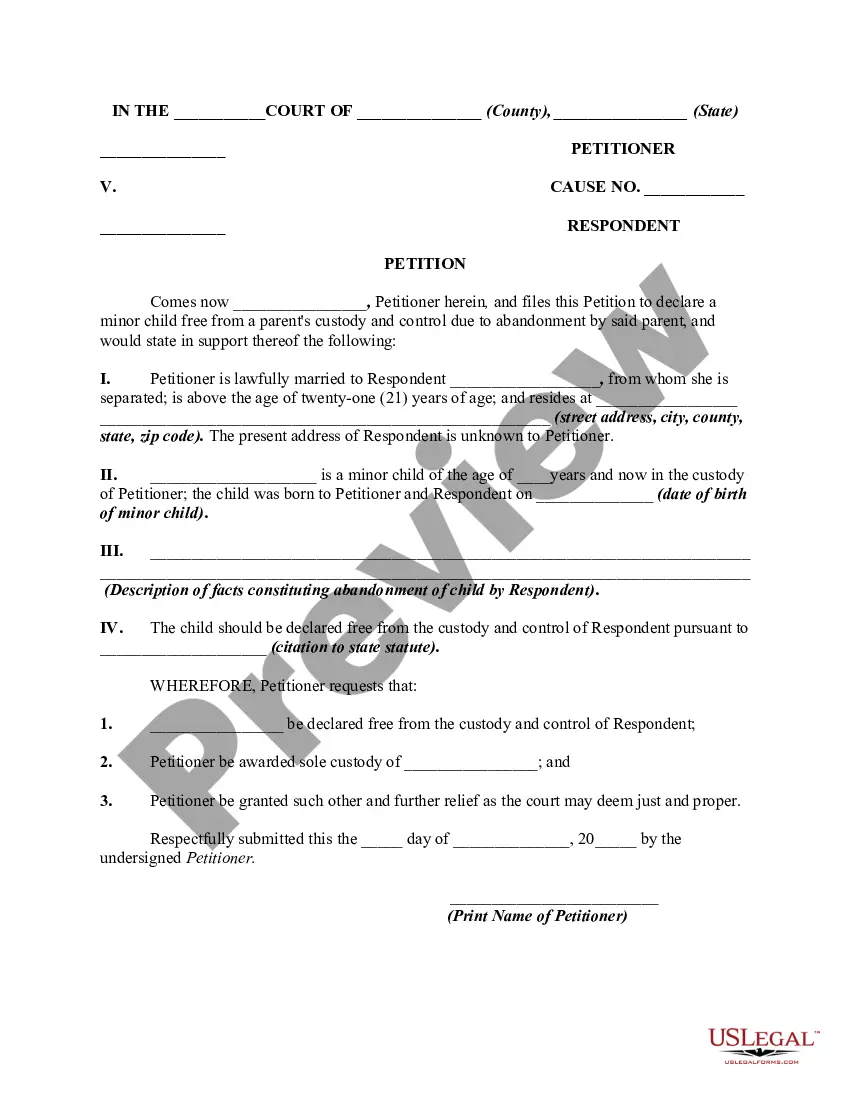
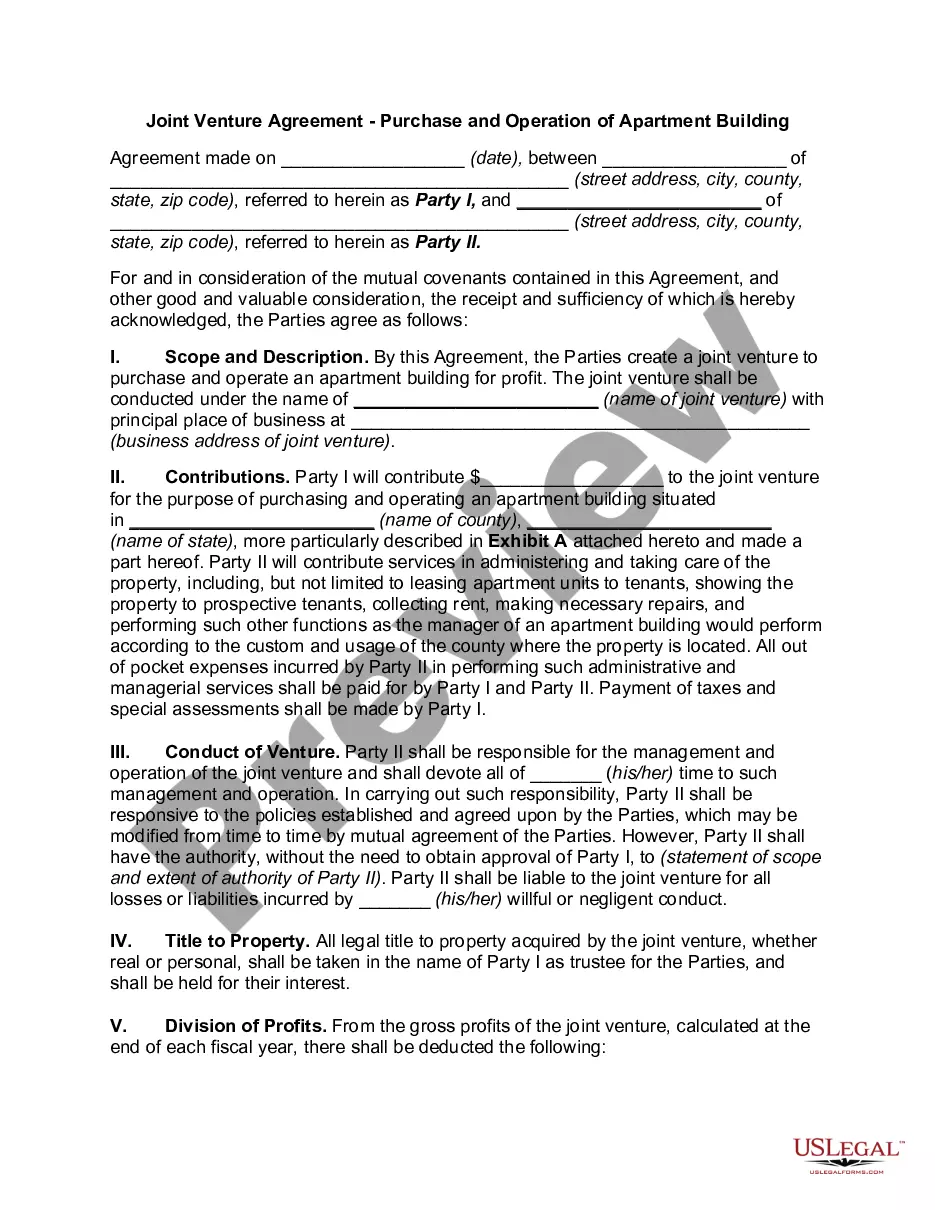
  • Preview USLF Multistate Elder and Retirement Law Handbook - Guide
  • Preview USLF Multistate Elder and Retirement Law Handbook - Guide
  • Preview USLF Multistate Elder and Retirement Law Handbook - Guide
  • Preview USLF Multistate Elder and Retirement Law Handbook - Guide
  • Preview USLF Multistate Elder and Retirement Law Handbook - Guide
  • Preview USLF Multistate Elder and Retirement Law Handbook - Guide
  • Preview USLF Multistate Elder and Retirement Law Handbook - Guide
  • Preview USLF Multistate Elder and Retirement Law Handbook - Guide
  • Preview USLF Multistate Elder and Retirement Law Handbook - Guide
  • Preview USLF Multistate Elder and Retirement Law Handbook - Guide
  • Preview USLF Multistate Elder and Retirement Law Handbook - Guide

Form popularity

FAQ

You may file a Request for Assistance (RFA) online by visiting our online SENA portal at and under the dropdown menu, select NLRC-NCR as your preferred office where to file your RFA. And click OK.

Jurisprudence on Compulsory Retirement In one case, Pantranco North Express Inc. v. NLRC, the Supreme Court emphasized that employers could not force employees to retire if they had not reached the retirement age agreed upon, especially if such age was lower than the statutory minimum age of 60.

Upon Resignation For employees who have worked for 3-5 years, their gratuity consists of 2/3rd of their basic salary of 21 days for each year of service. After 5 years or more of service, an employee's gratuity consists of their complete basic salary of 21 days for each year of service.

The mandatory retirement age is sixty-five (65) years old. The Anti-Age Discrimination Act did not amend/modify the mandatory retirement age.

RA No. 7641, commonly known as the Retirement Law, grants an employee retirement benefits upon reaching the age of 60 years but not beyond 65 years, which is the compulsory retirement age, provided such employee has served at least five years and the retirement benefits are availed of only once.

RA No. 7641, commonly known as the Retirement Law, grants an employee retirement benefits upon reaching the age of 60 years but not beyond 65 years, which is the compulsory retirement age, provided such employee has served at least five years and the retirement benefits are availed of only once.

Trusted and secure by over 3 million people of the world’s leading companies

Retirement Law For Private Employees Philippines In Dallas