Elder Form For 2022 In Suffolk
Description
















Get your form ready online
Our built-in tools help you complete, sign, share, and store your documents in one place.
Make edits, fill in missing information, and update formatting in US Legal Forms—just like you would in MS Word.
Download a copy, print it, send it by email, or mail it via USPS—whatever works best for your next step.
Sign and collect signatures with our SignNow integration. Send to multiple recipients, set reminders, and more. Go Premium to unlock E-Sign.
If this form requires notarization, complete it online through a secure video call—no need to meet a notary in person or wait for an appointment.
We protect your documents and personal data by following strict security and privacy standards.
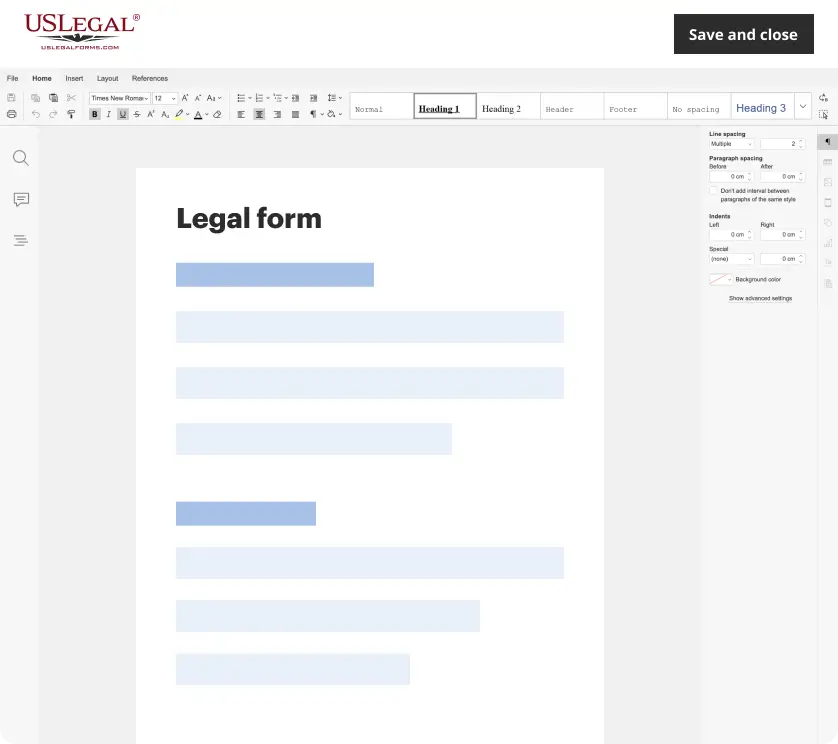
Make edits, fill in missing information, and update formatting in US Legal Forms—just like you would in MS Word.
Download a copy, print it, send it by email, or mail it via USPS—whatever works best for your next step.
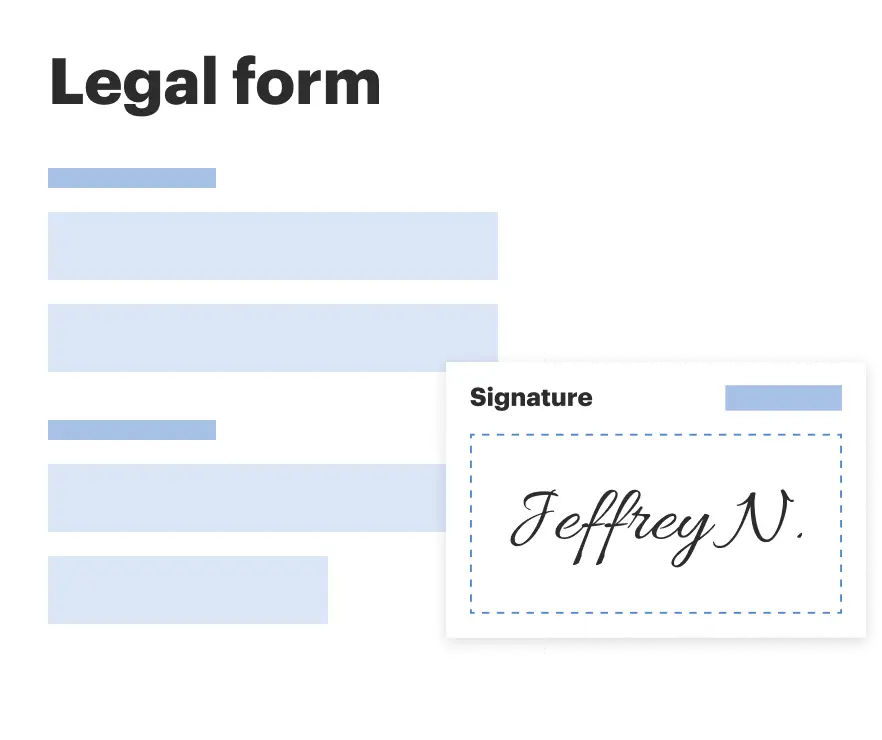
Sign and collect signatures with our SignNow integration. Send to multiple recipients, set reminders, and more. Go Premium to unlock E-Sign.
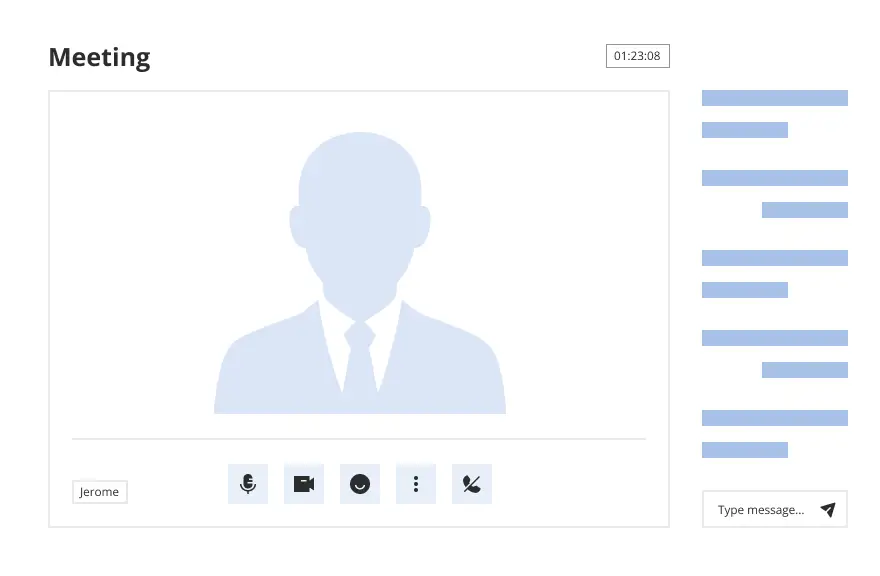
If this form requires notarization, complete it online through a secure video call—no need to meet a notary in person or wait for an appointment.
We protect your documents and personal data by following strict security and privacy standards.
Looking for another form?


Form popularity
FAQ
Elder abuse is perpetrated by a trusted individual and can be financial, physical, emotional/psychological, sexual, and caregiver neglect. To support those impacted by elder abuse, NYC Aging partners with community-based Elder Justice programs in each borough who provide services and support.
The non-accidental use of force that results in bodily injury, pain or impairment, including but not limited to, being slapped, burned, cut, bruised or improperly physically restrained.
A caretaker's leaving an elderly patient home alone for a significant amount of time could be considered neglect, at the very least, and possibly abandonment.
If appropriate, an arrest is made and criminal charges are brought. A trial begins if the prosecutor files charges. A prison sentence of up to 15 years follows upon conviction. Knowingly filing a false claim of elder abuse comes with legal consequences.
While “senior” is used to describe an age group, “elderly” refers to a matter of capability. Seniority denotes the actual age of a person rather than their level of physical and mental capacity.
The National Institute on Aging generally describes older adults as people age 65 or older, however, definitions of older adulthood vary. When an official or organization uses one of these terms, ask for specifics.
While “senior” is used to describe an age group, “elderly” refers to a matter of capability. Seniority denotes the actual age of a person rather than their level of physical and mental capacity.
Understanding the Age of Seniorhood: When Does One Become a Senior Citizen? The transition from adulthood to seniorhood can be challenging for some individuals. It is generally considered that anyone who reaches 60 or 65 is becoming a senior citizen.
Technically, the term senior (from ``senior citizen'') applies to individuals eligible to collect Social Security - traditionally age 65 or older. Being an aging guy myself I've heard (repeatedly) that ``elderly'' refers more to a person's state of health, mental acuity, and demeanor.
EISEP assists older people (aged 60 and older) who need help with everyday activities to take care of themselves (such as dressing, bathing, personal care, shopping, and cooking), want to remain at home, and are not eligible for Medicaid.