Erisa Rules For Retirement Plans In Suffolk
Description
















Get your form ready online
Our built-in tools help you complete, sign, share, and store your documents in one place.
Make edits, fill in missing information, and update formatting in US Legal Forms—just like you would in MS Word.
Download a copy, print it, send it by email, or mail it via USPS—whatever works best for your next step.
Sign and collect signatures with our SignNow integration. Send to multiple recipients, set reminders, and more. Go Premium to unlock E-Sign.
If this form requires notarization, complete it online through a secure video call—no need to meet a notary in person or wait for an appointment.
We protect your documents and personal data by following strict security and privacy standards.
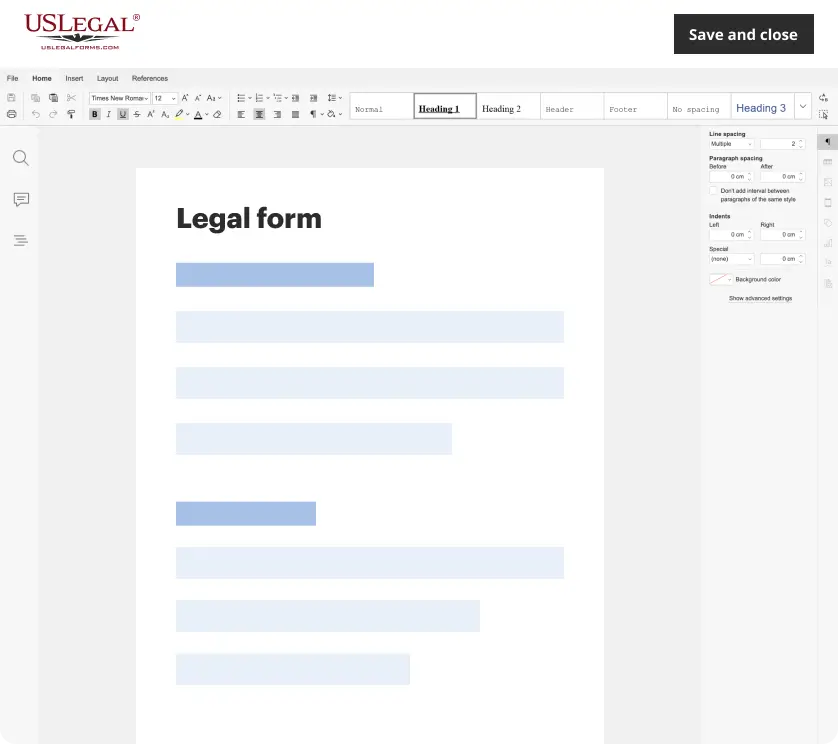
Make edits, fill in missing information, and update formatting in US Legal Forms—just like you would in MS Word.
Download a copy, print it, send it by email, or mail it via USPS—whatever works best for your next step.
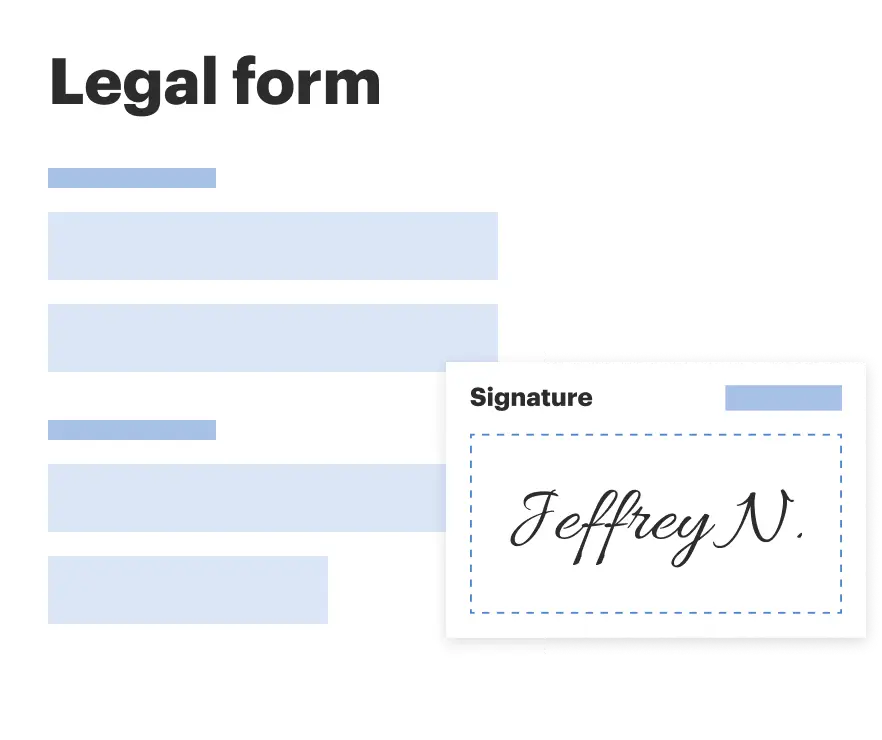
Sign and collect signatures with our SignNow integration. Send to multiple recipients, set reminders, and more. Go Premium to unlock E-Sign.
If this form requires notarization, complete it online through a secure video call—no need to meet a notary in person or wait for an appointment.
We protect your documents and personal data by following strict security and privacy standards.
Looking for another form?









Form popularity
FAQ
ERISA requires plans to provide participants with plan information including important information about plan features and funding; sets minimum standards for participation, vesting, benefit accrual and funding; provides fiduciary responsibilities for those who manage and control plan assets; requires plans to ...
A common rule of thumb is any employer that offers a group-sponsored health plan must comply with the ERISA notice and disclosure, and possibly, reporting requirements unless an exemption applies.
All private employers and employee organizations, such as unions, that offer health plans to employees have to follow ERISA. Only churches and government groups are exempt. If you offer your employees health coverage, you'll have to follow certain rules and procedures as a result of ERISA.
All private employers and employee organizations, such as unions, that offer health plans to employees have to follow ERISA. Only churches and government groups are exempt. If you offer your employees health coverage, you'll have to follow certain rules and procedures as a result of ERISA.
ERISA regulates plan administrators and sponsors to ensure that they provide plan information to their participants and remain compliant with their fiduciary duties. And it's not just plan participants like you who are protected: it's your beneficiaries, too.
Plans must meet minimum ERISA requirements The Department of Labor's Employee Benefits Security Administration currently oversees ERISA. Your retirement plan administrator should be able to tell you whether or not your retirement plan qualifies for ERISA.
Basic ERISA compliance requires employers provide notice to participants about plan information, their rights under the plan, and how the plan is funded. This includes ensuring plans comply with ERISA's minimum standards, recordkeeping, annual filing and reporting, and fiduciary compliance.
However, not all retirement plans are covered by ERISA. For example, Federal, state, or local government plans and some church plans are not covered.
The Employee Retirement Income Security Act of 1974, or ERISA, protects the assets of millions of Americans so that funds placed in retirement plans during their working lives will be there when they retire. ERISA is a federal law that sets minimum standards for retirement plans in private industry.
Filing an ERISA Claim: Step-by-Step Guide Step 1: Review Your Plan. The first step in filing an ERISA claim is to review your disability insurance policy thoroughly. Step 2: Gather Evidence. Step 3: File Your Claim. Step 4: Wait for a Decision. Step 5: Appeal if Necessary.
