Board Directors Corporate Withdrawal In Fulton
Description



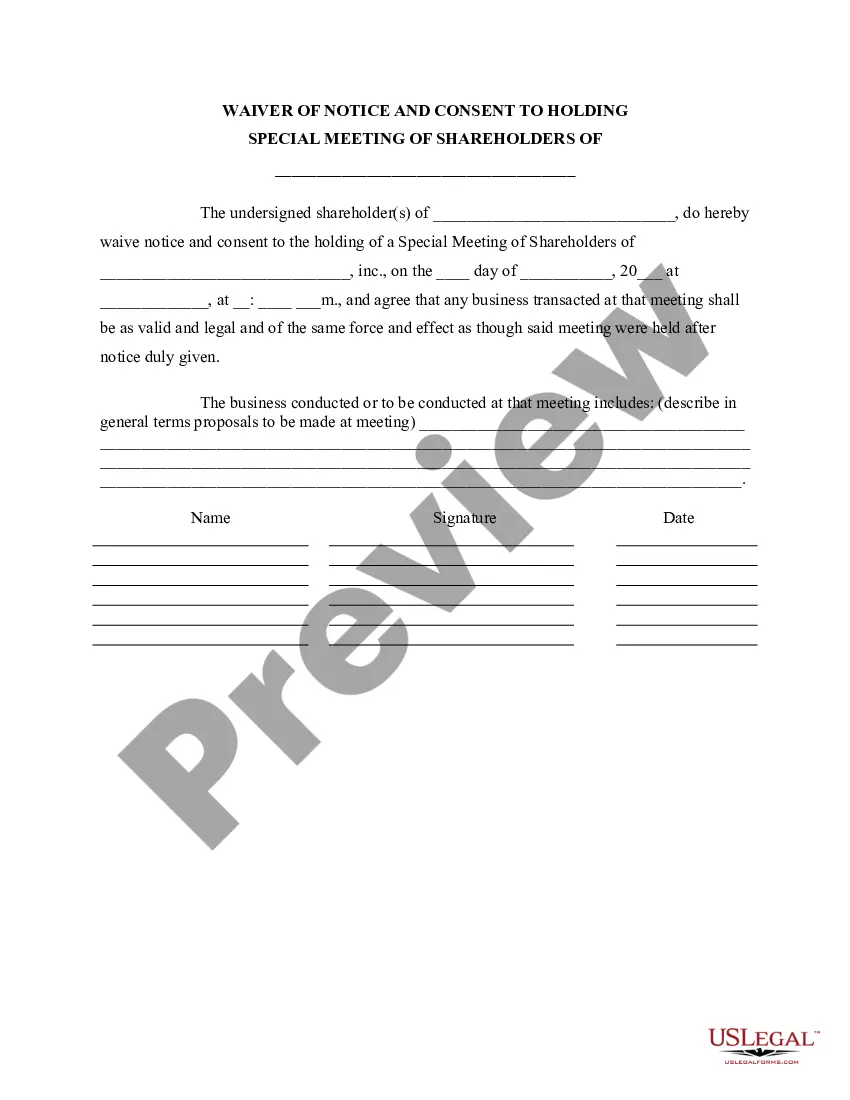
Get your form ready online
Our built-in tools help you complete, sign, share, and store your documents in one place.
Make edits, fill in missing information, and update formatting in US Legal Forms—just like you would in MS Word.
Download a copy, print it, send it by email, or mail it via USPS—whatever works best for your next step.
Sign and collect signatures with our SignNow integration. Send to multiple recipients, set reminders, and more. Go Premium to unlock E-Sign.
If this form requires notarization, complete it online through a secure video call—no need to meet a notary in person or wait for an appointment.
We protect your documents and personal data by following strict security and privacy standards.

Make edits, fill in missing information, and update formatting in US Legal Forms—just like you would in MS Word.

Download a copy, print it, send it by email, or mail it via USPS—whatever works best for your next step.

Sign and collect signatures with our SignNow integration. Send to multiple recipients, set reminders, and more. Go Premium to unlock E-Sign.

If this form requires notarization, complete it online through a secure video call—no need to meet a notary in person or wait for an appointment.

We protect your documents and personal data by following strict security and privacy standards.
Looking for another form?
Form popularity
FAQ
The most effective boards aim for diversity, including age, gender, race, and professional experience. You'll want to select directors who offer expertise in key areas that are most needed by your business, and who don't necessarily mirror your thinking.
Usually, they are nominated by the Board for a vacancy or recruited by the Board or CEO because they have specific experience in a field...or they have strong relationships within the industry. I always advise people to contact every director of any company of interest and either meet with them in person or by phone.
The answer to this question is yes, a board of directors can be fired. However, the process is not always simple or straightforward. There are a variety of reasons why a board might be removed from power, but it ultimately comes down to a vote by the shareholders.
A public company's board of directors is chosen by shareholders, and its primary job is to look out for shareholders' interests. In fact, directors are legally required to put shareholders' interests ahead of their own.
Some organizations invite prospective board members to serve on board committees for a year prior to joining the board, if that is allowed in the organization's bylaws. It is an excellent way to get to know a candidate and build the bench for future board leadership.
For a smaller board, the process often involves being interviewed, whereas larger organizations tend to have a more formalized review before nominating someone for a seat. In publicly traded companies, board members are approved by shareholders at the recommendation of management.

