Board Directors Corporate Without Shareholder In Oakland
Description



Get your form ready online
Our built-in tools help you complete, sign, share, and store your documents in one place.
Make edits, fill in missing information, and update formatting in US Legal Forms—just like you would in MS Word.
Download a copy, print it, send it by email, or mail it via USPS—whatever works best for your next step.
Sign and collect signatures with our SignNow integration. Send to multiple recipients, set reminders, and more. Go Premium to unlock E-Sign.
If this form requires notarization, complete it online through a secure video call—no need to meet a notary in person or wait for an appointment.
We protect your documents and personal data by following strict security and privacy standards.
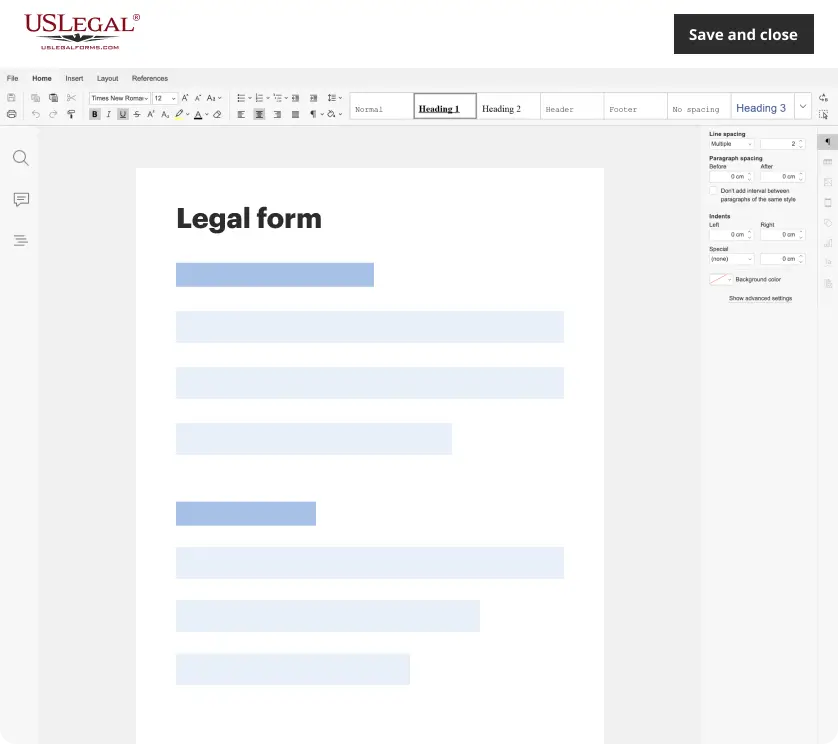
Make edits, fill in missing information, and update formatting in US Legal Forms—just like you would in MS Word.
Download a copy, print it, send it by email, or mail it via USPS—whatever works best for your next step.
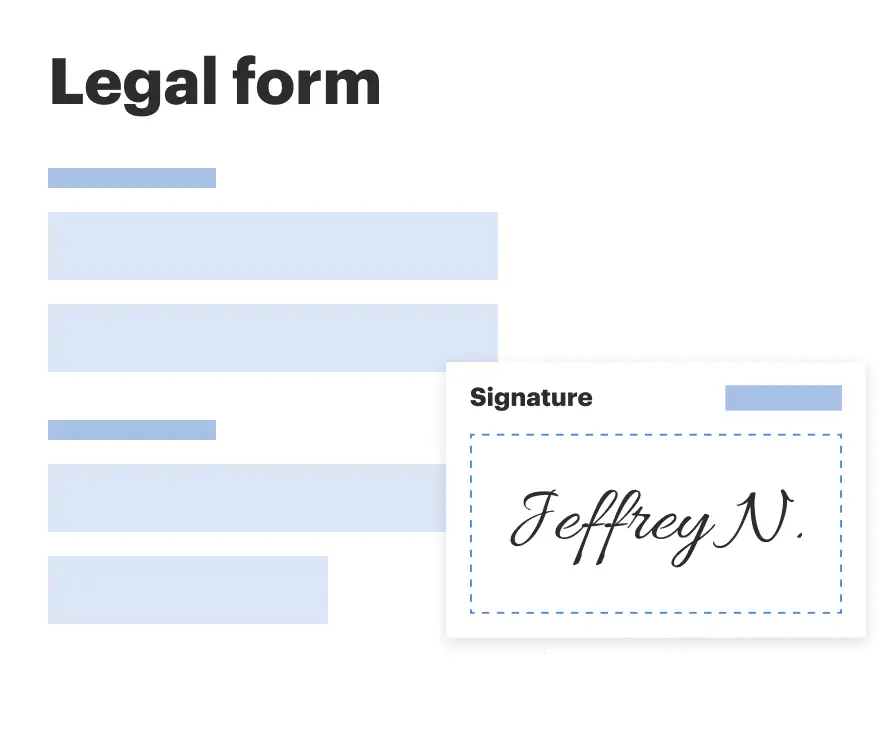
Sign and collect signatures with our SignNow integration. Send to multiple recipients, set reminders, and more. Go Premium to unlock E-Sign.

If this form requires notarization, complete it online through a secure video call—no need to meet a notary in person or wait for an appointment.

We protect your documents and personal data by following strict security and privacy standards.
Looking for another form?
Form popularity
FAQ
You can use an executive search firm which specializes in board members or ask your investors, advisors, or other entrepreneurs for suggestions. Your board members are optimally people that you wish you could hire for the company, that are truly out of reach otherwise.
Is it necessary to get a shareholder as a director of a company? No, the director is not required to hold the company shares. A person with no company shares can also be appointed as a director unless the AOA specifies that the company director must have shares in the company.
The short answer is no, you don't. There is no requirement under the Companies Act 2006 for a person to be a shareholder for them to be eligible to be a director (and vice versa). However, there are a couple of things you need to consider.
Unless specified in the articles of association, a director is not required to be a shareholder, and a shareholder has no automatic right to be a director. Although there's no automatic right, there is nothing preventing directors from also being shareholders.
Typically, a director is (or should be) a shareholder in the company. Directors are appointed, i.e. voted into office, by the shareholders of a company at a properly convened meeting of shareholders.
The steps include: Build Relevant Experience. Develop a Strong Professional Network. Develop a Value Proposition. Identify Open Positions. Participate in the Selection Process.
Shareholders and directors have two completely different roles in a company. The shareholders (also called members) own the company by owning its shares and the directors manage it. Unless the articles say so (and most do not) a director does not need to be a shareholder and a shareholder has no right to be a director.
Directors do not have to hold shares in a limited company Nevertheless, it's common for at least one person in a company to hold both positions simultaneously. In most companies, directors hold shares, whether they are founding members or have been appointed to run the business on behalf of the other shareholders.
When corporate officers perform a service for the corporation and receive or are entitled to payments, those payments are considered wages. The fact that an officer is also a shareholder does not change this requirement.

