Wisconsin Agreement To Donate Real Estate To City Form In Los Angeles
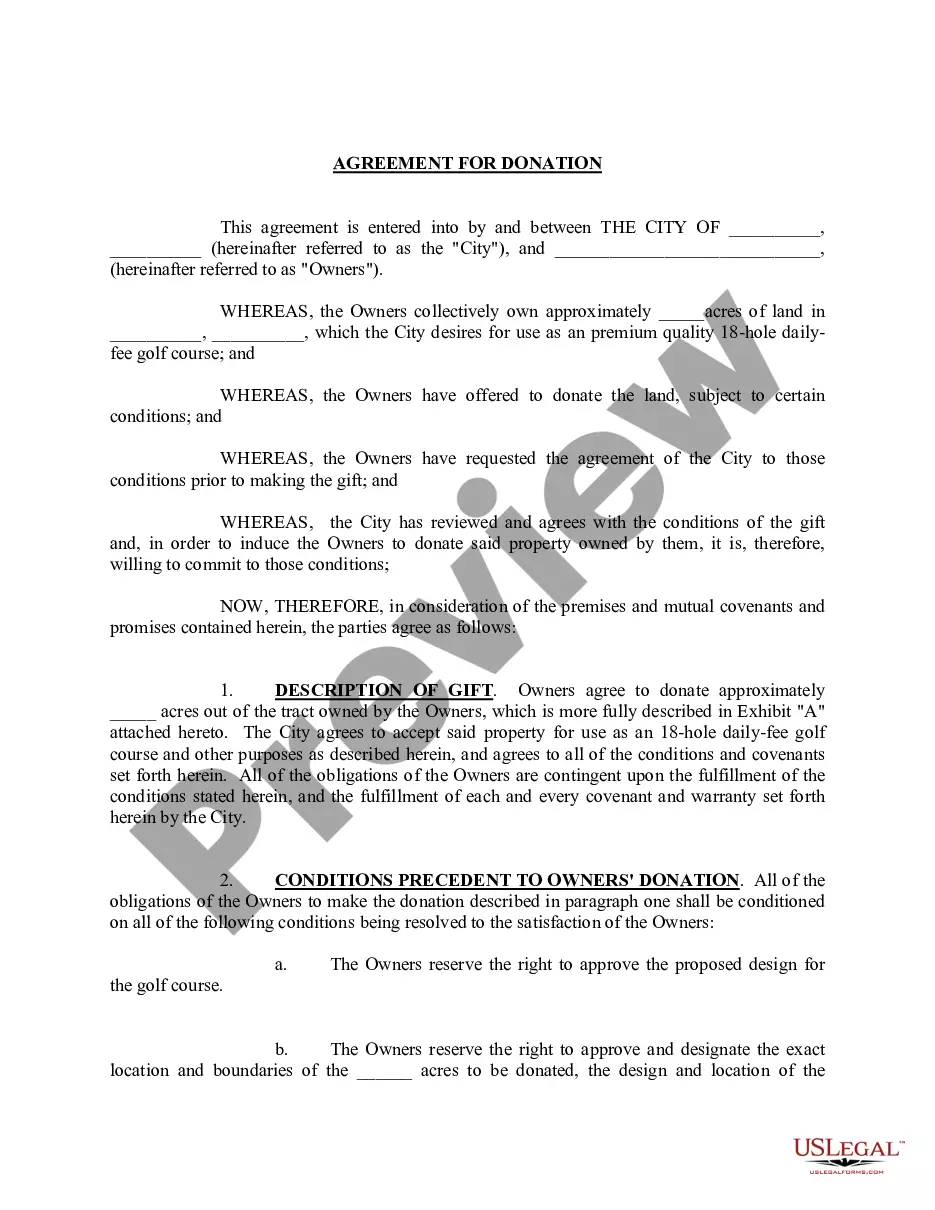
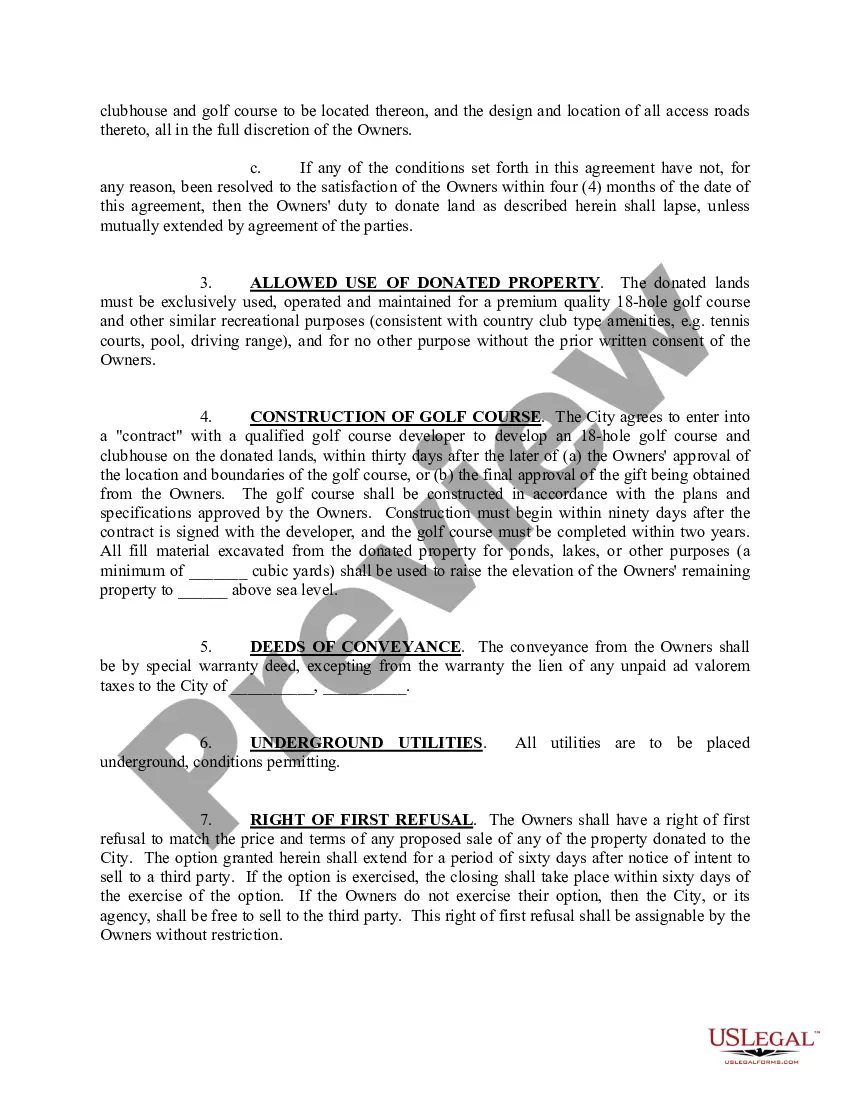
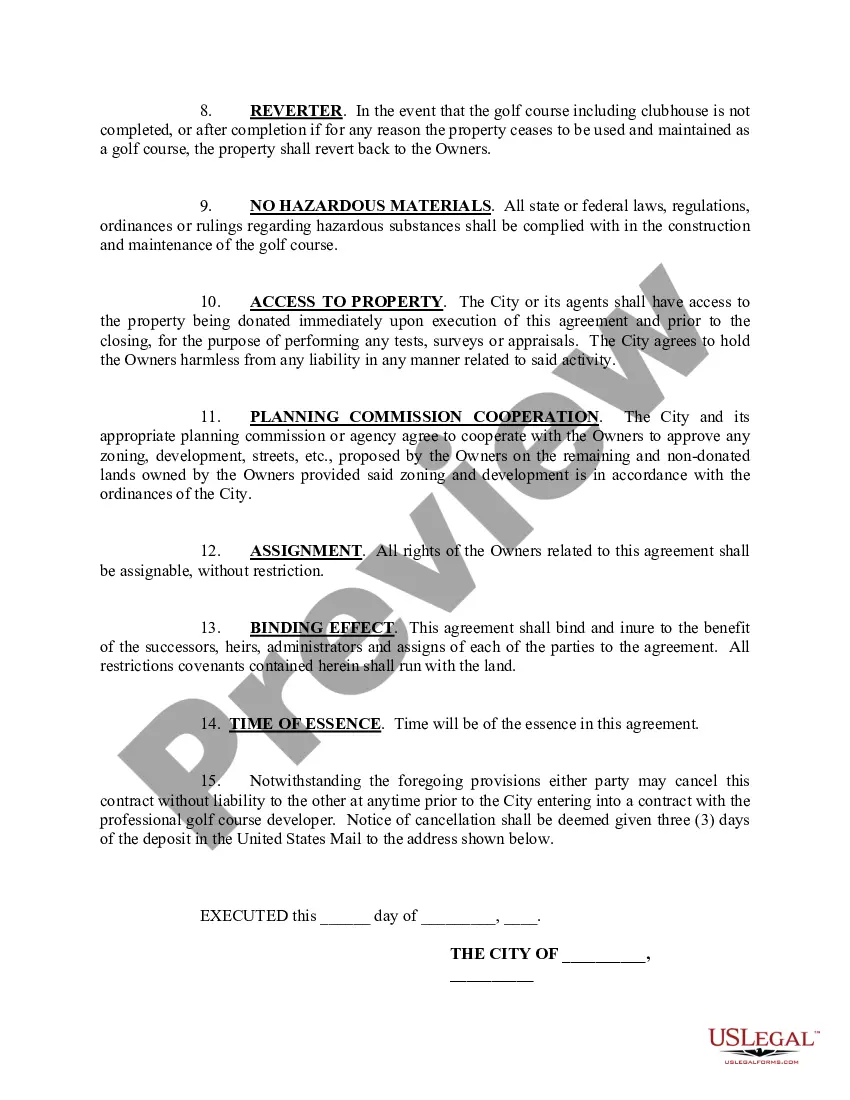
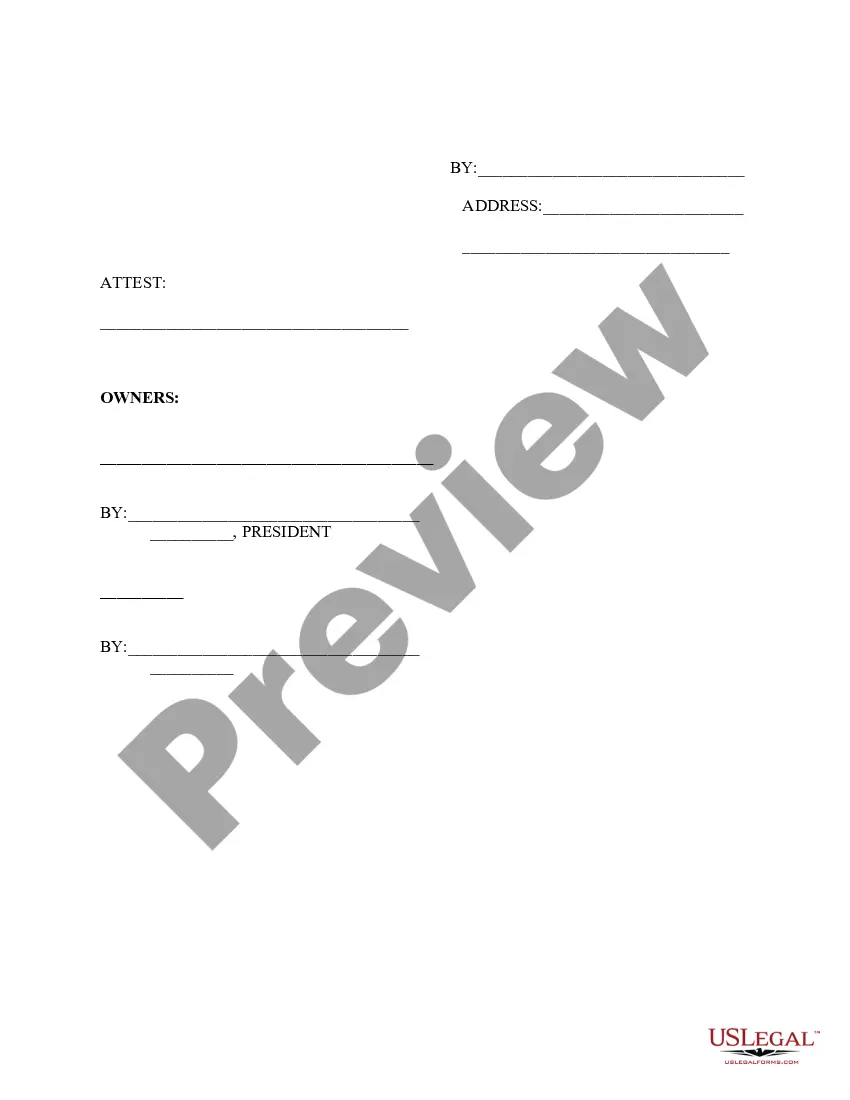
Description

Form popularity
FAQ
The contributions must be made to a qualified organization and not set aside for use by a specific person. If you give property to a qualified organization, you can generally deduct the fair market value (FMV) of the property at the time of the contribution.
It involves drafting key legal paperwork, having your land appraised, finding an eligible land trust or nonprofit to enforce the easement, and consulting with a CPA to maximize your tax deduction. Fortunately, Giving Property specializes in working with donors to make the process as easy as possible.
It involves drafting key legal paperwork, having your land appraised, finding an eligible land trust or nonprofit to enforce the easement, and consulting with a CPA to maximize your tax deduction. Fortunately, Giving Property specializes in working with donors to make the process as easy as possible.
One disadvantage of placing your house in a trust is the loss of direct ownership. Transferring your property to a revocable living trust makes the trust the legal owner. While you retain control as the trustee, this change in ownership may affect your ability to mortgage or refinance the property.
Parents and other family members who want to pass on assets during their lifetimes may be tempted to gift the assets. Although setting up an irrevocable trust lacks the simplicity of giving a gift, it may be a better way to preserve assets for the future.
Here is the rough outline: Select the trust that is best suited to your needs, such as a revocable living trust. Draft a trust deed and have it notarized so that it is legally binding. Record the deed at the county recorder's office. Notify the relevant parties, such as your mortgage lender and insurance provider.
Example Scenario Obtain the Current Deed: Get a copy of your existing deed from the county recorder's office. Prepare a New Deed: Draft a grant deed transferring the property to “John Doe, as Trustee of The John Doe Living Trust, dated January 1, 2024.” Notarize the Deed: Sign the new deed before a notary public.
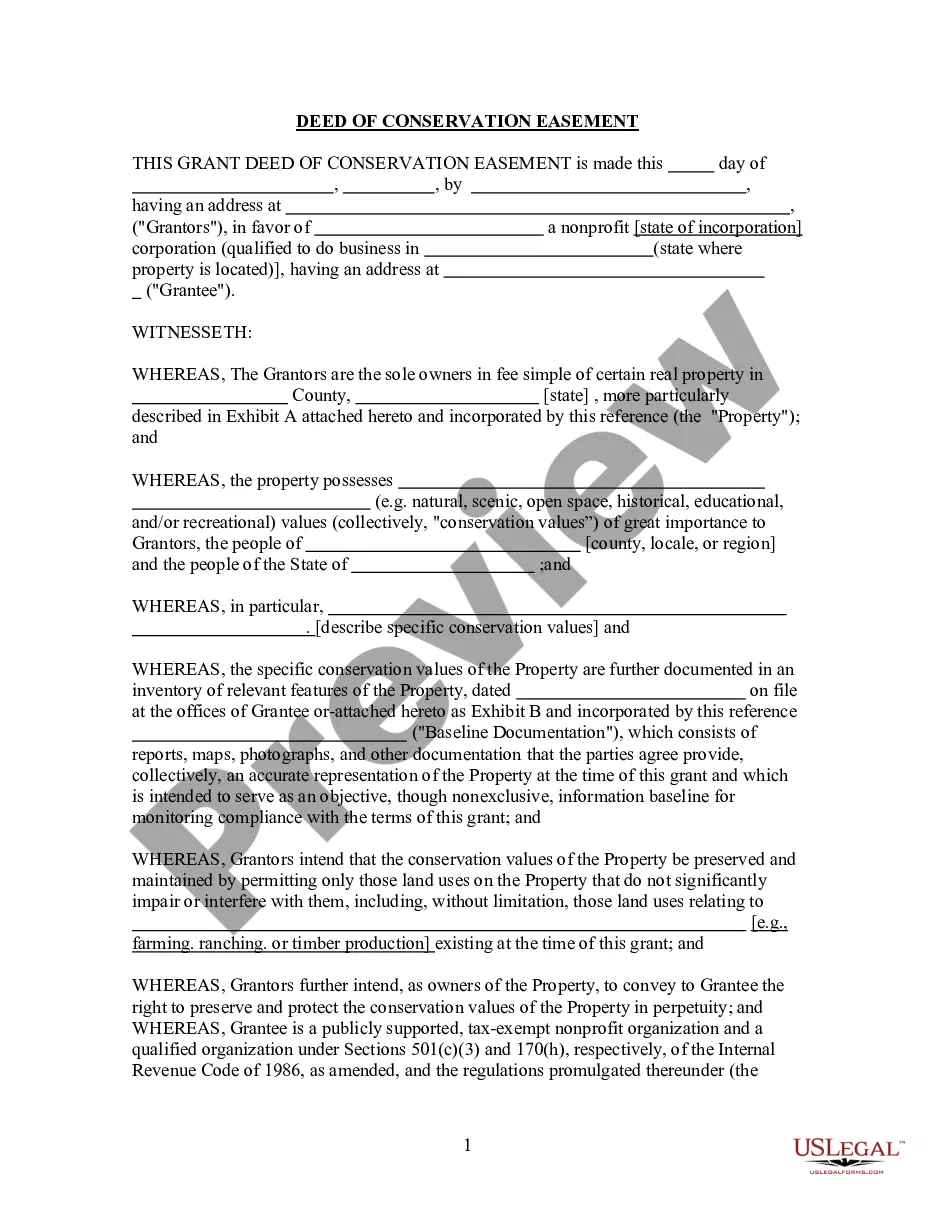
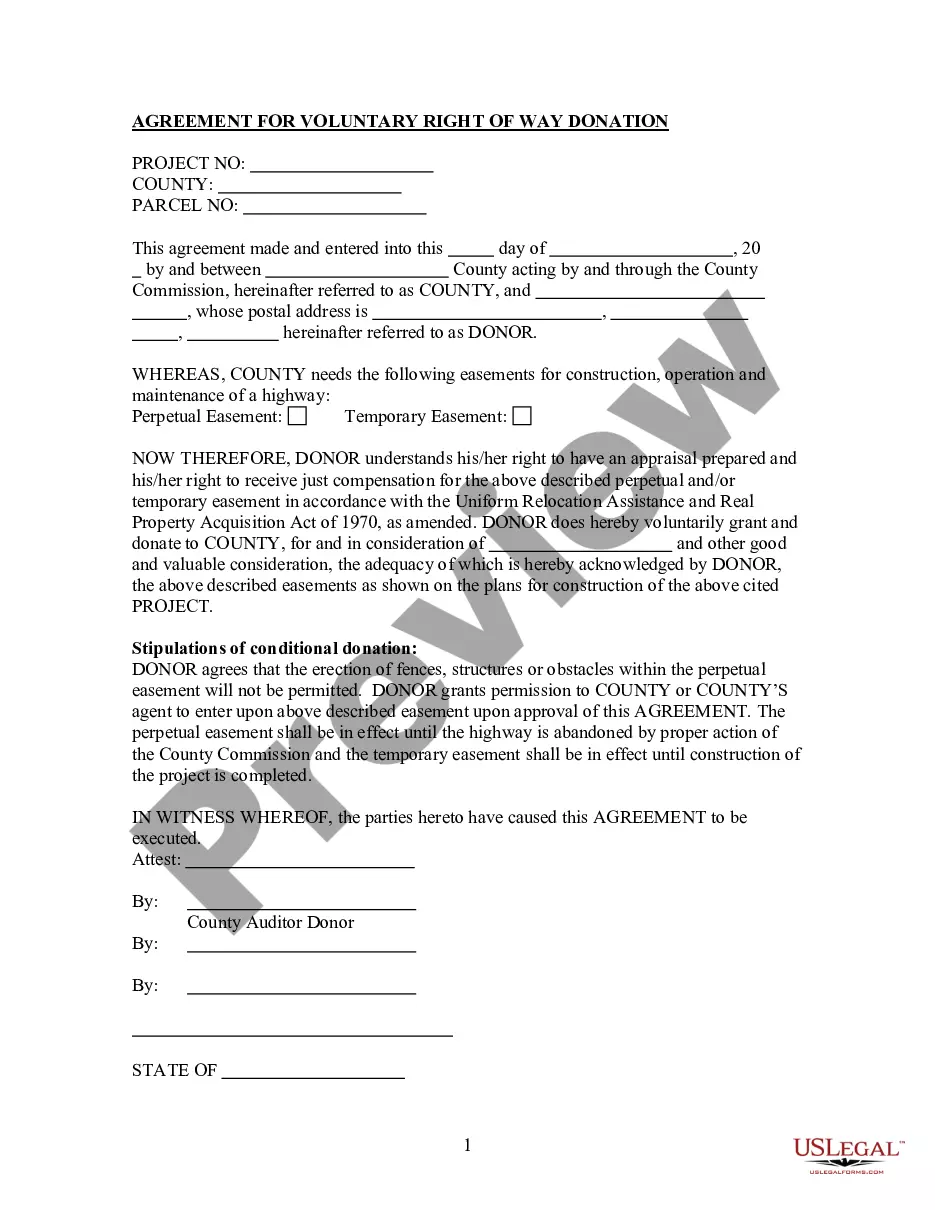
Identify and provide the names and contact information of the donor and the recipient organization or individual. Purpose of the donation. Describe the specific purpose or project for which the donated items or funds will be used, ensuring it is fully and clearly understood by both parties. Description of the donation.
Individuals, partnerships, and corporations file Form 8283 to report information about noncash charitable contributions when the amount of their deduction for all noncash gifts is more than $500.
