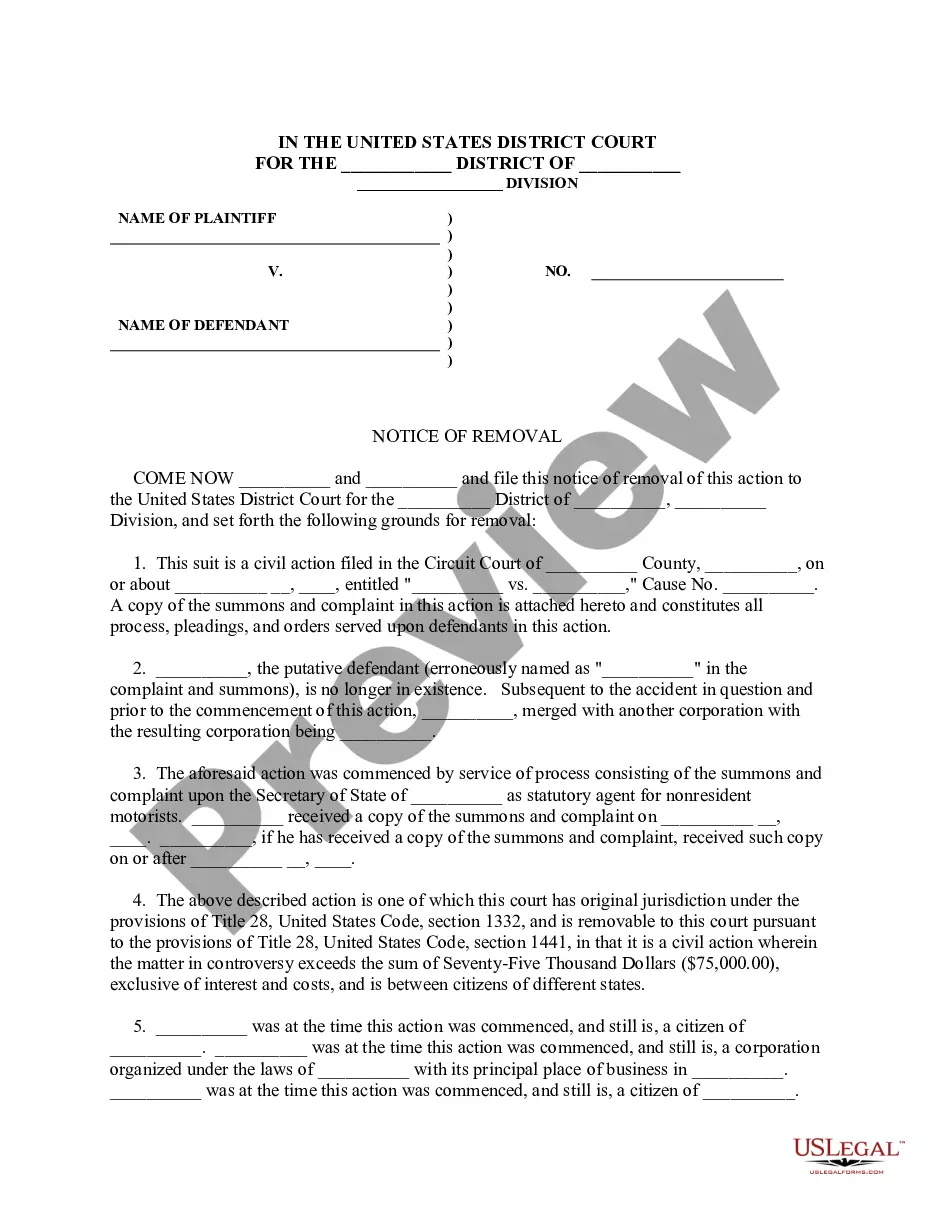
Deed Of Donation Without Land Title In Ohio
Description
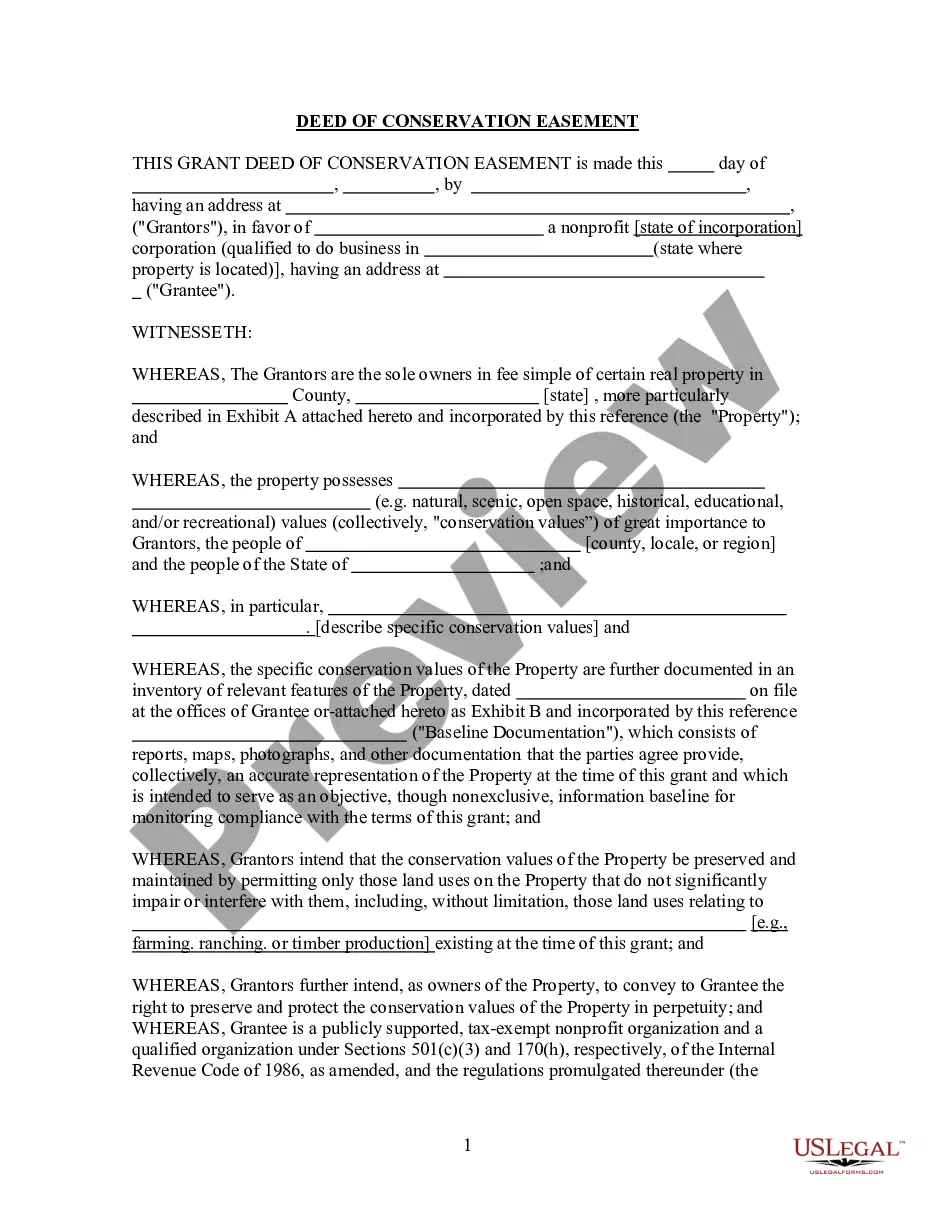
Get your form ready online
Our built-in tools help you complete, sign, share, and store your documents in one place.
Make edits, fill in missing information, and update formatting in US Legal Forms—just like you would in MS Word.
Download a copy, print it, send it by email, or mail it via USPS—whatever works best for your next step.
Sign and collect signatures with our SignNow integration. Send to multiple recipients, set reminders, and more. Go Premium to unlock E-Sign.
If this form requires notarization, complete it online through a secure video call—no need to meet a notary in person or wait for an appointment.
We protect your documents and personal data by following strict security and privacy standards.

Make edits, fill in missing information, and update formatting in US Legal Forms—just like you would in MS Word.

Download a copy, print it, send it by email, or mail it via USPS—whatever works best for your next step.

Sign and collect signatures with our SignNow integration. Send to multiple recipients, set reminders, and more. Go Premium to unlock E-Sign.

If this form requires notarization, complete it online through a secure video call—no need to meet a notary in person or wait for an appointment.

We protect your documents and personal data by following strict security and privacy standards.
Looking for another form?

Form popularity
FAQ
For a deed to be valid, it must contain several essential elements, including the operative words of conveyance, description of the property, signatures, delivery, proper formatting and execution, absence of defects and encumbrances, legal capacity of parties, proper recording, and voluntary execution.
Many people assume that a property deed and title are the same, but they are not. One is a document, while the other is a legal concept. When someone owns a property outright, they have both legal title and a deed. However, there are circumstances where you can have one without the other.
An attorney licensed to practice law in Ohio must prepare deeds, powers of attorney, and other instruments that are to be recorded.
In Ohio, a quitclaim deed must be in writing and signed by the grantor in front of a notary public. It must also be recorded with the county recorder in the county where the property is located.
How to create a Transfer on Death for your home Choose your recipients. You can choose one or more people to become owner of any home or land that you own. Find a copy of your deed. Complete the TOD for real estate form. Take the form to a notary. Submit the form at your County Recorder's Office.
The grantor must sign the deed form and that signature must be properly acknowledged by a notary public. All signatures must be original; we cannot accept photocopies. A complete description of the property including the village, town, county and state where the property is located must also be included on the form.
When you buy a home, you need both the deed and the title; one isn't better than the other. The title is the concept of legal ownership while the deed is the document that proves ownership. Moreover, you can't have a valid house deed if you don't hold title.
How to create a Transfer on Death for your home Choose your recipients. You can choose one or more people to become owner of any home or land that you own. Find a copy of your deed. Complete the TOD for real estate form. Take the form to a notary. Submit the form at your County Recorder's Office.