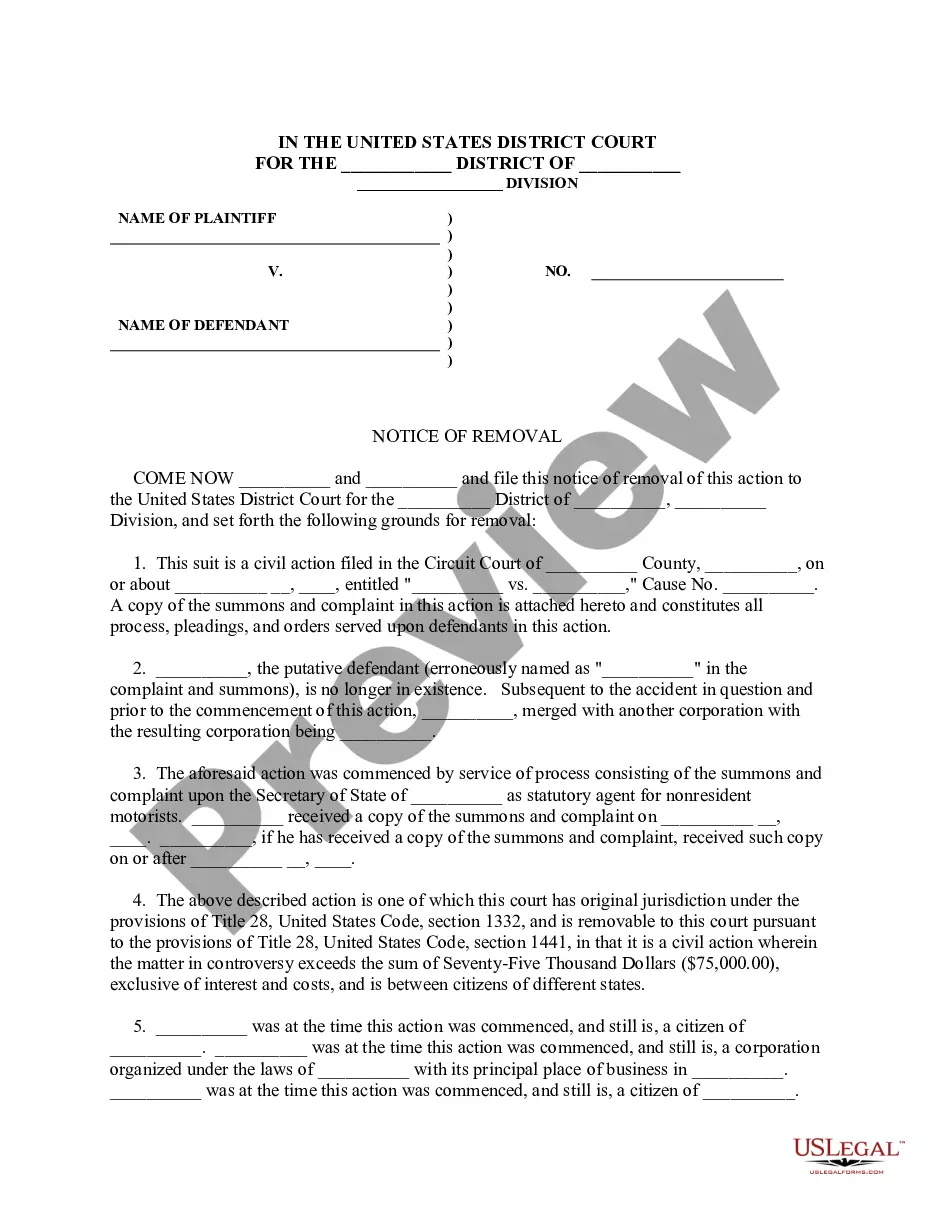
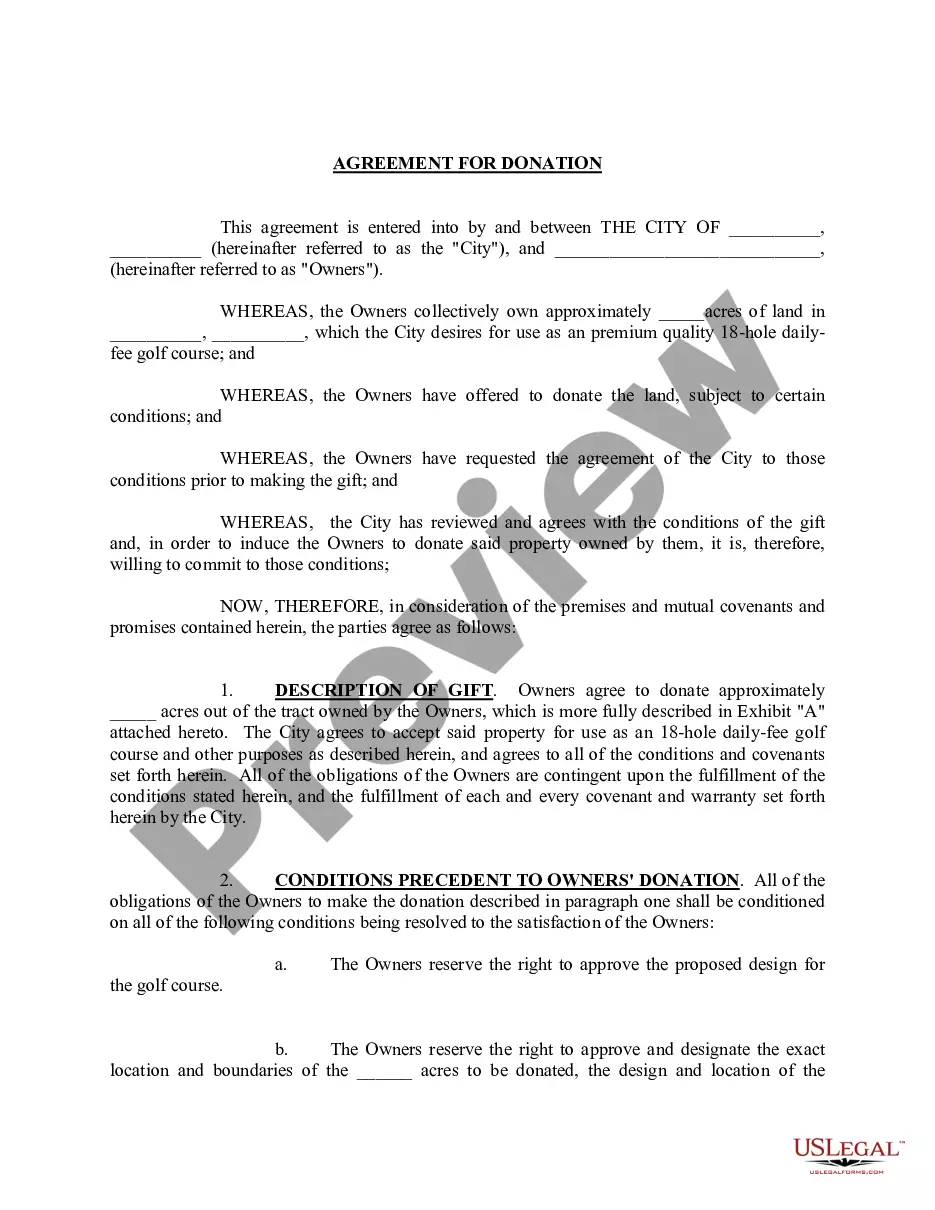
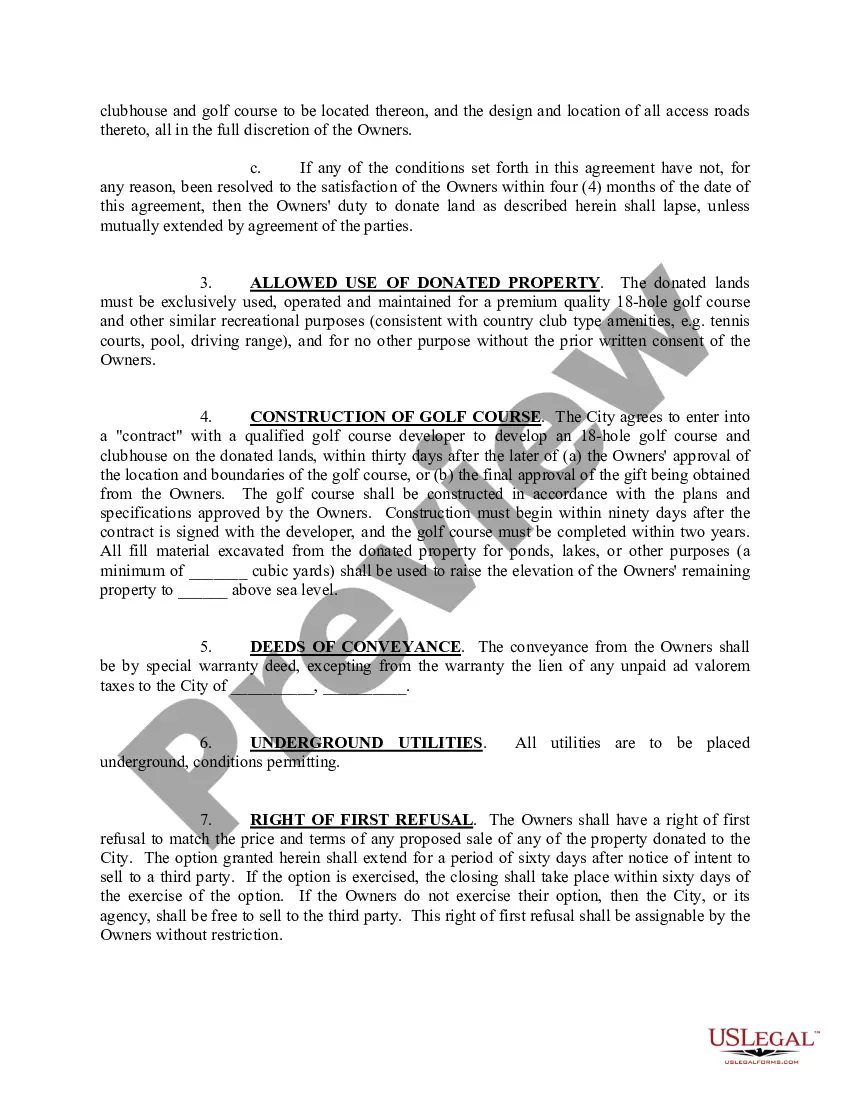
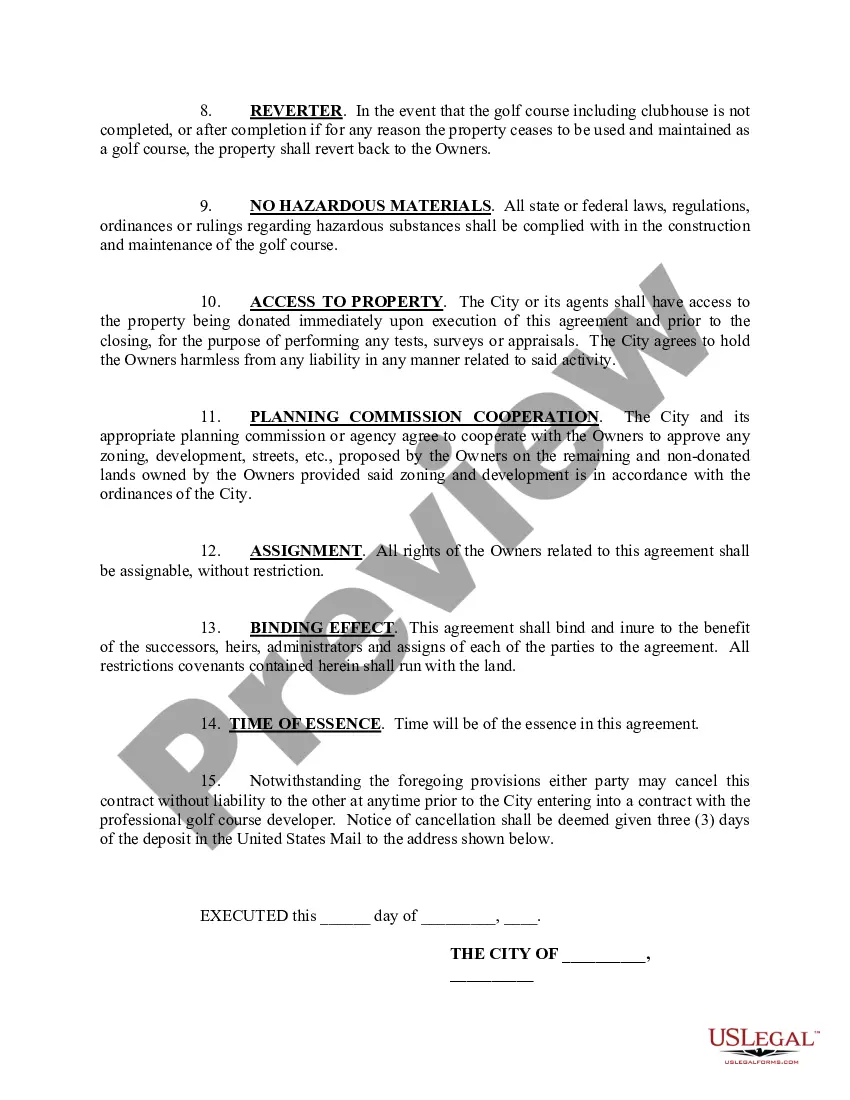
Deed Of Donation Without Land Title In Riverside
Description

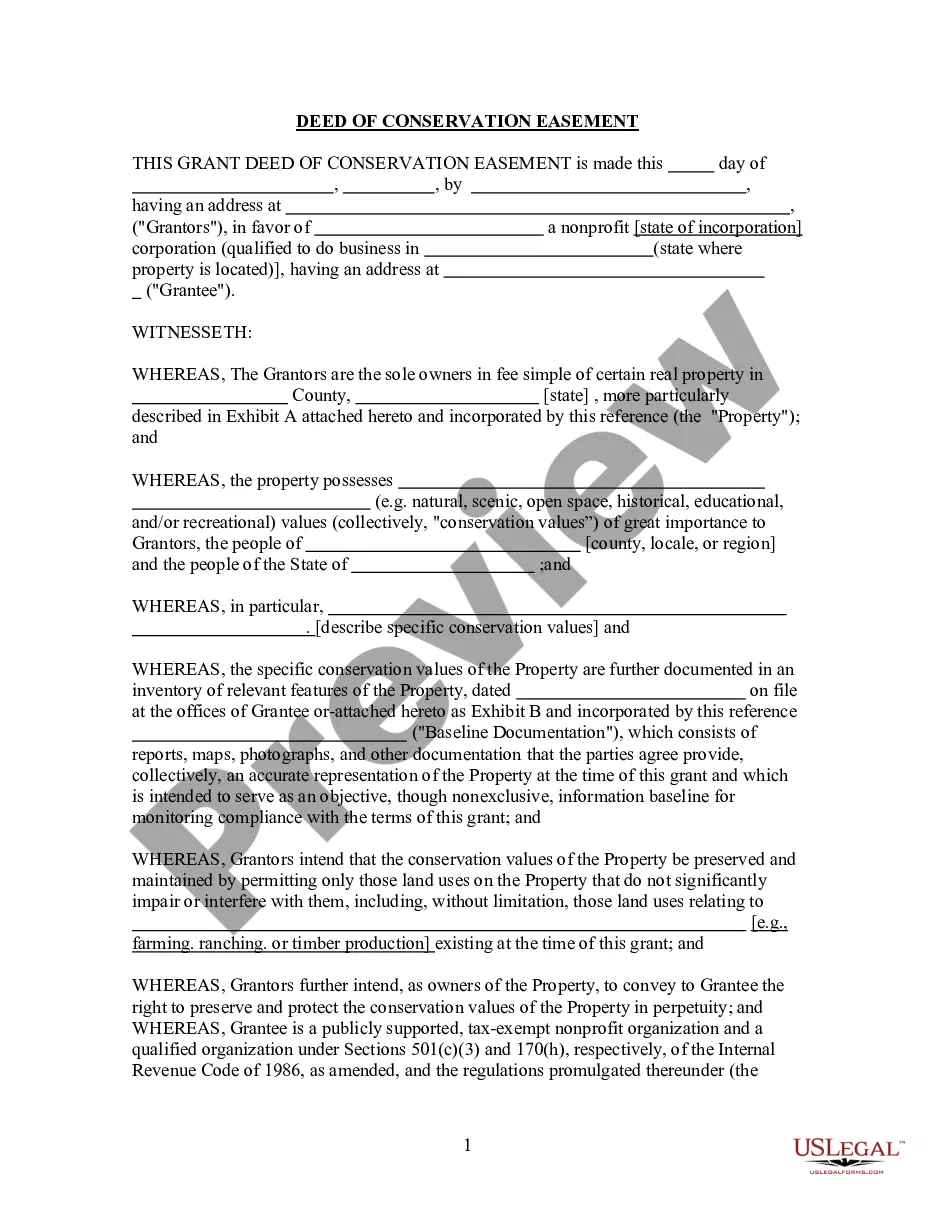
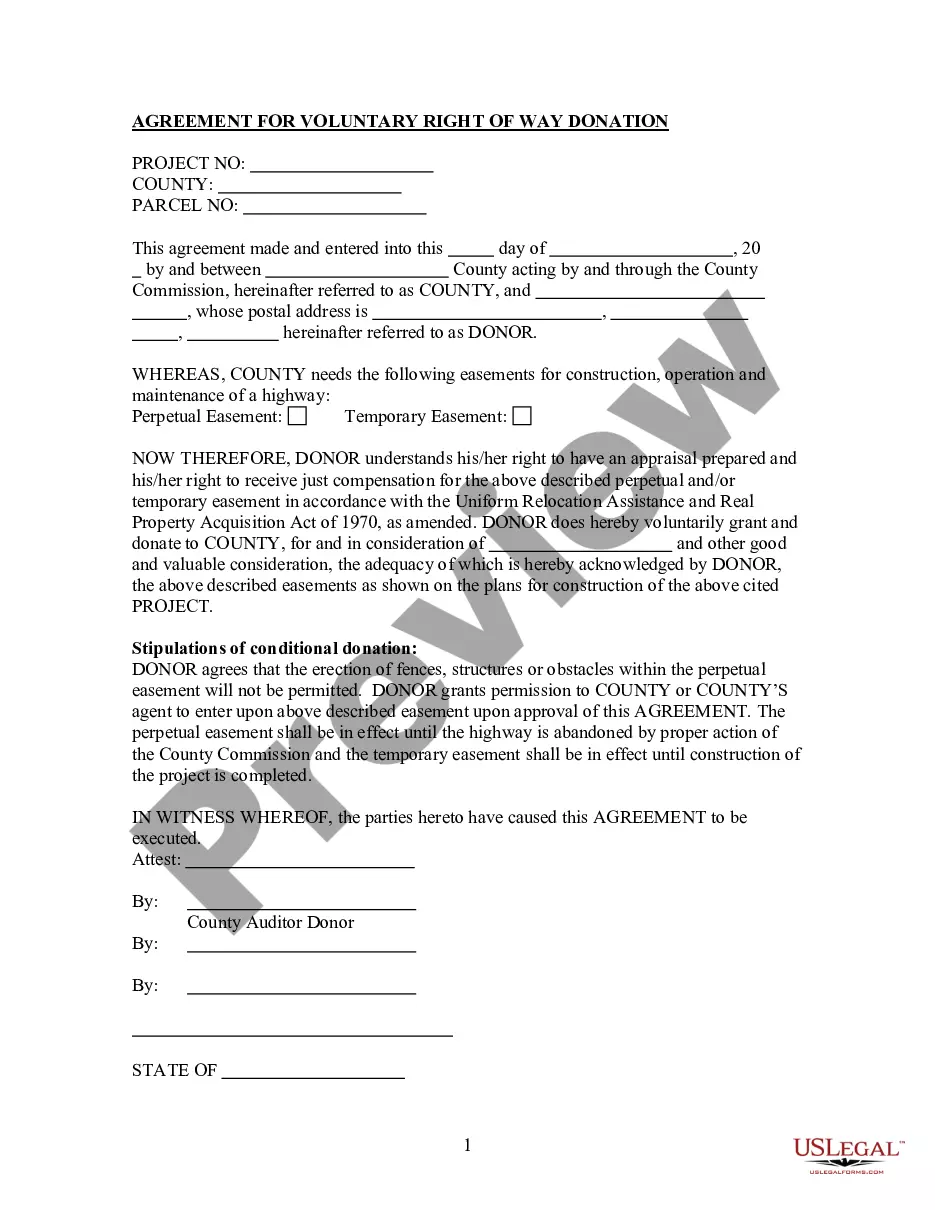
Get your form ready online
Our built-in tools help you complete, sign, share, and store your documents in one place.
Make edits, fill in missing information, and update formatting in US Legal Forms—just like you would in MS Word.
Download a copy, print it, send it by email, or mail it via USPS—whatever works best for your next step.
Sign and collect signatures with our SignNow integration. Send to multiple recipients, set reminders, and more. Go Premium to unlock E-Sign.
If this form requires notarization, complete it online through a secure video call—no need to meet a notary in person or wait for an appointment.
We protect your documents and personal data by following strict security and privacy standards.

Make edits, fill in missing information, and update formatting in US Legal Forms—just like you would in MS Word.

Download a copy, print it, send it by email, or mail it via USPS—whatever works best for your next step.

Sign and collect signatures with our SignNow integration. Send to multiple recipients, set reminders, and more. Go Premium to unlock E-Sign.

If this form requires notarization, complete it online through a secure video call—no need to meet a notary in person or wait for an appointment.

We protect your documents and personal data by following strict security and privacy standards.
Looking for another form?
Form popularity
FAQ
In Vermont, all land records are recorded and preserved at the local level, primarily in the office of the clerk of the town where the property is located.
You'll find most California property deeds at the County Clerk's office, also called the Registrar/Recorder office. Some of them provide online searches. Others require visiting their offices. For example, the San Diego County Clerk's Office provides online searches.
How do I get a grant deed in California? In California, grant deeds are filed at the county assessor's office with a Preliminary Change of Ownership Request, applicable fees and a Tax Affidavit. All must be notarized for legal transfer and recording.
Property records are public. People may use these records for background information on purchases, mortgages, asset searches, and other legal and financial transactions.
Adding A Family Member To A Property Title Choose the most appropriate deed. Prepare the deed. Complete the deed with accurate information about the property and the person being added. Sign the deed in the presence of a notary public. File the deed with the county recorder's office. Update the property records.
A Quitclaim Deed could also serve as a means for transferring ownership between individuals, although a Grant Deed might also be suitable for this purpose. When ownership is transferred without a financial transaction, potential legal and tax implications should be addressed.
To add a family member to the deed, you would typically use a grant deed or a quitclaim deed. This process involves preparing the deed, ensuring it contains all necessary legal elements, and then recording it with the county recorder's office where the property is located.
Please allow 6-8 weeks to receive your original recorded document back in the mail. Documents are not processed on weekends or on official Riverside County holidays. The County of Riverside is not responsible for the delivery of mail by the United States Post Office or any other delivery service. Prepare your document.
Transfer to Family Members This can be done using a grant deed or a quitclaim deed. However, grant deeds are preferable as they guarantee that the property hasn't been sold to someone else. A quitclaim deed does not provide such assurance.