Assets Asset Purchase For Credit In San Diego
Description
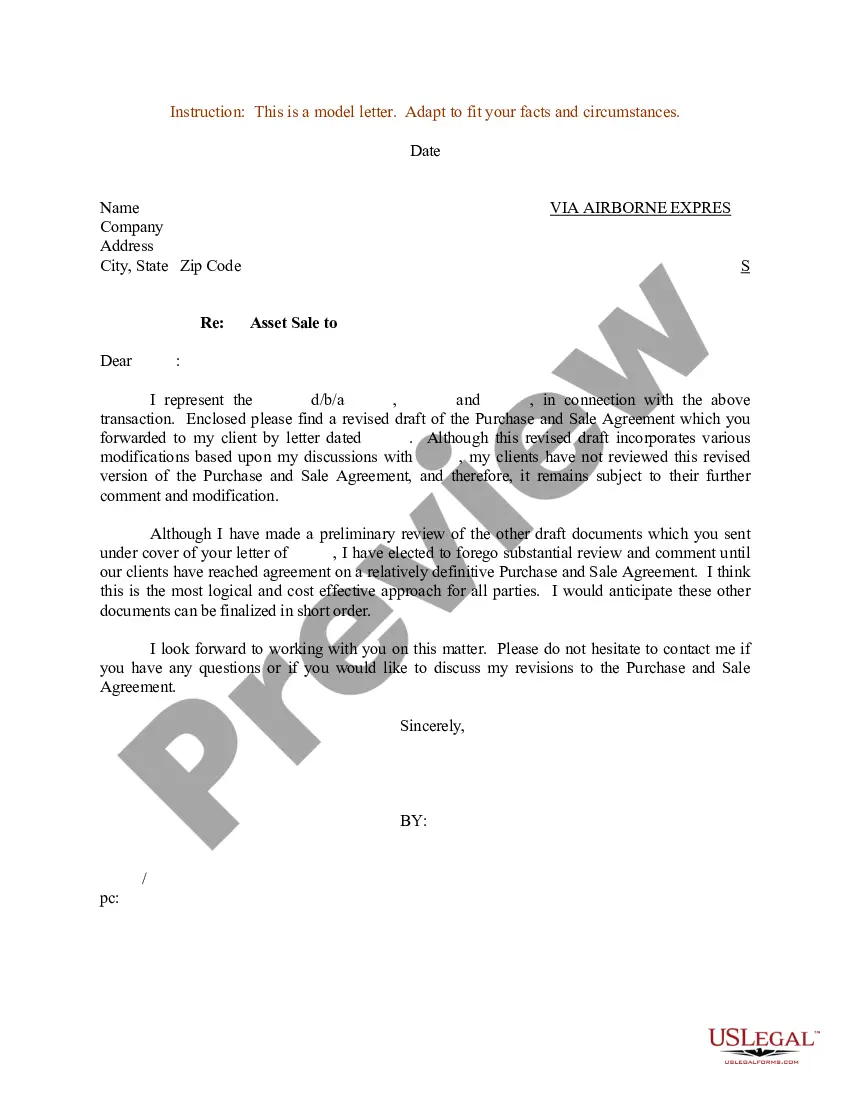
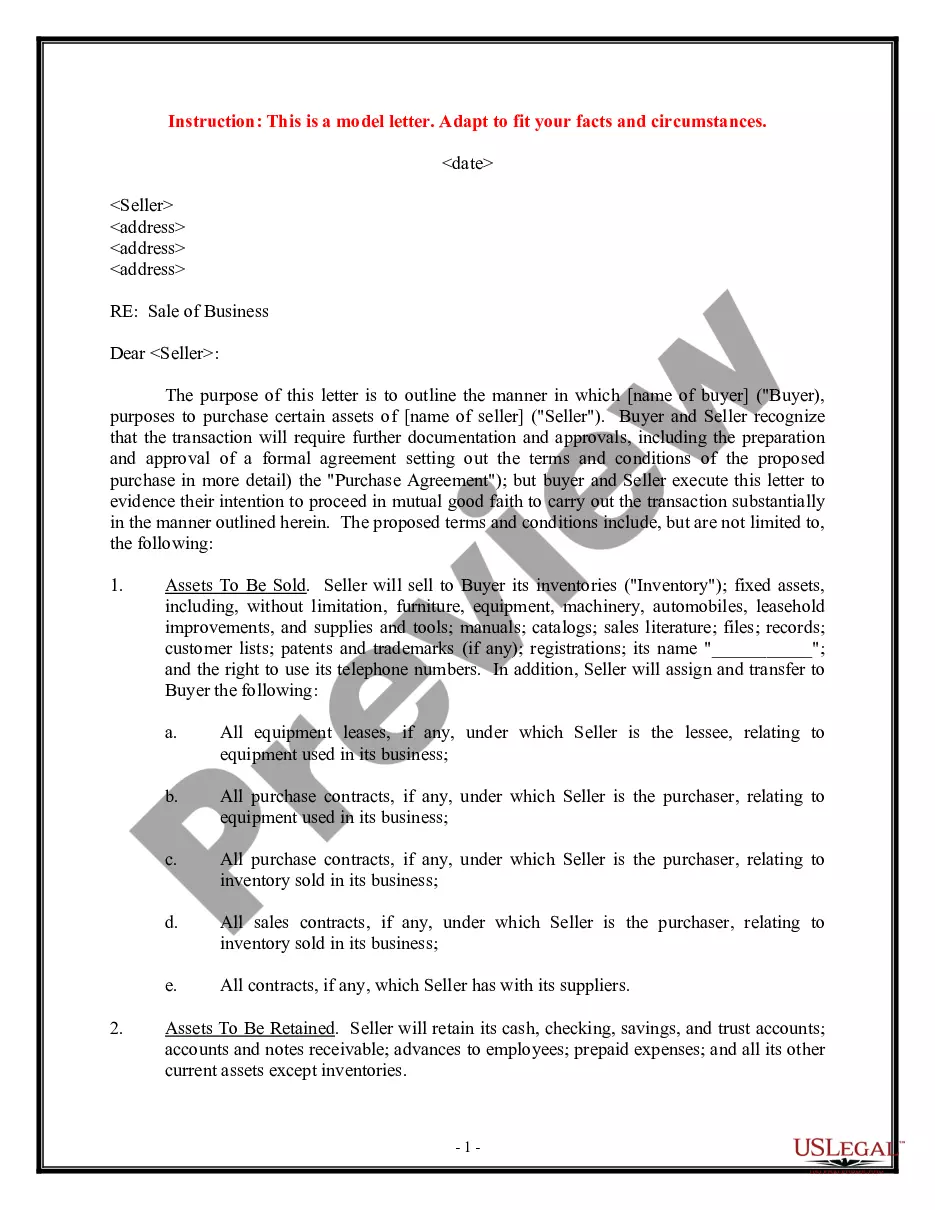
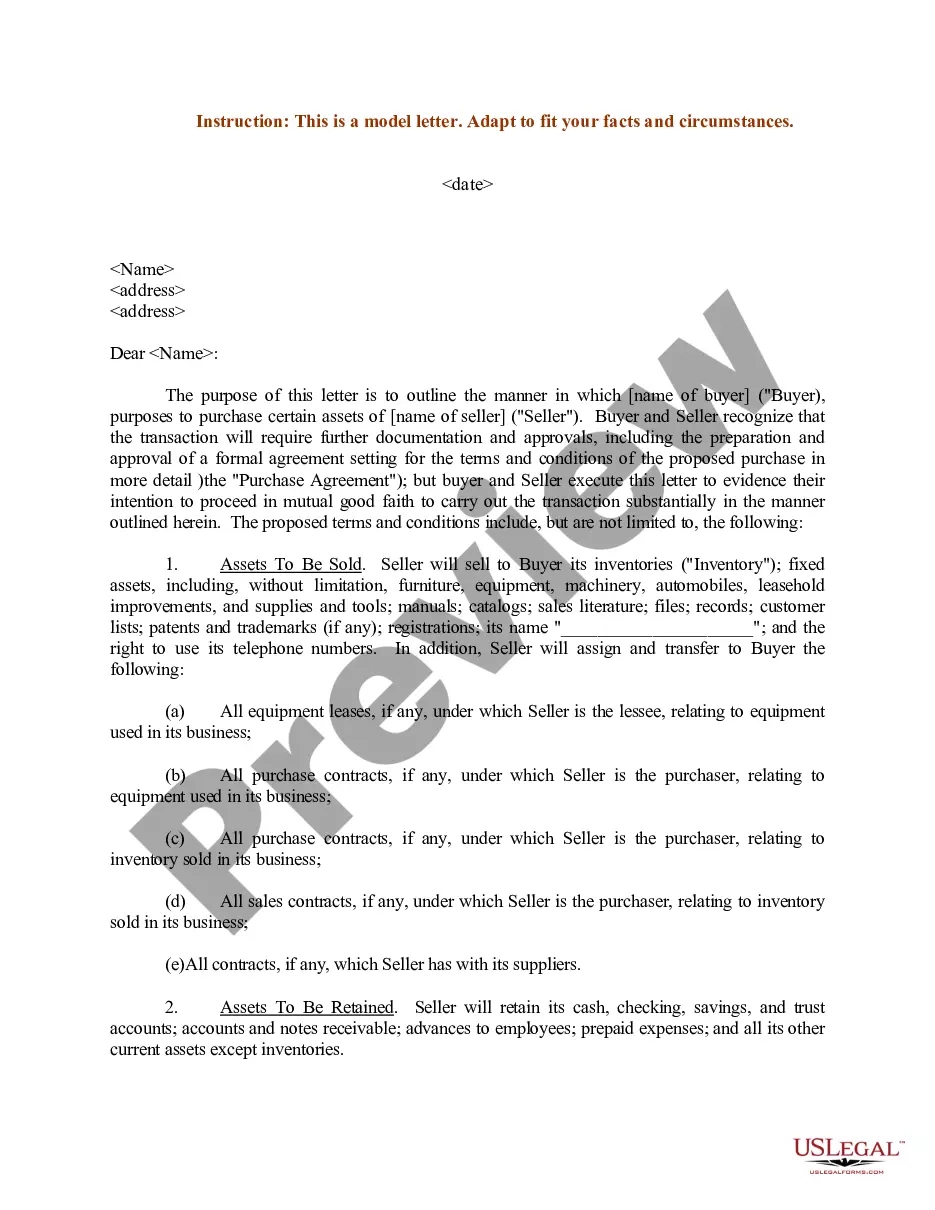
Get your form ready online
Our built-in tools help you complete, sign, share, and store your documents in one place.
Make edits, fill in missing information, and update formatting in US Legal Forms—just like you would in MS Word.
Download a copy, print it, send it by email, or mail it via USPS—whatever works best for your next step.
Sign and collect signatures with our SignNow integration. Send to multiple recipients, set reminders, and more. Go Premium to unlock E-Sign.
If this form requires notarization, complete it online through a secure video call—no need to meet a notary in person or wait for an appointment.
We protect your documents and personal data by following strict security and privacy standards.

Make edits, fill in missing information, and update formatting in US Legal Forms—just like you would in MS Word.

Download a copy, print it, send it by email, or mail it via USPS—whatever works best for your next step.

Sign and collect signatures with our SignNow integration. Send to multiple recipients, set reminders, and more. Go Premium to unlock E-Sign.

If this form requires notarization, complete it online through a secure video call—no need to meet a notary in person or wait for an appointment.

We protect your documents and personal data by following strict security and privacy standards.
Looking for another form?
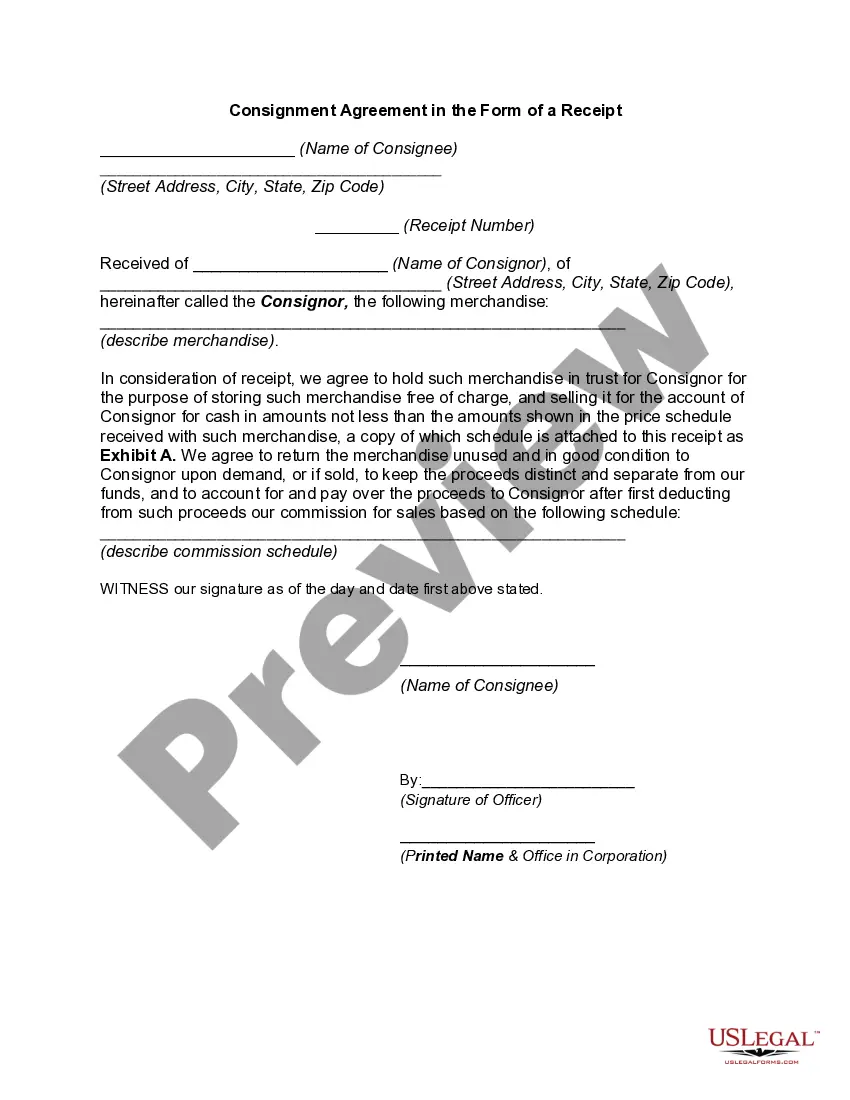
Form popularity
FAQ
When goods are purchased on credit, the two accounts that get impacted are the stock account which is an asset and creditors account which is a liability. Hence, there won't be any change in the value of capital in the accounting equation.
A company's liabilities are obligations or debts to others, such as loans or accounts payable. A credit increases liabilities, while a debit decreases them. For example, when a company buys $10,000 worth of inventory on credit, it debits inventory and credits accounts payable (the liability).
The Capital Asset Request Form must be submitted for all requests involving capital assets that are inventoried or to be inventoried in the Oracle Fixed Asset module.
Investing in assets can help businesses expand their operations, become more profitable, increase the value of a company, and provide a certain level of security even in difficult times. One of the main benefits of investing in assets is that it can help businesses generate income.
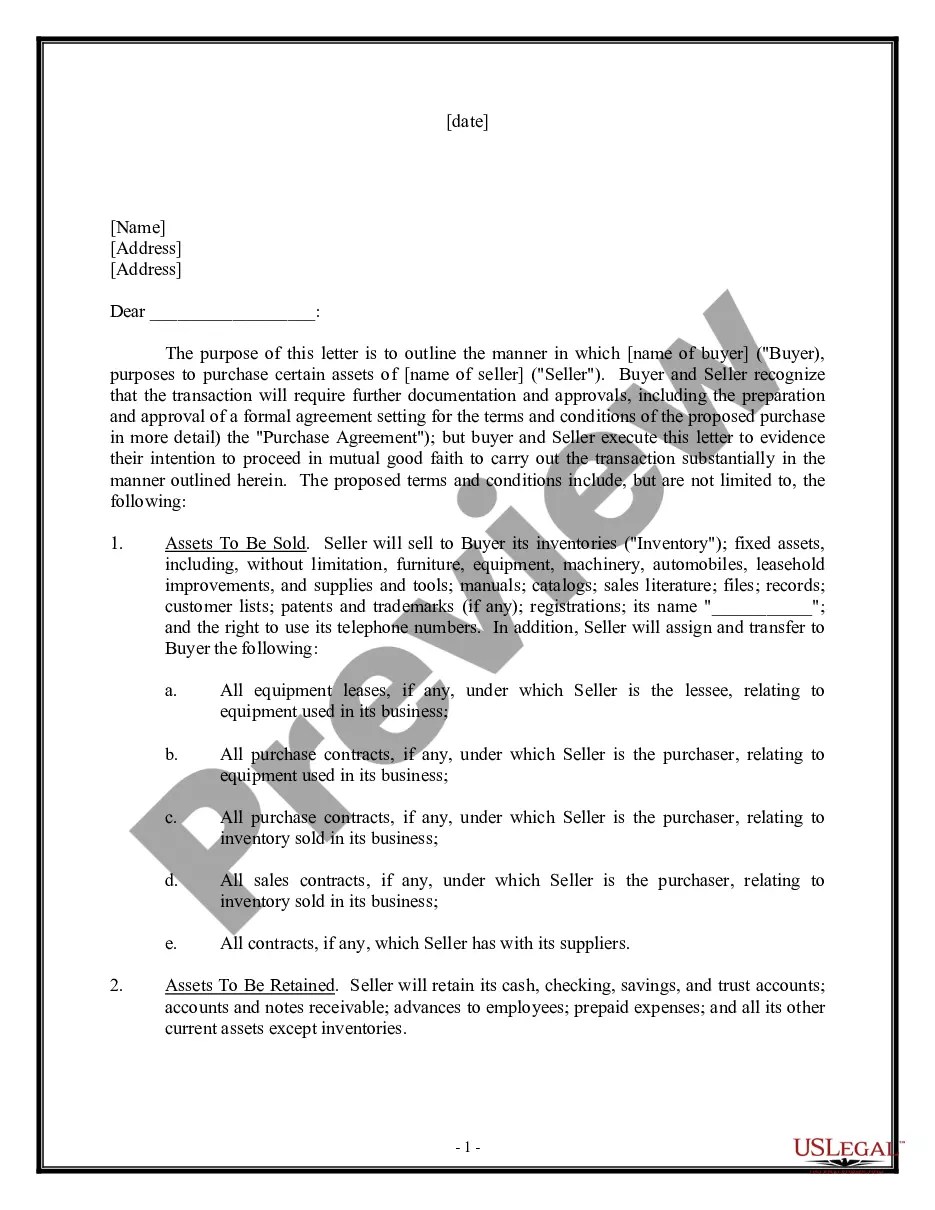
In an asset transaction, the company sells some or all of its business assets (which can include inventory, equipment, buildings, working capital, accounts receivable, intellectual property, contracts, etc.) to a buyer, but the company itself is not sold.
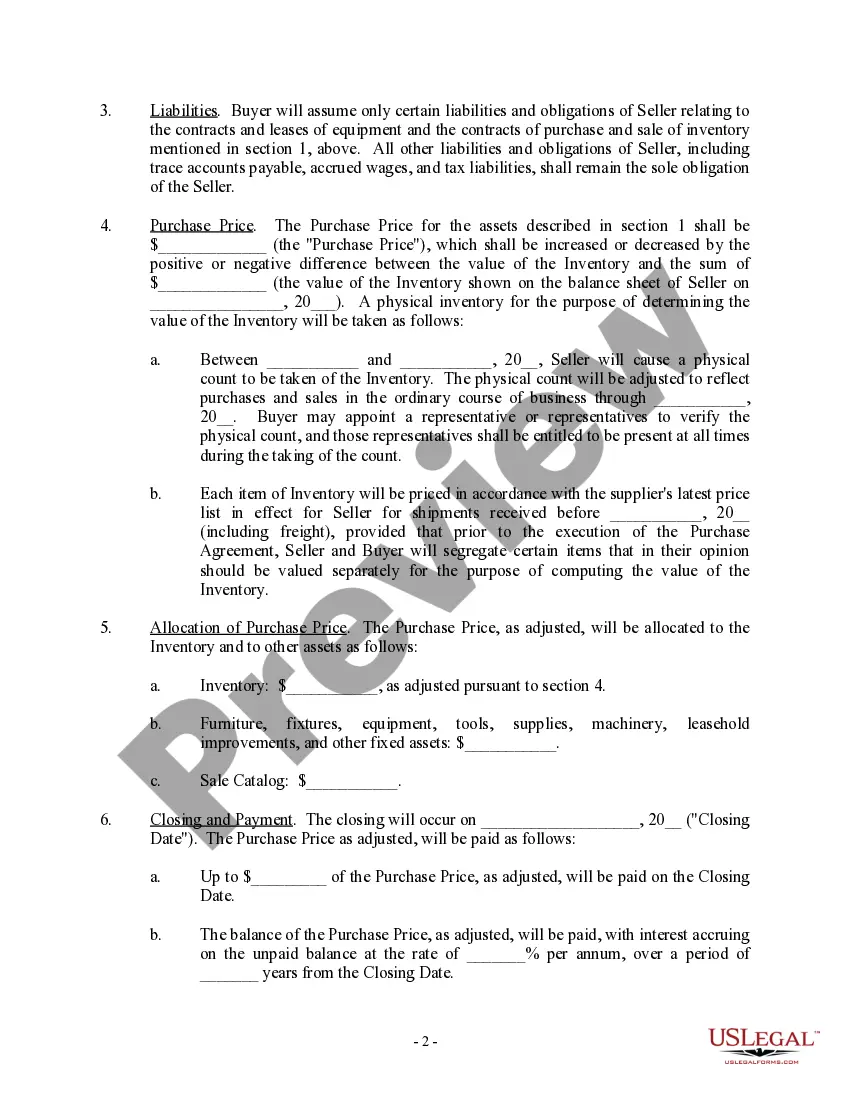
With an asset sale, the buyer purchases ownership of a company's assets such as inventory, equipment, and accounts receivable and they aren't responsible for any liabilities associated with the existing business – other than those they deliberately elect to assume.
An asset sale occurs when a company transfers ownership of one or more resources to another company. Assets included in a sale may be physical objects or clerical. Asset sales serve a variety of goals such as increasing liquidity for a company and lowering its asset-related risks.
