Sample Management Contract For House Rental Tagalog In King
Description


Form popularity
FAQ
While the roles of a property manager can vary from day to day, a property manager's first responsibility to the owner is always to protect and manage their investment professionally. This includes preserving or increasing the property's value, maximizing rental income, and maintaining a high occupancy rate.
Property management is the daily oversight of residential, commercial, or industrial real estate by a third-party contractor. Generally, property managers take responsibility for day-to-day repairs and ongoing maintenance, security, and upkeep of properties.
Here are 16 steps on how to make a lease agreement: Include the contact information of both parties. Include property details. Outline property utilities and services. Define the lease term. Disclose the monthly rent amount and due date. Detail the penalties and late fees. Describe any additional or services fees.
While the roles of a property manager can vary from day to day, a property manager's first responsibility to the owner is always to protect and manage their investment professionally. This includes preserving or increasing the property's value, maximizing rental income, and maintaining a high occupancy rate.
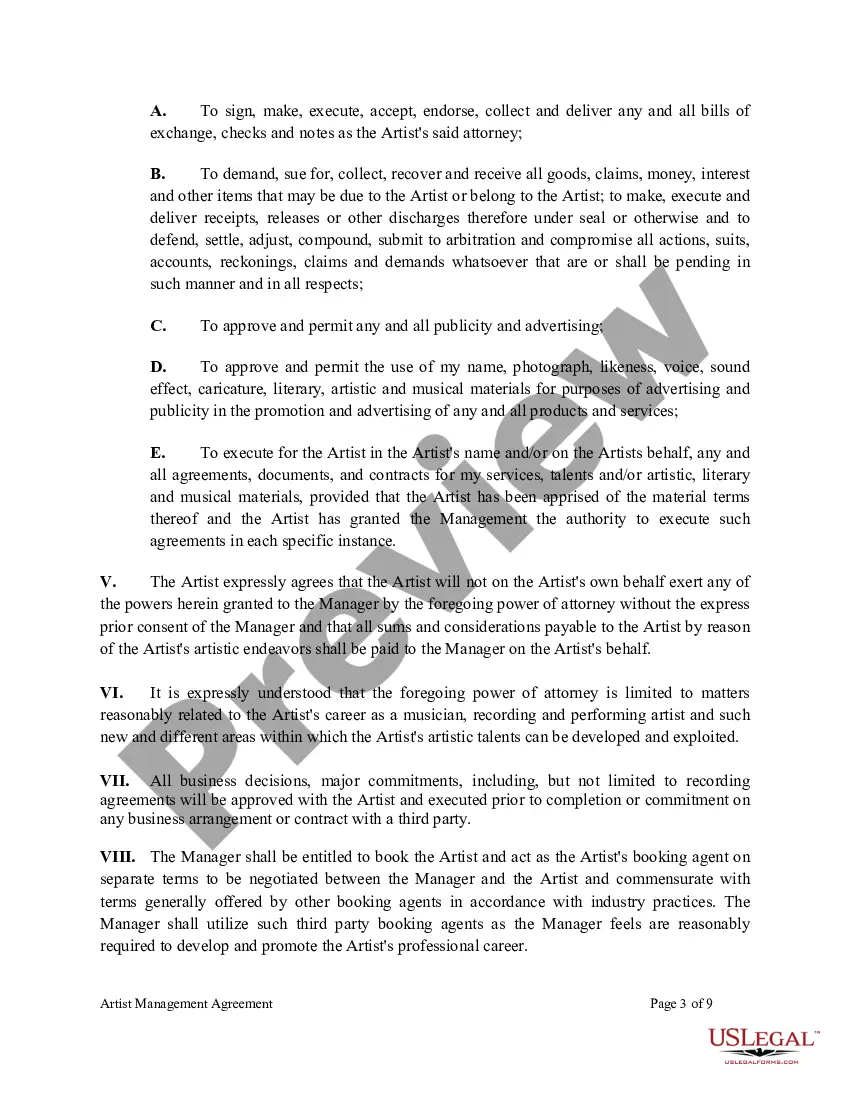
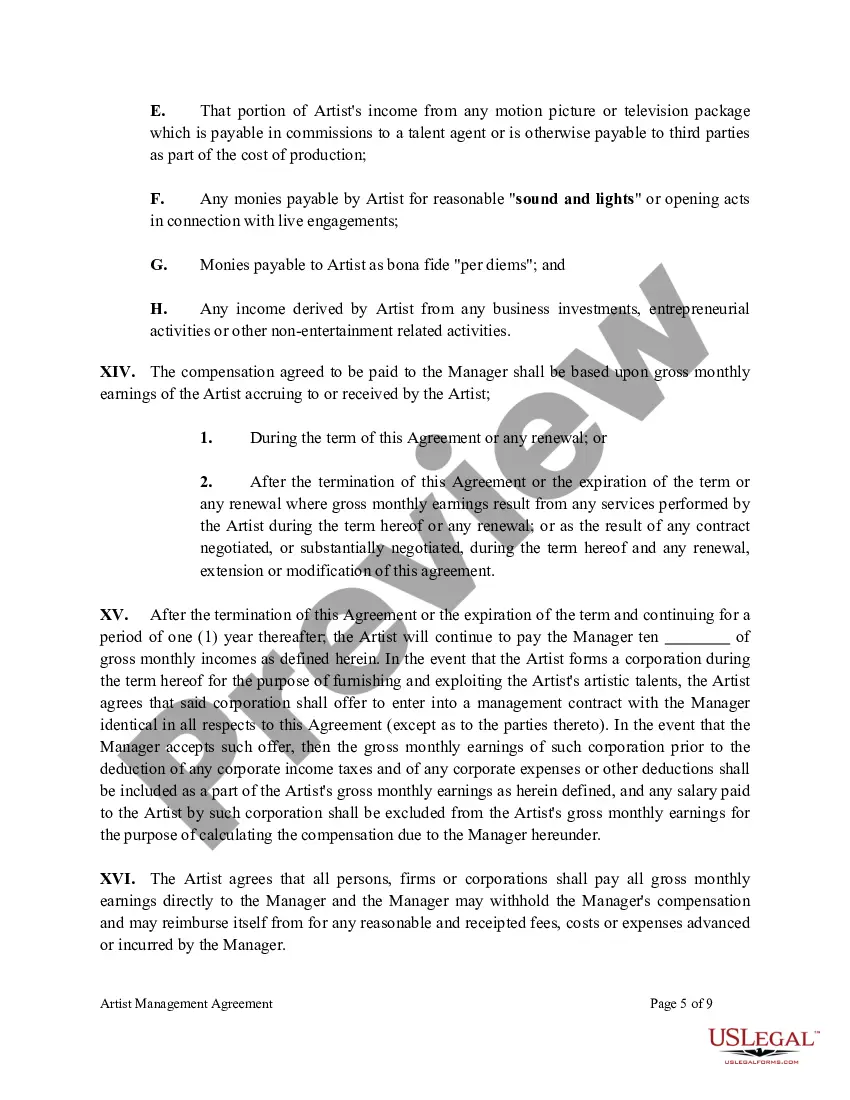
The agreement should outline the fees and compensation structure for the property management services. This may include a percentage of the monthly rent, flat fees, leasing fees, maintenance charges, and any additional expenses that the property owner might be responsible for.
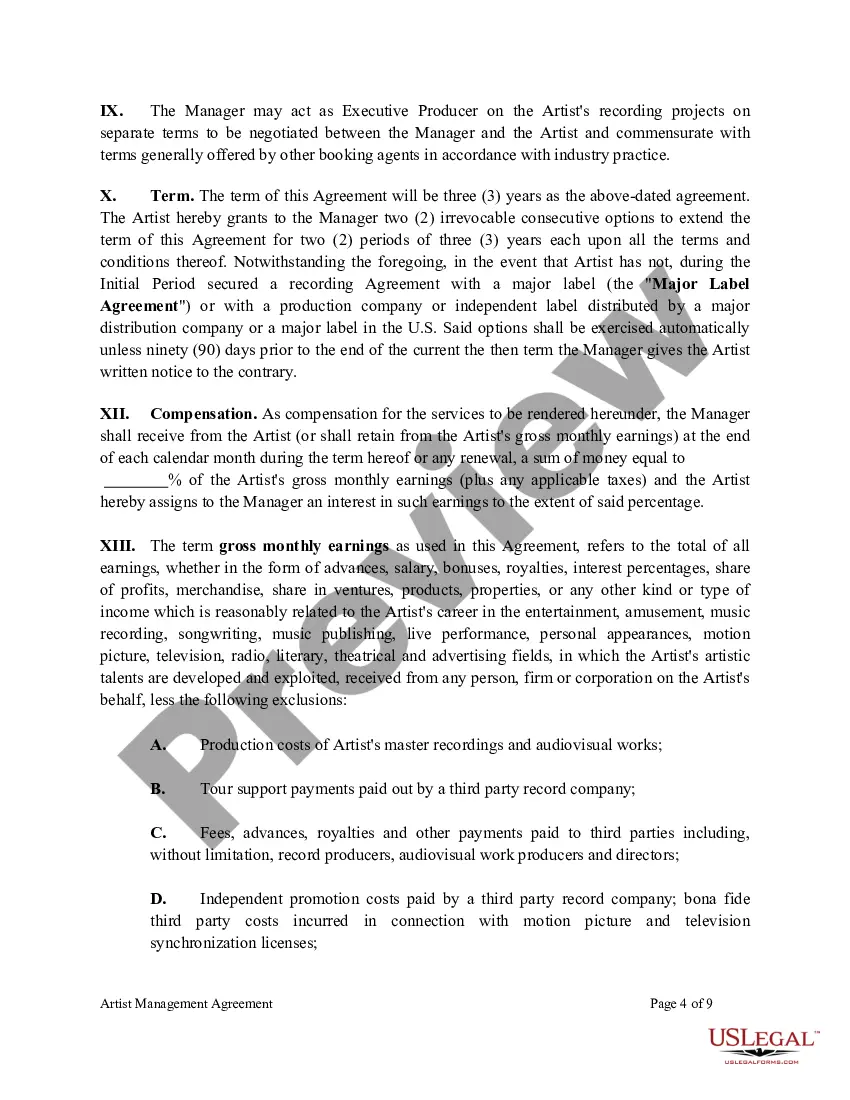
A residential property management agreement form must include the scope of services, fees, and the responsibilities of both parties. It should also specify how and when the agreement can be terminated to avoid confusion later on.
A property management agreement should include: The property management services provided and any additional fees. The responsibilities of the property owner. An Equal Housing Opportunity section that supports both state and federal fair housing laws. A clause for the property manager's liability in the case of neglect.
Management Agreement Essentials There are some items in the property management agreement that should be non-negotiable and likely unchanging throughout the relationship. Those items would be the Fair Housing, liability, contract duration, and termination clauses.
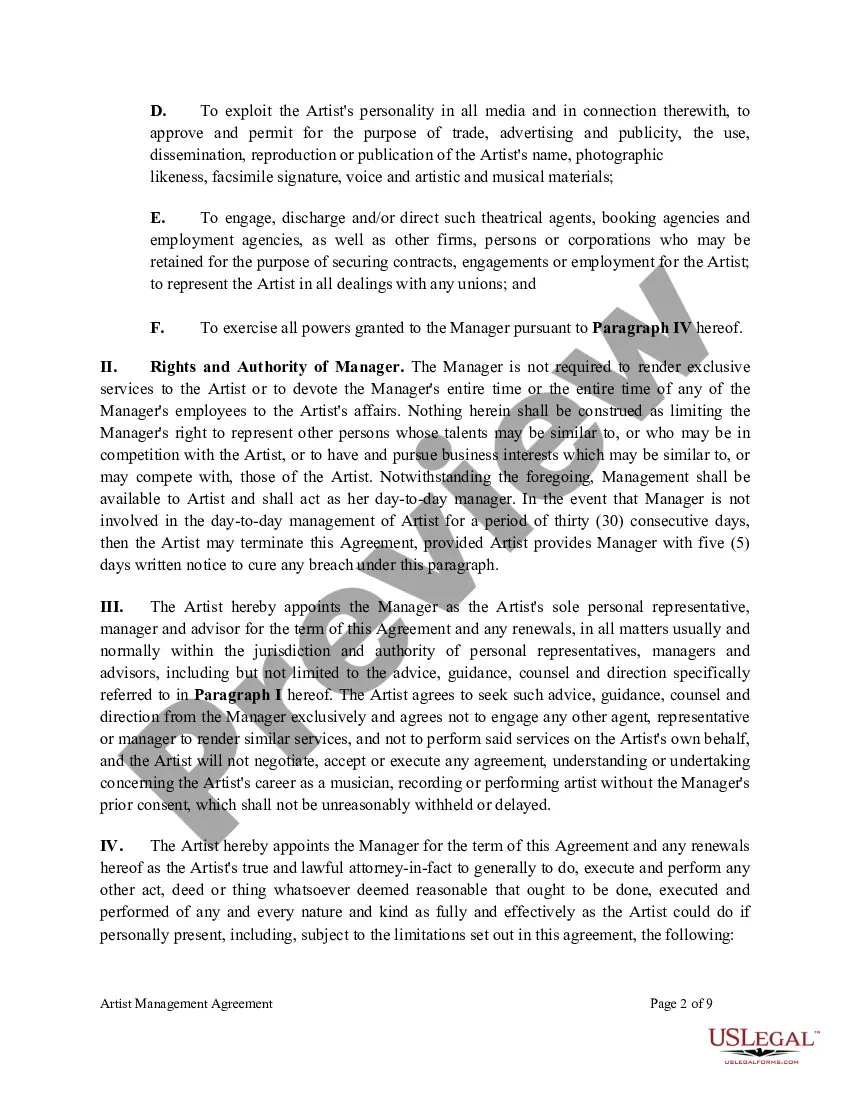
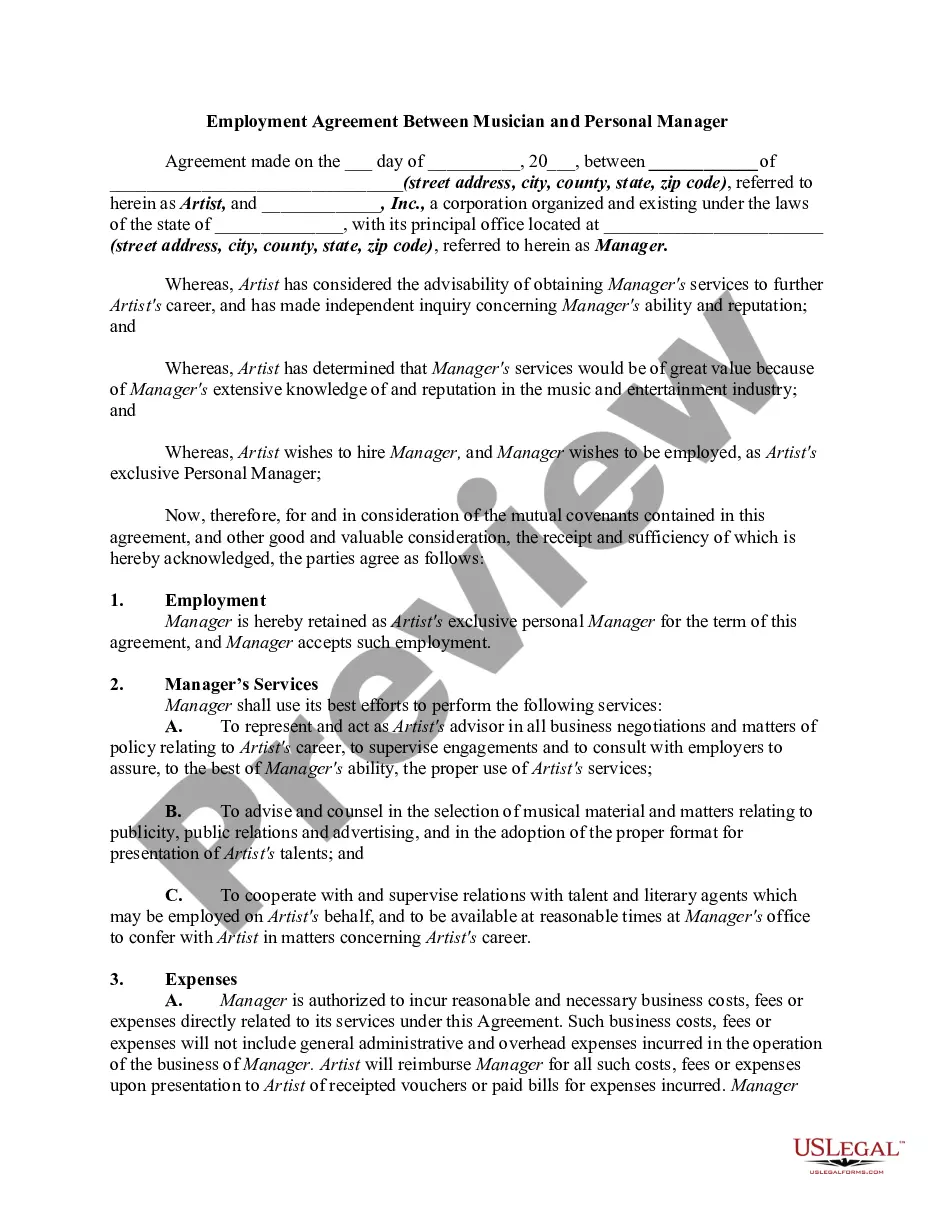
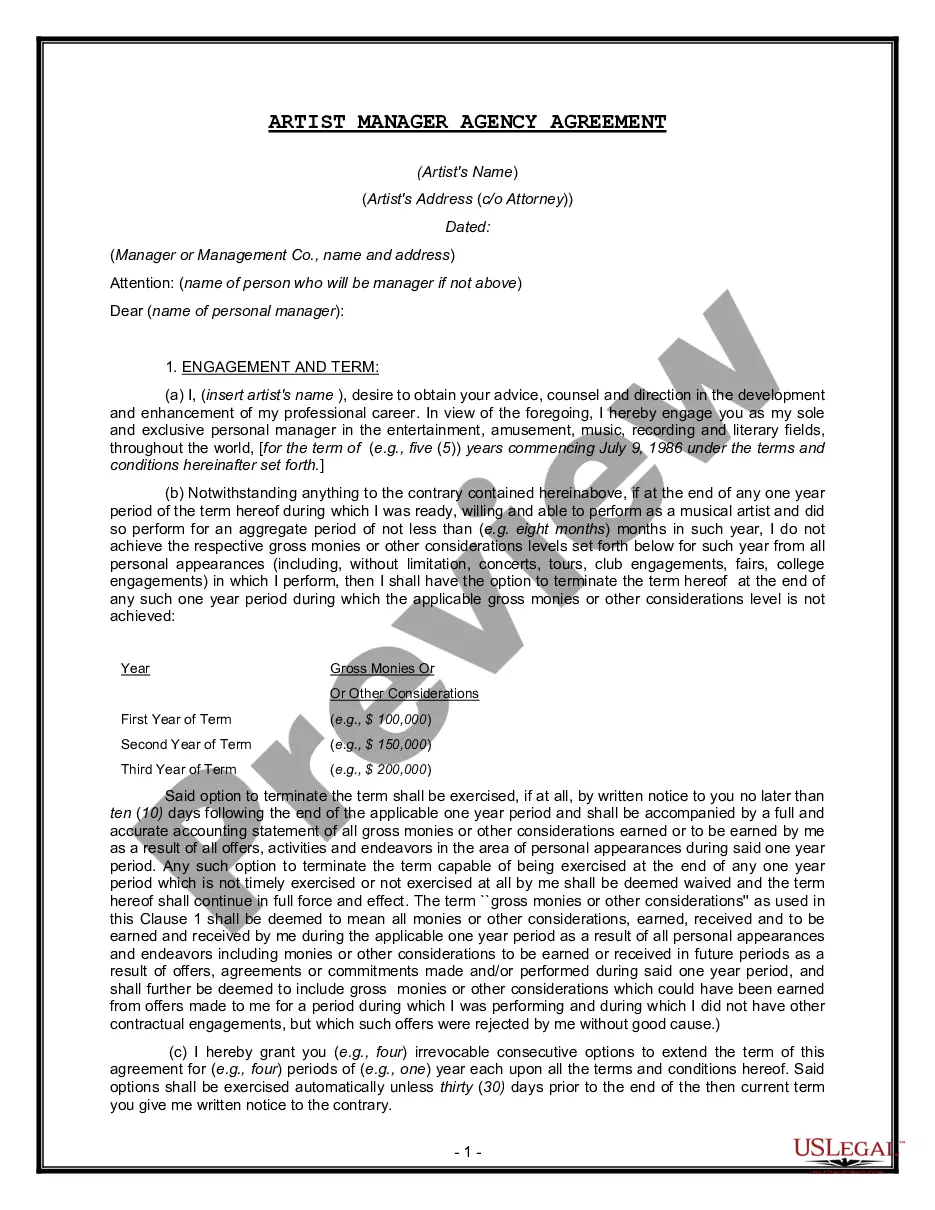
A property management agreement is a contract between a property owner and the management firm. It outlines how that company will run the rental property's daily operations. Therefore, this document aims to define what services are the responsibility of the property manager and what tasks remain with the owner.
Property managers have legal responsibilities as well, but they are not the legal owner of the property. They must follow all legal requirements and ensure the landlord complies with all regulations.
