Artist Agreement Form Statement With Art In Maricopa
Description


Form popularity
FAQ
Here's an example: “Art has always been my muse, guiding my life's path towards creative expression. From the moment I held a paintbrush, I knew that art was more than just colors on a canvas; it was a form of storytelling, a means to connect with the world and express the deepest facets of my being.”
What Is an Artist's Statement? A general introduction to your work, a body of work, or a specific project. It should open with the work's basic ideas in an overview of two or three sentences or a short paragraph. The second paragraph should go into detail about how these issues or ideas are presented in the work.
Don't use unnecessary jargon. Avoid words, phrases, and ideas that are so specific to your discipline that a general arts reader might not understand them.
As well as explaining your main idea and approach to the work, the statement should also demonstrate a personal style inquiry; what the work means to the artist and their personal experience.
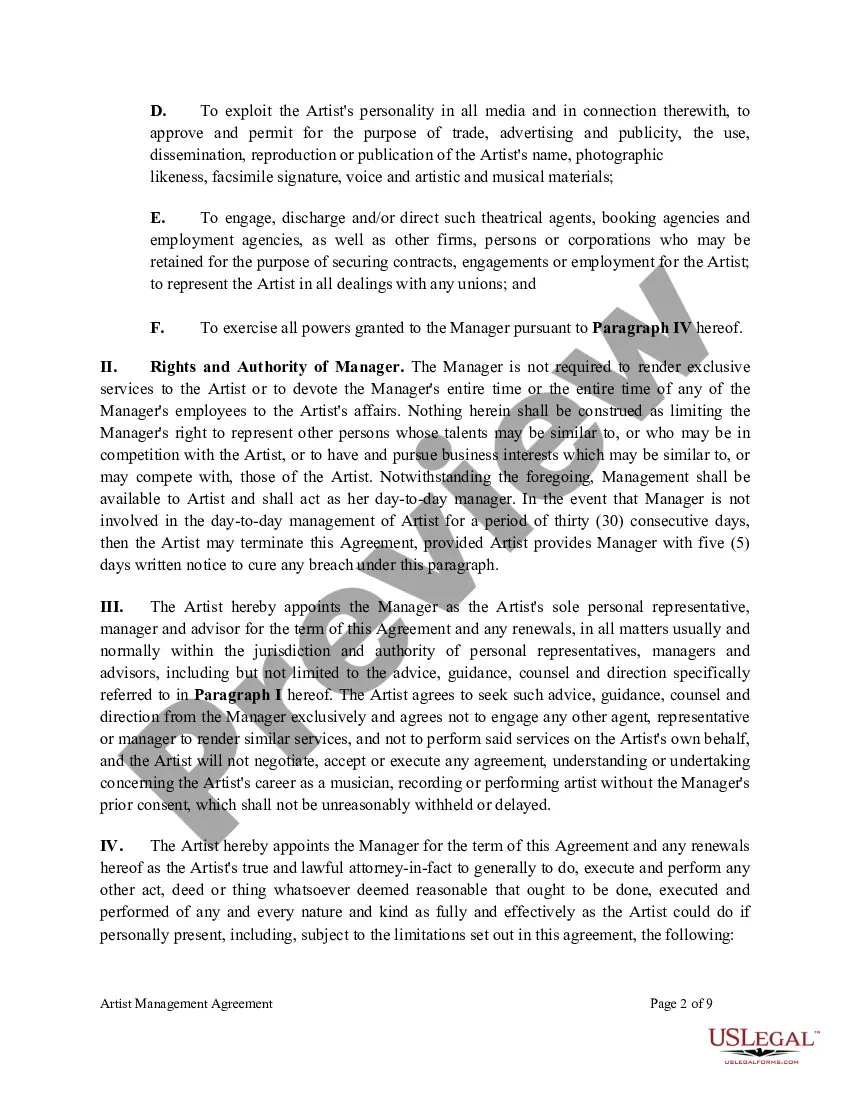
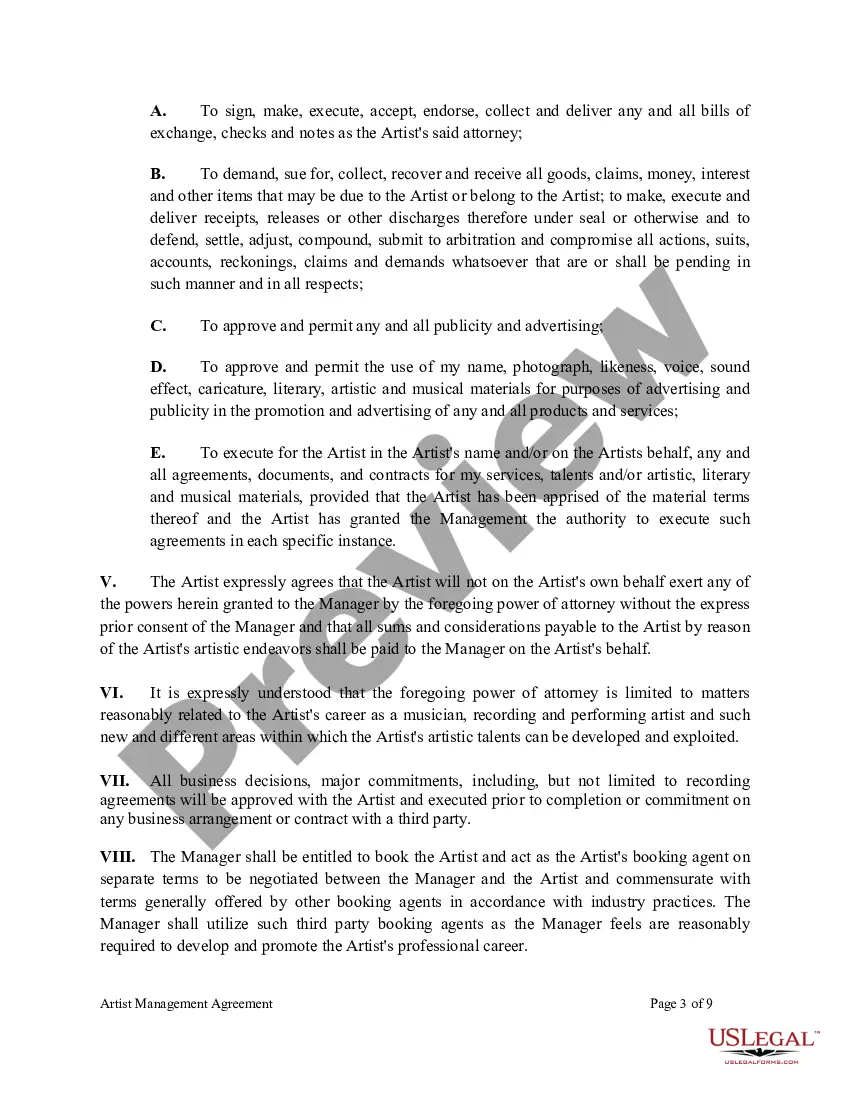
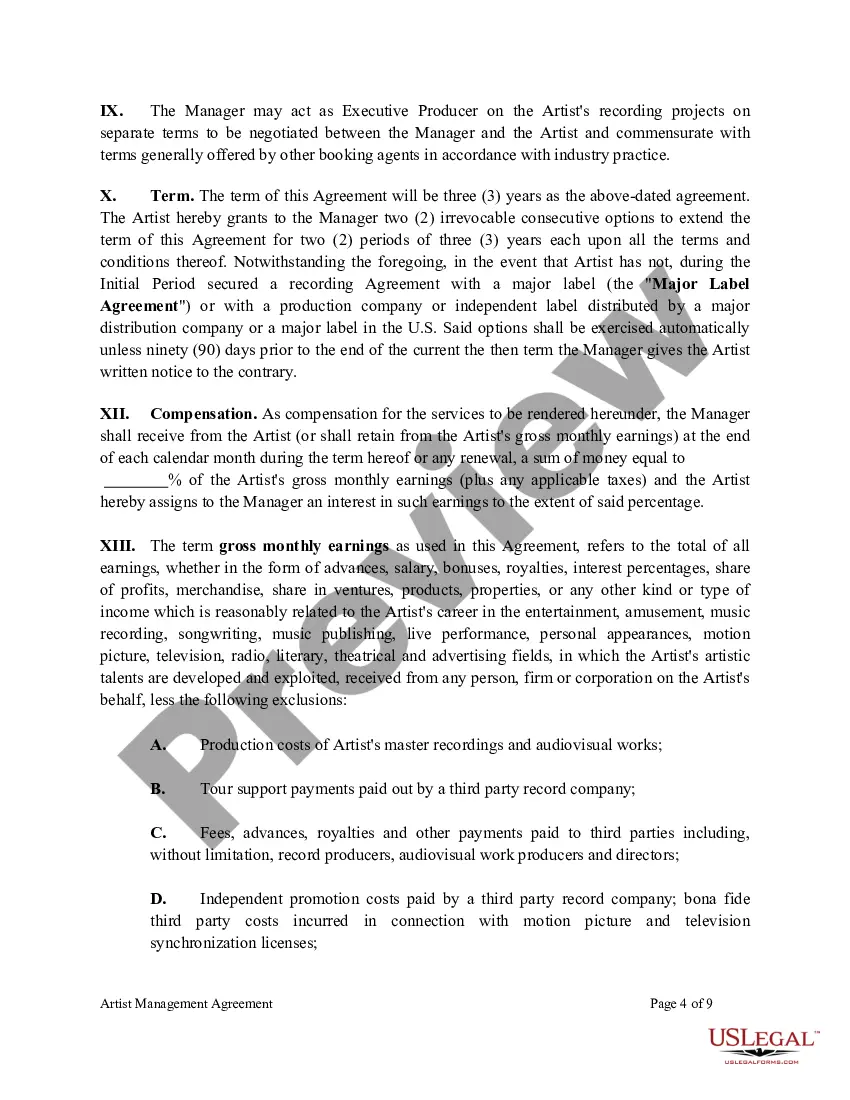
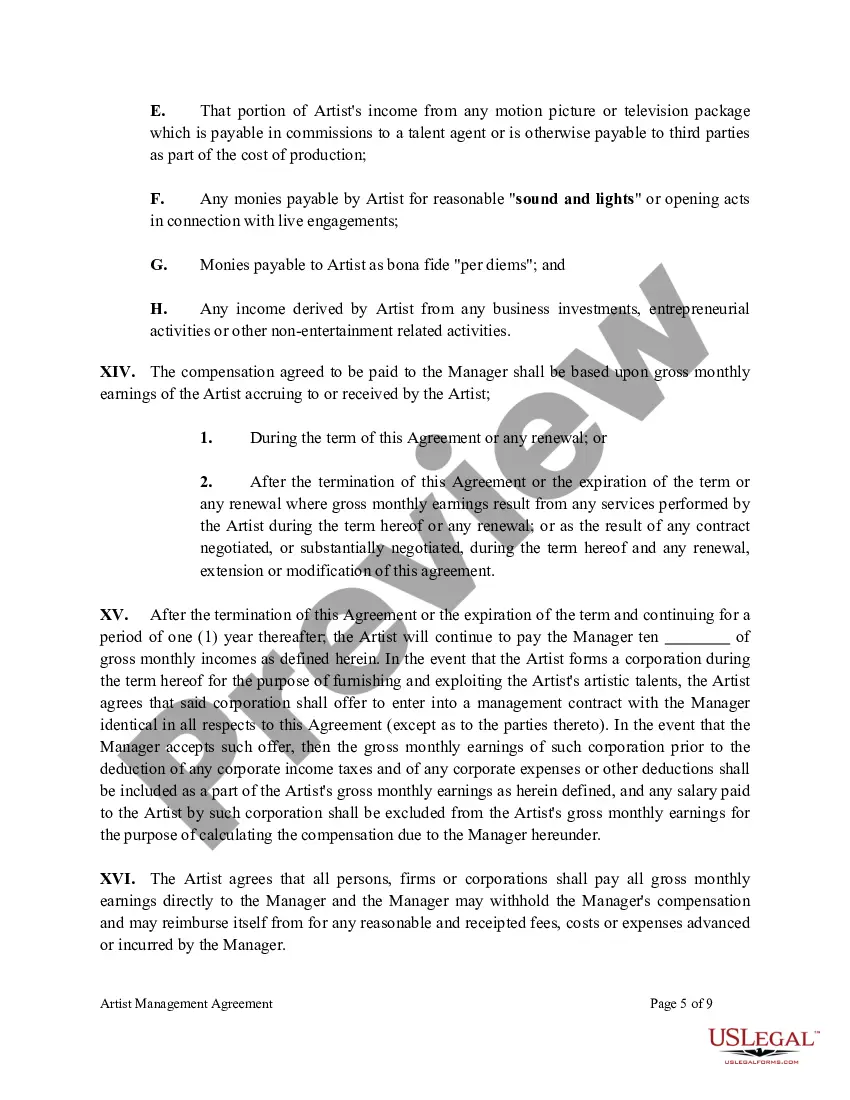
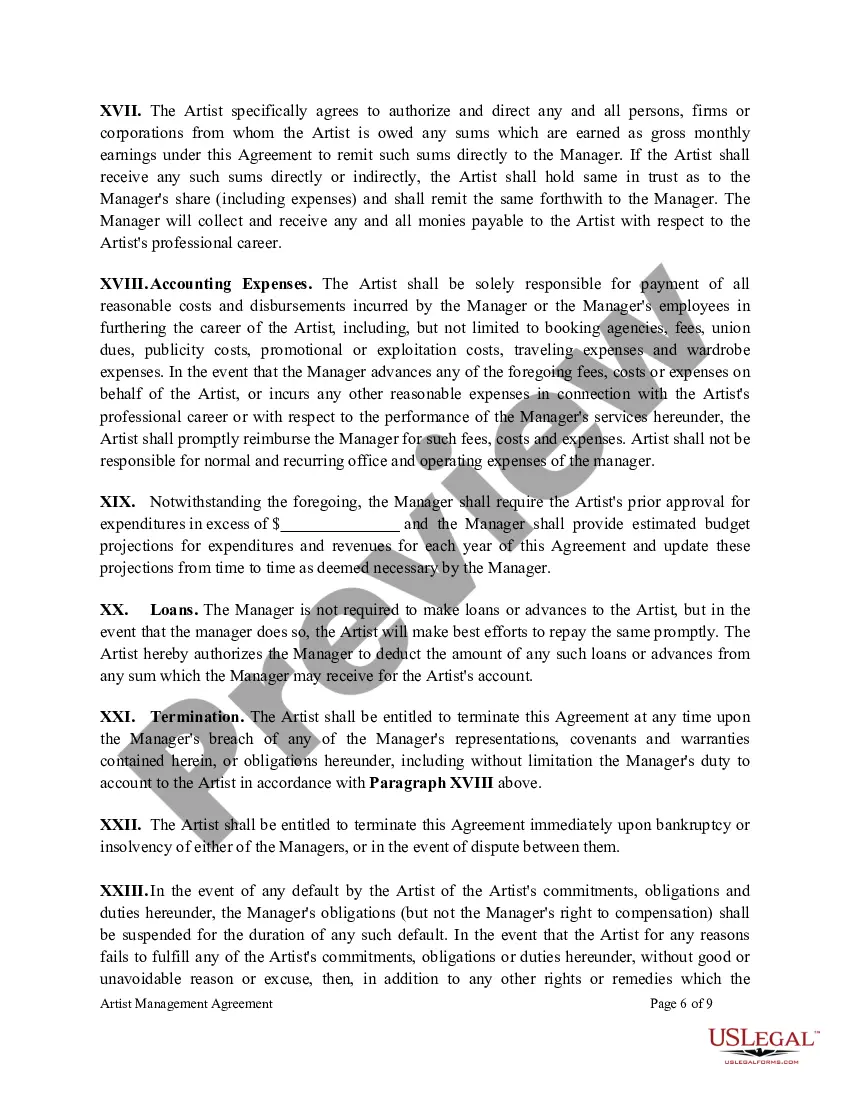
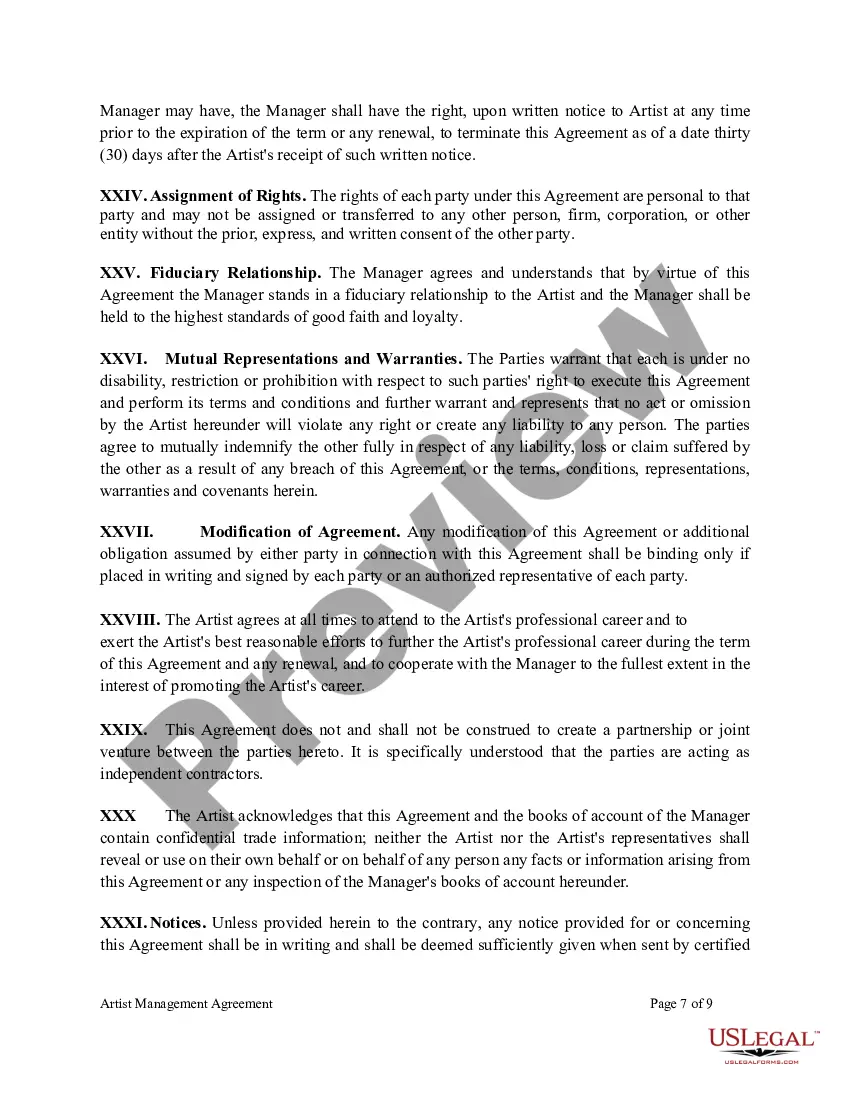
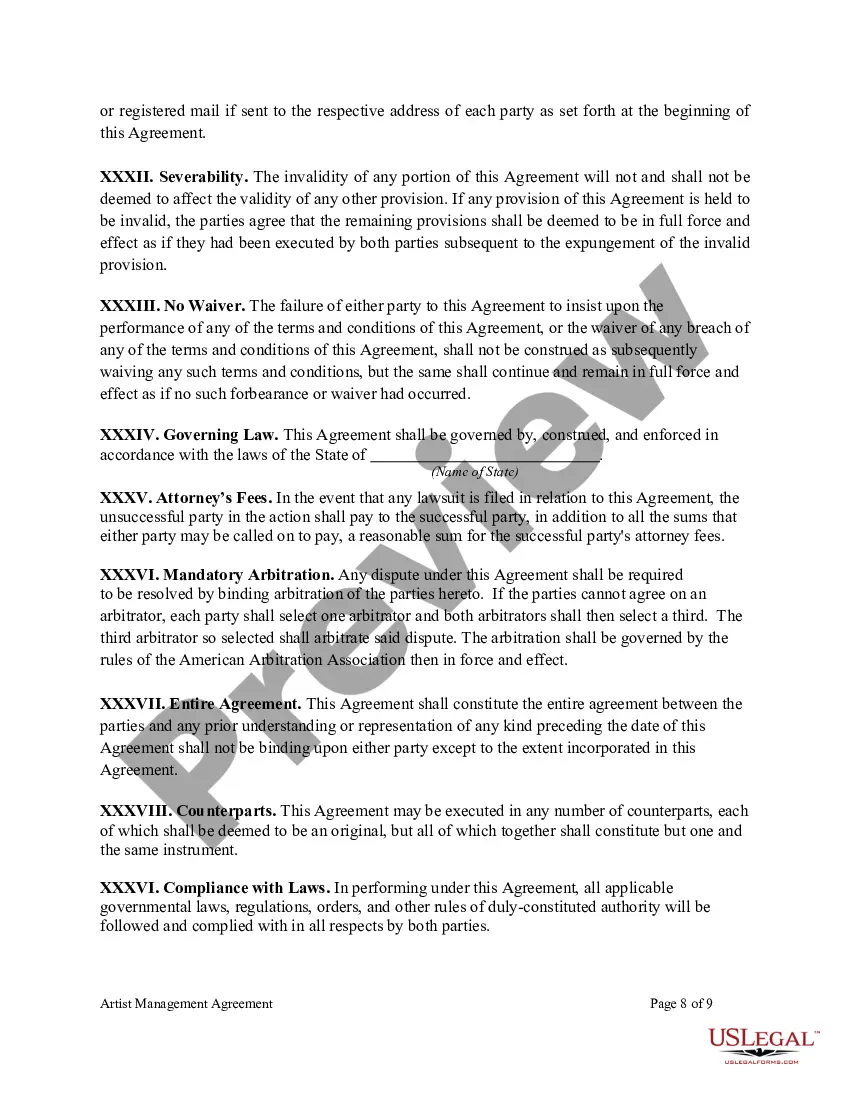
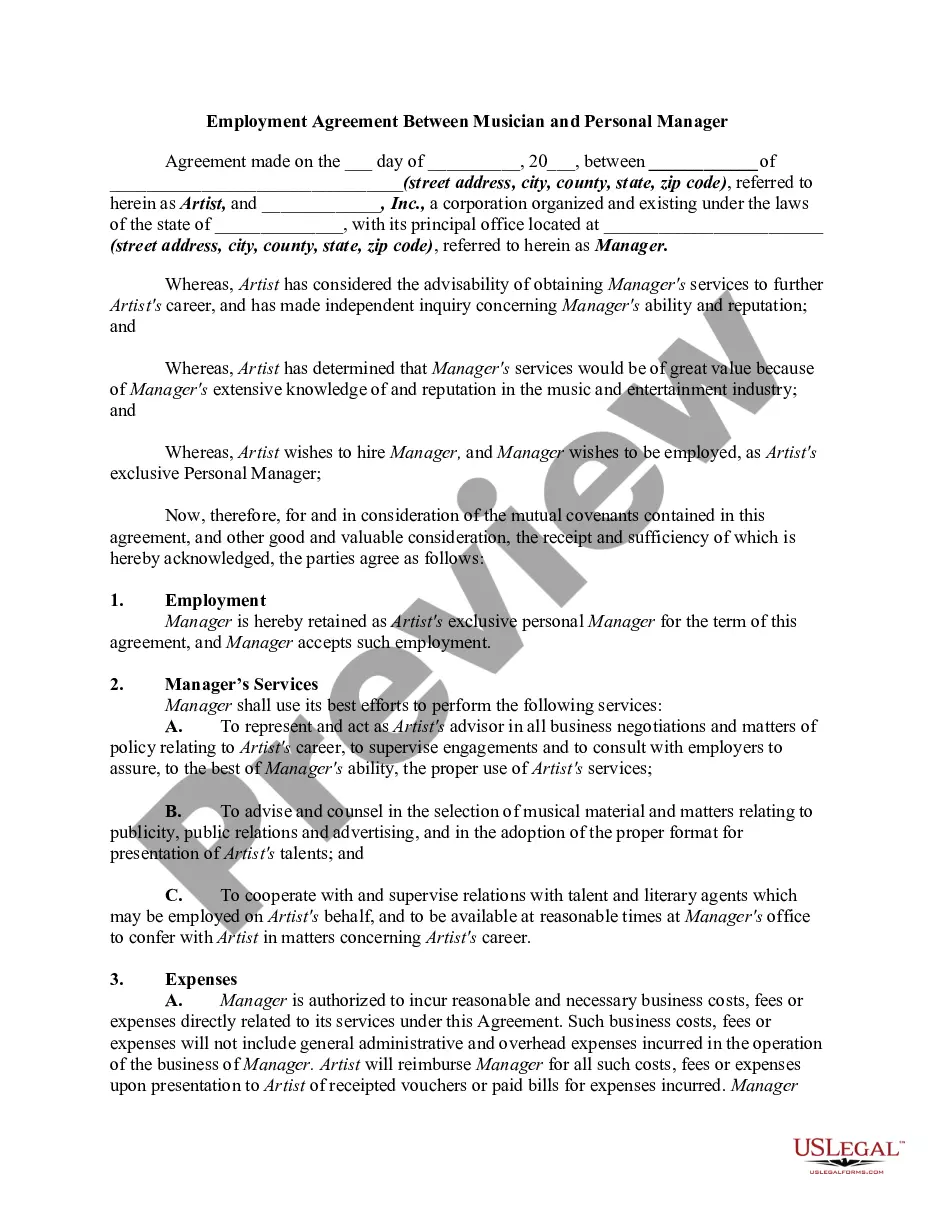
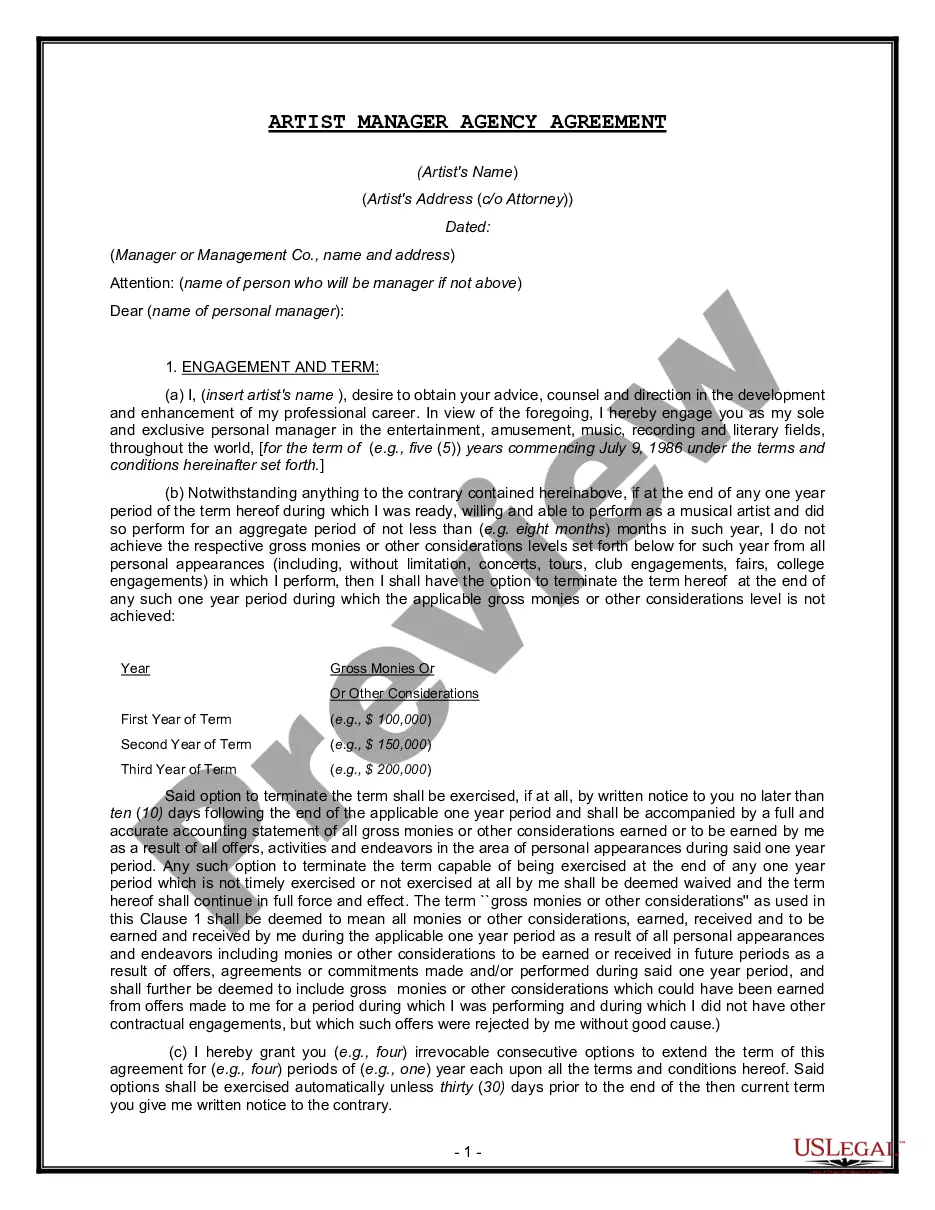
The agreement or contract is the legal document between an artist or owner of an artwork and a borrowing institution, or between an exhibition organiser and the host venue. They are written to specify details about work to be undertaken and the expected outcomes.
Often, artists are instructed to write a three-paragraph statement that begins with a broad overview of their ideas, then gives an explanation of their materials, and ends with a description of their personal philosophies.
Writing an Artist's Statement? Start with These Questions What does your work look like? What are its physical properties? How does it exist in space? Where do we see it? Is your work temporal? How are you making this work? Why do you make this work? How do viewers experience your work?
Focus on the things that matter most to you such as color, mark, composition, materials, concept, and process. Include some concrete details correlated to the work that is to be seen. Note influences, if applicable, including other artists, historical references, relevant current events, etc.
Yes, you can write your own contract. However, including all necessary elements is crucial to make it legally binding.
How to Write an Artistic Statement Brainstorm. The first hurdle is to figure out what to write about. Freewrite. The process of writing without judgment or self-editing can help artists get at their basic philosophy. Rewrite what stands out. In general, be specific. Be clear and concise. Proofread. Use your own voice.
