Artist Agreement Contract Template For Photography In Montgomery
Description














Form popularity
FAQ
14 Things to Include in Your Photography Contract Parties to the contract. This section states who the parties to the contract are, and includes everyone's contact information. Scope and schedule. Permits. Deliverables. Copyright. Usage rights. Releases. Additional services.
Write the contract in six steps Start with a contract template. Open with the basic information. Describe in detail what you have agreed to. Include a description of how the contract will be ended. Write into the contract which laws apply and how disputes will be resolved. Include space for signatures.
A photography contract is legally binding, even if you write it yourself. As long as you and your client sign a contract that meets the basic requirements outlined by contract law, it is considered a legally binding contract. It's important to remember that a contract must be in writing and signed by both parties.
Write the contract in six steps Start with a contract template. Open with the basic information. Describe in detail what you have agreed to. Include a description of how the contract will be ended. Write into the contract which laws apply and how disputes will be resolved. Include space for signatures.
A properly formatted contract will typically have copy that is left-aligned and single-spaced. If the contract is long or has multiple sections, a table of contents should be included to make it easier to review.
Acceptance of an offer: After one party makes an offer, it's up to the other party to accept it. If someone offers you $600 to walk their dogs, for example, you enter into a contractual agreement the moment you accept their offer in exchange for your services.
14 Things to Include in Your Photography Contract Parties to the contract. This section states who the parties to the contract are, and includes everyone's contact information. Scope and schedule. Permits. Deliverables. Copyright. Usage rights. Releases. Additional services.
A contract is mandatory for any commission. Write down every detail in the contract, such as the size and media of the artwork, your compensation, due dates for payments, who is responsible for framing, installation, delivery of the artwork, etc. If your client balks at signing a contract, WALK AWAY.
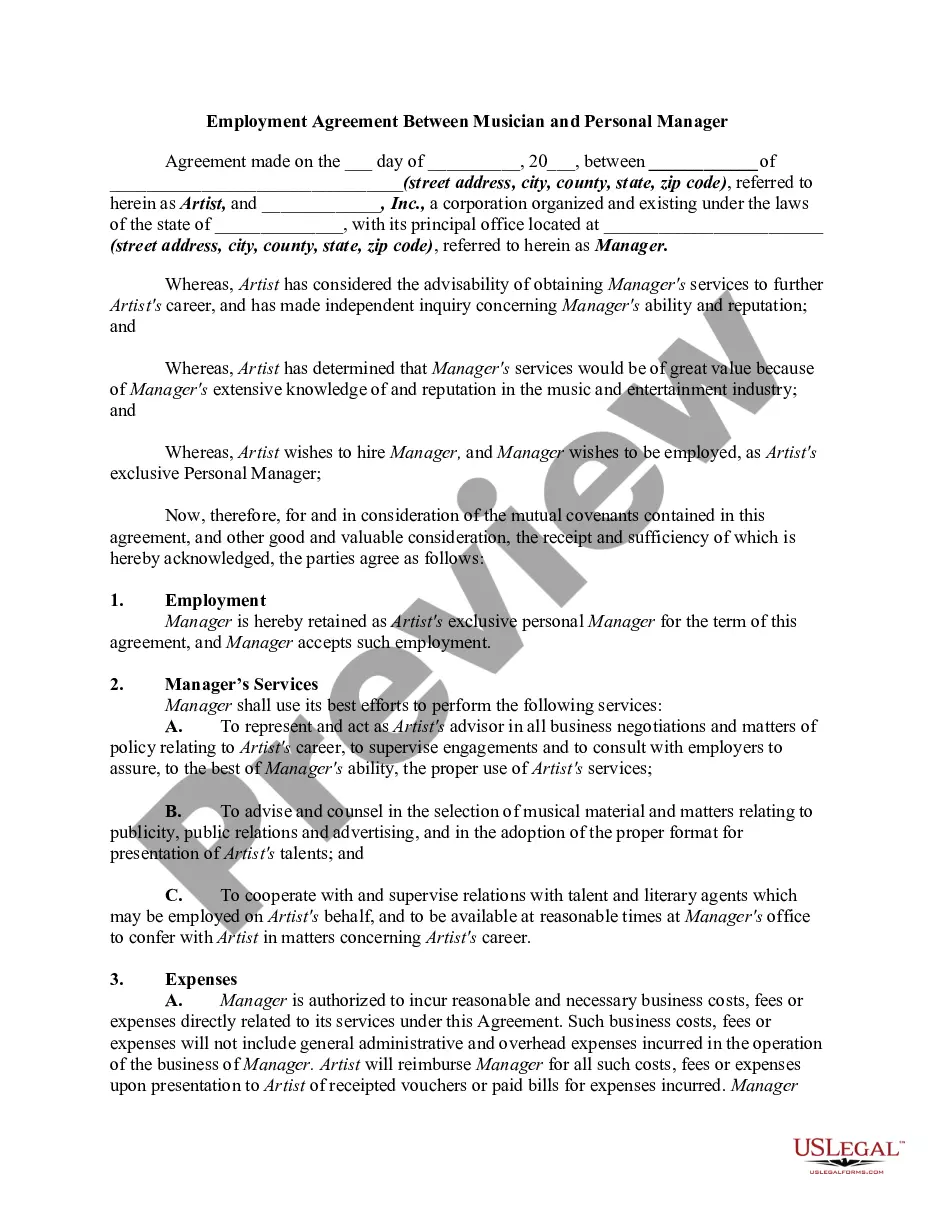
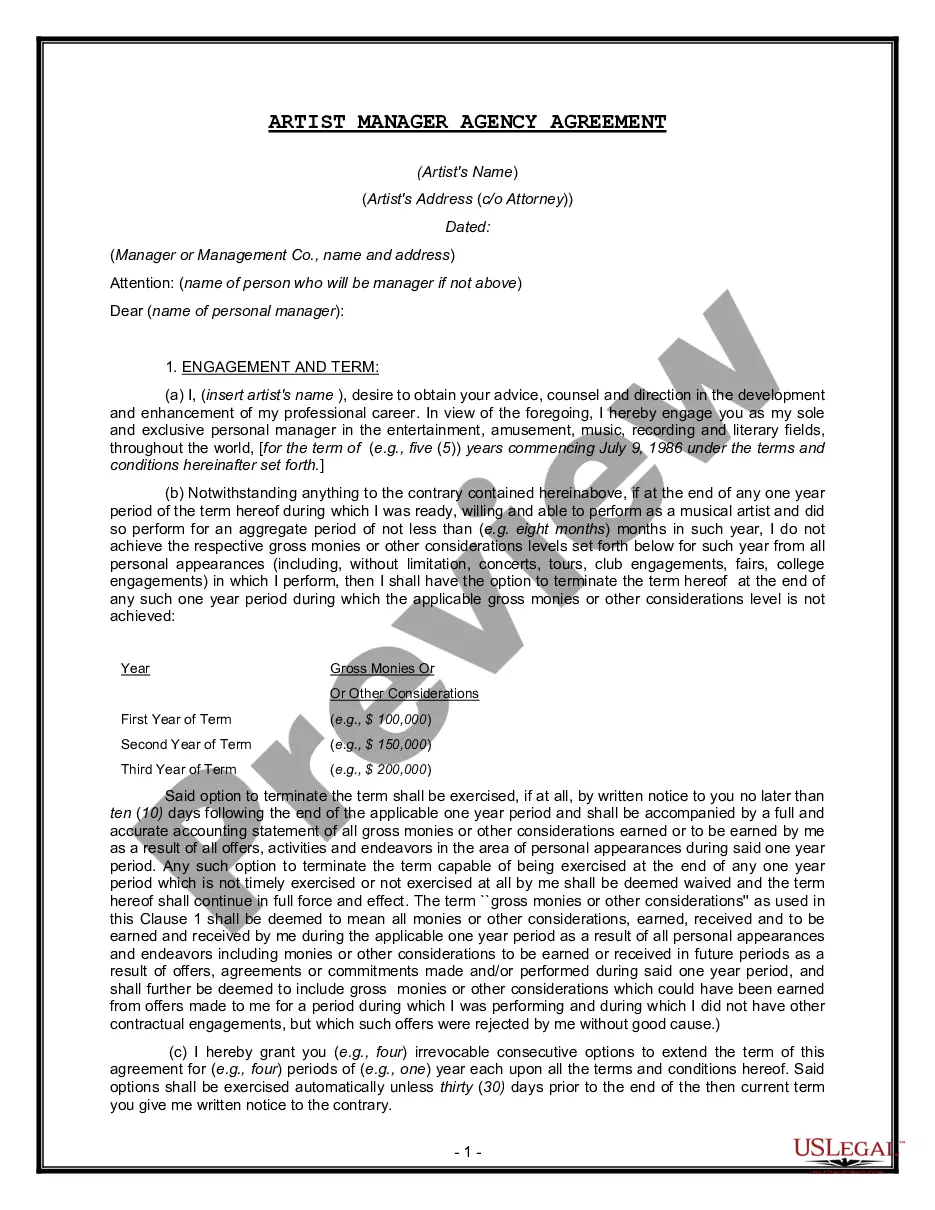
Contracts like an artist agreement help avoid miscommunications and confusion over the rights and responsibilities of both parties involved. Artist agreements typically include availability expectations, performance markers, and licensing or ownership rights of the works created during the partnership.
