Tour Manager Contract For Construction In New York
Description

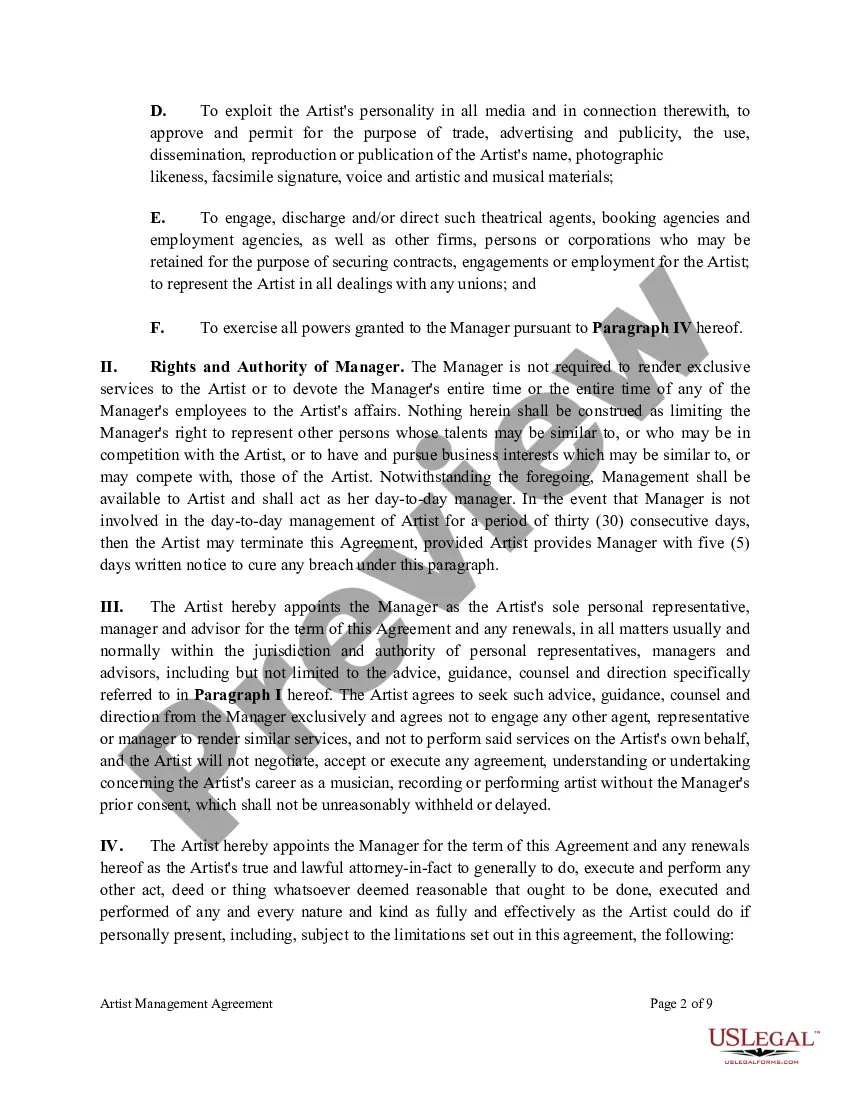
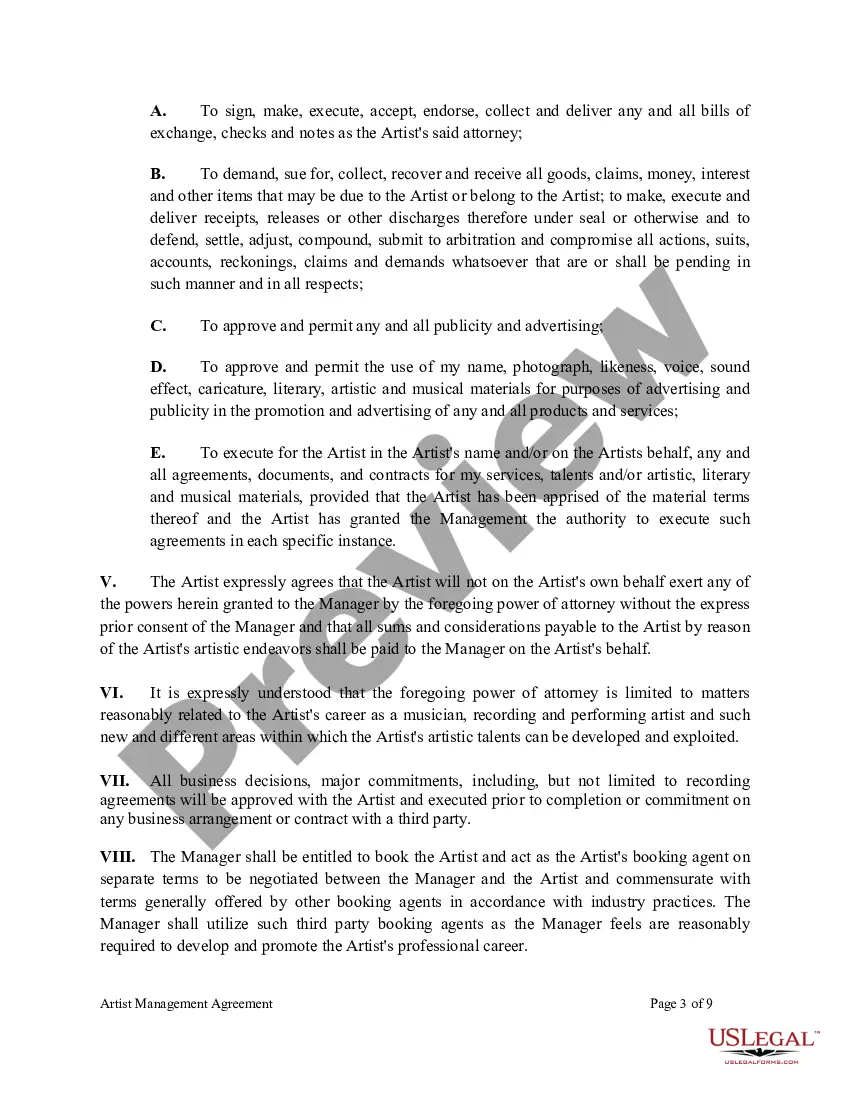
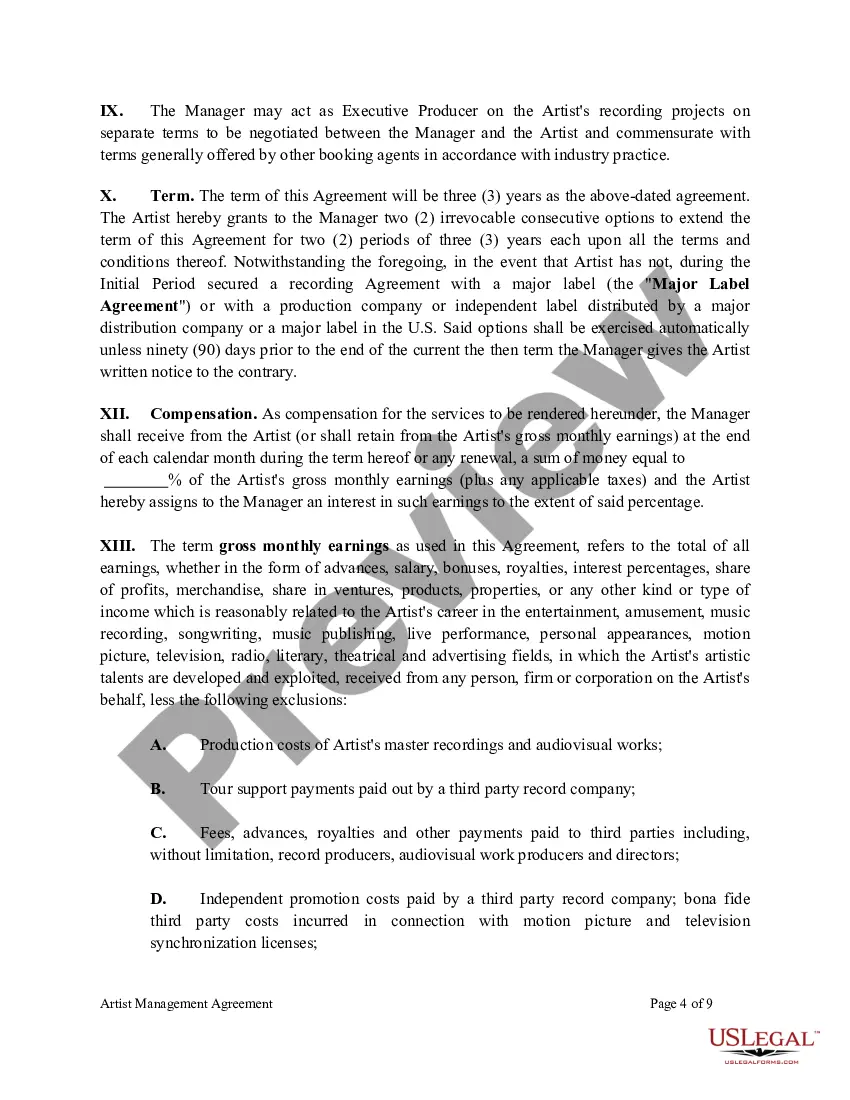
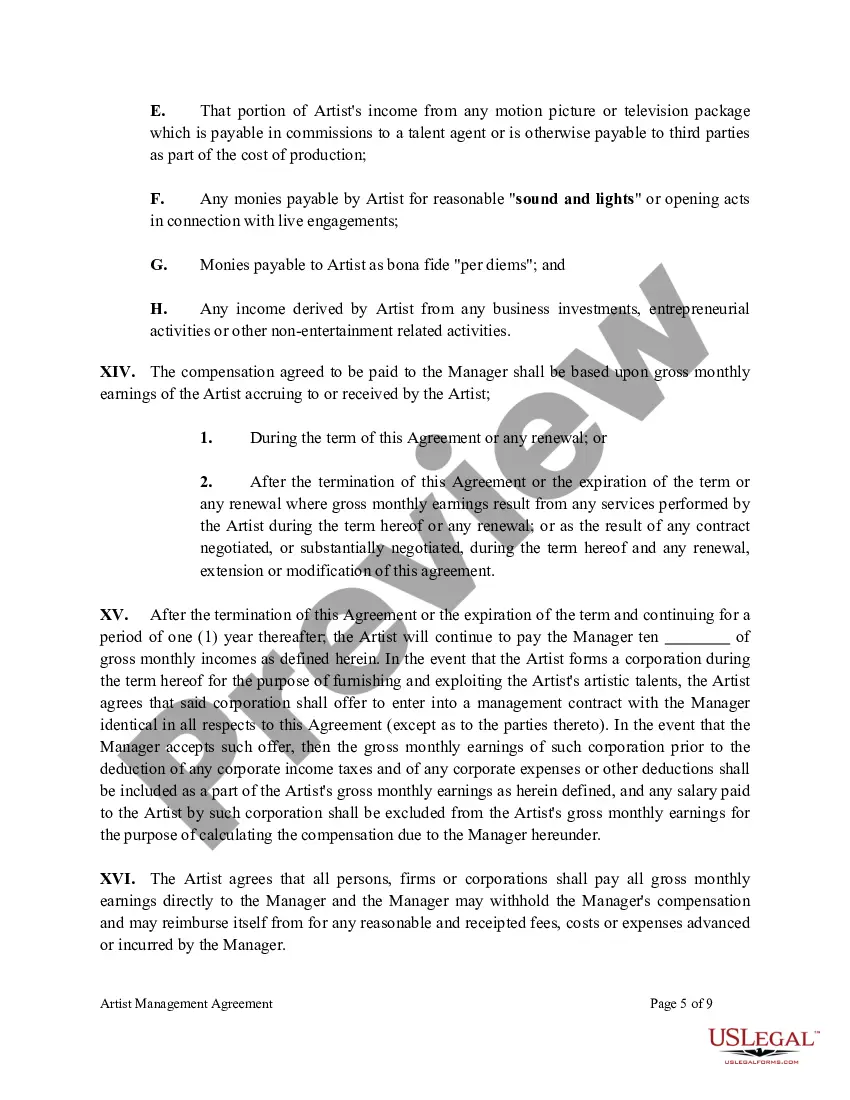
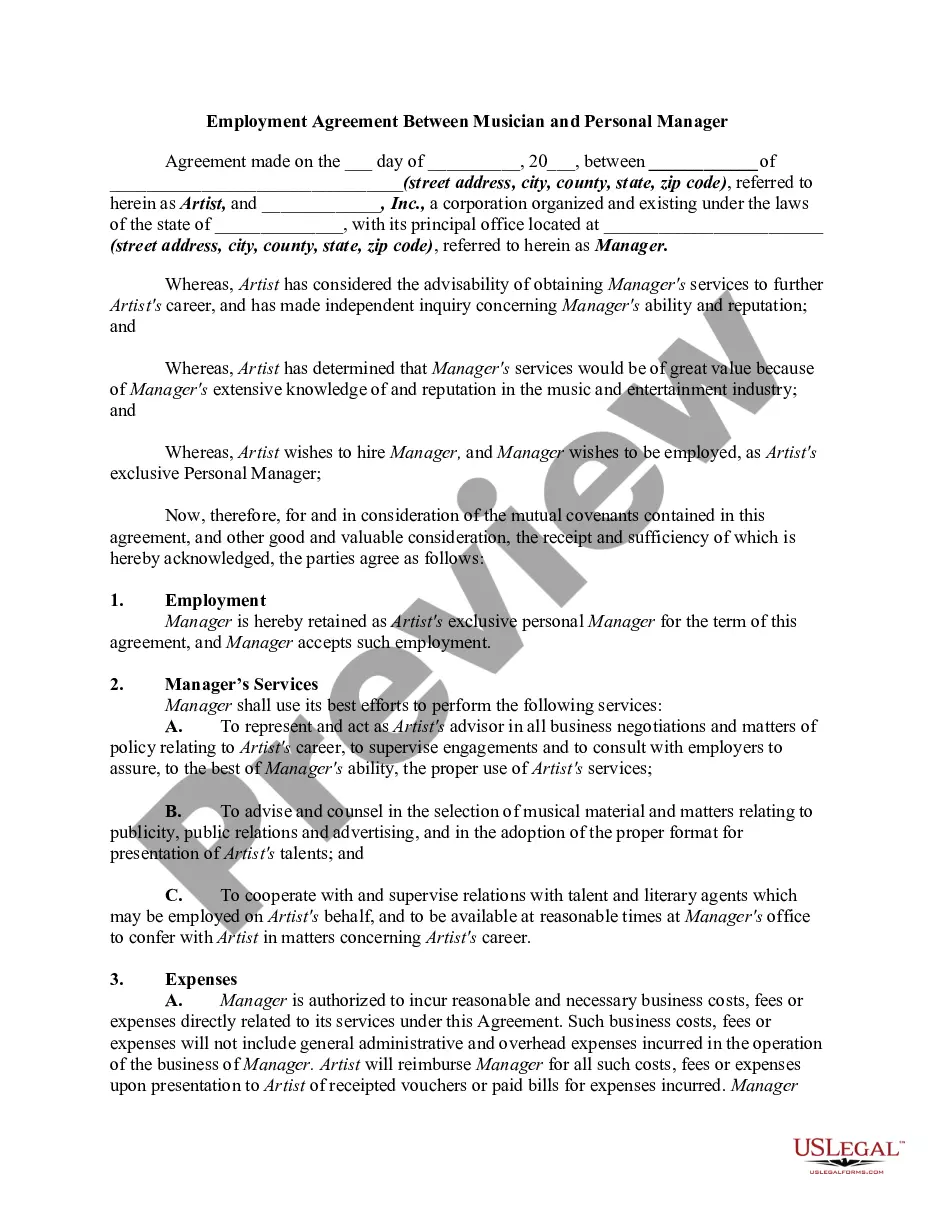
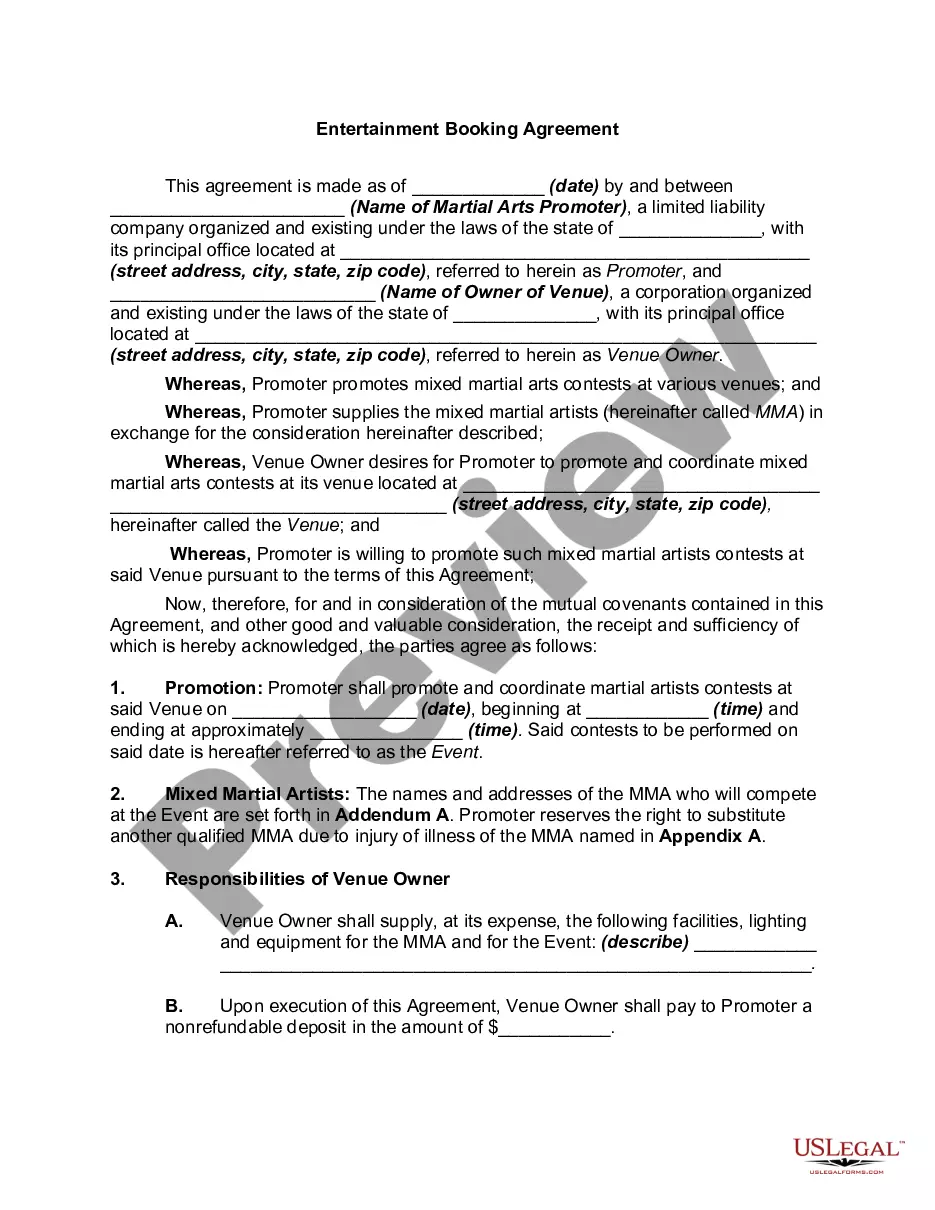
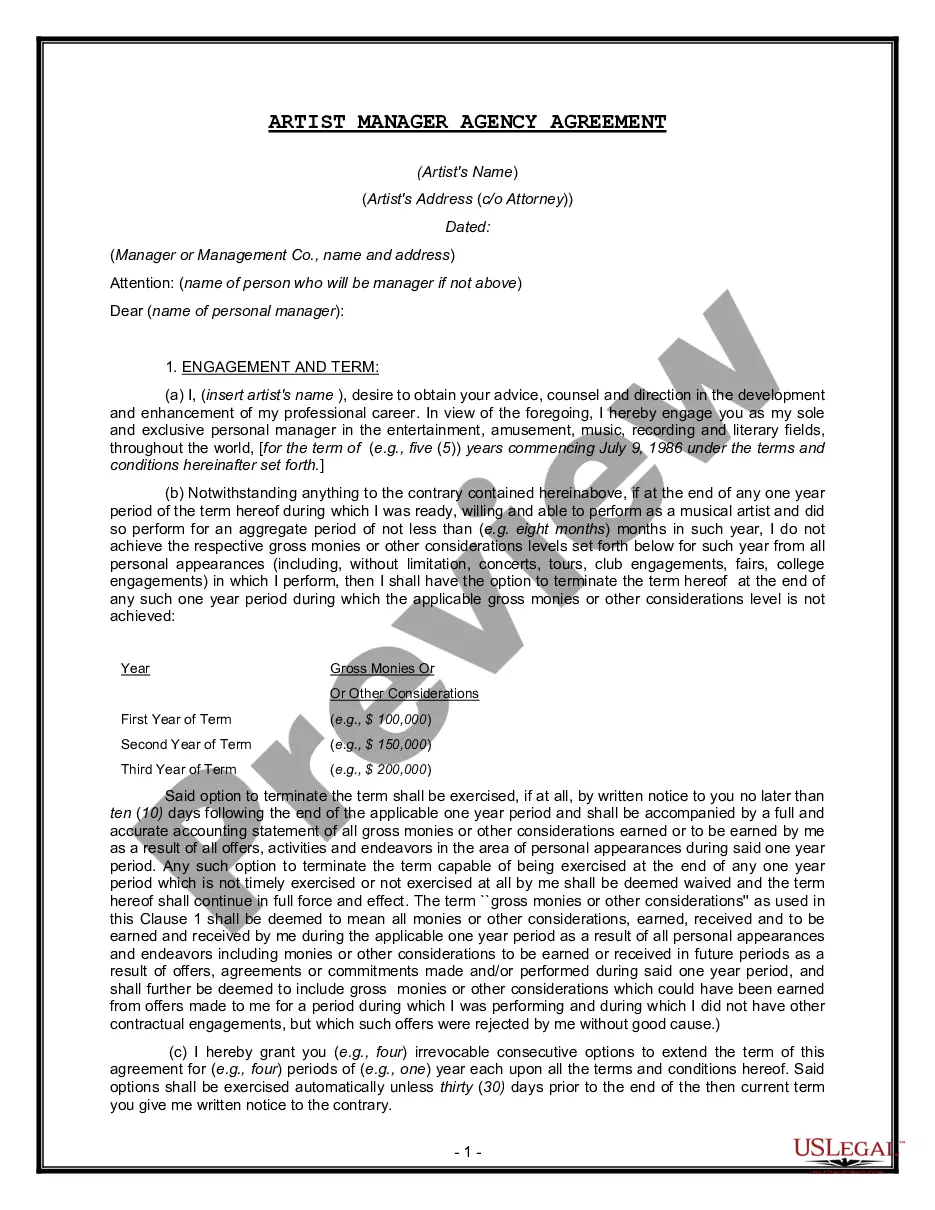
Get your form ready online
Our built-in tools help you complete, sign, share, and store your documents in one place.
Make edits, fill in missing information, and update formatting in US Legal Forms—just like you would in MS Word.
Download a copy, print it, send it by email, or mail it via USPS—whatever works best for your next step.
Sign and collect signatures with our SignNow integration. Send to multiple recipients, set reminders, and more. Go Premium to unlock E-Sign.
If this form requires notarization, complete it online through a secure video call—no need to meet a notary in person or wait for an appointment.
We protect your documents and personal data by following strict security and privacy standards.
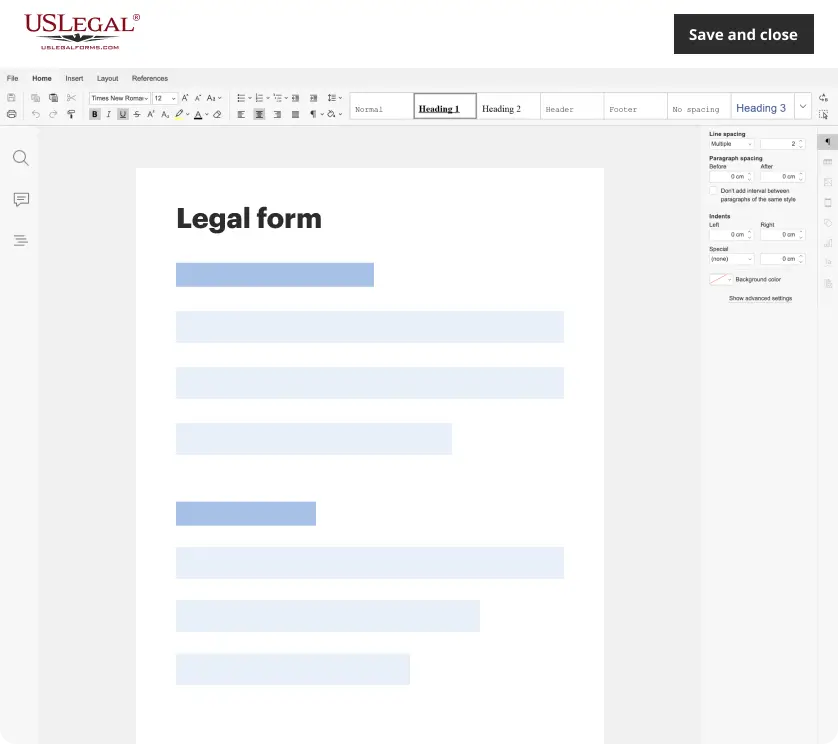
Make edits, fill in missing information, and update formatting in US Legal Forms—just like you would in MS Word.
Download a copy, print it, send it by email, or mail it via USPS—whatever works best for your next step.
Sign and collect signatures with our SignNow integration. Send to multiple recipients, set reminders, and more. Go Premium to unlock E-Sign.
If this form requires notarization, complete it online through a secure video call—no need to meet a notary in person or wait for an appointment.
We protect your documents and personal data by following strict security and privacy standards.
Looking for another form?








Form popularity
FAQ
Write the contract in six steps Start with a contract template. Open with the basic information. Describe in detail what you have agreed to. Include a description of how the contract will be ended. Write into the contract which laws apply and how disputes will be resolved. Include space for signatures.
How to draft a contract between two parties: A step-by-step checklist Know your parties. Agree on the terms. Set clear boundaries. Spell out the consequences. Specify how you will resolve disputes. Cover confidentiality. Check the legality of the contract. Open it up to negotiation.
A contractor agreement should describe the scope of work, contract terms, contract duration, and the confidentiality agreement. It should also include a section for the two parties to sign and make the agreement official. If the contract doesn't meet these requirements, it may be inadmissible in a court of law.
What to avoid in construction contracts Unclear scope of work and specifications: An ambiguous scope of work can cause misinterpretation. Missing change order procedures: Not having change order procedures is a risk as construction projects rarely go exactly ing to plan.
Construction management contracts encompass the work and/or materials required for a building project. Typically, they will address: Project/deliverable specifications. Labor and material requirements. Timelines for completion/delivery.
The most significant differences between a construction manager and general contractor come before construction on a project even starts. General contractors come onto a project after the design is already complete, whereas construction managers play a critical role in contributing to the design of a project.
A construction management contract is a legally binding agreement between the project owner (referred to as principal) and the commercial building contractors where the manager is charged with the responsibility of engaging with the sub-contractors and supervising the construction while providing the owner with a ...
As a general rule, managers take a percentage of all income generated by the artist in exchange for their management services. Commission rates typically range from 15-25% of the artist's gross income from: Recording royalties: Sales, streaming and licensing of recorded music.
To bid on federal construction contracts, you must apply for a profile on the System for Award Management (SAM). Once you've registered for this centralized online portal at SAM, you can use its search function to find federal construction bidding projects.
Writing Targeted Content for Your Construction Website Zero in On Clients' Needs. Include Client Testimonials. Create a Comprehensive List of FAQs. Turn FAQs into Blog Articles. Deliver Expert Insight. Create Blog Articles that Are Based on Numbered Lists. Use Infographics to Draw in Customers.
