Artist Agreement Form For Loan In Palm Beach
Description


Form popularity
FAQ
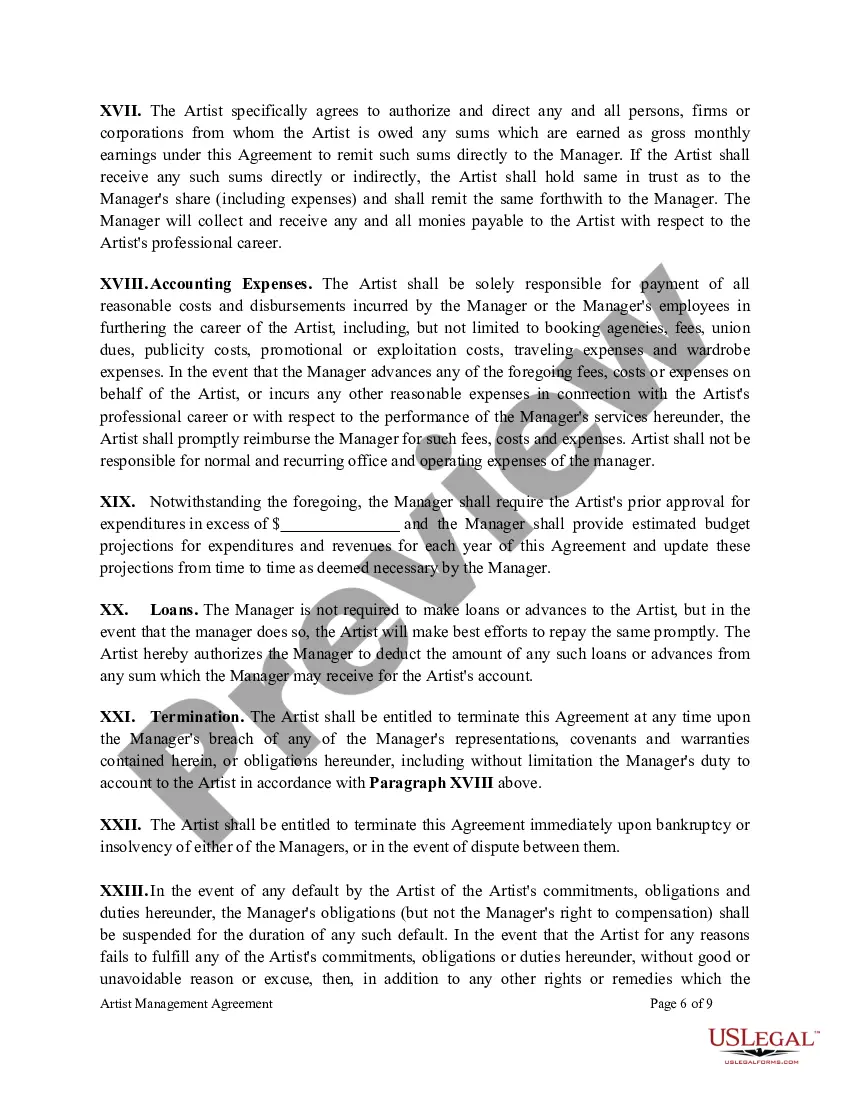
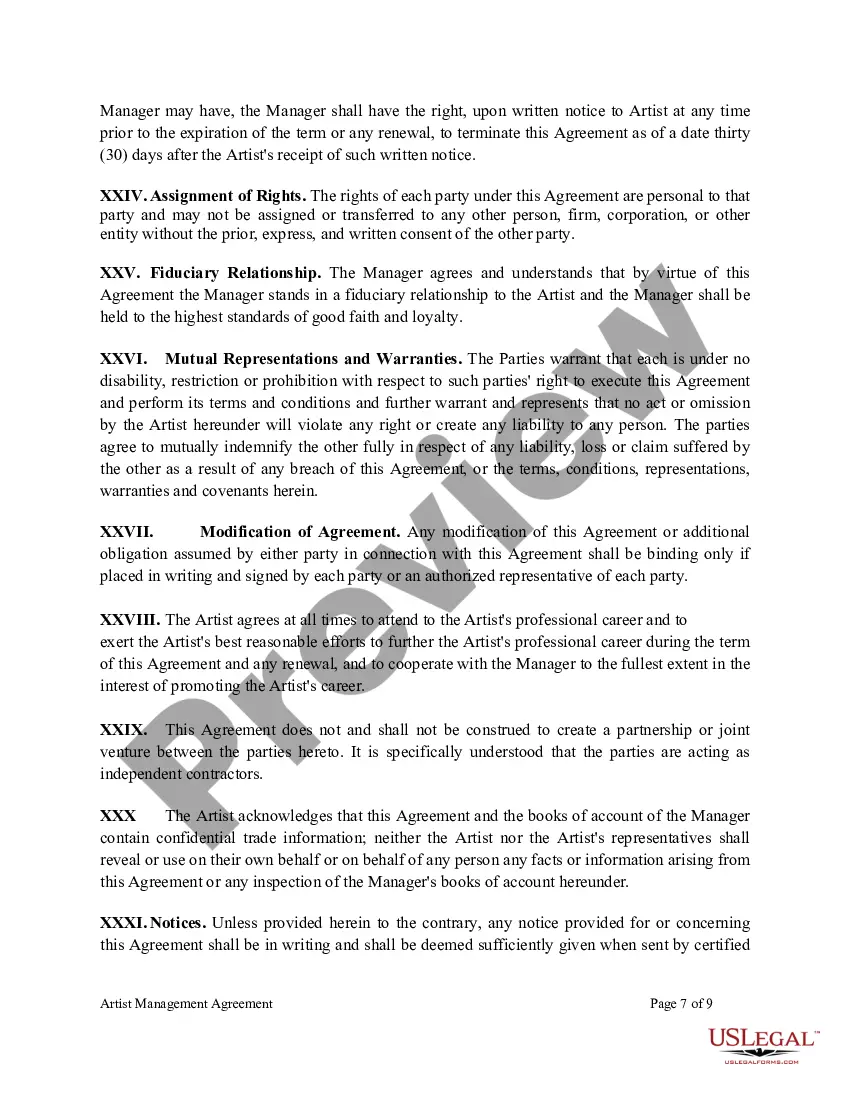
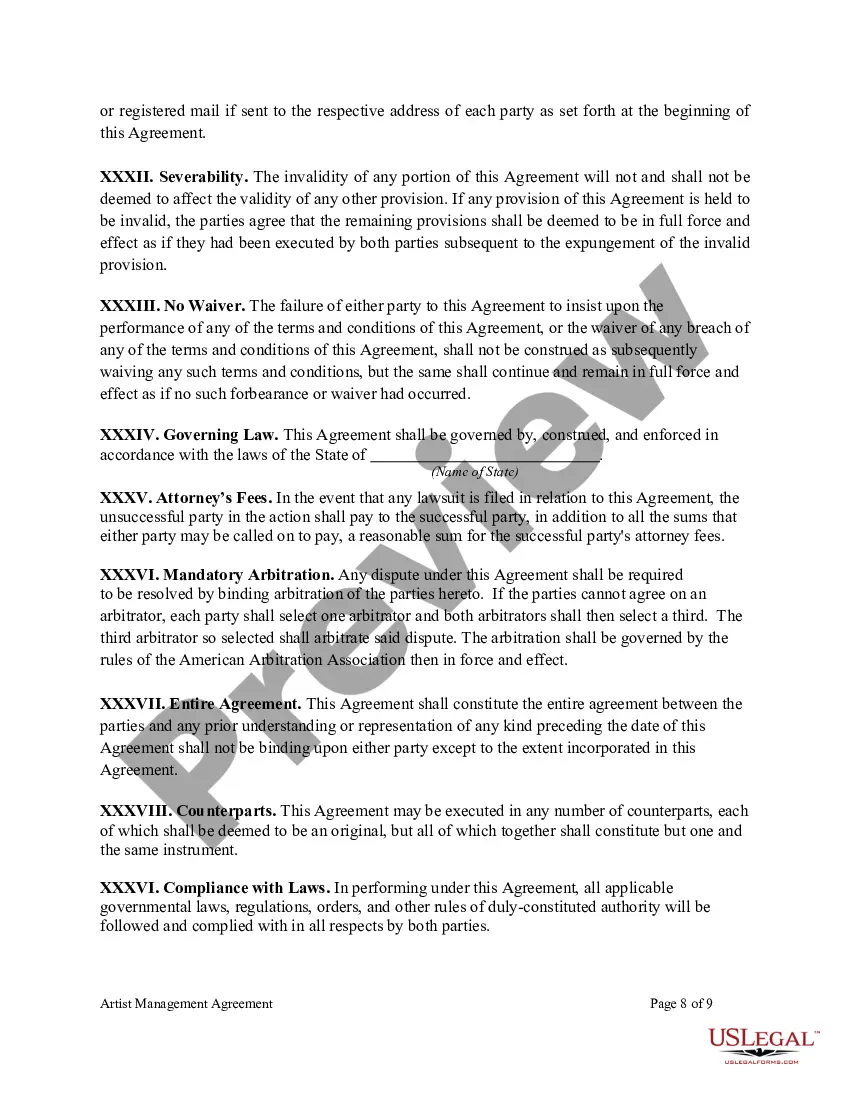
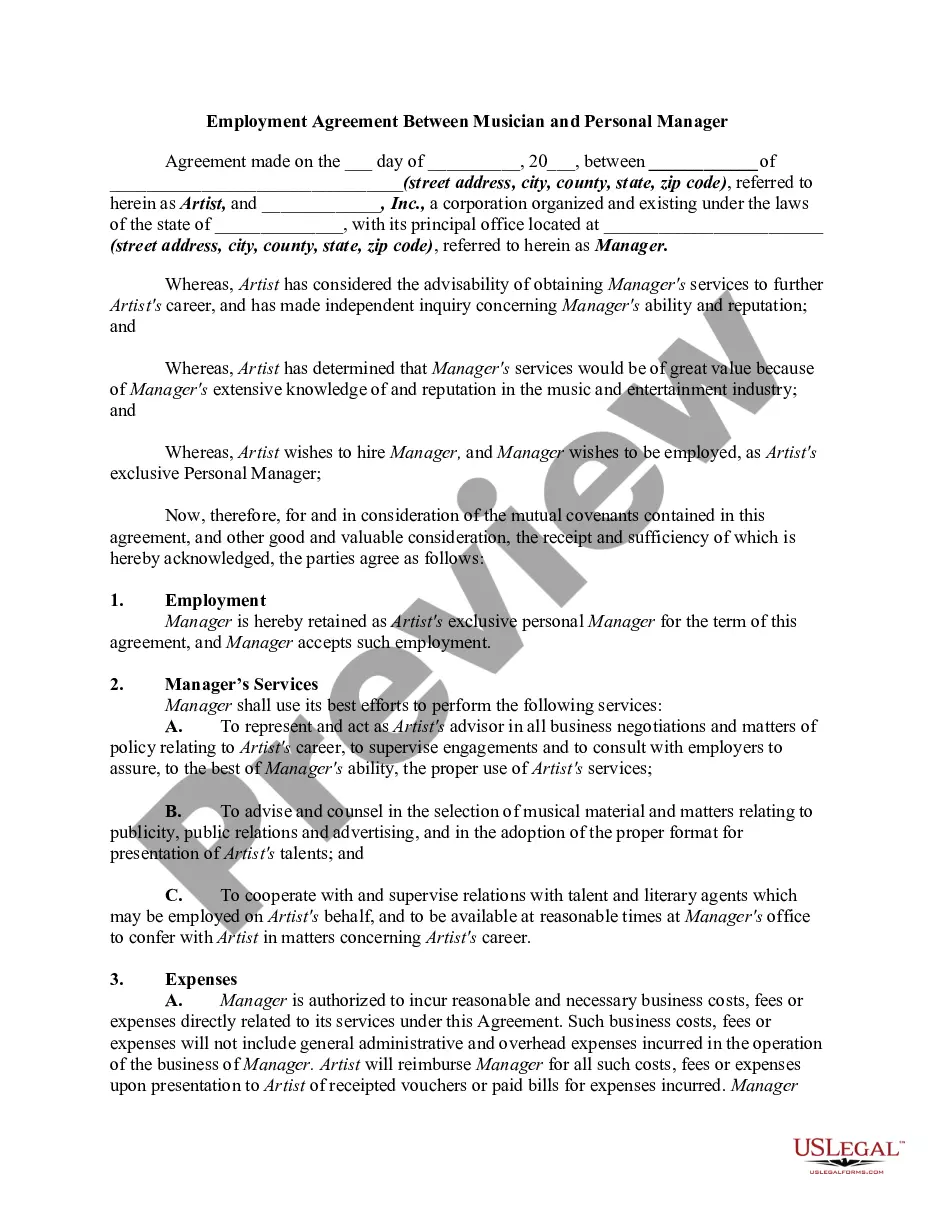
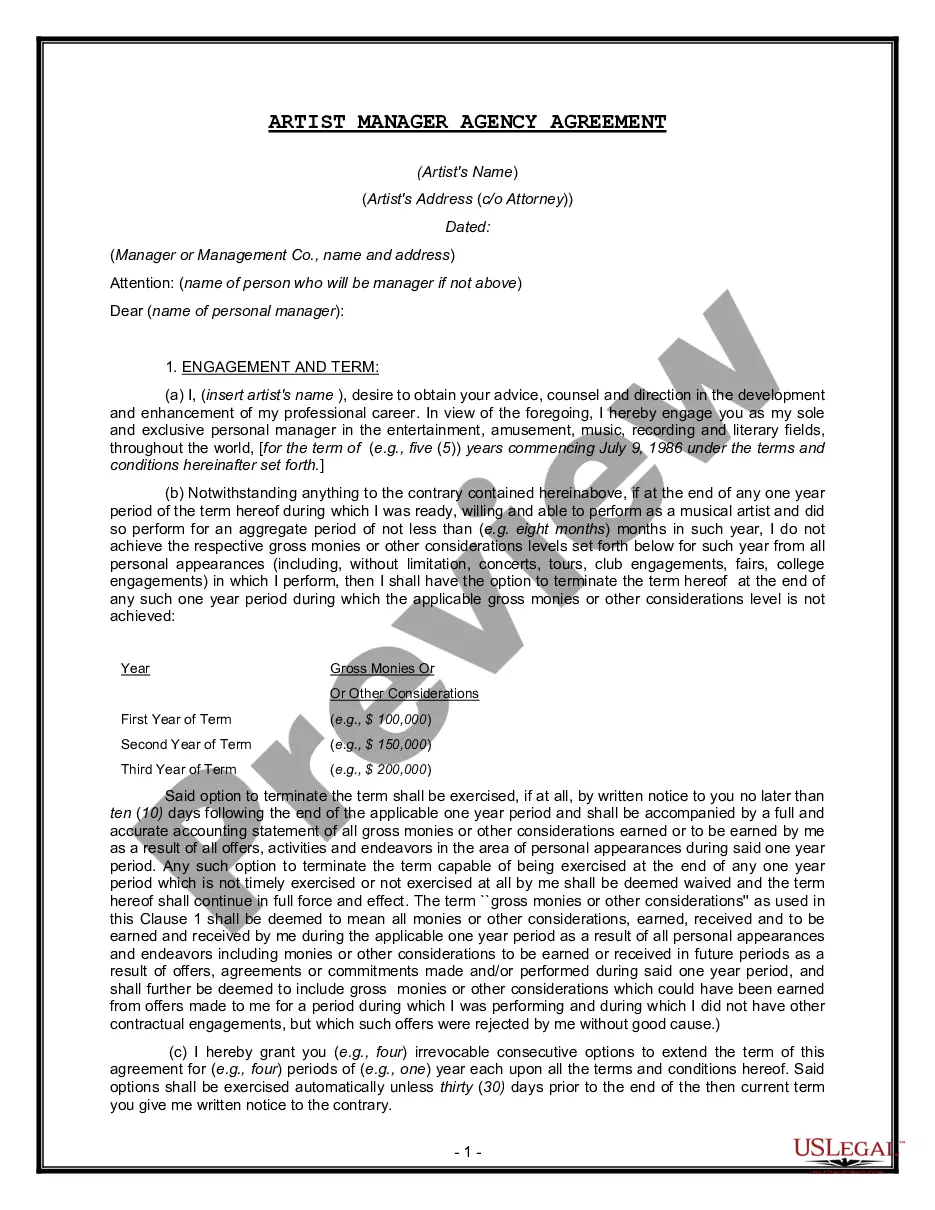
It is a legal agreement that binds the Artist and the Company to fulfill all the terms and conditions contained in it. All Individual Artist Agreements must be in compliance with the respective Collective Bargaining Agreement.
Foremost, contracts function as a reliable record of the rights, responsibilities, and obligations of the parties who have signed it. An effective contract will describe, in detail, what duties each party has to one another, how these ought to be performed, what they will be measured against, and when.
A written contract can help you protect yourself from liability, set clear expectations, and make sure both parties know what they're getting into before they commit to working together. In this post, I'll go over the importance of having a written contract and why it's so important for your business!
Contracts serve as the backbone of business relationships. They establish trust and mutual understanding, which are as crucial to business as a strong foundation is to a building. In the absence of contracts, misunderstandings can occur, leading to disputes and the potential collapse of business relationships.
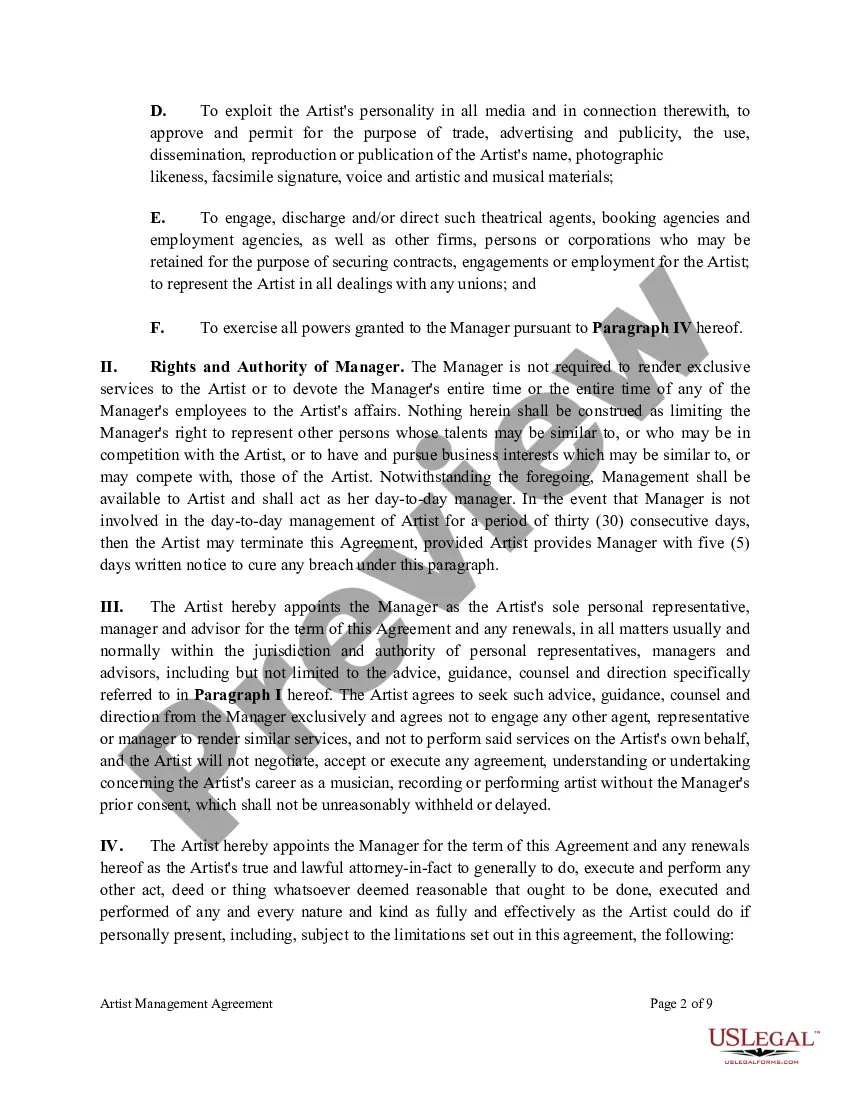
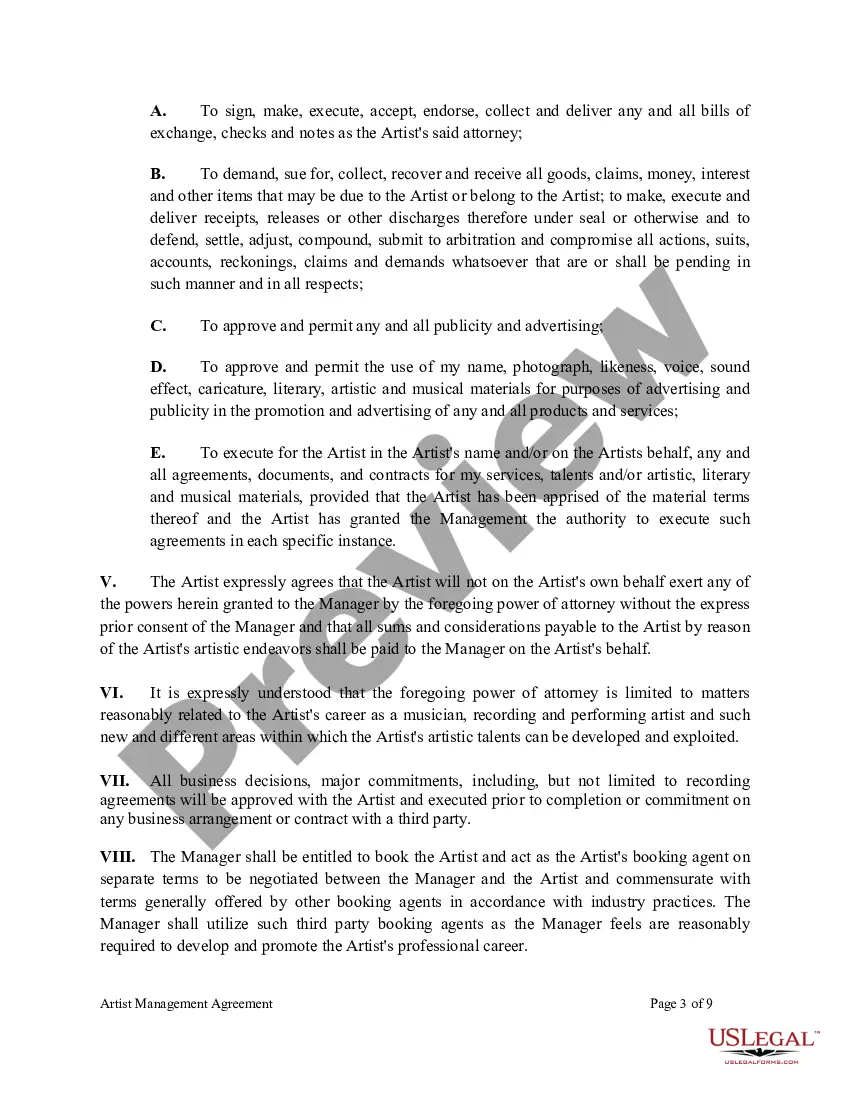
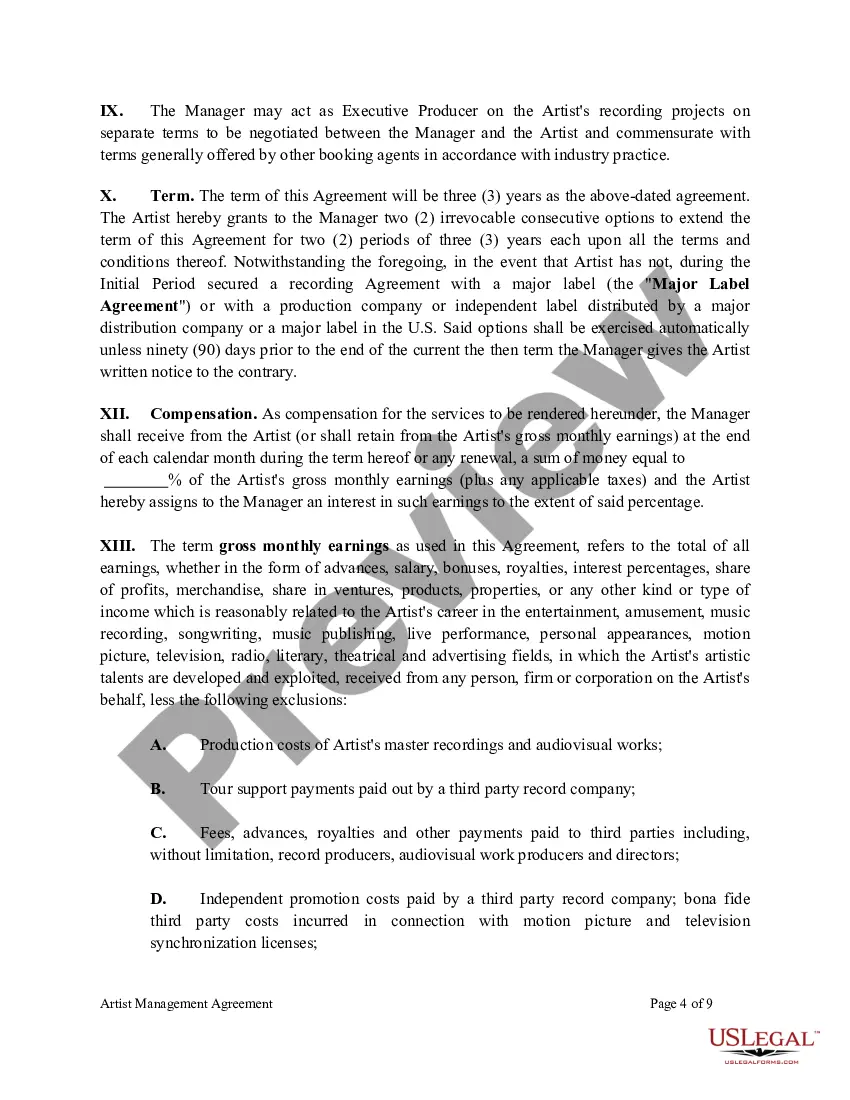
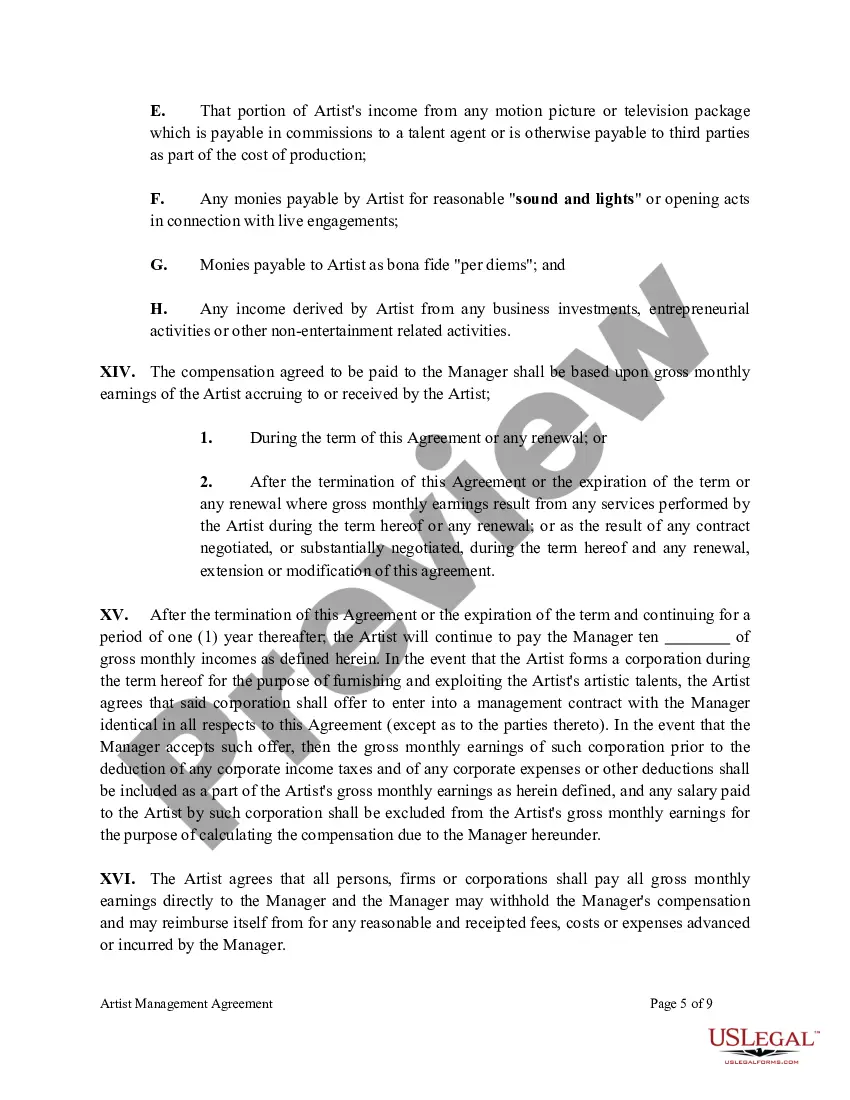
They give artists and business professionals insight and security by outlining each party's rights, obligations, and responsibilities. These contracts also cover aspects of the music industry, such as record releases, royalties, touring, merchandise, and licensing.
Contracts like an artist agreement help avoid miscommunications and confusion over the rights and responsibilities of both parties involved. Artist agreements typically include availability expectations, performance markers, and licensing or ownership rights of the works created during the partnership.
A good artist contract sets forth the deliverables for the project being completed. This usually includes all details regarding project timeframes, the type of work being completed, the number of revisions expected, and the delivery dates.
