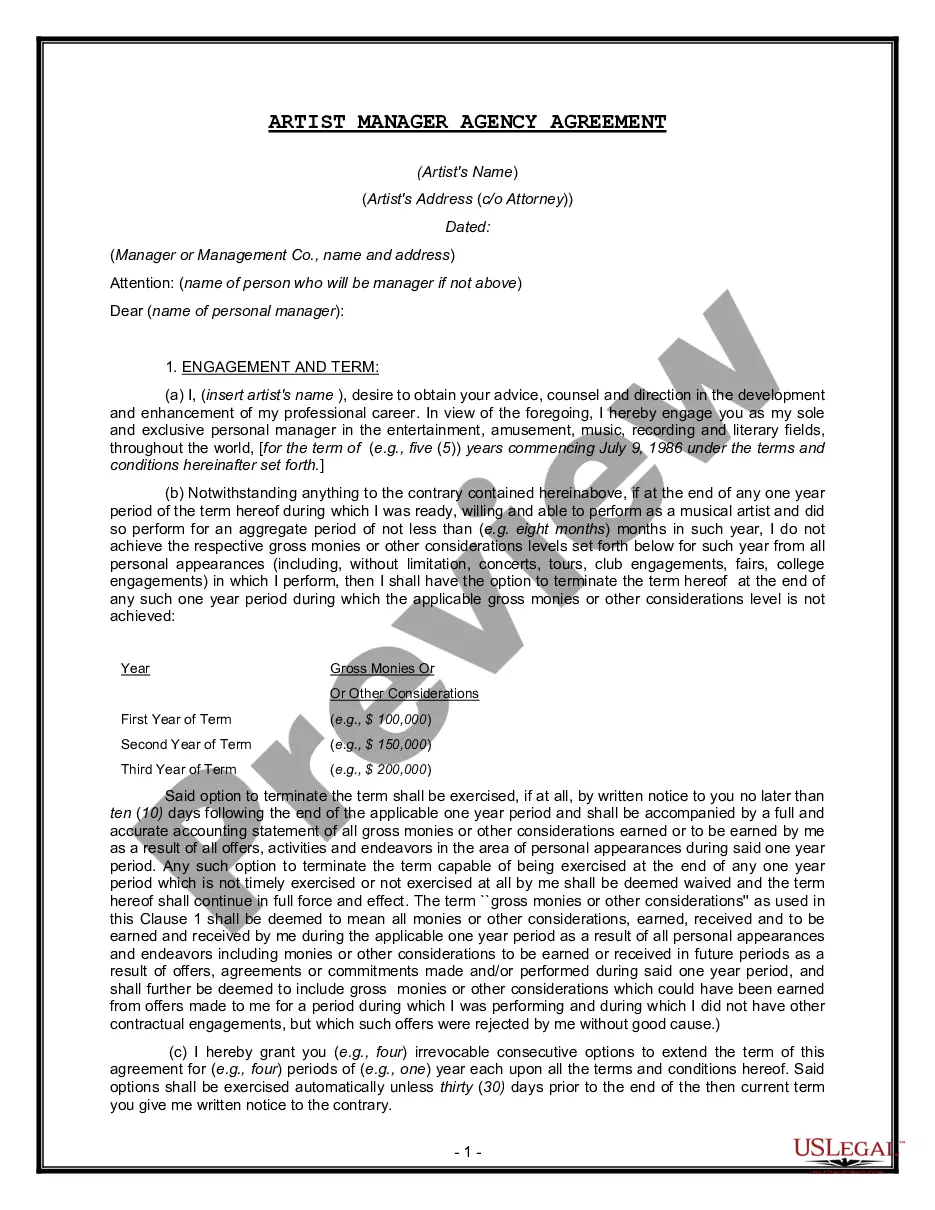
Artist Management Contract For Event In Pima
Description

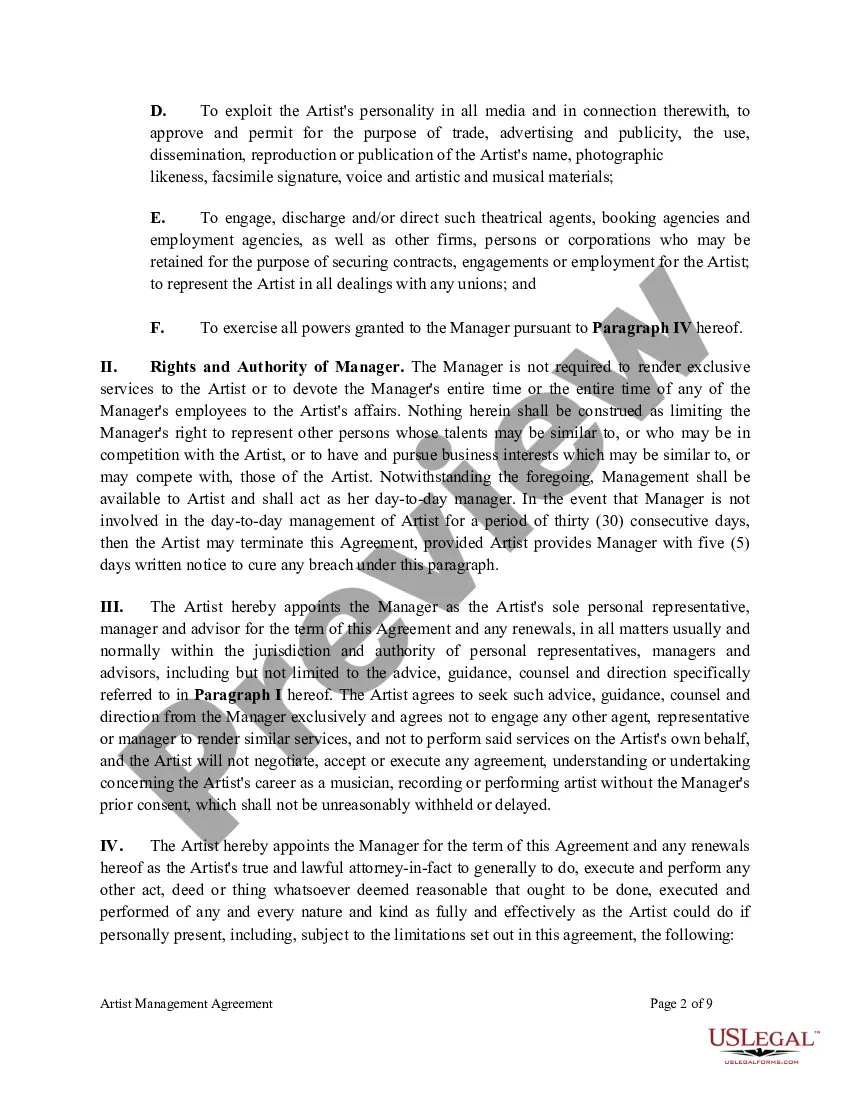
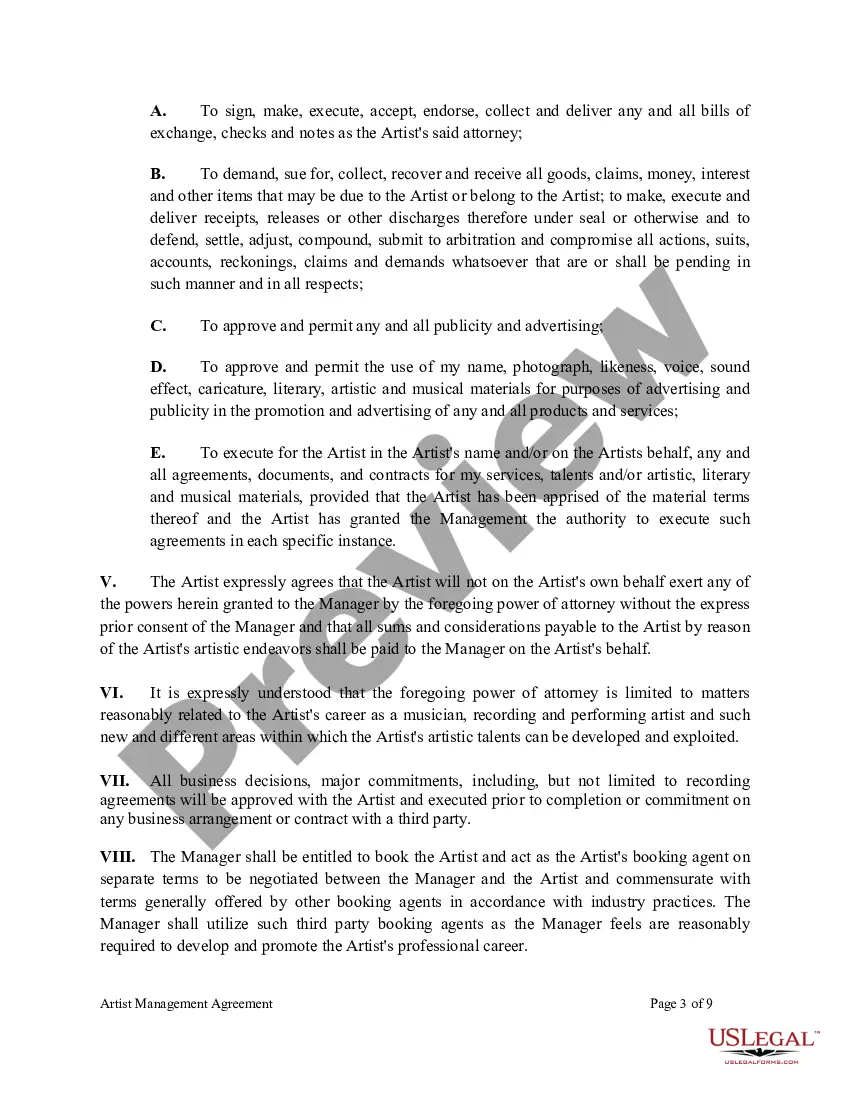
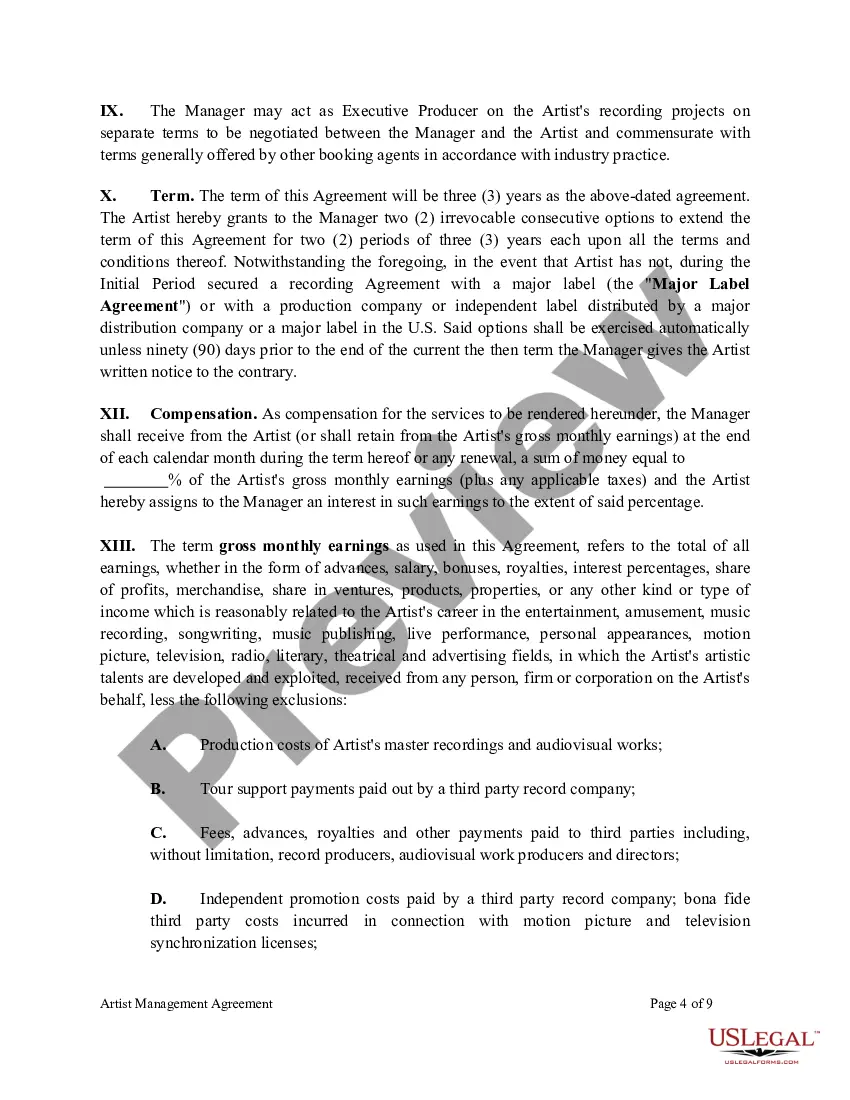
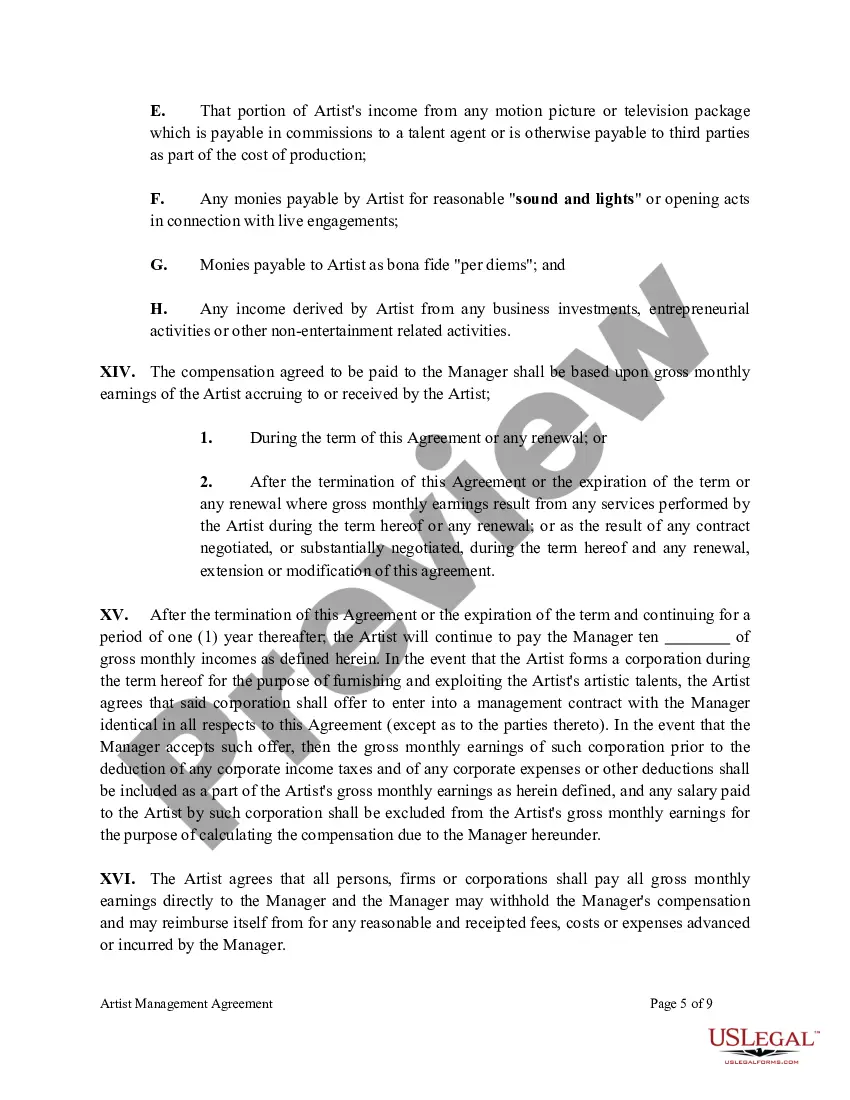
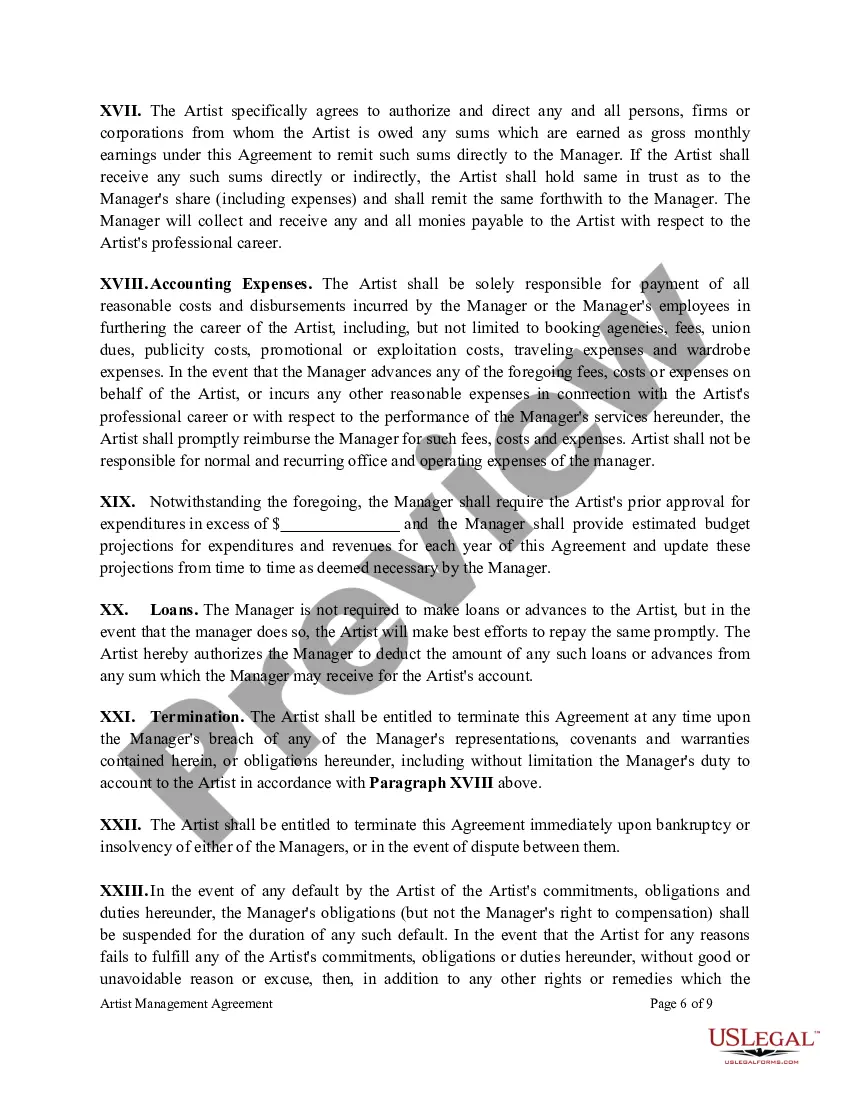
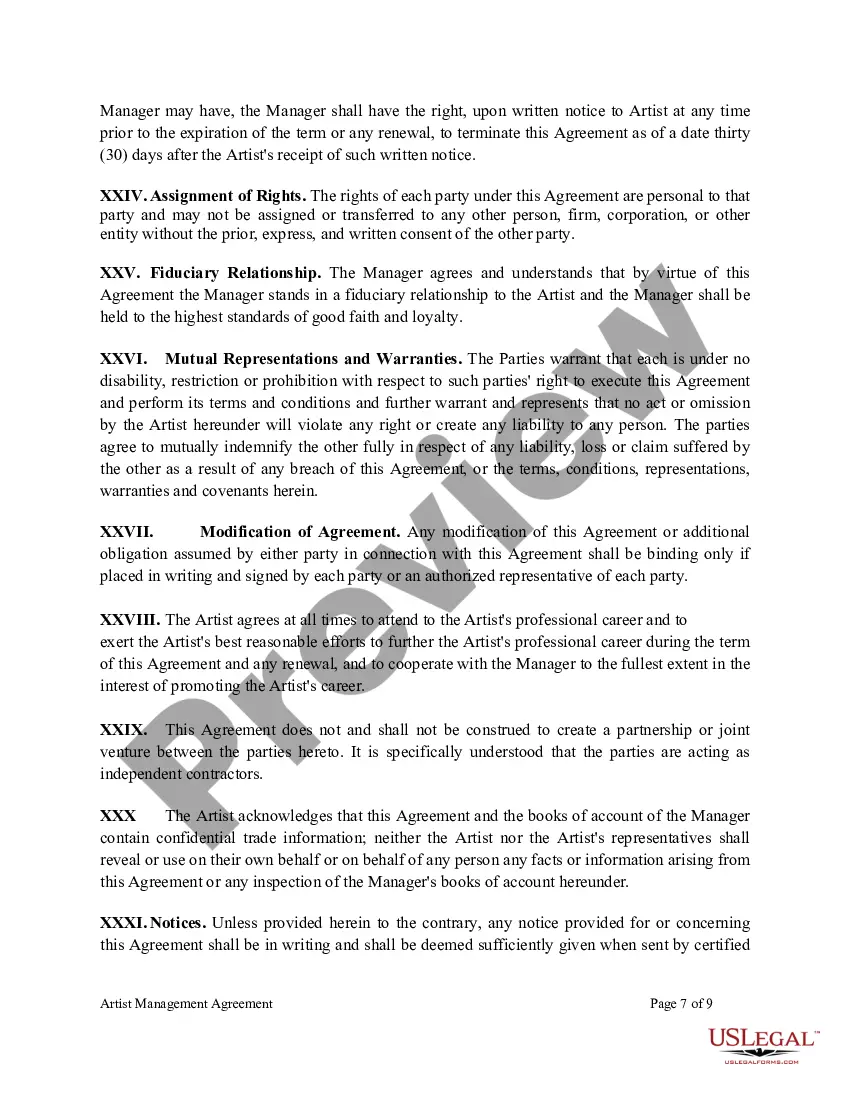
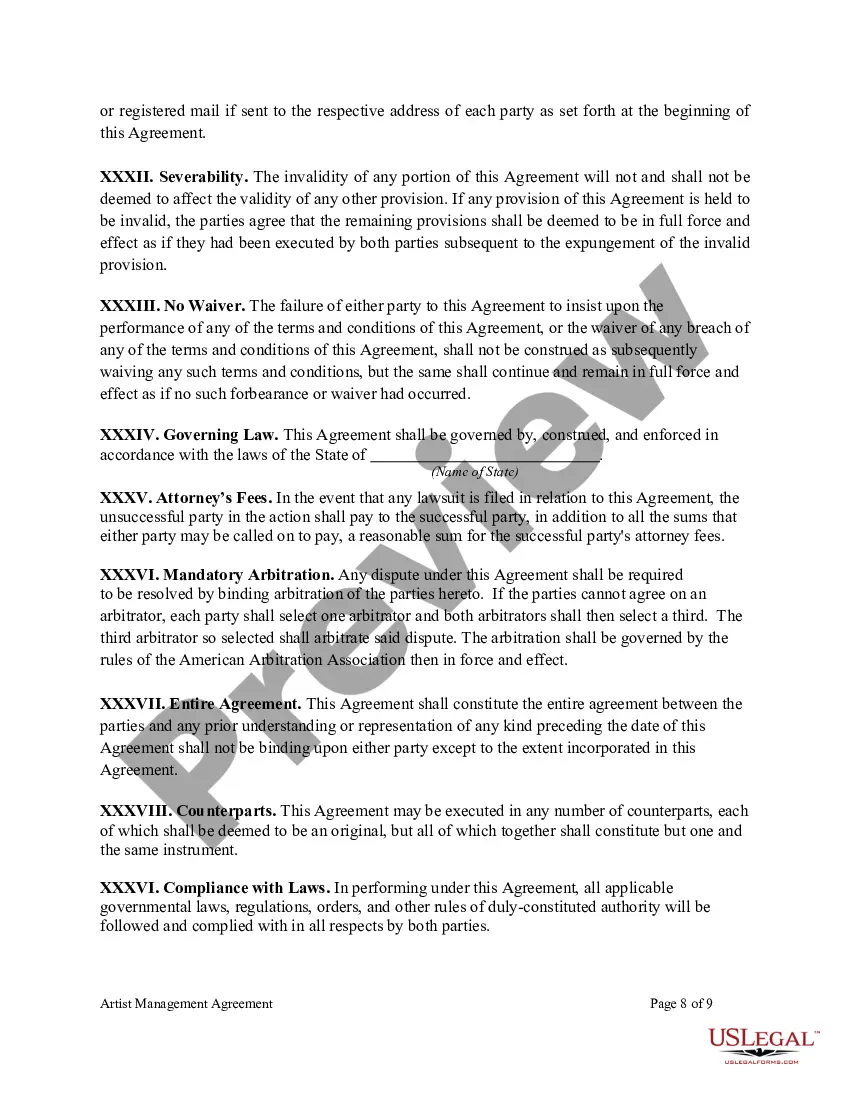

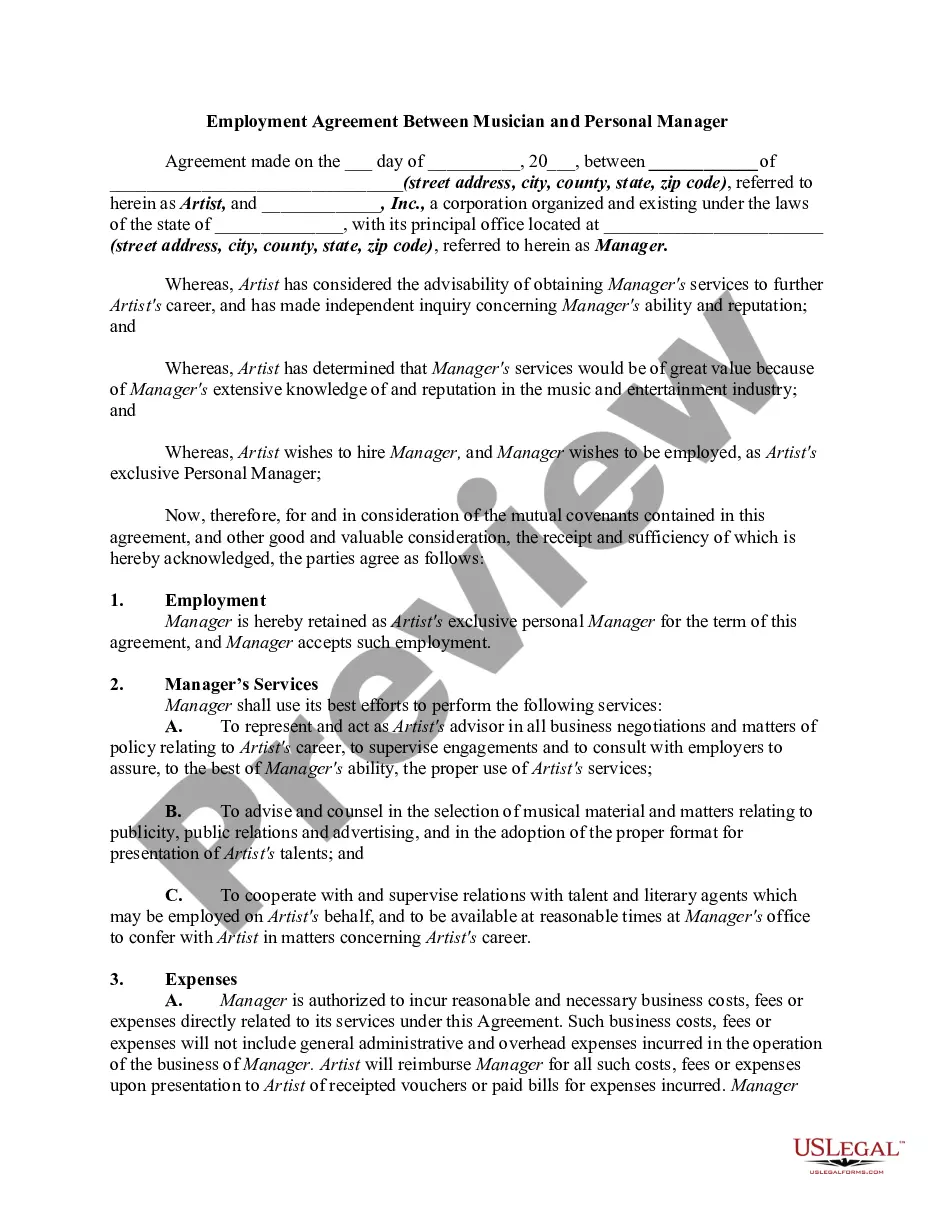

Get your form ready online
Our built-in tools help you complete, sign, share, and store your documents in one place.
Make edits, fill in missing information, and update formatting in US Legal Forms—just like you would in MS Word.
Download a copy, print it, send it by email, or mail it via USPS—whatever works best for your next step.
Sign and collect signatures with our SignNow integration. Send to multiple recipients, set reminders, and more. Go Premium to unlock E-Sign.
If this form requires notarization, complete it online through a secure video call—no need to meet a notary in person or wait for an appointment.
We protect your documents and personal data by following strict security and privacy standards.

Make edits, fill in missing information, and update formatting in US Legal Forms—just like you would in MS Word.

Download a copy, print it, send it by email, or mail it via USPS—whatever works best for your next step.

Sign and collect signatures with our SignNow integration. Send to multiple recipients, set reminders, and more. Go Premium to unlock E-Sign.

If this form requires notarization, complete it online through a secure video call—no need to meet a notary in person or wait for an appointment.

We protect your documents and personal data by following strict security and privacy standards.
Looking for another form?



Form popularity
FAQ
How long is a normal artist manager contract? The standard length of the management contract is three years but it can vary from 2 to 5 years on a case by case basis. Most contracts also include a "Sunset" clause.
For example, with respect to a bond-financed hospital, a contract to provide management services for the entire hospital, a contract for management services for a specific department of the hospital, and an incentive payment contract for physician services to patients of the hospital are each treated as a Management ...
Having an artist management contract in place from the start sets the tone for a happy manager-artist relationship. By including clauses for commissions, term, decision making, sunset periods and exclusivity, you'll have all your legal bases covered from day one.
Some start by managing artists or groups they already know, while others apply for positions at management companies, found their own, or join an artist's team in a different capacity—as a business manager, agent, or personal assistant—before taking over management duties.
When writing a management contract, it's vital to include several things: Duration. Decide how long the contract should be in place. Expectations. Both parties must understand what is expected of them and how their performance will be measured. Payment. Dealing with a breach. Sign.
Duration of the agreement Discuss the length of the agreement and set a definite expiration date with the artist. Make sure to include any conditions or exceptions that may affect the length of the agreement. Decide on the notice period for either party to terminate the agreement before the expiration date.
Write the contract in six steps Start with a contract template. Open with the basic information. Describe in detail what you have agreed to. Include a description of how the contract will be ended. Write into the contract which laws apply and how disputes will be resolved. Include space for signatures.
Contract lifecycle management for each agreement consists of seven high-level stages: Inception: Identifying Contract Requirements and Stakeholders. Contract Negotiation: Drafting and Agreeing on Terms. Execution: Signing and Finalising Agreements. Start-Up: Extracting and Documenting Contract Metadata.
To help you get started, take a look at a few basic components to include in your contract so you can better protect your art business. Client Info. Project Info and Terms. Project Timeline. Costs and Payment Terms. Itemization. Artist's Rights. Cancellation Terms. Acceptance of Agreement.
How do I write a Management Agreement? Introduction. Definition of Services. Term and Termination. Compensation and Fees. Duties and Responsibilities of the Manager. Duties and Responsibilities of the Owner. Accounting and Financial Records. Insurance.
