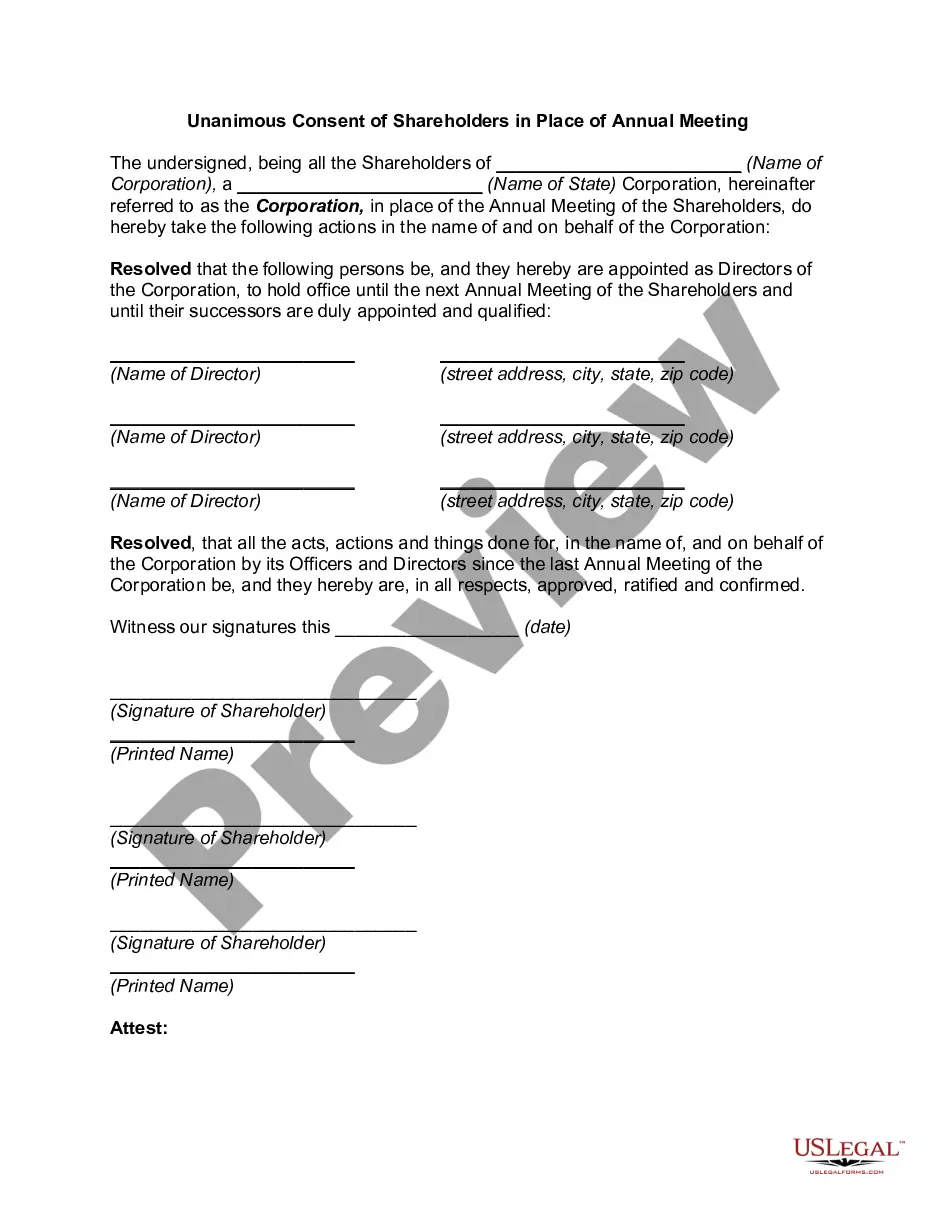
Annual Meeting Resolutions With Manager In Philadelphia
Description



Get your form ready online
Our built-in tools help you complete, sign, share, and store your documents in one place.
Make edits, fill in missing information, and update formatting in US Legal Forms—just like you would in MS Word.
Download a copy, print it, send it by email, or mail it via USPS—whatever works best for your next step.
Sign and collect signatures with our SignNow integration. Send to multiple recipients, set reminders, and more. Go Premium to unlock E-Sign.
If this form requires notarization, complete it online through a secure video call—no need to meet a notary in person or wait for an appointment.
We protect your documents and personal data by following strict security and privacy standards.

Make edits, fill in missing information, and update formatting in US Legal Forms—just like you would in MS Word.

Download a copy, print it, send it by email, or mail it via USPS—whatever works best for your next step.

Sign and collect signatures with our SignNow integration. Send to multiple recipients, set reminders, and more. Go Premium to unlock E-Sign.

If this form requires notarization, complete it online through a secure video call—no need to meet a notary in person or wait for an appointment.

We protect your documents and personal data by following strict security and privacy standards.
Looking for another form?





Form popularity
FAQ
A resolution in lieu of a meeting is a written resolution (signed by all shareholders who are entitled to vote at the meeting) that deals with all matters that need to be addressed at a shareholders' meeting. This resolution is just as valid as it would be if passed at a meeting of shareholders.
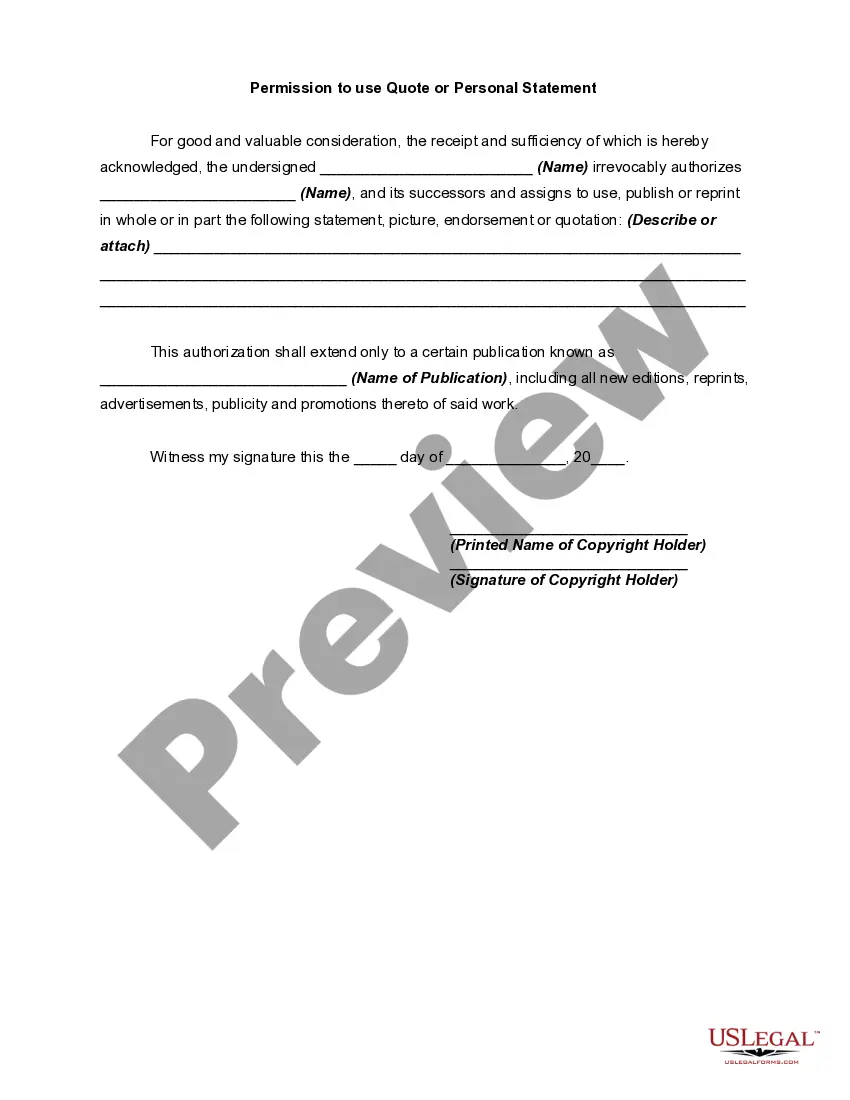
“Written Consent in Lieu of Meeting” is a legal mechanism that allows the board of directors, shareholders, or members of an organization to make a decision or approve a resolution without actually convening a physical or virtual meeting.
Written resolutions are typically used when directors and shareholders are unable to meet in person for any reason. Written resolutions can be passed in all but two instances: The resolution to remove a director. The resolution to remove an auditor before their term of service has expired.
(1) Anything that may be done by a resolution of a company in general meeting may be done, without a meeting and without any previous notice being required, by a written resolution of the members of the company.
While shareholders' meetings represent ownership, board meetings embody the company's leadership. The board of directors, acting as a bridge between management and shareholders, is responsible for making strategic decisions, overseeing management, and safeguarding the company's long-term interests.
A resolution in lieu of a meeting is a written resolution (signed by all shareholders who are entitled to vote at the meeting) that deals with all matters that need to be addressed at a shareholders' meeting. This resolution is just as valid as it would be if passed at a meeting of shareholders.
7 steps for writing a resolution Put the date and resolution number at the top. Give the resolution a title that relates to the decision. Use formal language. Continue writing out each critical statement. Wrap up the heart of the resolution in the last statement.
A resolution has two parts: the heading and the body. The heading is the administrative/organizational portion of a resolution and contains the name of the committee, the topic, and the names of the sponsoring countries, the countries that are signatories, and the committee code.
Members must approve a resolution to accept the report. This resolution can be very simple, for example: “Be it resolved that the annual report of THE CO-OP be accepted as presented.”
To write a board resolution, include: Title: Use the title to state that the document is a resolution clearly. Date: This should be the date the resolution is being proposed. Resolution Number: Give the resolution a unique identifier ing to your record-keeping system.

