File An Accident Report With Dmv In Sacramento
Description

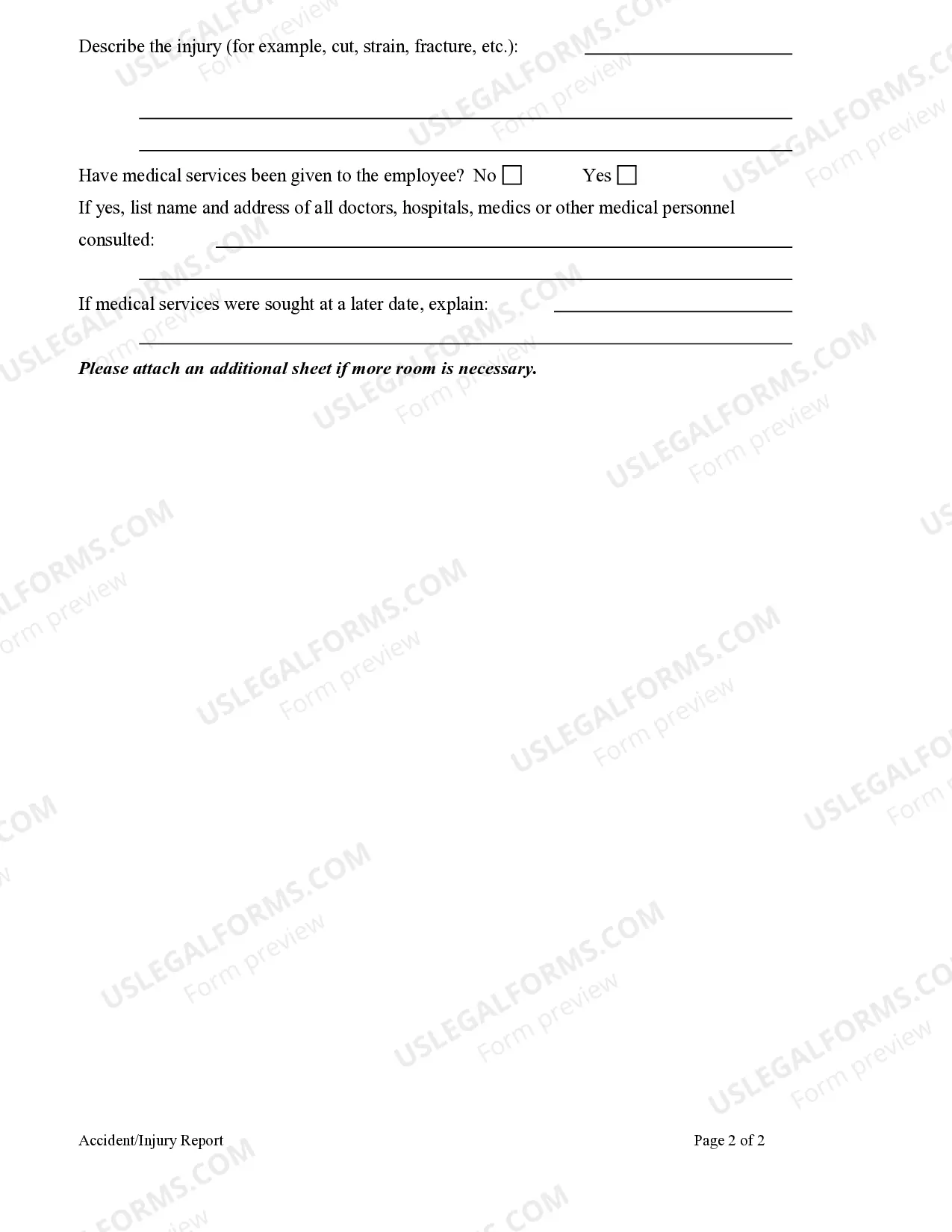
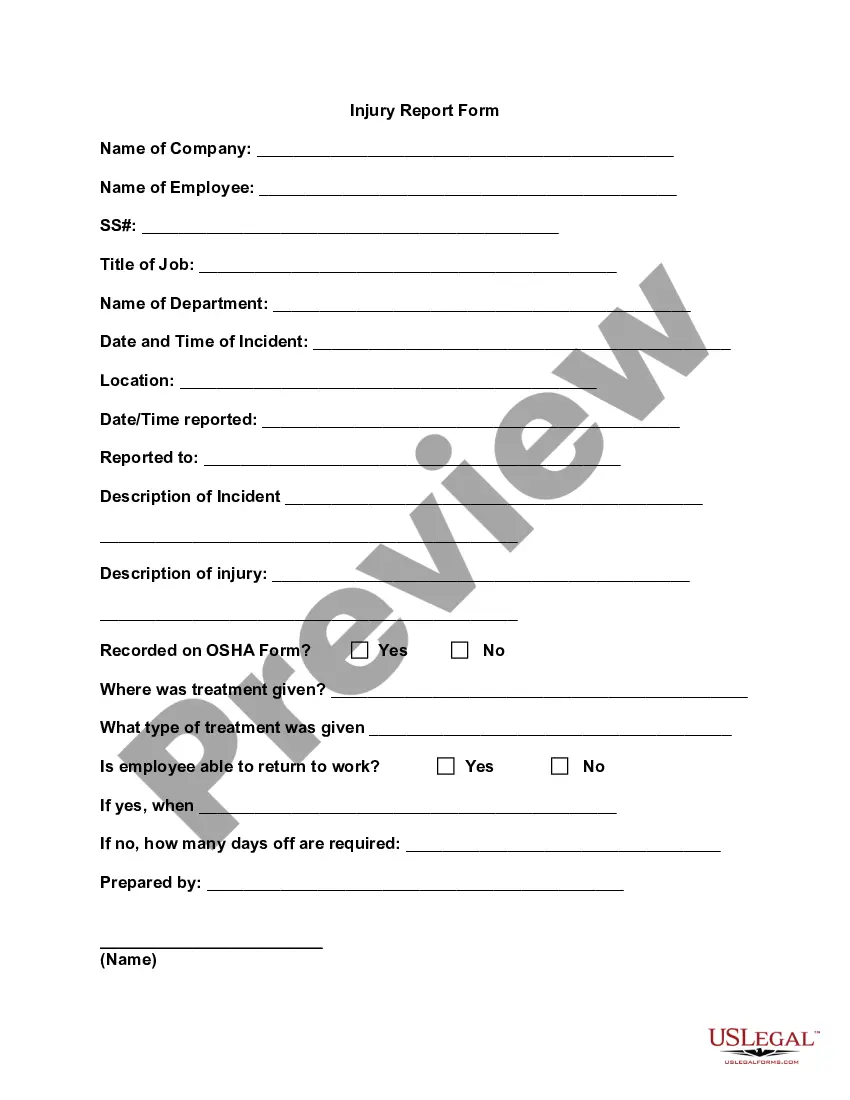
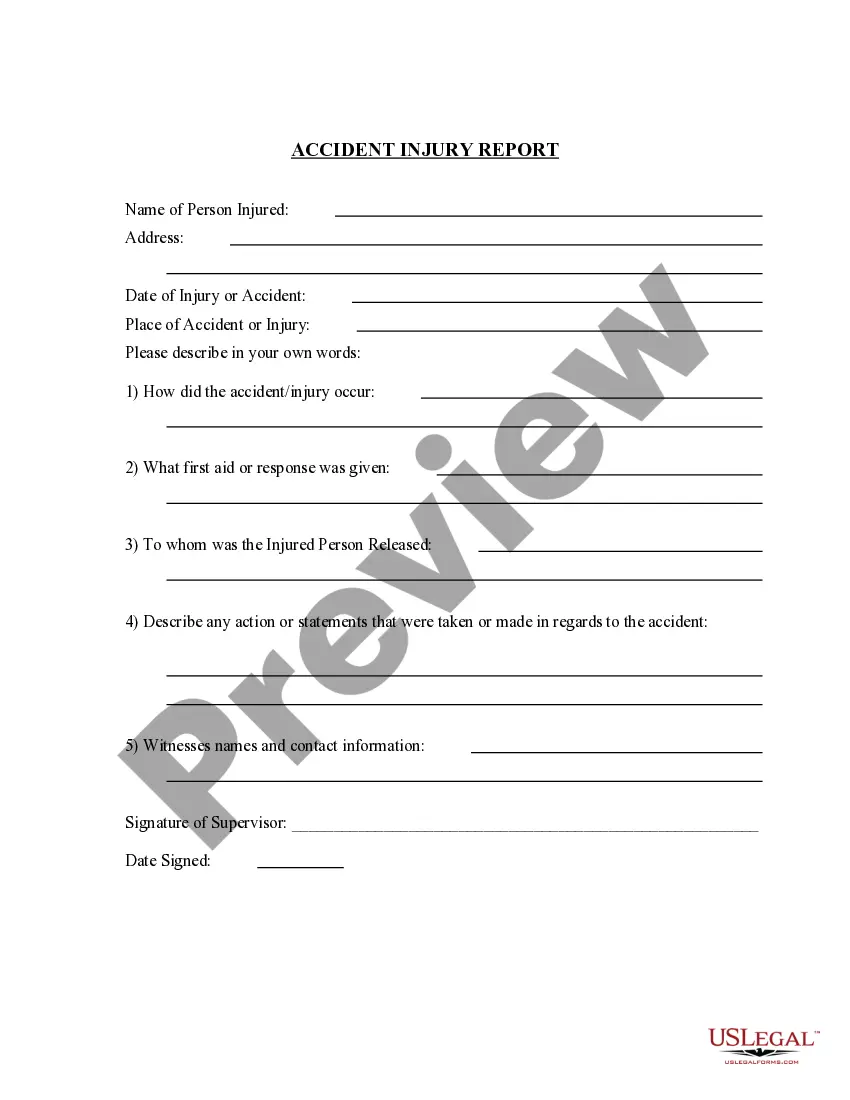
Get your form ready online
Our built-in tools help you complete, sign, share, and store your documents in one place.
Make edits, fill in missing information, and update formatting in US Legal Forms—just like you would in MS Word.
Download a copy, print it, send it by email, or mail it via USPS—whatever works best for your next step.
Sign and collect signatures with our SignNow integration. Send to multiple recipients, set reminders, and more. Go Premium to unlock E-Sign.
If this form requires notarization, complete it online through a secure video call—no need to meet a notary in person or wait for an appointment.
We protect your documents and personal data by following strict security and privacy standards.

Make edits, fill in missing information, and update formatting in US Legal Forms—just like you would in MS Word.

Download a copy, print it, send it by email, or mail it via USPS—whatever works best for your next step.

Sign and collect signatures with our SignNow integration. Send to multiple recipients, set reminders, and more. Go Premium to unlock E-Sign.

If this form requires notarization, complete it online through a secure video call—no need to meet a notary in person or wait for an appointment.

We protect your documents and personal data by following strict security and privacy standards.
Looking for another form?


Form popularity
FAQ
It's usually a good idea to report an accident to your insurance company, even if you're not at fault. Reporting ensures coverage for repairs, access to medical benefits, legal protection, assistance with third-party claims, and compliance with policy requirements.
Reporting a Collision to DMV When you have a collision, report it to DMV using an SR-1 report. You or your insurance agent, broker, or legal representative must complete an SR-1 report and send it to DMV within 10 days if someone is injured (no matter how minor the injury) or killed, or property damage is over $1000.
How Long Do You Have to Report an Accident to Insurance In California? Report accidents to your insurer within the stipulated period, often 72 hours, to avoid claim denial. In California, under CCP § 335.1, you have two years to file a personal injury or wrongful death lawsuit.
Reporting a Collision to DMV When you have a collision, report it to DMV using an SR-1 report. You or your insurance agent, broker, or legal representative must complete an SR-1 report and send it to DMV within 10 days if someone is injured (no matter how minor the injury) or killed, or property damage is over $1000.
Requesting a Copy of a California Accident Report By mail. Print and fill out an Application for Release of Information. Then, mail it to the office that received your report – usually in the county where the accident took place – along with your payment. This is usually around $10.
Generally, the limitation period is 2 years from the date the injury occurred. If an injured party does not file a claim within this legal timeline, they risk losing the right to pursue any compensation for their injuries and the courts will likely refuse to hear the case.
The DMV requires that accidents be filed using the SR-1 Accident Reporting Form. The California DMV website allows you to fill out the form and submit it online. You can also download a copy to deliver in person.
The California statute of limitations sets specific deadlines for filing lawsuits. For personal injury cases like car accident lawsuits, you have two years from the date of the accident. If you're dealing with damage to your vehicle but no injuries, you have three years to file.
If you don't report an accident within 24 hours in California, you could lose your driving privileges. Failing to report may also lead to hit-and-run charges, resulting in potential criminal consequences.
