Exhibition Contract Template For Contractors In Los Angeles
Description




Form popularity
FAQ
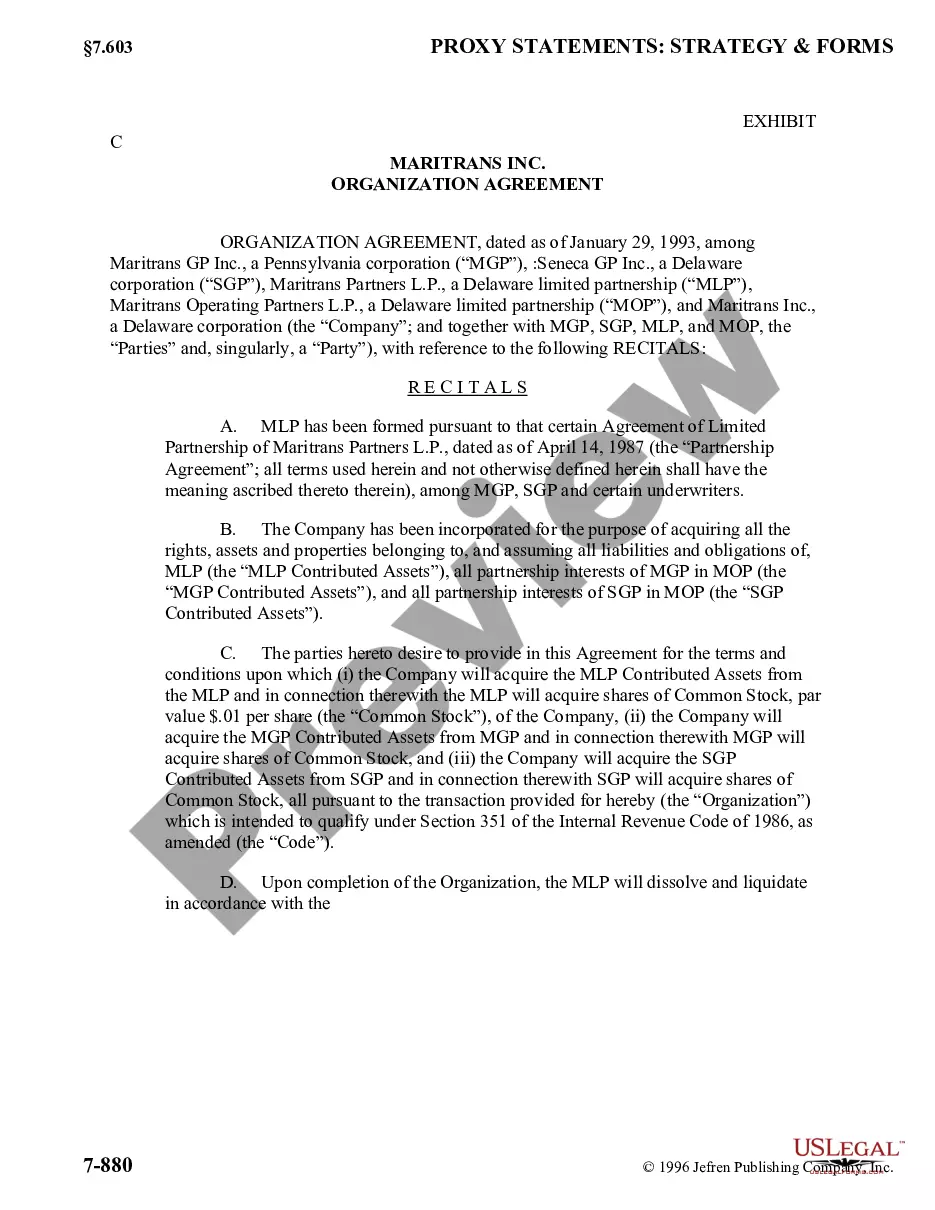
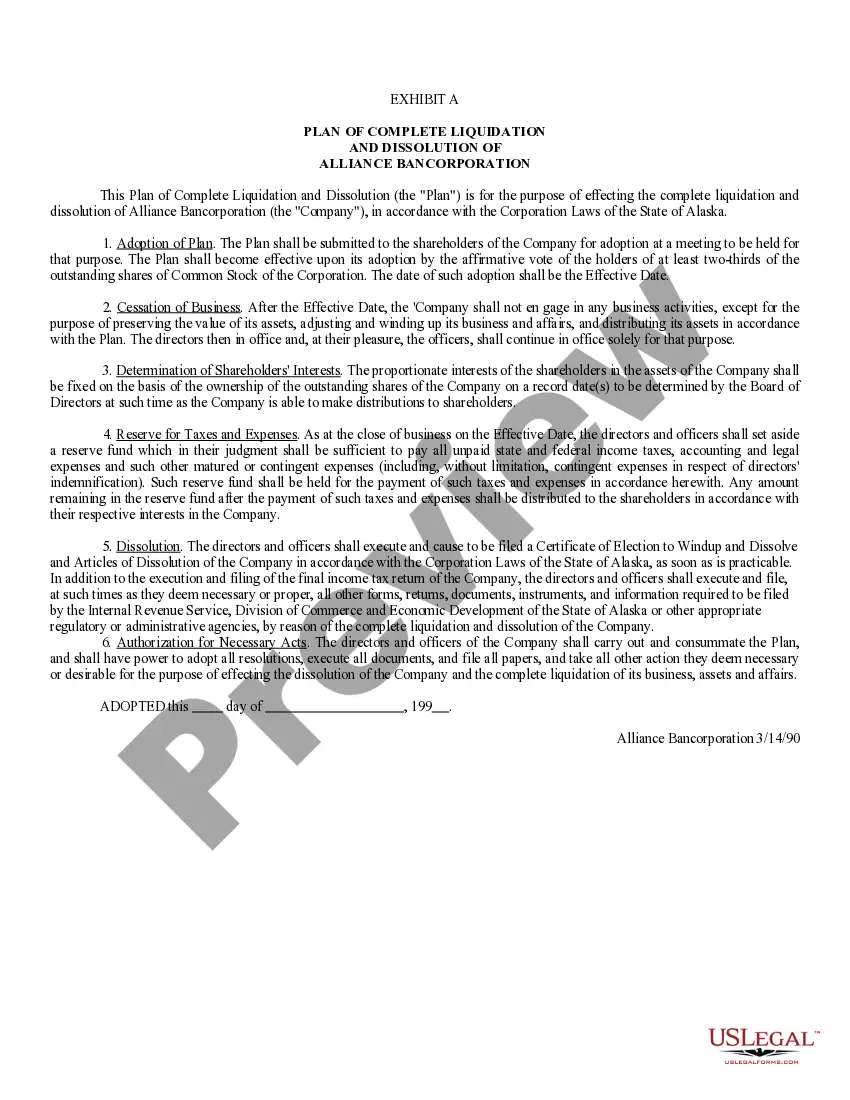
Complete the legal document to determine where to attach the exhibit. Include a typed notation within the body of the legal document where the exhibit should be referenced. Thereafter, assign the exhibit with an identifying number or letter.
How to draft a contract between two parties: A step-by-step checklist Know your parties. Agree on the terms. Set clear boundaries. Spell out the consequences. Specify how you will resolve disputes. Cover confidentiality. Check the legality of the contract. Open it up to negotiation.
A simple contract might include an agreement between two acquaintances to exchange one service for another. For example, if one person is a plumber and the other an electrician, they might agree to complete certain work for each other as a trade exchange.
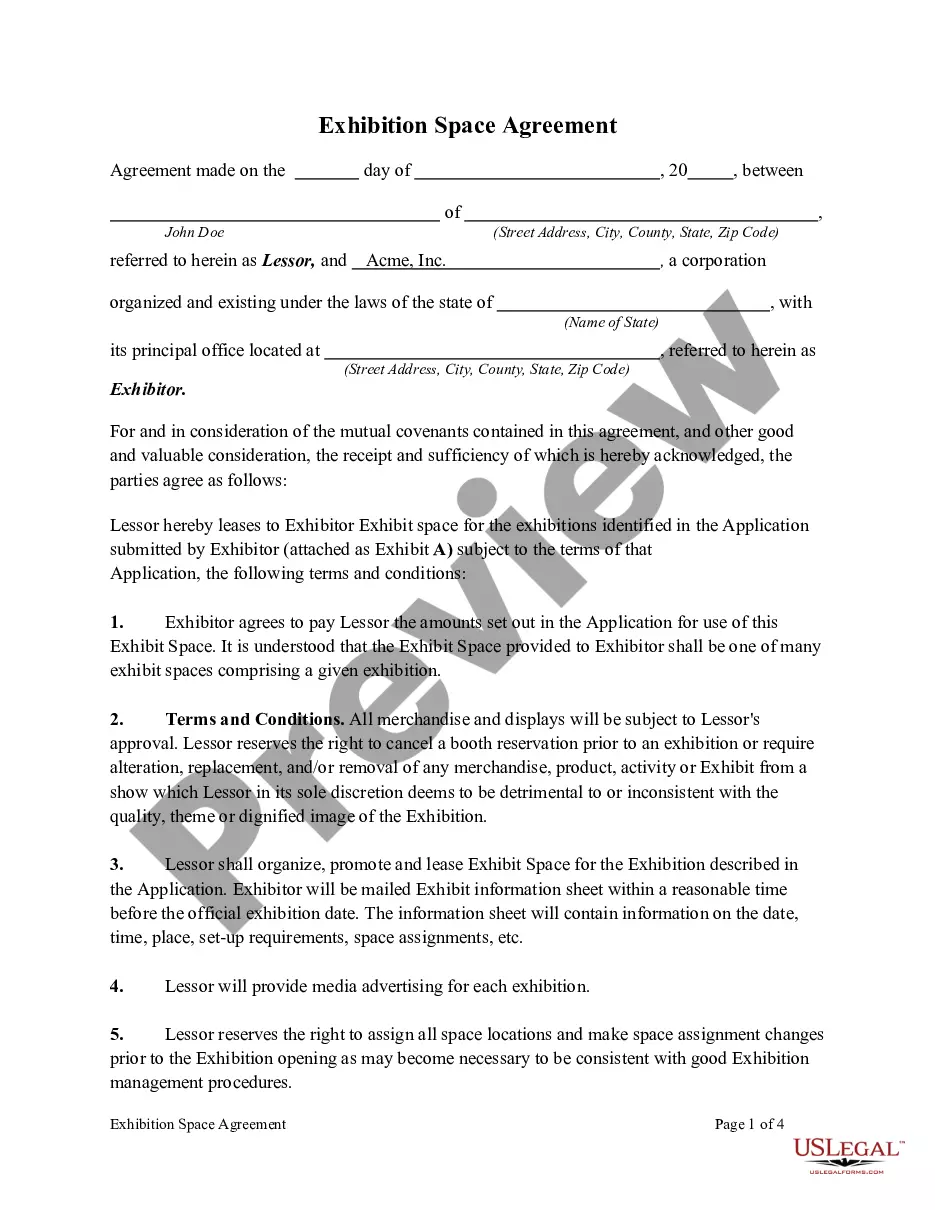
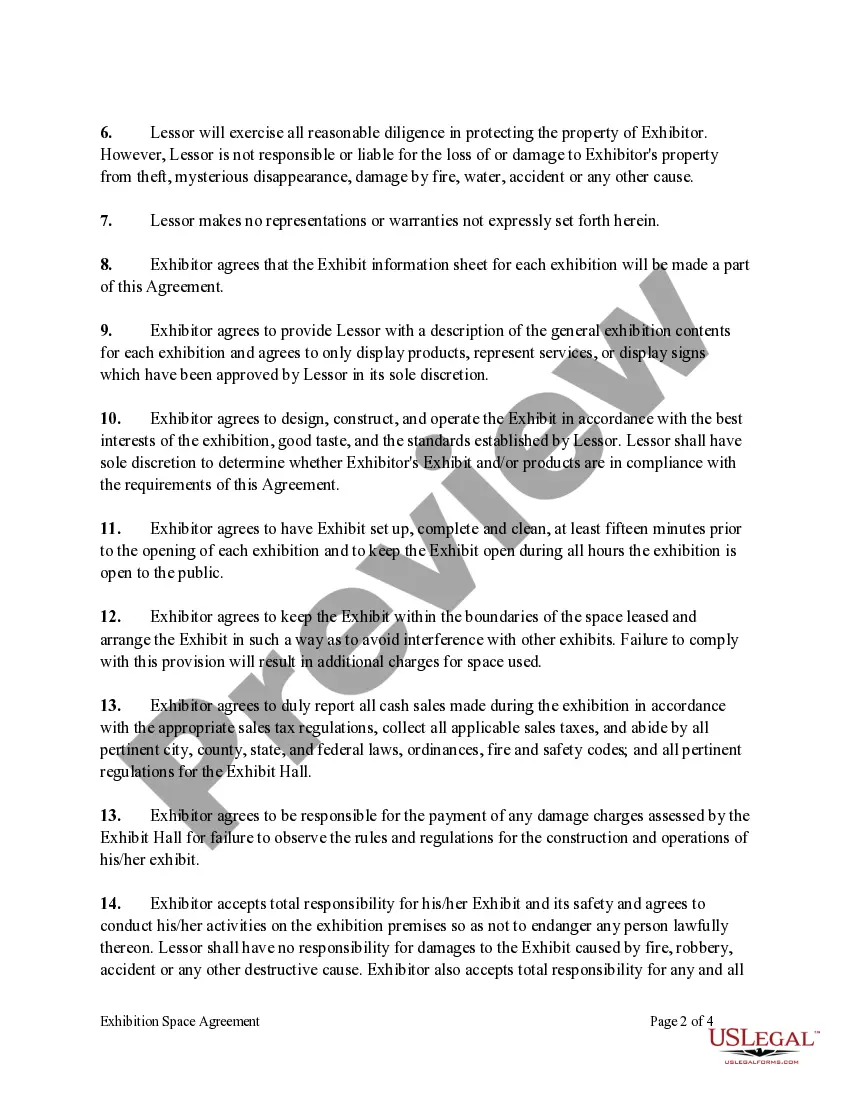
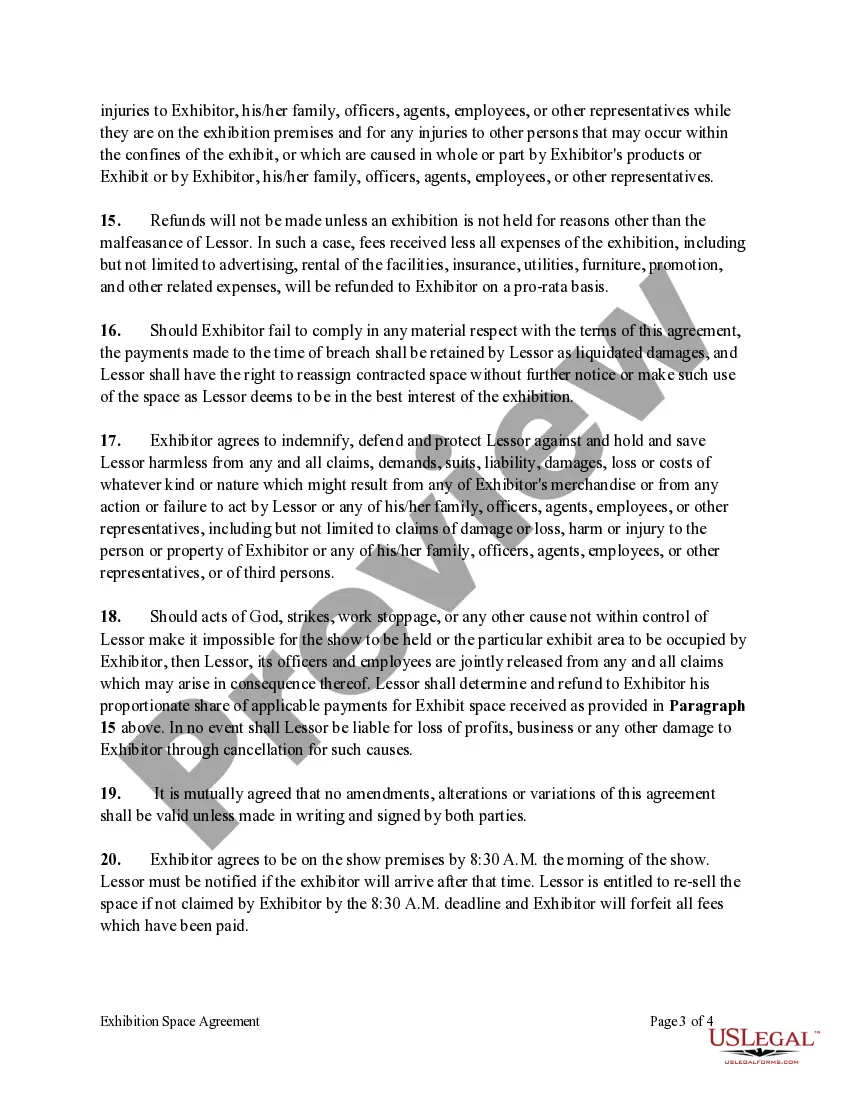
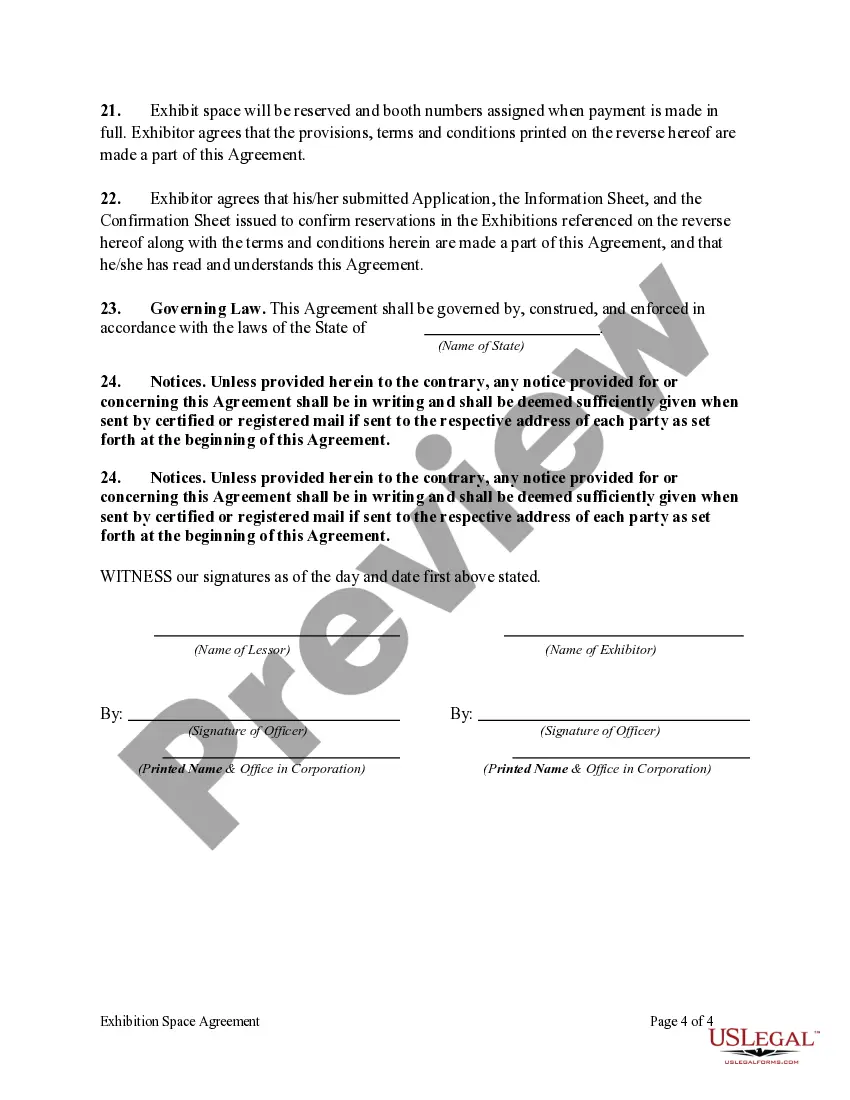
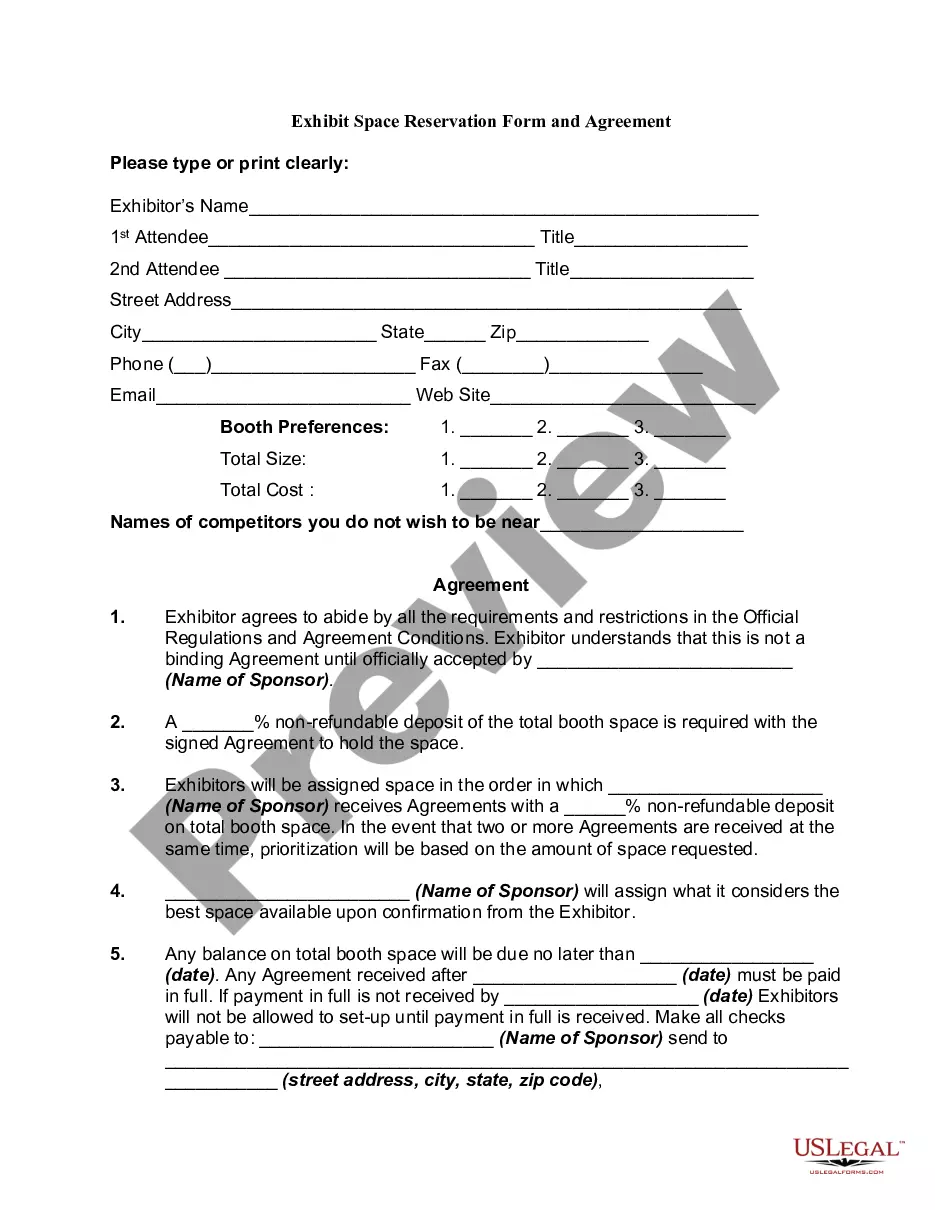
An exhibition agreement is a contract between an exhibition institution and an artist that allows the institution to display art temporarily. The contract identifies the institution and the artist and mentions which works of art are applicable to the contract.
A comprehensive guide on how to draft a contract Know your parties. Agree on the terms. Set clear boundaries. Spell out the consequences. Specify how you will resolve disputes. Cover confidentiality. Check the legality of the contract. Open it up to negotiation.
Write the contract in six steps Start with a contract template. Open with the basic information. Describe in detail what you have agreed to. Include a description of how the contract will be ended. Write into the contract which laws apply and how disputes will be resolved. Include space for signatures.
An exhibition agreement is a contract between an exhibition institution and an artist that allows the institution to display art temporarily. The contract identifies the institution and the artist and mentions which works of art are applicable to the contract.
An exhibit supplements a contract by providing additional information and context. Both addendums and exhibits are essential and serve various purposes across various industries.
Summary. To summarize, a contract can be considered legally binding even if all signatures are not present, as long as the actions and intentions of the parties involved align with what was agreed upon. While verbal contracts hold legal weight, they often pose challenges in terms of providing evidence in court.
Exhibits, though often included by reference, may also require signatures depending on the contract's terms.
