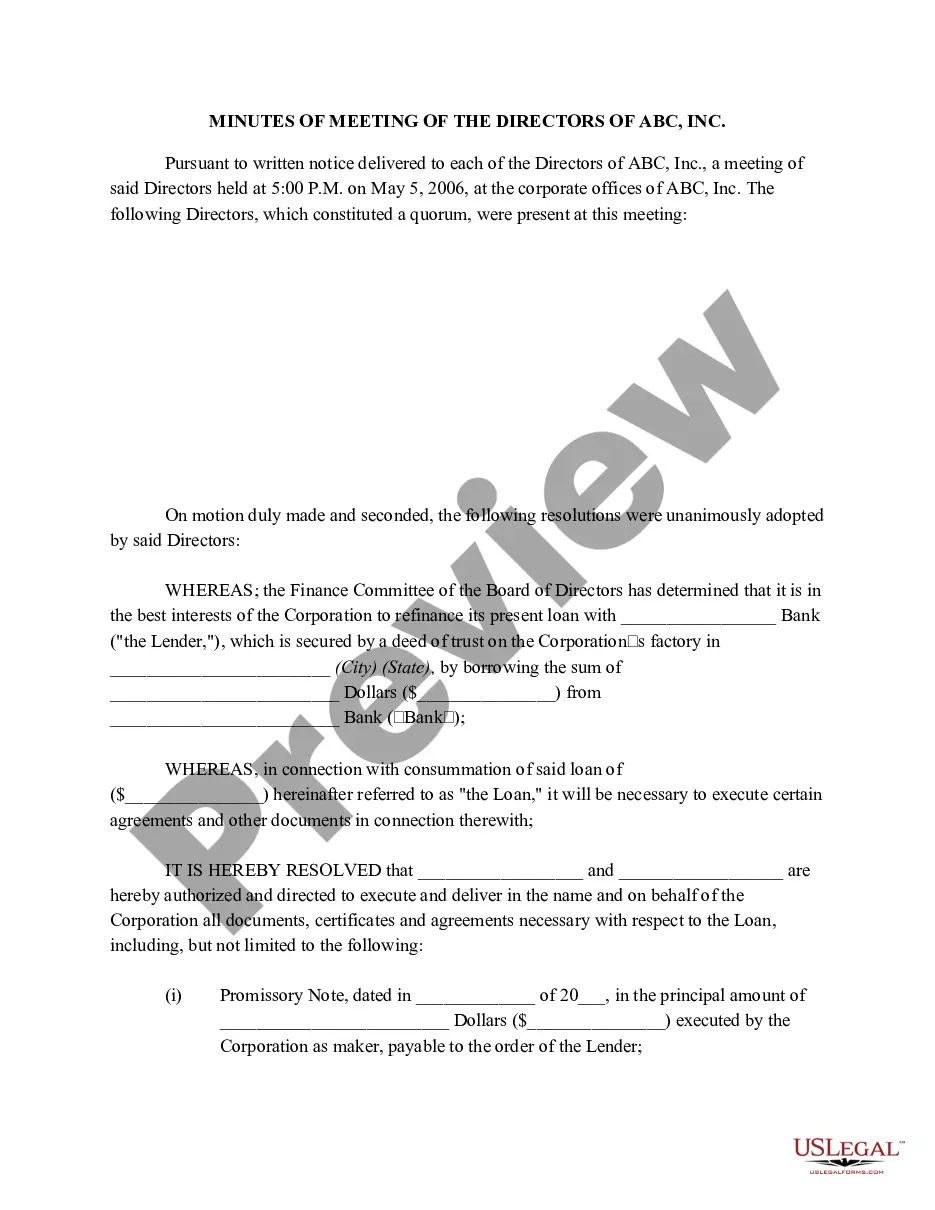
Corporate Refusal For 501 In Dallas
Description
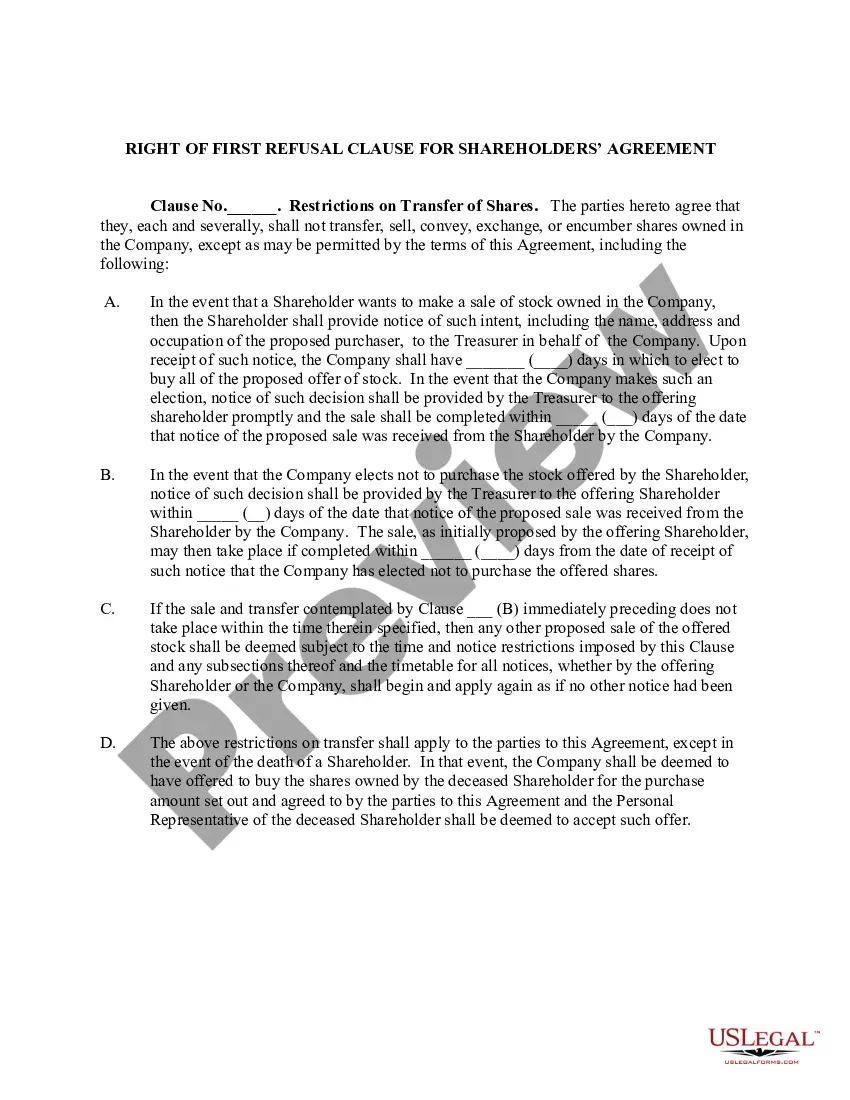
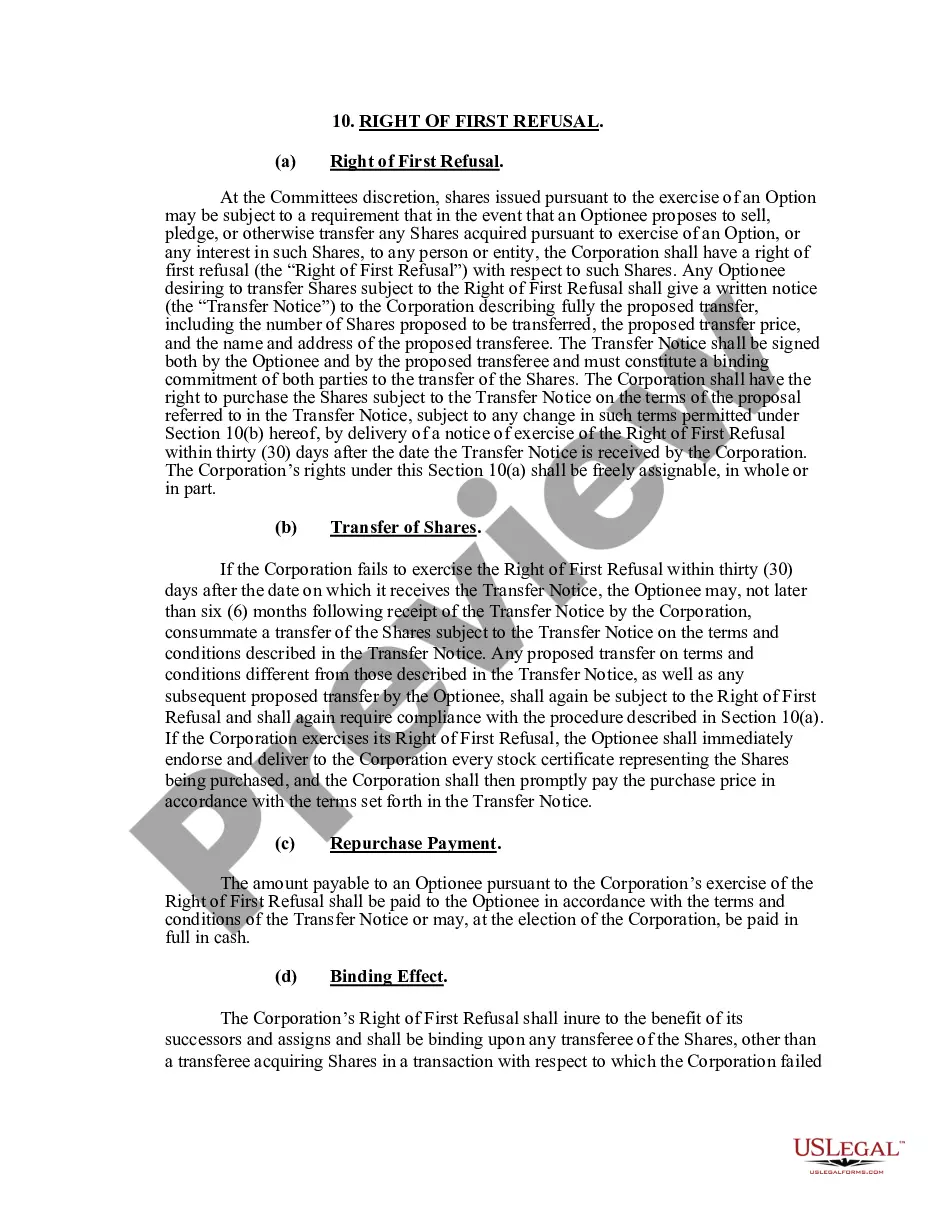
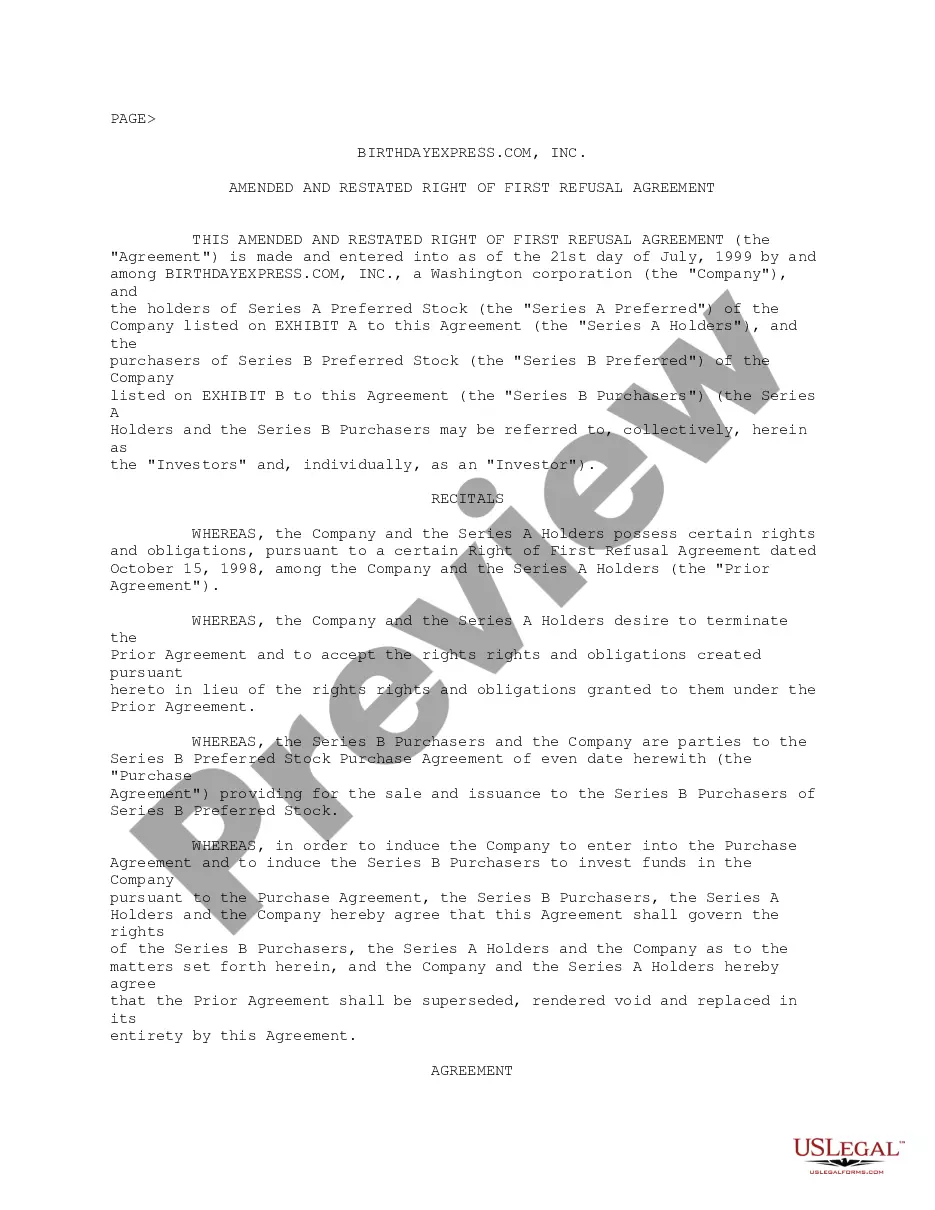
Get your form ready online
Our built-in tools help you complete, sign, share, and store your documents in one place.
Make edits, fill in missing information, and update formatting in US Legal Forms—just like you would in MS Word.
Download a copy, print it, send it by email, or mail it via USPS—whatever works best for your next step.
Sign and collect signatures with our SignNow integration. Send to multiple recipients, set reminders, and more. Go Premium to unlock E-Sign.
If this form requires notarization, complete it online through a secure video call—no need to meet a notary in person or wait for an appointment.
We protect your documents and personal data by following strict security and privacy standards.
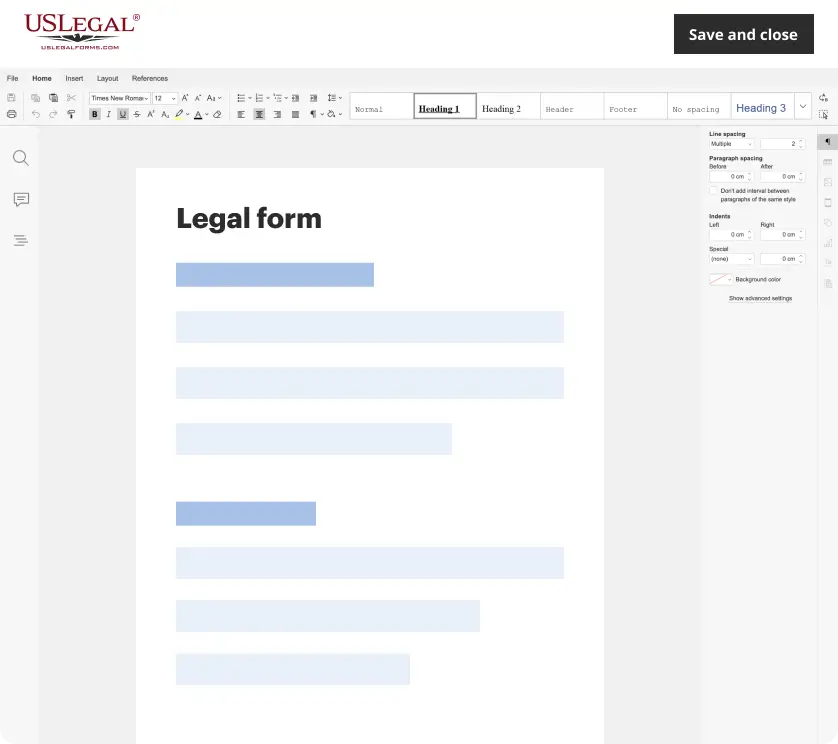
Make edits, fill in missing information, and update formatting in US Legal Forms—just like you would in MS Word.
Download a copy, print it, send it by email, or mail it via USPS—whatever works best for your next step.
Sign and collect signatures with our SignNow integration. Send to multiple recipients, set reminders, and more. Go Premium to unlock E-Sign.

If this form requires notarization, complete it online through a secure video call—no need to meet a notary in person or wait for an appointment.
We protect your documents and personal data by following strict security and privacy standards.
Looking for another form?
Form popularity
FAQ
Charities and tax-exempt entities are exempt from CTA reporting requirements. Charities and tax-exempt entities formed after Jan. 1, 2024, must file an initial CTA beneficial ownership information report within 90 days of its formation.
The Texas Attorney General has statutory authority to (1) investigate charities that operate as nonprofit corporations, and (2) inspect the books and records of all corporations, including nonprofit corporations. The secretary of state has no such authority.
In order to become a tax-exempt nonprofit, one must file for tax-exempt status. This is a difficult process and professional help is often recommended. The most common way to become a tax-exempt nonprofit is by establishing the organization as a section 501(c)(3) entity with the IRS.
Exemption requirements - 501(c)(3) organizations In addition, it may not be an action organization, i.e., it may not attempt to influence legislation as a substantial part of its activities and it may not participate in any campaign activity for or against political candidates.
Public officials in government are directly accountable to their constituents and must be elected and reelected by those they serve. In the nonprofit sector, organizations are meant to be accountable to their boards, donors, community partners, staff members, grantees, and volunteers.
Mail to IRS EO Classification, Mail Code 4910DAL, 1100 Commerce St., Dallas, TX 75242-1198 Fax to 214-413-5415, or Email to eoclass@irs. The IRS takes all complaints seriously and scrutinizes all referrals. For more information, go to: /IRS.
Members of the public may send information that raises questions about an exempt organization's compliance with the Internal Revenue Code to IRS – EO Referrals, 1100 Commerce Street, MC 4910 DAL, Dallas, TX 75242. They may use Form 13909, Tax-Exempt Organization Complaint (Referral) Form, for this purpose.
Nonprofits with annual revenue of less than $200,000 and assets valued at less than $500,000 may file the Form 990-EZ, or may elect to file the Form 990. Nonprofits with annual revenue of $500,000 or more must file the Form 990.