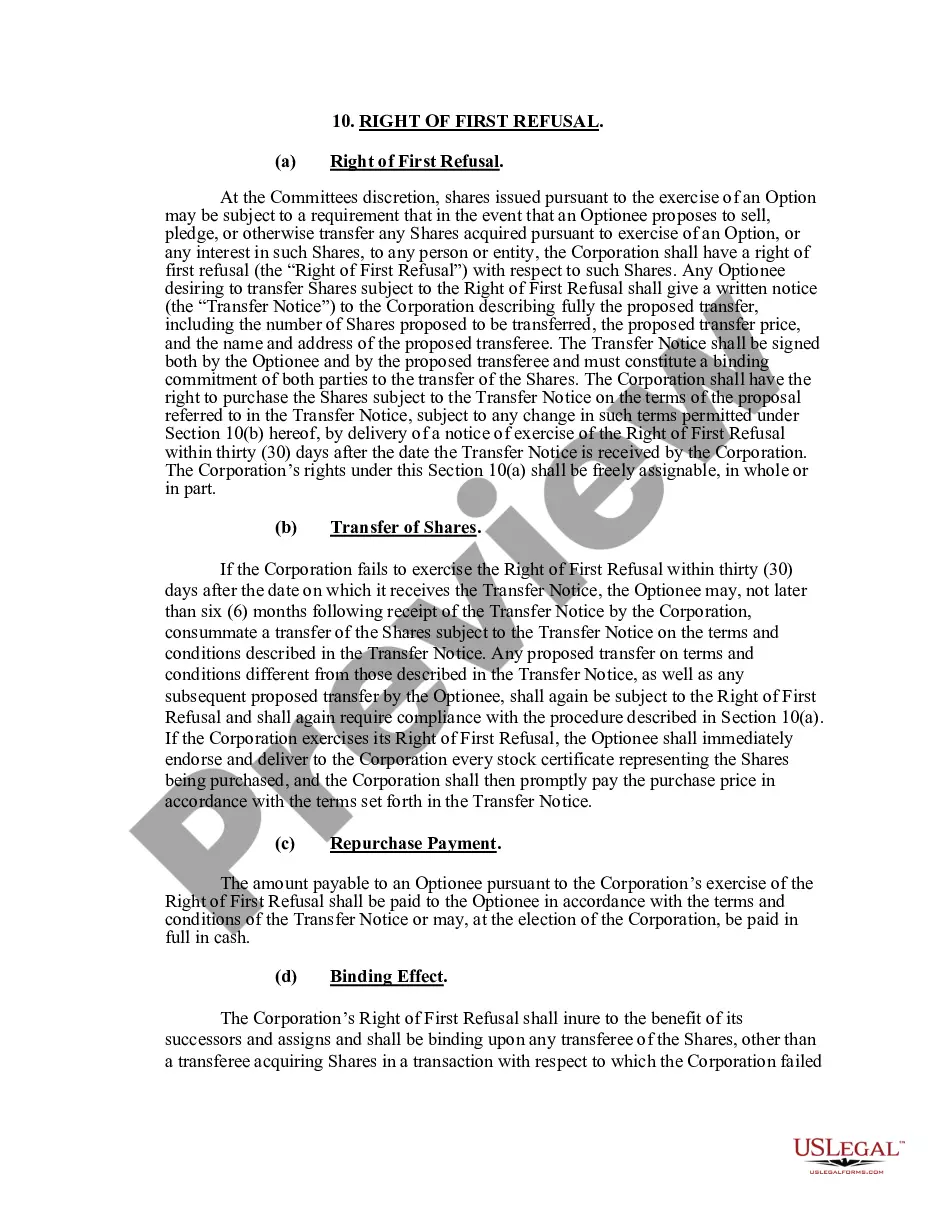
Corporate Refusal For 401 In Montgomery
Description
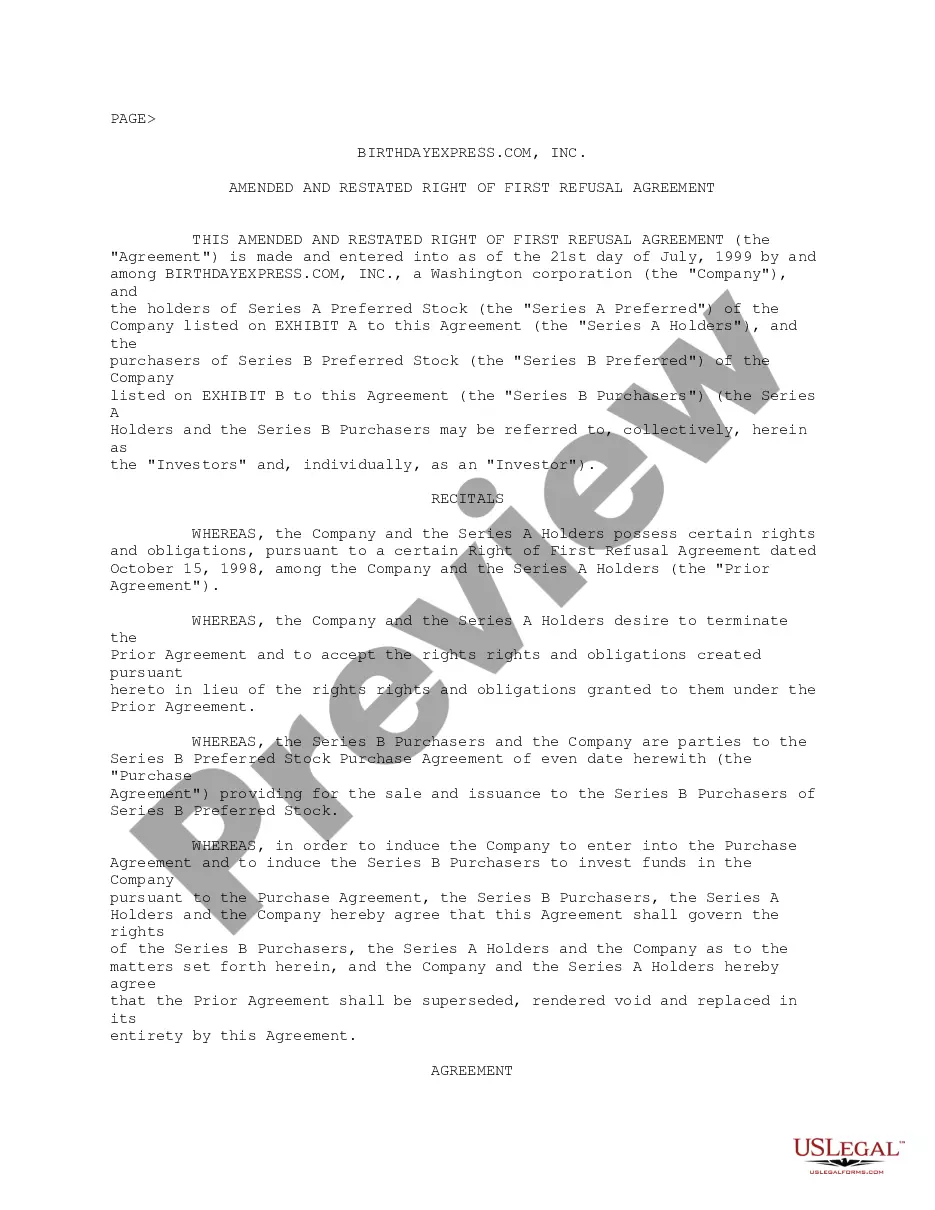
Get your form ready online
Our built-in tools help you complete, sign, share, and store your documents in one place.
Make edits, fill in missing information, and update formatting in US Legal Forms—just like you would in MS Word.
Download a copy, print it, send it by email, or mail it via USPS—whatever works best for your next step.
Sign and collect signatures with our SignNow integration. Send to multiple recipients, set reminders, and more. Go Premium to unlock E-Sign.
If this form requires notarization, complete it online through a secure video call—no need to meet a notary in person or wait for an appointment.
We protect your documents and personal data by following strict security and privacy standards.
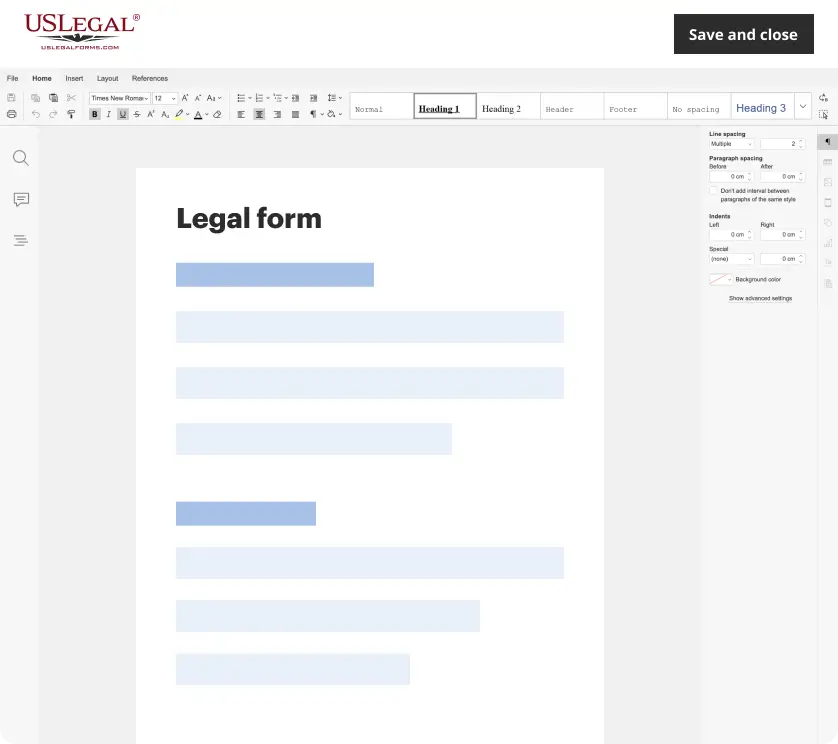
Make edits, fill in missing information, and update formatting in US Legal Forms—just like you would in MS Word.
Download a copy, print it, send it by email, or mail it via USPS—whatever works best for your next step.
Sign and collect signatures with our SignNow integration. Send to multiple recipients, set reminders, and more. Go Premium to unlock E-Sign.
If this form requires notarization, complete it online through a secure video call—no need to meet a notary in person or wait for an appointment.
We protect your documents and personal data by following strict security and privacy standards.
Looking for another form?
Form popularity
FAQ
Current law allows employers to "force out" 401(k) accounts of $5,000 or less if their owners leave the company, perhaps for another job or due to a layoff. The smallest balances, less than $1,000, can be cashed out while the rest can be rolled to an individual retirement account.
First, the answer is NO. No company can legally mandate that employees sign up for 401k - regardless of the matching issue. However, all companies are mandated by law to automatically enroll employees into retirement plans UNLESS employees opt out of this program.
If your company does not offer a 401-K plan or does not have a defined pension benefit plan then the employee can open their own retirement account which is called an IRA or individual retirement account.
If your company does not offer a 401-K plan or does not have a defined pension benefit plan then the employee can open their own retirement account which is called an IRA or individual retirement account.
There are a variety of reasons a small business may not think a 401(k) plan is a viable option for them, but there are three that are the most common: "My company isn't big enough." "I can't afford to sponsor a plan. That's way too expensive."
Yes, you can generally decline a 401(k) offer when you start a new job. Employers typically provide options for retirement plans, but participation is usually voluntary. If you choose not to enroll in the 401(k) plan, you can simply inform your HR department or the plan administrator of your decision.
How to Locate a 401(k) From a Previous Job Contact previous employers. It may seem obvious, but one of the quickest ways to track down an old 401(k) plan is to go directly to the source. Review past W-2 tax forms. Check your mail. Search the National Registry. Search Form 5500 Directory. State unclaimed property.