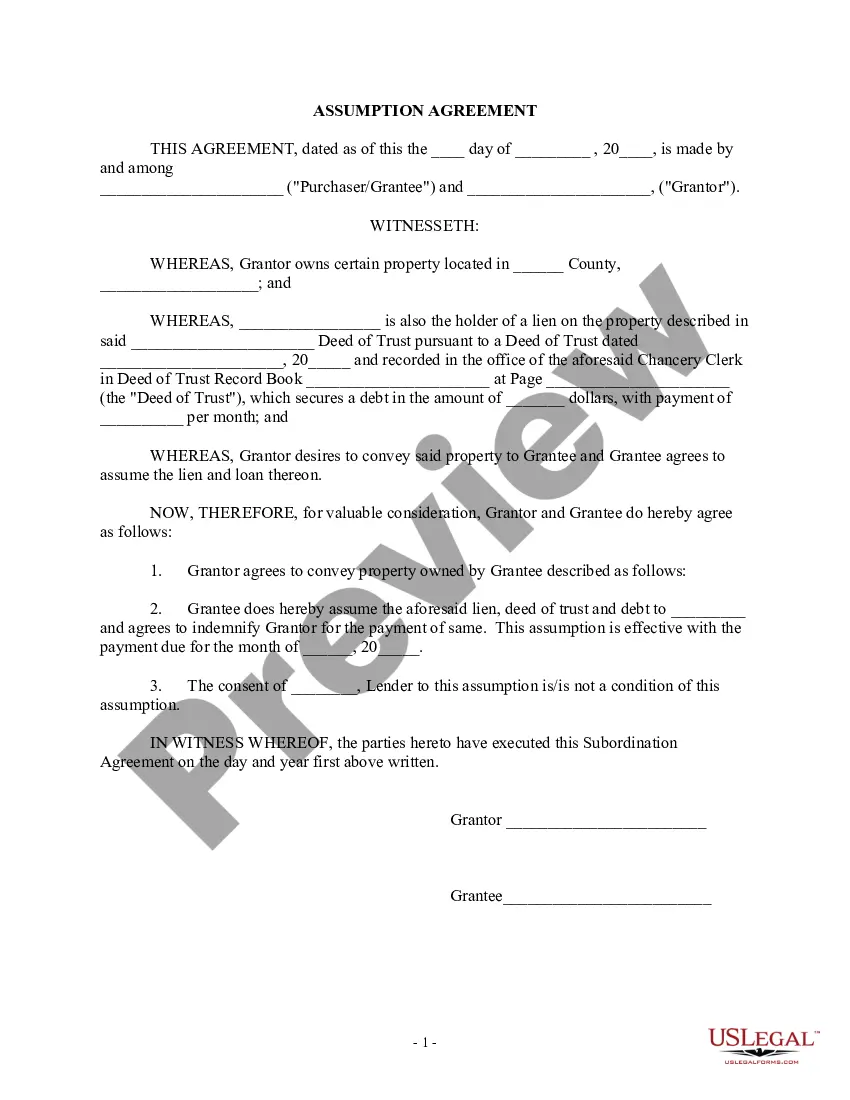
Judgment Against Property Without Income Proof In Mecklenburg
Description




Get your form ready online
Our built-in tools help you complete, sign, share, and store your documents in one place.
Make edits, fill in missing information, and update formatting in US Legal Forms—just like you would in MS Word.
Download a copy, print it, send it by email, or mail it via USPS—whatever works best for your next step.
Sign and collect signatures with our SignNow integration. Send to multiple recipients, set reminders, and more. Go Premium to unlock E-Sign.
If this form requires notarization, complete it online through a secure video call—no need to meet a notary in person or wait for an appointment.
We protect your documents and personal data by following strict security and privacy standards.

Make edits, fill in missing information, and update formatting in US Legal Forms—just like you would in MS Word.

Download a copy, print it, send it by email, or mail it via USPS—whatever works best for your next step.

Sign and collect signatures with our SignNow integration. Send to multiple recipients, set reminders, and more. Go Premium to unlock E-Sign.

If this form requires notarization, complete it online through a secure video call—no need to meet a notary in person or wait for an appointment.

We protect your documents and personal data by following strict security and privacy standards.
Looking for another form?
Form popularity
FAQ
Being judgment proof typically means having few assets and little earned income. Creditors cannot seize the assets or garnish the income of someone who is judgment proof. Social Security, child support, and unemployment benefits are types of income that generally can't be garnished by creditors.
The short answer is yes, but it's not always easy or common for a judgment creditor to take your car. If a creditor sues you and wins, they can request a judgment lien against your property, including your car.
In North Carolina, a judgment (and the lien on real property created by the judgment) expire ten years from the date of the judgment. The statutes provide that no execution may be issued after the judgment, and its corresponding lien, expire.
Household exemption typically includes clothing, furnishings, appliances, books, and other household items that are used as part of everyday residential existence.
Being judgment proof typically means having few assets and little earned income. Creditors cannot seize the assets or garnish the income of someone who is judgment proof. Social Security, child support, and unemployment benefits are types of income that generally can't be garnished by creditors.
Landlords cannot force tenants out of their homes without going to court, for instance, by changing the locks, turning off utilities or removing the doors.
The judgment debtor may have exemptions under State and federal law that are in addition to those listed on the form for the debtor's statement that is included with the notice, such as Social Security benefits, unemployment benefits, workers' compensation benefits, and earnings for the debtor's personal services ...