Letter For Recovery Debt In Alameda
Description



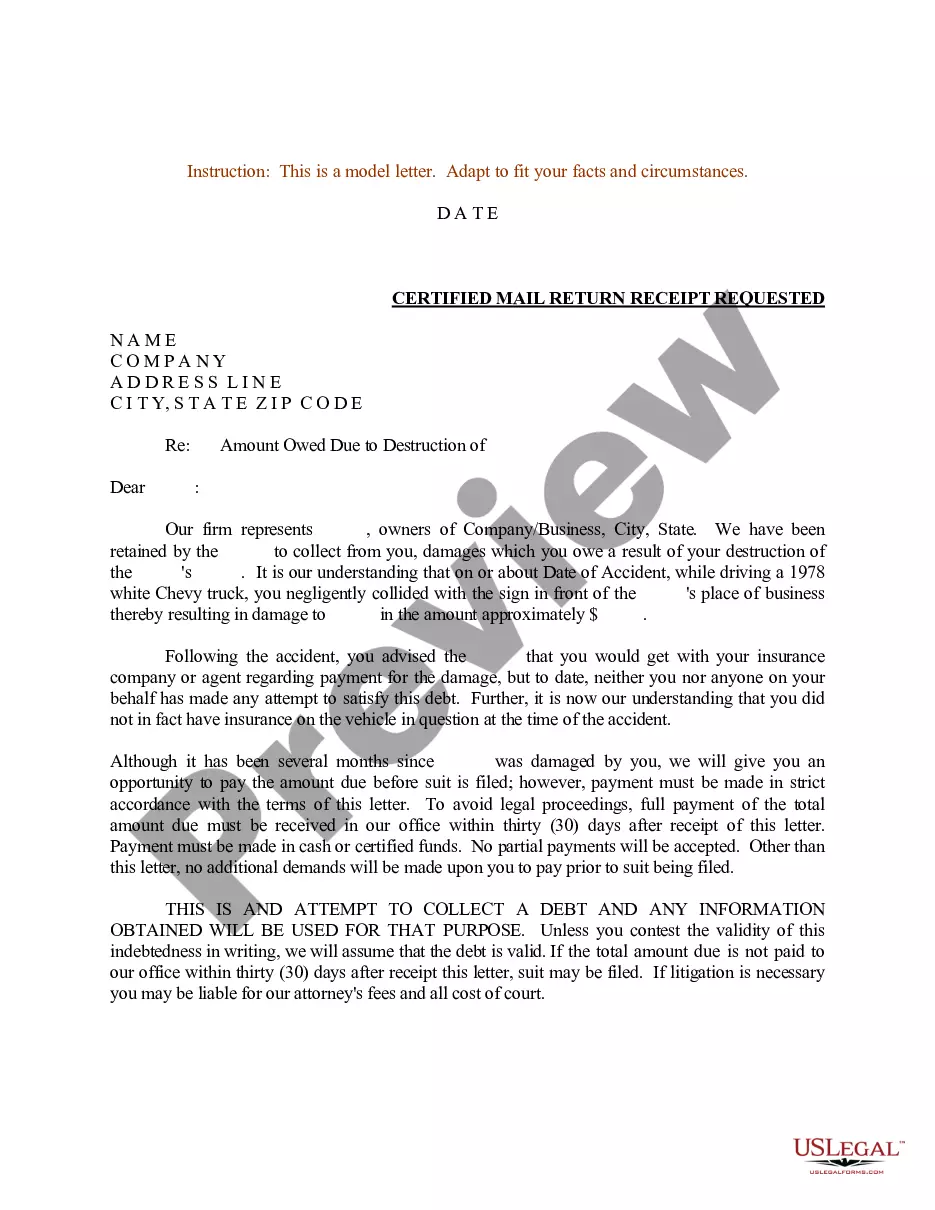

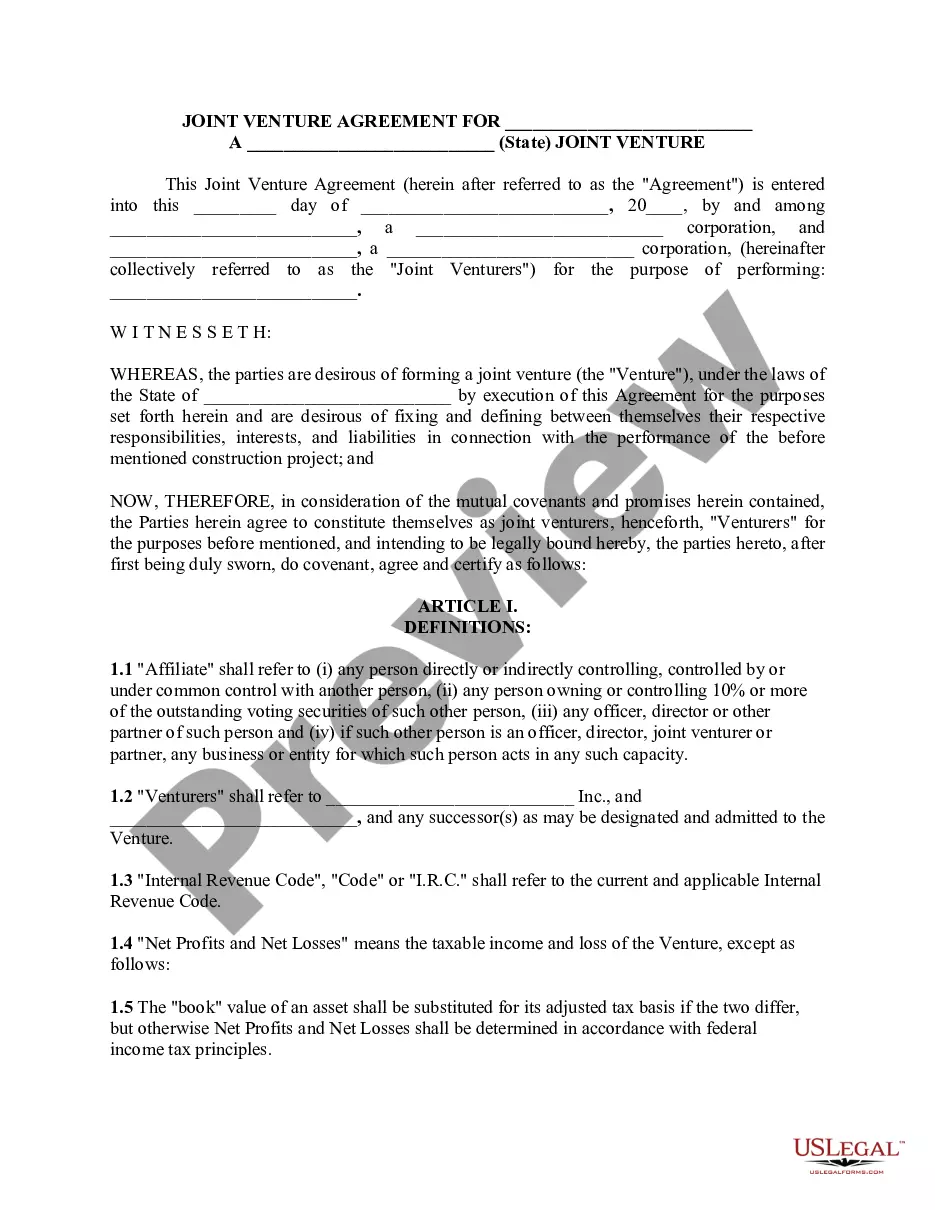



Form popularity
FAQ
If you've received a letter of claim Use the reply form to: say you disagree you owe the debt. tell your creditor you're getting debt advice and have an appointment - say you'll need longer than 30 days. ask for more information from your creditor - for example, an account statement or copy of the credit agreement.
You must fill out an Answer, serve the other side's attorney, and file your Answer form with the court within 30 days. If you don't, the creditor can ask for a default. If there's a default, the court won't let you file an Answer and can decide the case without you.
Even if that's the case, it's important not to ignore letters or communications from DRP. Tempting as it is, ignoring your debt problems won't make them go away. The longer you ignore your debts, the worse they get, especially if the creditor begins to apply interest fees and charges.
If you do not respond, you will lose certain rights, but it is not a legal admission, usable in court, that you owe the debt. If there is no response, or if the letter goes back to the collection agency undelivered or marked moved, deceased, in jail, etc., the collection agency can still due you.
I am writing in regards to the above-referenced debt to inform you that I am disputing this debt. Please verify the debt as required by the Fair Debt Collection Practices Act. I am disputing this debt because I do not owe it. Because I am disputing this debt, you should not report it to the credit reporting agencies.
Follow these steps to respond to a debt collection case in California Answer each claim listed in the complaint. Assert your affirmative defenses. File the Answer with the court and serve the plaintiff.
Summary: If you're being sued by a debt collector, here are five ways you can fight back in court and win: 1) Respond to the lawsuit, 2) make the debt collector prove their case, 3) use the statute of limitations as a defense, 4) file a Motion to Compel Arbitration, and 5) negotiate a settlement offer.
Specifically, the rule states that a debt collector cannot: Make more than seven calls within a seven-day period to a consumer regarding a specific debt. Call a consumer within seven days after having a telephone conversation about that debt.
Within five days after a debt collector first contacts you, it must send you a written notice, called a "validation notice," that tells you (1) the amount it thinks you owe, (2) the name of the creditor, and (3) how to dispute the debt in writing.
The balance reduction you receive when seeking settlement depends on whether you are dealing with a debt collector or the original creditor. But generally, the percentage accepted ranges from 40–60%, although it can go as little as 10% or high as 80%.
