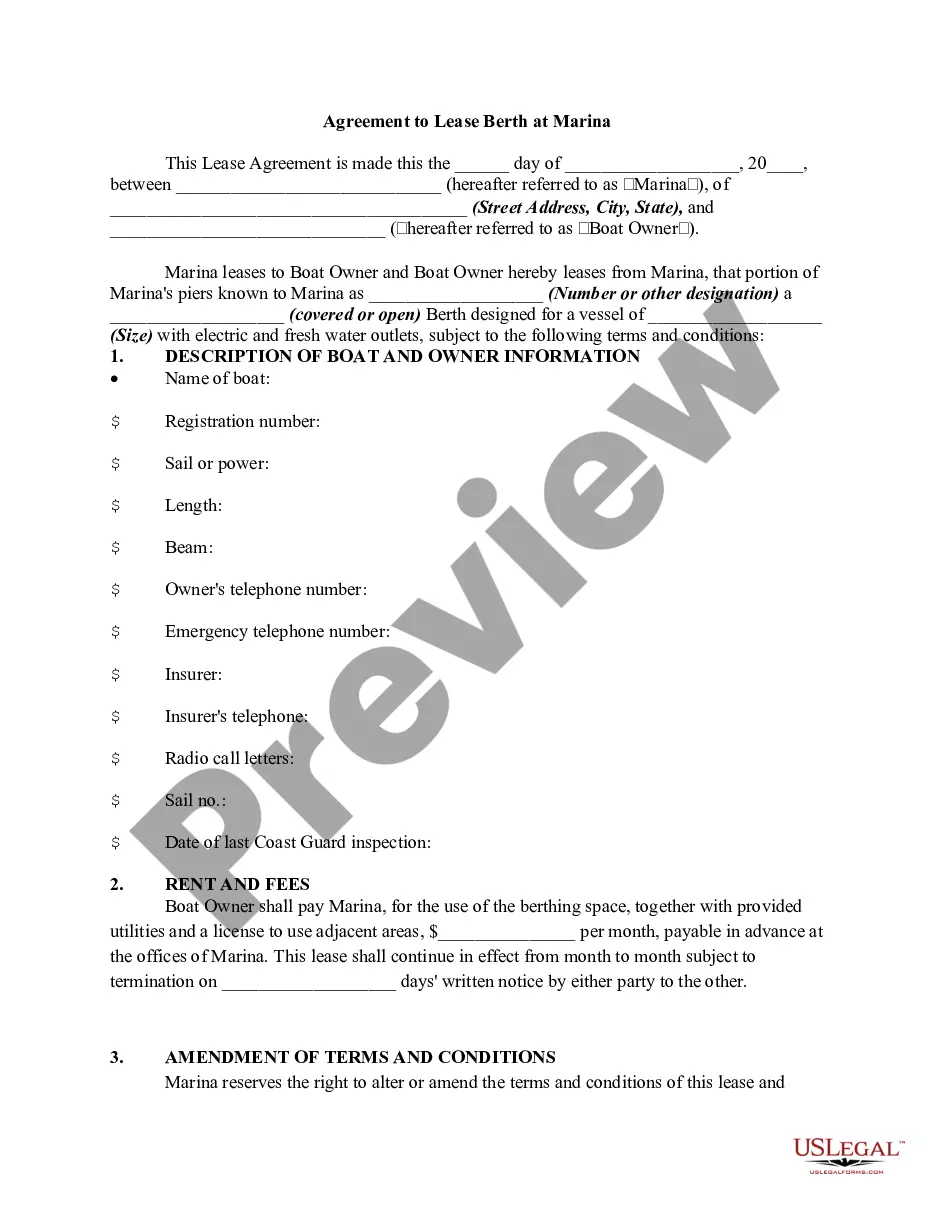
Letter For Recovery From Illness In Virginia
Description




Form popularity
FAQ
Parents of Dependent Children: Income limits for 2024 are reported as a percentage of the federal poverty level (FPL). The 2024 FPL for a family of three is $25,820. Other Adults: Eligibility limits for other adults are presented as a percentage of the 2024 FPL for an individual is $15,060.
A Medicaid spenddown is for individuals or families who otherwise meet all the Medicaid non-financial and resource eligibility requirements, but whose countable income exceeds the medically needy income limit for their city or county of residence. A spenddown is similar to an insurance policy deductible.
Virginia has very restrictive Medicaid eligibility: Pregnant women and children through age 18 cannot have income higher than 148 percent of federal poverty level (FPL) or $30,240 for a family of three. (Virginia's FAMIS program covers children and pregnant women up to 205 percent FPL or $41,880 for a family of three.)
It depends on where the stroke took place in your brain and how much damage it caused. Many people recover after a stroke and are able to drive safely. But many others will have some type of disability afterward. Your health care provider will tell you how the stroke affected you, and when and if you can drive.
Talk to your doctor about when you can drive. Don't drive unless your doctor says it's okay. Your doctor may refer you to a specialist to test you and make sure you can drive safely. Some people have assistive devices in their car to help them drive.
If a driver suffers a Cerebral Vascular Accident (CVA), the driver's privilege to operate a motor vehicle will be suspended for six months. This six-month suspension period may be shortened if DMV receives information from the driver's health care provider indicating that the driver has fully recovered.
Contact your State Department of Motor Vehicles and ask for the Office of Driver Safety. Ask what rules apply to individuals who've had a stroke. Take a driving test. Professionals such as driver rehabilitation specialists can evaluate your driving ability.
You can simply call the Complaint Unit at 1-800-955-1819 or you can visit their website for more information: .
Download a Printable Complaint Form Provide a detailed summary of your concerns. Attach copies (not originals) of documents relating to your concerns, if applicable. Return the completed Complaint Form to the Enforcement Division by email, fax: (804) 212-2174, U.S. mail, or in person.
- Stop driving for a minimum of one year. - Tell the DVLA/DVA about your stroke immediately. - Tell your motor insurance company. If you had a subarachnoid haemorrhage (SAH) you may be able to drive after six months, depending on the cause of the stroke and the treatment you had.