Petition Visitation Form With Grandparent In North Carolina
Description

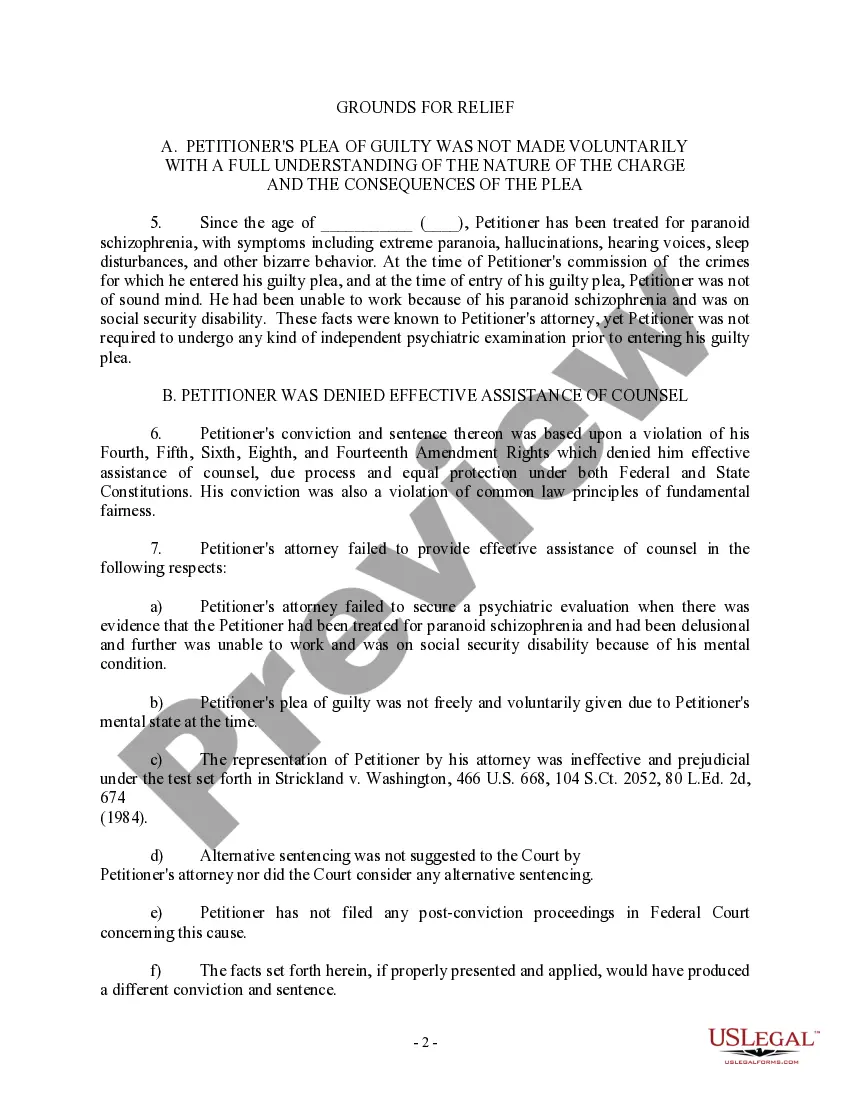
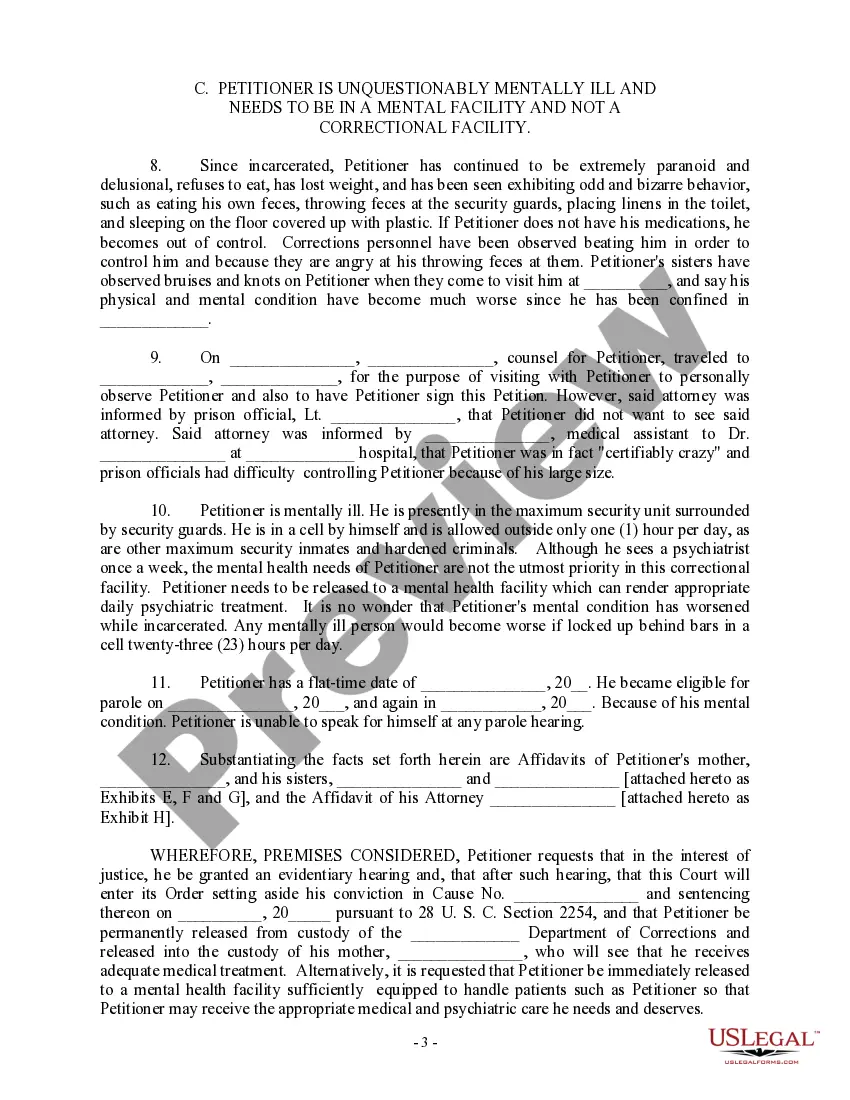
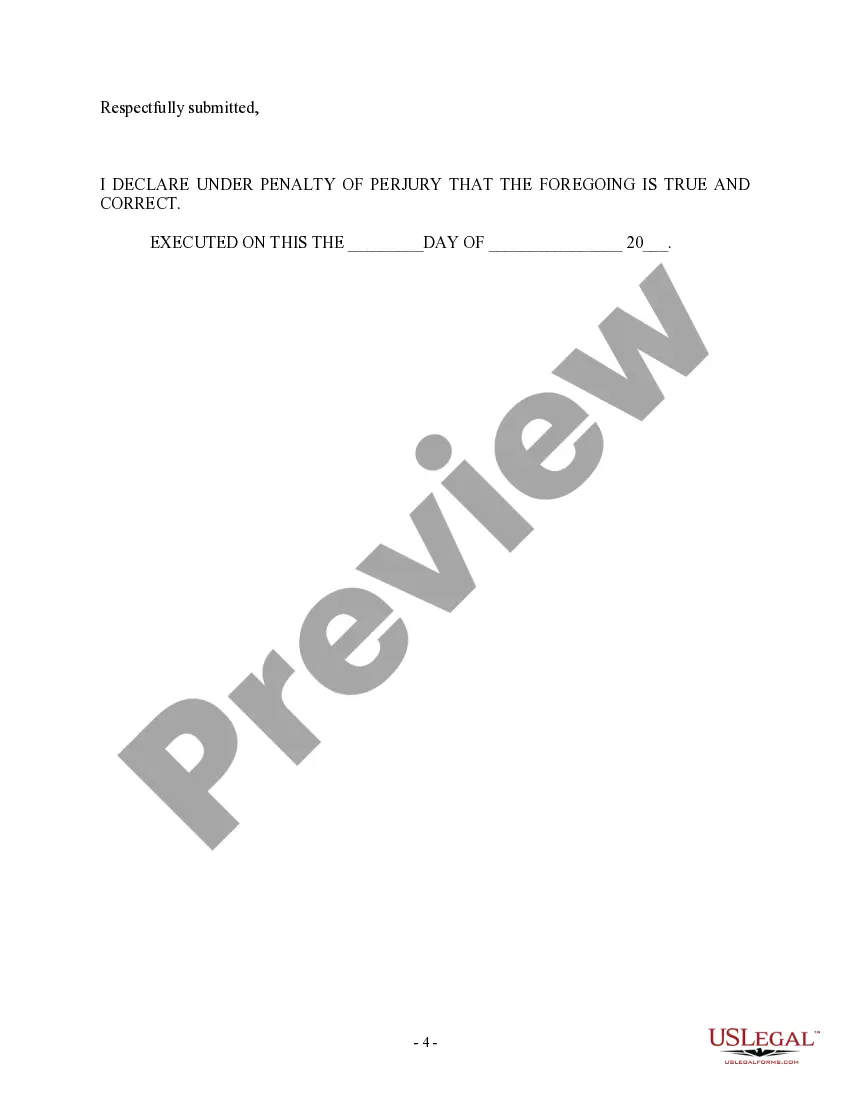
Get your form ready online
Our built-in tools help you complete, sign, share, and store your documents in one place.
Make edits, fill in missing information, and update formatting in US Legal Forms—just like you would in MS Word.
Download a copy, print it, send it by email, or mail it via USPS—whatever works best for your next step.
Sign and collect signatures with our SignNow integration. Send to multiple recipients, set reminders, and more. Go Premium to unlock E-Sign.
If this form requires notarization, complete it online through a secure video call—no need to meet a notary in person or wait for an appointment.
We protect your documents and personal data by following strict security and privacy standards.

Make edits, fill in missing information, and update formatting in US Legal Forms—just like you would in MS Word.

Download a copy, print it, send it by email, or mail it via USPS—whatever works best for your next step.

Sign and collect signatures with our SignNow integration. Send to multiple recipients, set reminders, and more. Go Premium to unlock E-Sign.

If this form requires notarization, complete it online through a secure video call—no need to meet a notary in person or wait for an appointment.

We protect your documents and personal data by following strict security and privacy standards.
Looking for another form?


Form popularity
FAQ
Who Determines the Grandparent Visitation Schedule? There is no one-size-fits-all answer to how often you should be allowed to see your grandchild. This will depend largely on the child's best interests and what the parent's schedule reasonably allows.
If two parents cannot agree, the non-custodial parent may file a visitation complaint with the court to request increased visitation time. In some North Carolina districts, the court requires mandatory mediation for parents before the court decides on visitation issues.
These types of reasons are considered personal and biased and will not hold up in court. The only time the court will allow you to deny the other parent visitation is if they put the children involved in imminent danger. For example, when a parent comes to pick up a child when they are heavily intoxicated.
A mother cannot deny a father visitation in North Carolina unless an allegation of abuse or the inability of the father to care for the child is proven in court. Only the court can deny a parent access to their child. Visitation would not be allowed in cases of physical abuse, drug use, or a history of child neglect.
If your grandchild's parents are willing, they can create a power of attorney that gives you temporary authority to make specific decisions for their child. Once power of attorney is signed over, you have whatever legal rights are specified in the document.
Newman, 131 N.C. App. 793, 509 S.E.2d 226 (1998). 1. G.S. 50-13.5(j) states that grandparents may file a motion in the cause in an existing custody case seeking visitation after showing a substantial change of circumstances since entry of the original order.
If two parents cannot agree, the non-custodial parent may file a visitation complaint with the court to request increased visitation time. In some North Carolina districts, the court requires mandatory mediation for parents before the court decides on visitation issues.
