Legal Letter For Collections In Collin
Description
Form popularity
FAQ
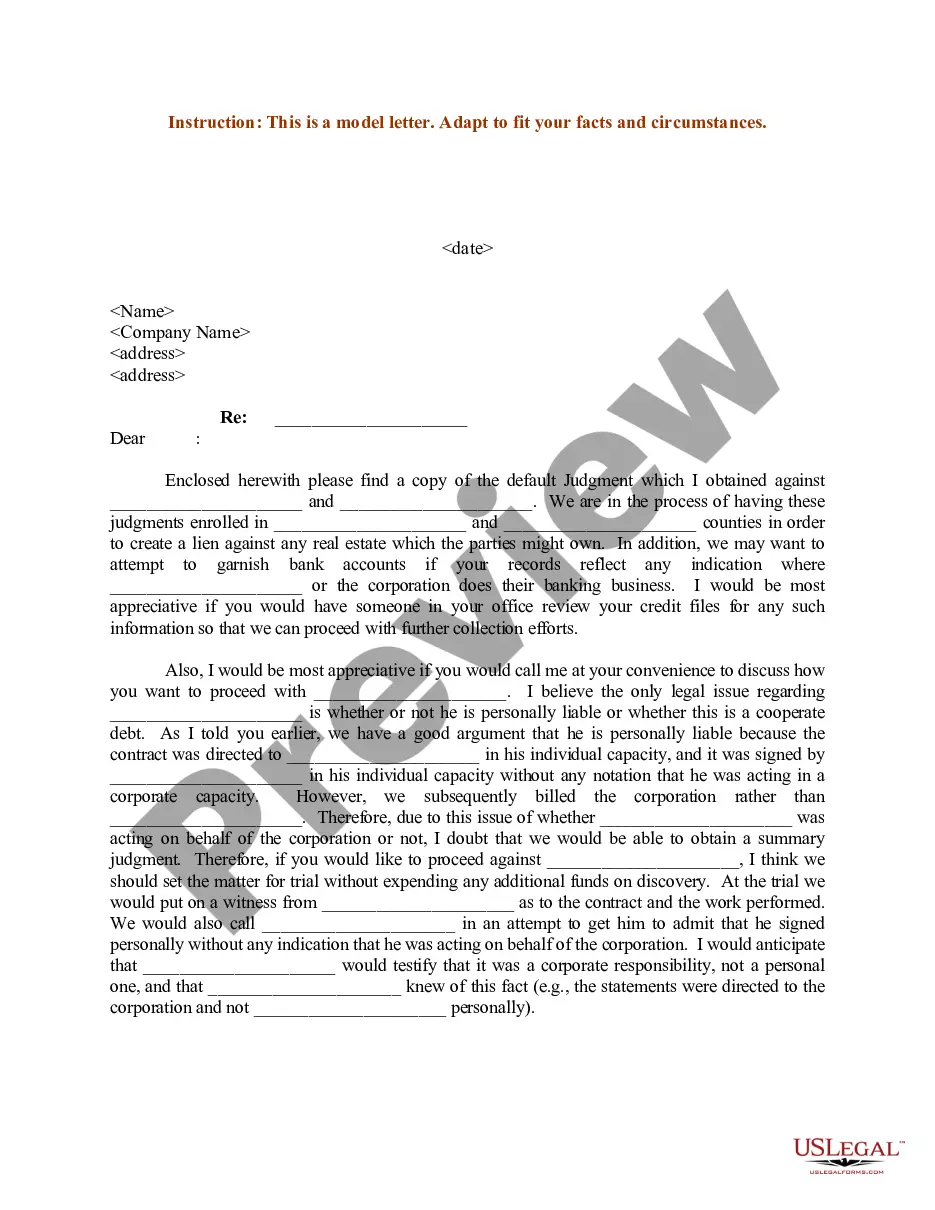
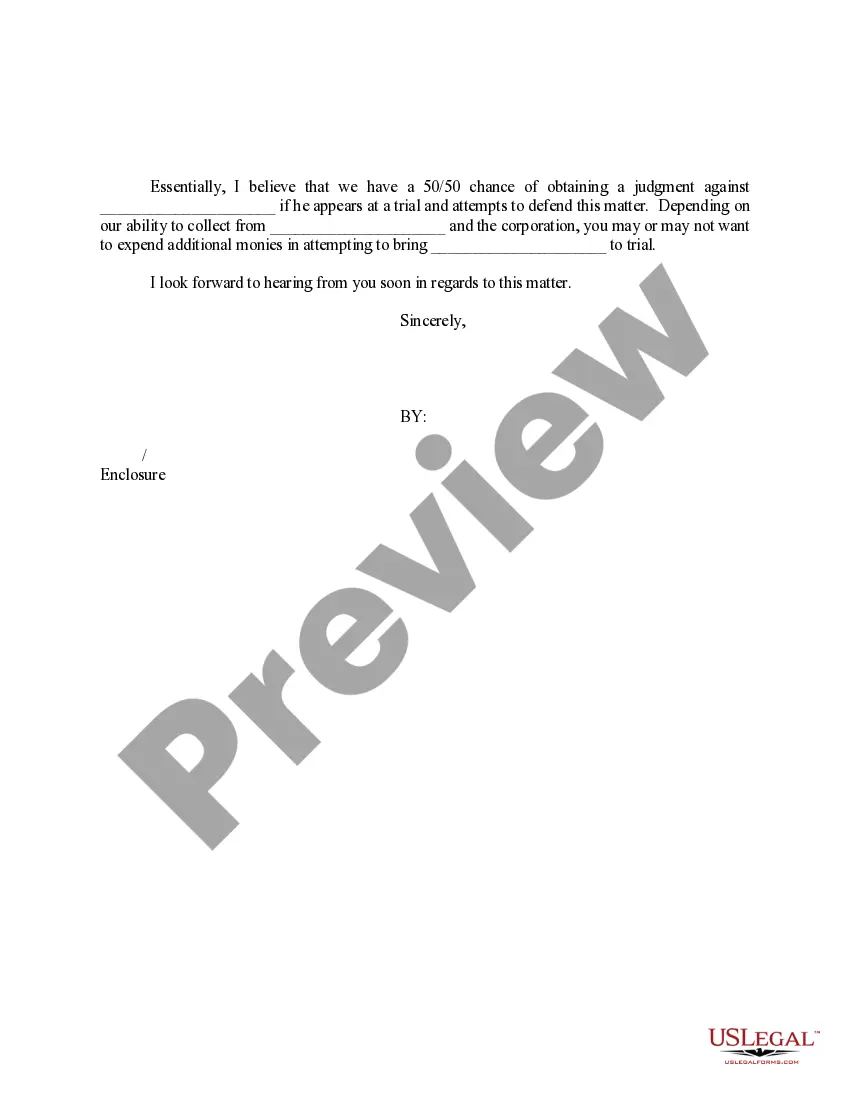
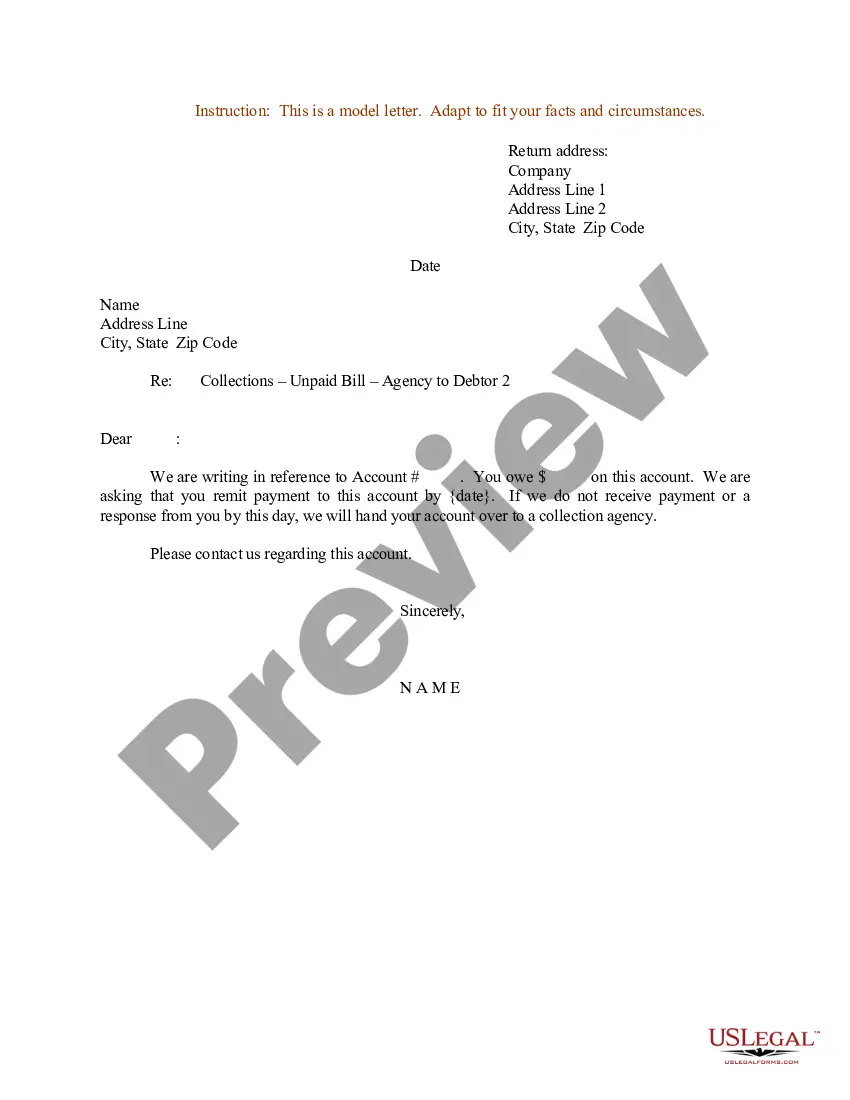
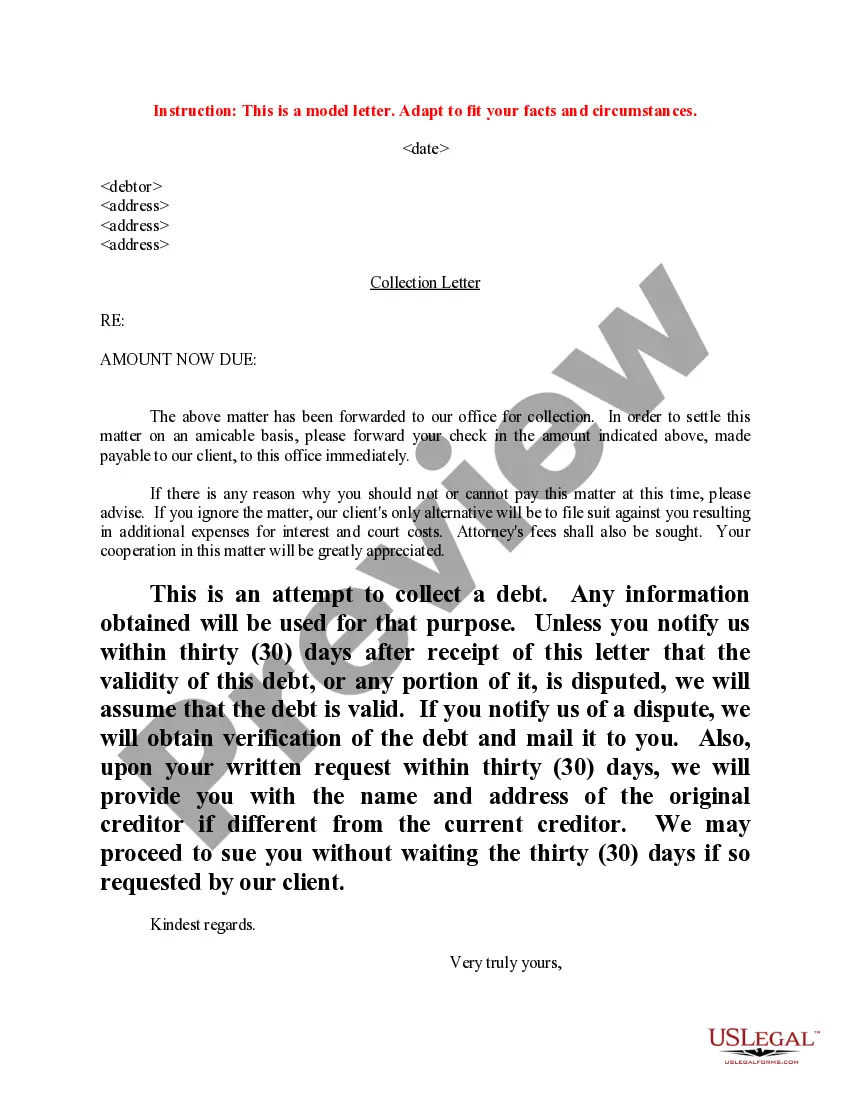
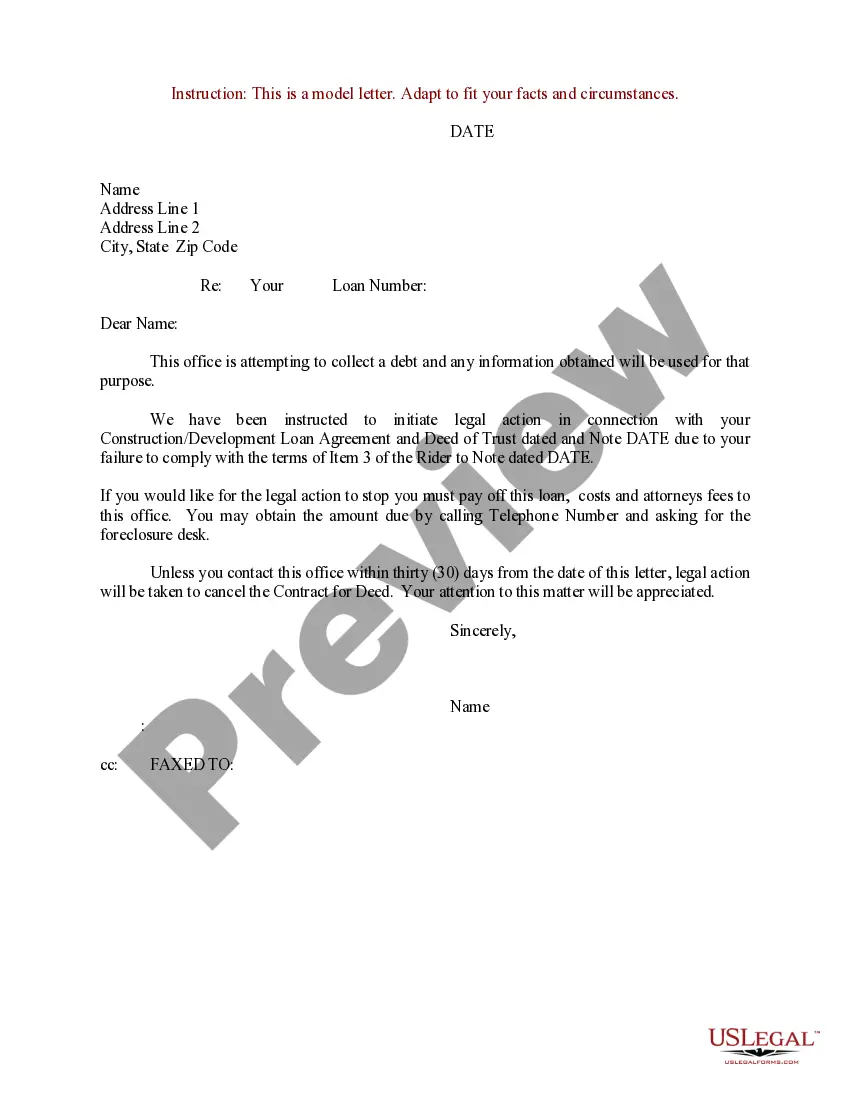
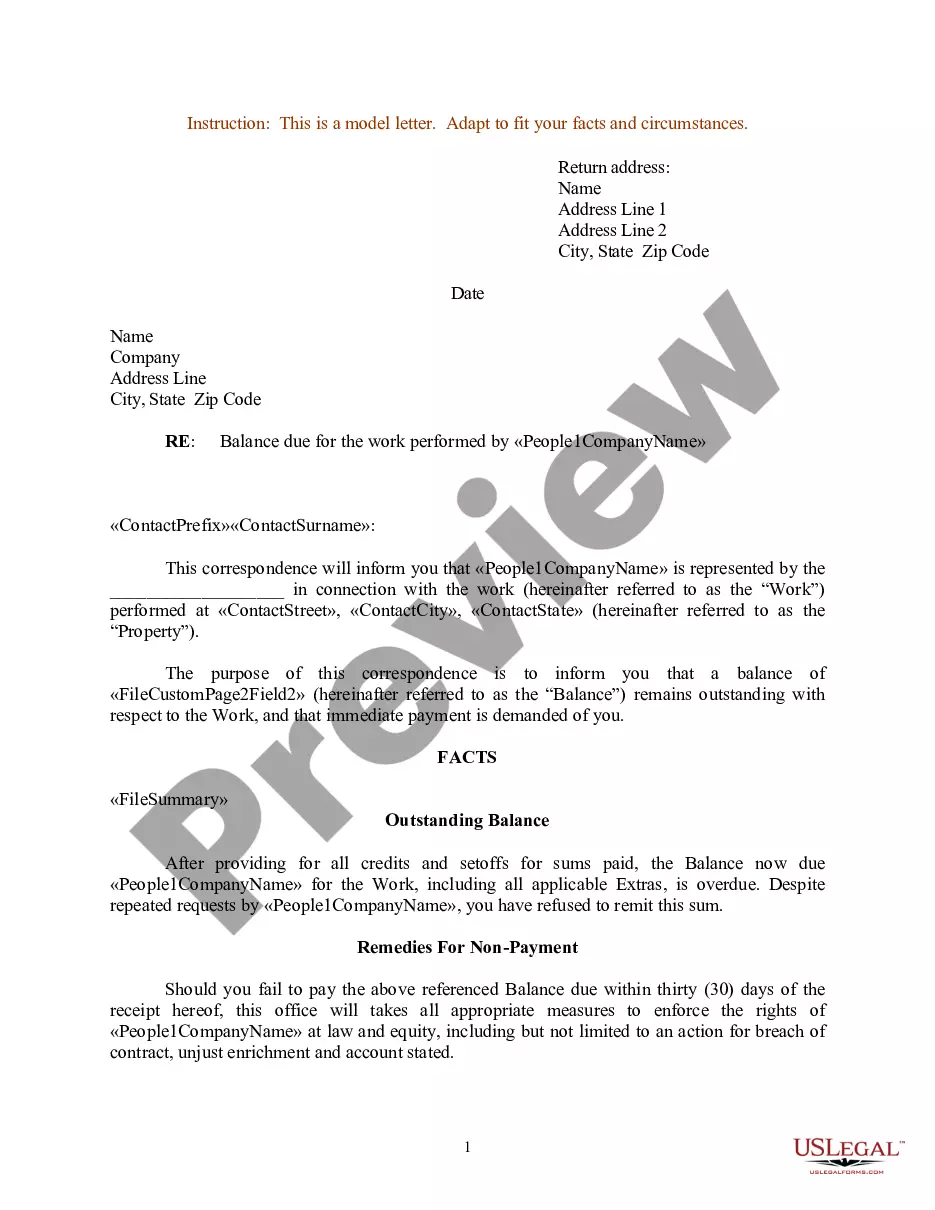
These letters often include details like the amount owed, the due date, and any applicable interest or late fees. It's important to note that debt collection letters should adhere to legal regulations and guidelines, such as those outlined by the Fair Debt Collection Practices Act (FDCPA) in the United States.
While smaller debts are less likely to result in legal action, there are no guarantees. In many cases, though, debt collectors will prioritize larger debts, as they offer a higher return on the time and legal fees associated with a lawsuit.
If you write a letter, instead of using the tear-off form, the debt dispute letter should include your personal identifying information; verification of the amount of debt owed; the name of the creditor for the debt; and a request the debt not be reported to credit reporting agencies until the matter is resolved or ...
If you're wrongly sent to collections, you can dispute the error and seek compensation under the Fair Debt Collection Practices Act (FDCPA).
Yes, you may be able to sue a debt collector or a debt collection agency if it engages in abusive, deceptive, or unfair behavior.
Specifically, the rule states that a debt collector cannot: Make more than seven calls within a seven-day period to a consumer regarding a specific debt. Call a consumer within seven days after having a telephone conversation about that debt.
You have two tools you can use to dispute a debt: first, a debt validation letter the debt collector is required to send you, outlining the debt and your rights around disputing it; then, a debt verification letter. You can submit a written request to get more information and temporarily halt collection efforts.
Specifically, the rule states that a debt collector cannot: Make more than seven calls within a seven-day period to a consumer regarding a specific debt. Call a consumer within seven days after having a telephone conversation about that debt.
Use certified mail. If you are sending a debt collection letter for the purpose of informing debtors that legal action will soon be taken, you must be able to prove they received your communication. That means sending it by certified mail.
The short answer is yes. Consumers can sue if a creditor has falsely reported them to debt collection. However, there are many ways that creditors, credit reporting agencies, and debt collectors can violate your rights.
