Independent Contractor Work Agreement For Transportation Services In Cuyahoga
Description










Form popularity
FAQ
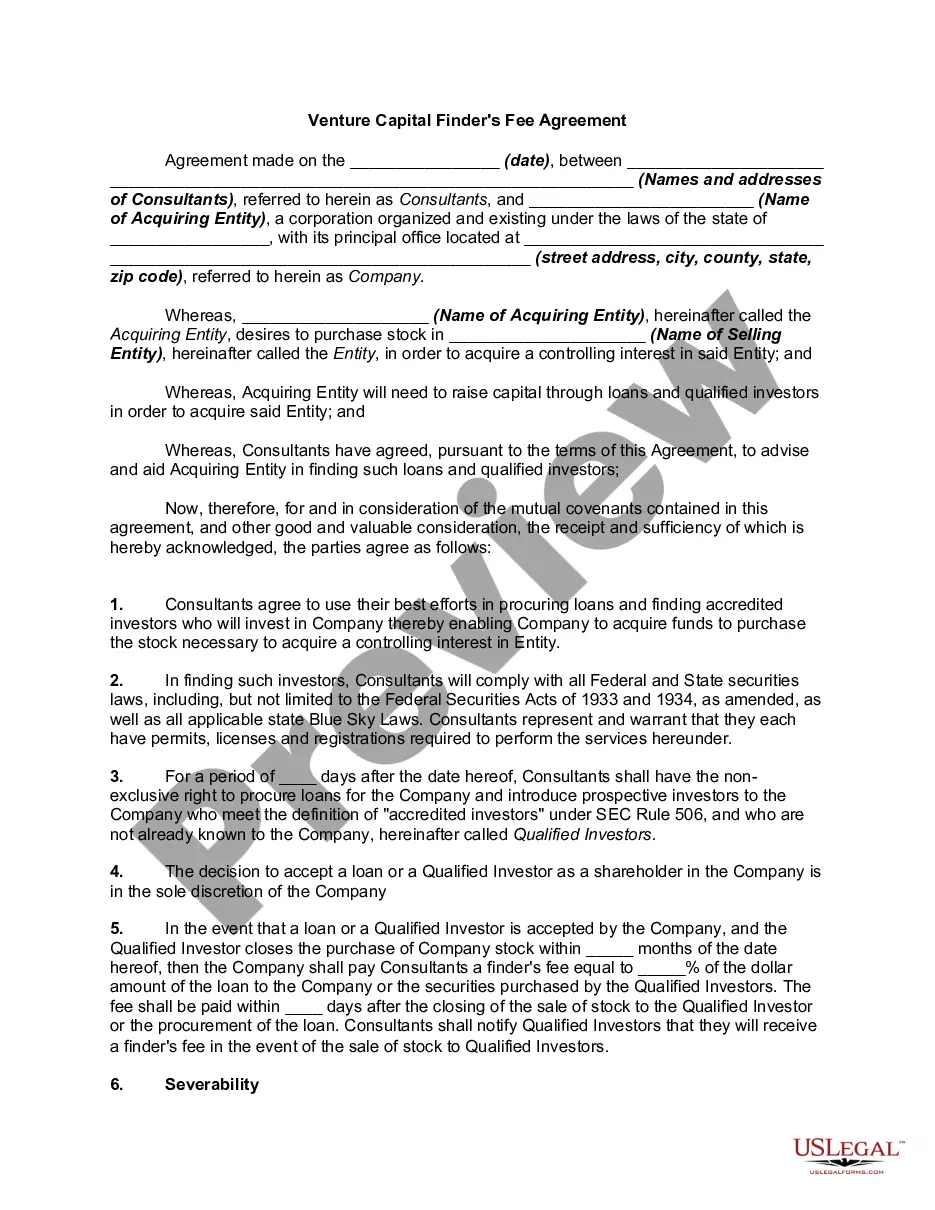
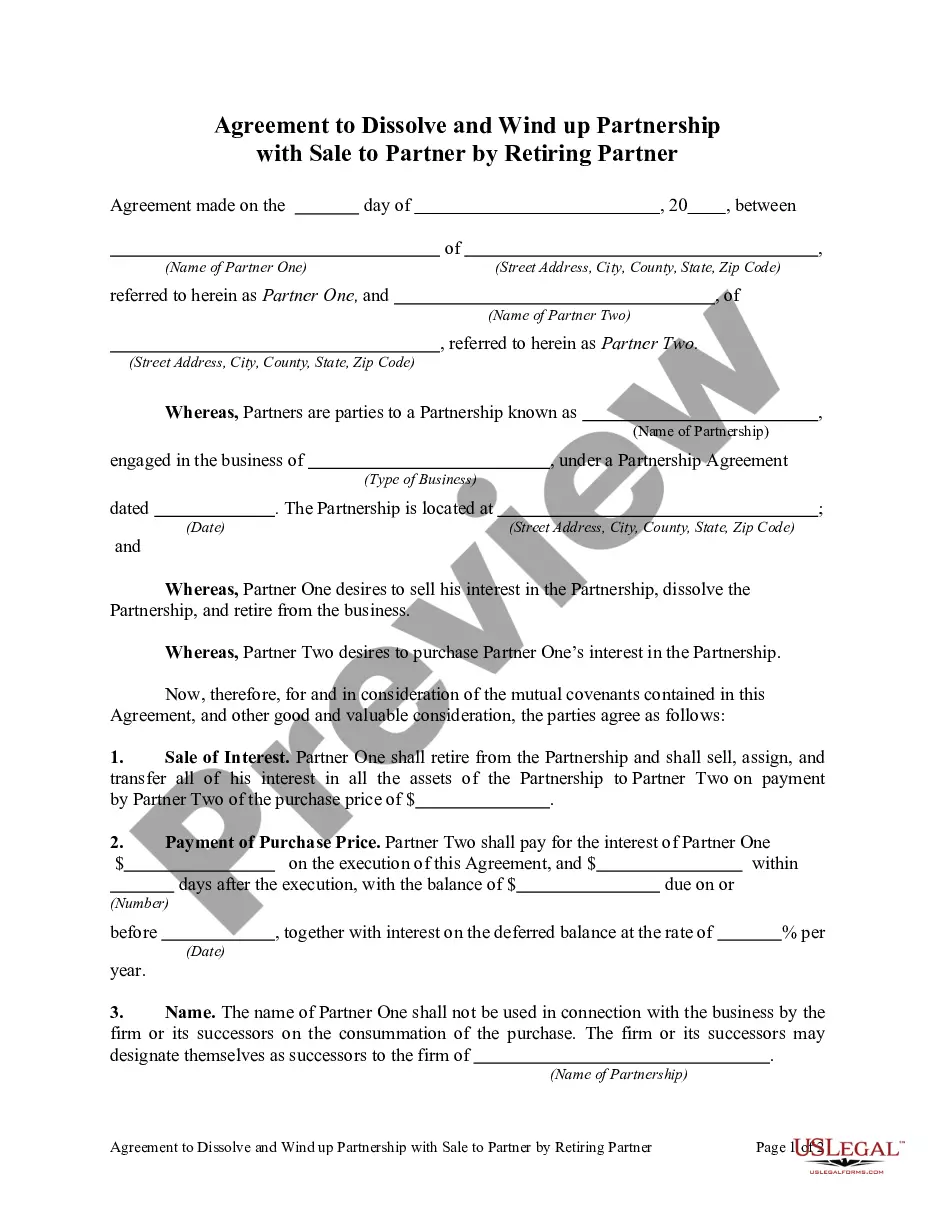
Details of the parties to the contract, including any sub-contracting arrangements. duration or period of the contract. definitions of key terms used within the contract. a description of the goods and/or services that your business will receive or provide, including key deliverables.
Structure payments on a per-project basis, and require the contractor to submit invoices. Avoid salary payments, hourly payments, or any guaranteed “retainer” that is not tracked to performance. Specify the conditions for termination of the relationship—and do not make the arrangement terminable at will.
The agreement should have an introductory paragraph outlining who is the client and who is the service provider. It should contain the legal names of both parties, the date, and the physical addresses of each party.
Form W-9. If you've made the determination that the person you're paying is an independent contractor, the first step is to have the contractor complete Form W-9, Request for Taxpayer Identification Number and Certification.
A transport services agreement (TSA) is an arrangement between two parties to provide transportation-related services. It defines the responsibilities of each party and can be used to set out commercial terms, liabilities, performance standards, and penalties for non-performance.
Long Term Agreement or LTA . “ Losses” Means an agreement offered by the insurer at the start of an insurance contract, which provides the insured with a discounted premium in return for committing to renew with that insurer for a fixed number of years (most commonly three years).
You can work with freight brokers, who act as intermediaries and negotiate on behalf of both carriers and shippers. Or you can pursue government contracts which may also include emergency freight. However, the two most common types of trucking contracts are dedicated contracts and rate confirmation contracts.
There are many situations in which a business will want to engage the services of an independent contractor instead of hiring an employee. In these situations, both parties must sign an independent contractor agreement.
Factors that show you are an independent contractor include working with multiple clients instead of just one, not receiving detailed instructions from hiring firms, paying your own business expenses such as office and equipment expenses, setting your own schedule, marketing your services to the public, having all ...
A contract is an essential legal component of establishing a consultant-client relationship. You should always make sure a signed contract is in place before starting any work. A contract will define the relationship between you and your client, clearly stating that you are an independent contractor.
