Real Estate Offer Form Massachusetts In Utah
Description



Form popularity
FAQ
If the buyer is not working with a real estate agent and does not have representation, the offer would come directly from the buyer. Represented buyers can also write their own offer letter and have their agent submit it for them.
In Massachusetts, buyers and sellers can back out of real estate contracts, but there may be consequences. Buyers have more flexibility, especially during the contingency period, and can often cancel without penalty. Seller contingencies are less common but protect the seller's interests.
A letter can be in violation of fair housing laws. Seller's agents who accept them are opening themselves and the sellers up to lawsuits. If you are prejudiced toward one type of buyer or another, fine - just don't let it get put into writing.
Writing your own contracts is perfectly possible, and legal. But it's also an incredibly bad idea. There's two reasons for this: Property law is complicated. Because it's such a fundamental part of legislation, it's often lots and lots of different laws layered on top of each other.
Represented buyers can also write their own offer letter and have their agent submit it for them.
Yes you can. In fact your realtor would like appreciate your proactive approach. If you see a house you like, then you can ask your realtor to write up an offer on it.
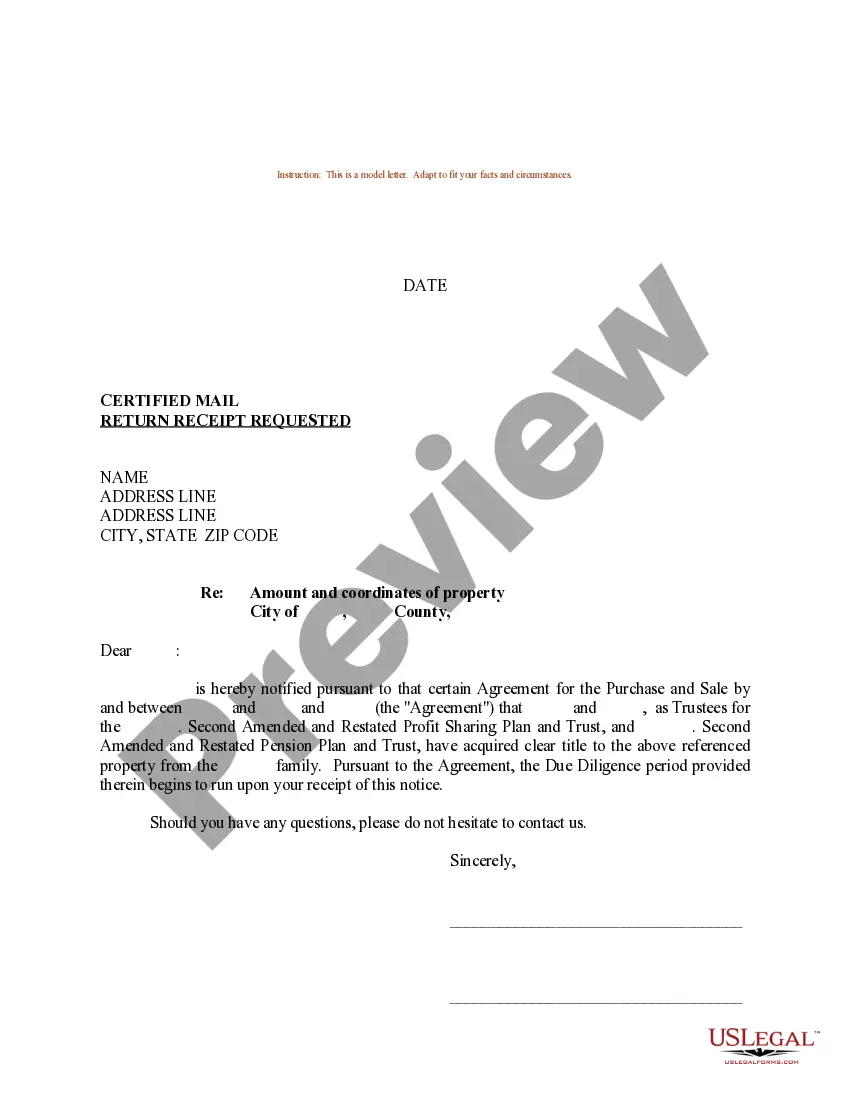
Address the Seller and Introduce Yourself. If you know the seller's name, use that, but you likely won't know the name of the owner of the home. Detail What Makes the Home Stand Out to You. Find Common Ground. Present Your Offer. Note Any Contingencies You Have. Close with a Friendly Thank You.
Yes, it can be appropriate and even thoughtful to write a letter to the seller when making an offer on their house. A well-crafted letter can express your genuine interest, explain why you love the property, and provide some personal background. Keep it respectful and focused on your enthusiasm for the home.

