Sublease Apartment Fort Worth In Montgomery
Description



Form popularity
FAQ
Subletting regulations in California primarily revolve around lease agreements. If your lease doesn't explicitly prohibit sublets, you generally have the right to sublet. However, landlords retain the authority to reject proposed subtenants based on reasonable objections.
Subletting isn't illegal in Texas, but you can't sublet without getting consent from the landlord. Check your original lease to determine if there's a right to sublease. If that's not included, you may ask the landlord specifically, though they have the right to say no.
Under California law, unless the lease specifically prohibits subletting, tenants may have the right to sublease their rental unit. In this case, you would not be able to unreasonably withhold consent.
Allowing subletting can sometimes leave landlords feeling like they've lost control over their property. You may not have a direct say in who your tenants choose to sublease to. This situation becomes complex when the agreement is not specific about the terms of subleasing.
Detriments The original tenant can only provide rights to your company they have in their lease. You may not be able to secure rights to extend the lease term beyond the existing term. Since the original tenant is not in the landlord business, they may not be willing to offer an adequate tenant improvement allowance.
If your tenancy doesn't have a fixed end date you'll need your landlord's permission to sublet your whole home. If they say no, they don't have to give you a reason. If there's a fixed end date for your tenancy, you're allowed to sublet your whole home.
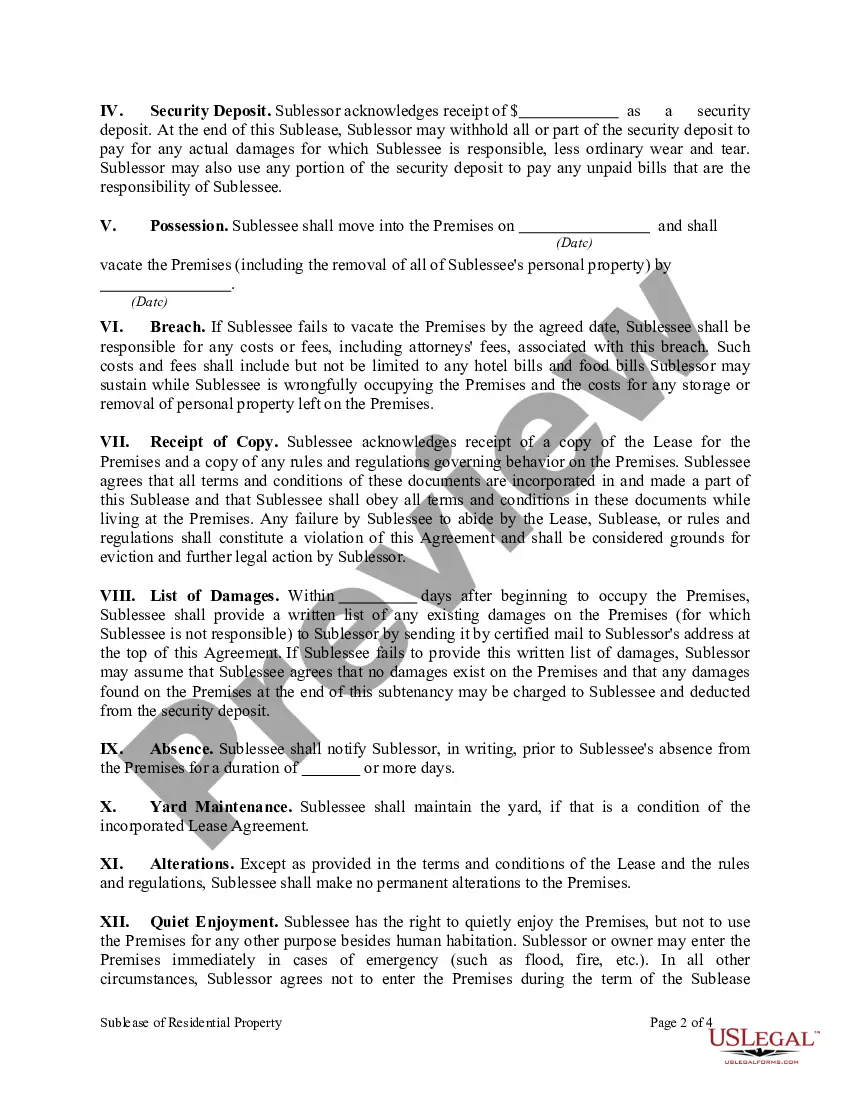
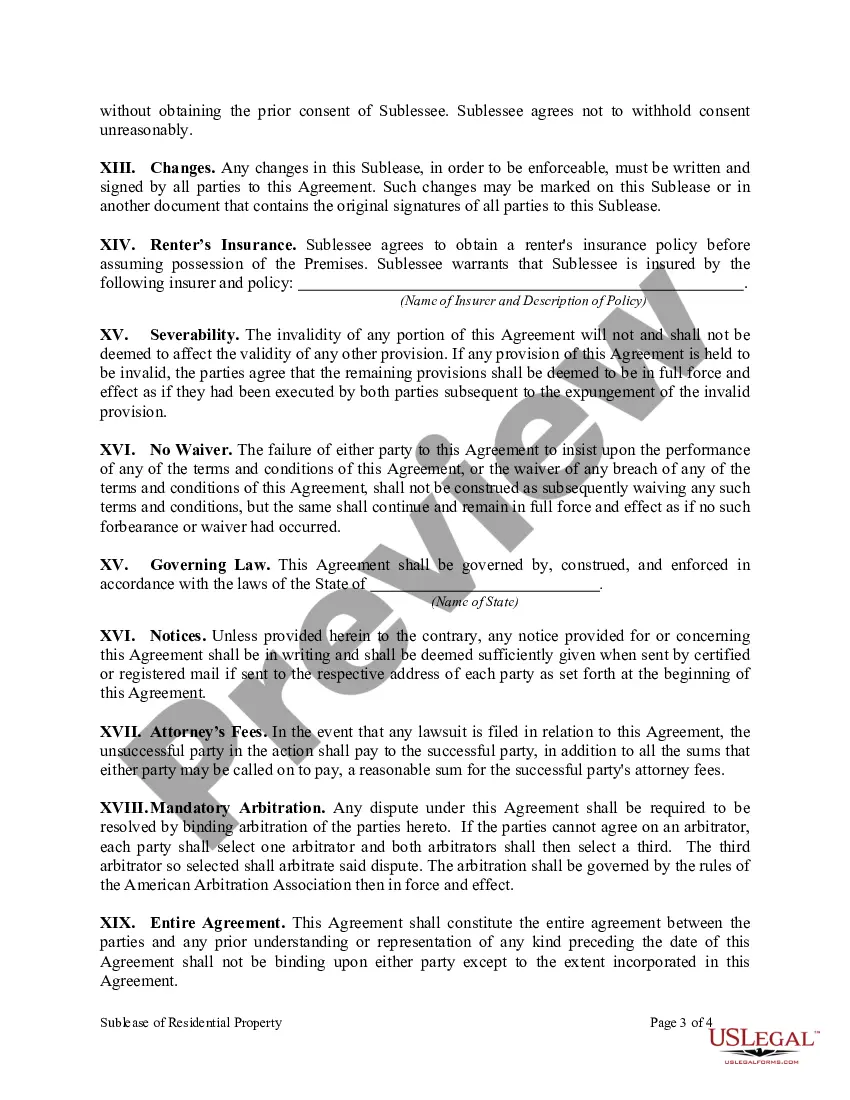
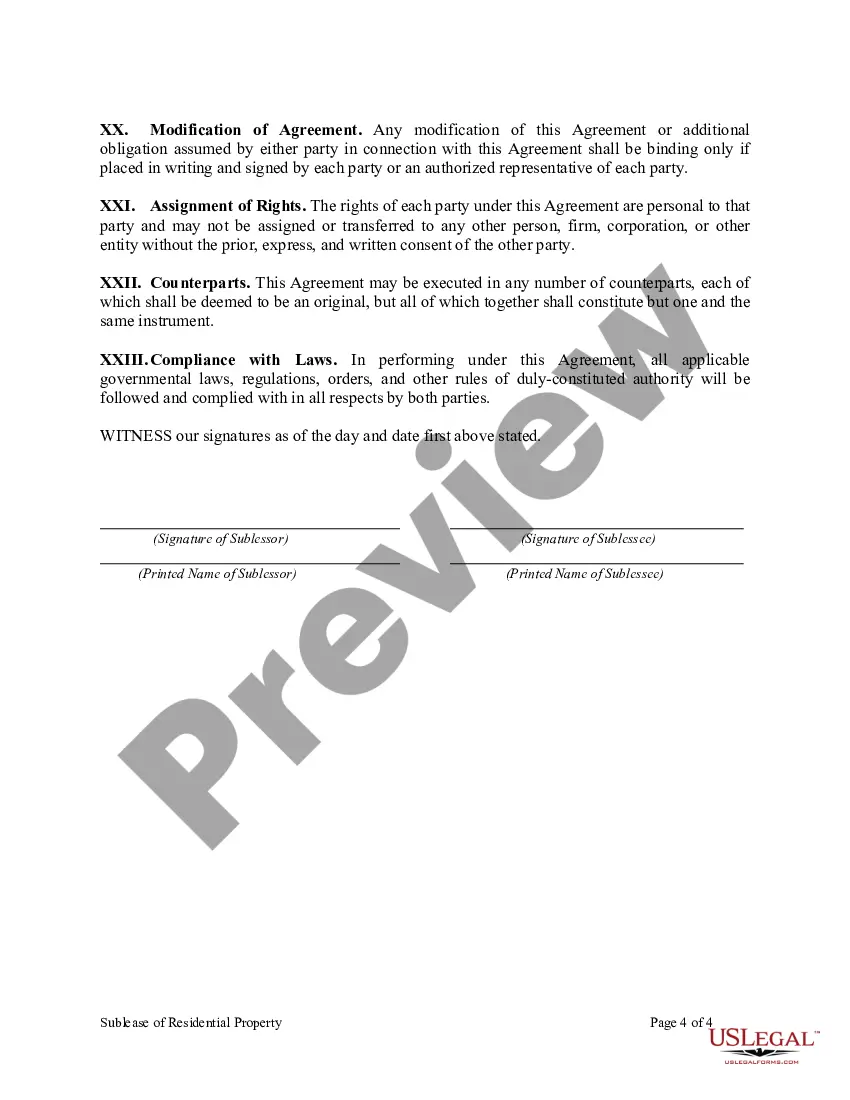
Writing Your Sublease State the name of the parties and the date of the contract. Identify the property. Provide the term of the sublease. State the rent schedule and amount. Include a section on the security deposit. Sign and date the contract. Deliver the contract to your landlord.
You must always get written consent from the landlord before subletting (if not already defined in your tenancy agreement), and there are responsibilities you need to consider.
Make Your Request to Sublet in Writing Even if you've orally discussed a sublet in person with your landlord, it's a good idea to follow up the request in writing. This ensures that you're both on the same page regarding the terms of the sublet, and gives you a written record to refer to if memories fail.
Subletting isn't illegal in Texas, but you can't sublet without getting consent from the landlord. Check your original lease to determine if there's a right to sublease. If that's not included, you may ask the landlord specifically, though they have the right to say no.
