Residential Property Disclosure Form For Ohio In Nassau
Description






Form popularity
FAQ
Almost every U.S. state has passed laws mandating that sellers give buyers specific information about what structural and other features the house contains, and their condition. In some cases, the brokers must speak up about hidden conditions, too.
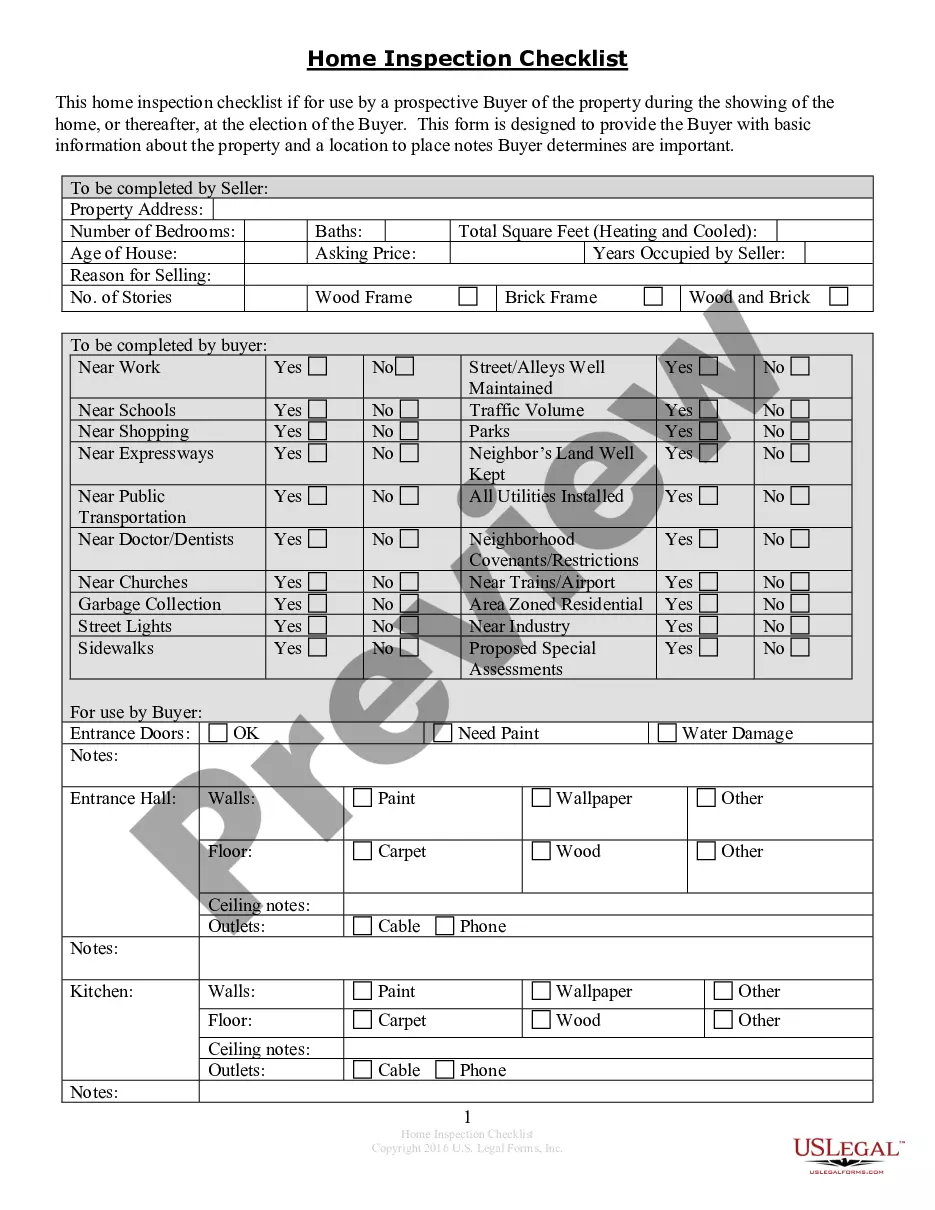
The most commonly required disclosure in a residential real estate sale is the seller's property disclosure. This is a document that is provided by the seller that discloses any known defects or issues with the property, such as leaky roofs, plumbing problems, or electrical issues.
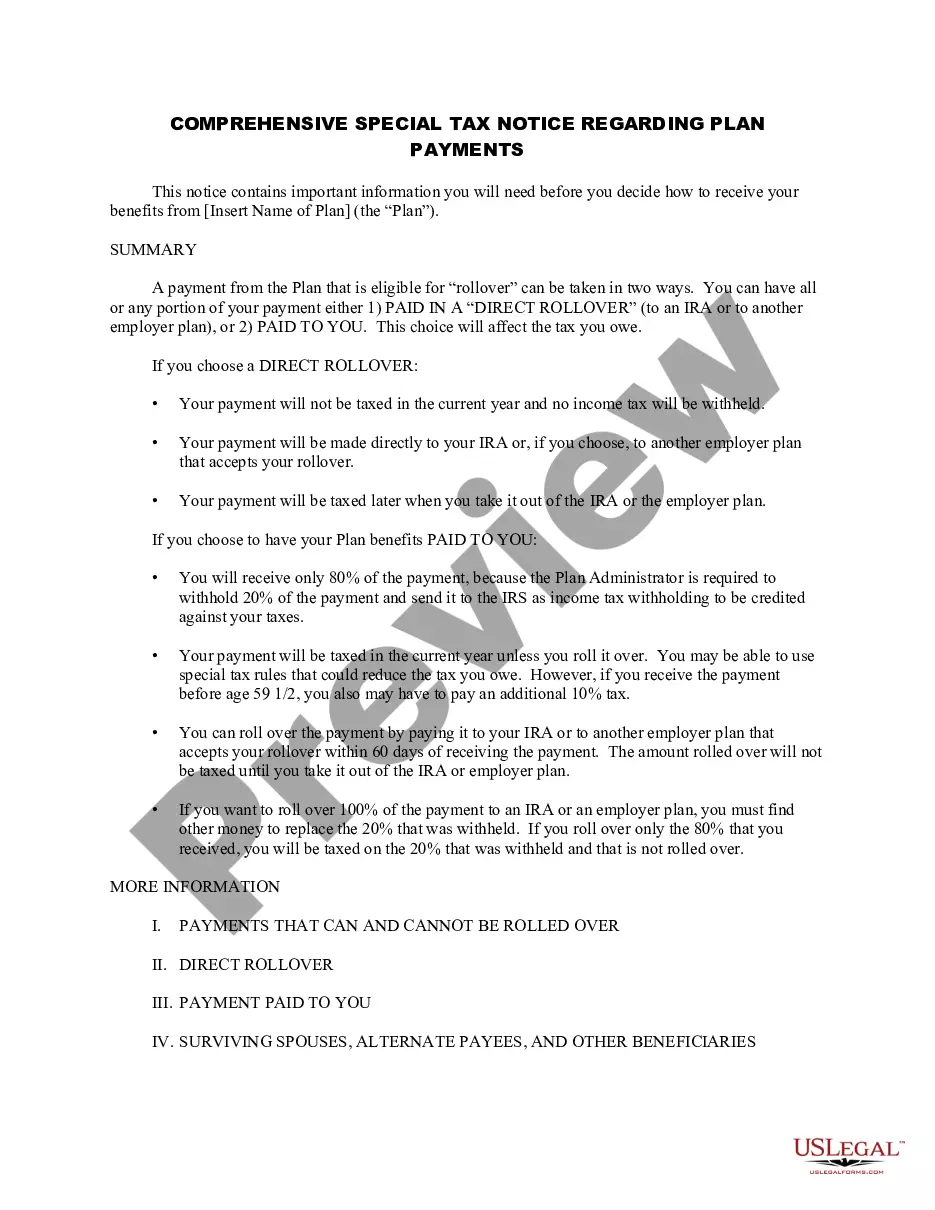
Ohio's disclosure requirement comes from a law called Ohio Revised Code § 5302.30, which requires people selling residential property containing one to four dwelling units to fill out a Residential Property Disclosure Form.
Property sellers are usually required by law to disclose negative information about a property. It is usually wise to disclose issues with your home, whether you are legally required to or not. The seller must follow local, state, and federal laws regarding disclosures when selling their home.
The following states are currently non-disclosure states: Alabama, Alaska, Idaho, Indiana, Kansas, Kentucky, Louisiana, Mississippi, Missouri, Montana, New Mexico, North Dakota, Ohio, Oklahoma, South Dakota, Texas, Utah, and Wyoming.
Ohio law requires sellers to fill out a real estate disclosure. There are certain circumstances, however, where it is not needed. For example, when a property is a foreclosure, is being transferred directly between owners, or when a property is transferred to or from a governmental agency.
Ohio law mandates sellers to disclose any known material defects, including the presence of mold.
