Employment Law Examples In Mecklenburg
Description


















Form popularity
FAQ
Youths under 16 years of age have to be given at least a 30-minute break after 5 hours, and no break of less than 30 minutes shall be deemed to interrupt a continuous period of work. Again, there are no required rest breaks or meal breaks at all for employees 16 years of age or older.
Understanding At Will Employment in North Carolina Being late once, a personality clash or a simple mistake are all legally acceptable reasons to terminate an employee in the eyes of the law, and there doesn't need to be a "paper trail" or warning beforehand.
Employment law provides protections against discrimination, harassment, unsafe working conditions, and ensures fair compensation. Employees are entitled to a safe workplace, protection from unjust dismissal, and the right to report violations without fear of retaliation.
There are many major labor laws in the United States. The Fair Labor Standards Act, Occupational Safety and Health Act, Family and Medical Leave Act, and part of the Civil Rights act are all important standards of labor law.
Employment law governs every detail of the relationship between employee and employer. It is designed to protect employees and their employers through regulations that guarantee workplace safety, protect against child labor, ensure a fair and equitable hiring process, and address family and medical leave.
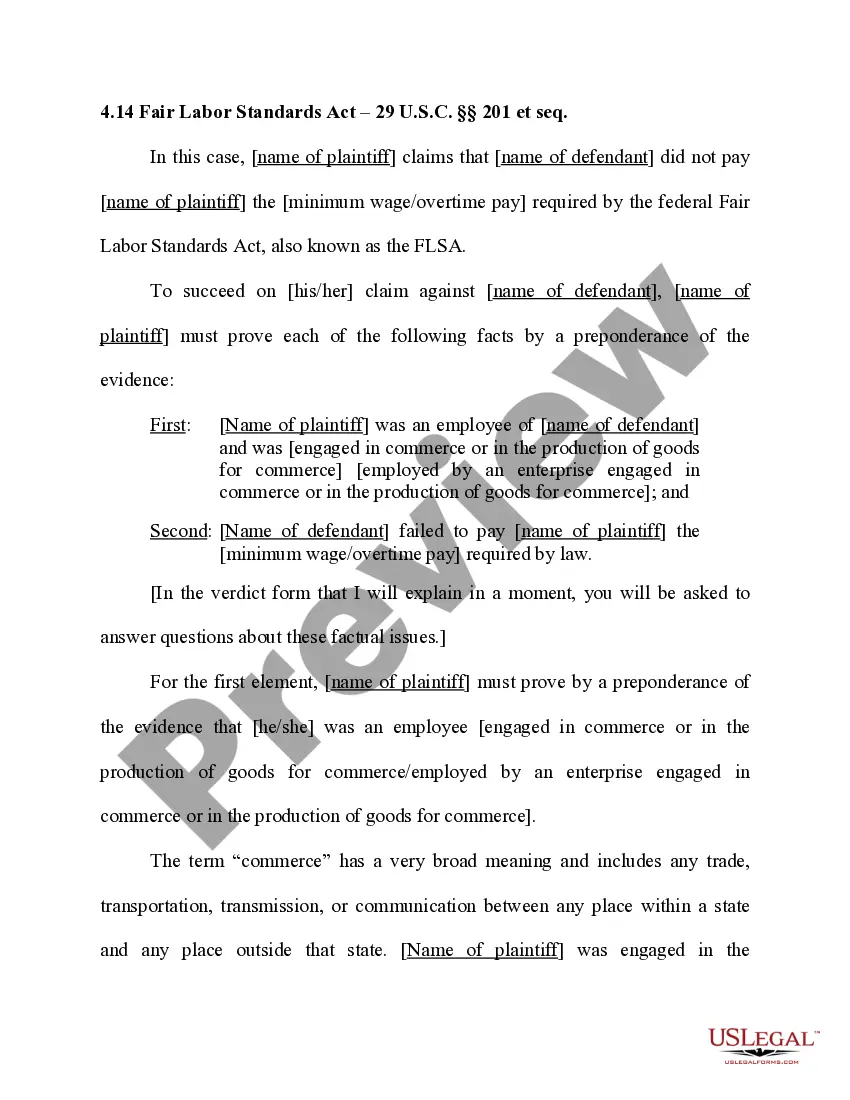
Salaried employees in North Carolina can work up to 40 hours in one standard workweek. Any hours worked beyond 40 is compensated at 1.5 times. Employers who disregard overtime compensation may face penalties for violations.
Include the name and location of the company. Provide your job title. Specify the dates of employment. List your most important accomplishments and responsibilities.
If you were fired because of a protected characteristic or you were fired for not responding to harassment or requiring reasonable accommodations for a disability, these are illegal and can be the basis for a wrongful termination suit.
