Employee Handbook Laws In Minnesota
Description


















Form popularity
FAQ
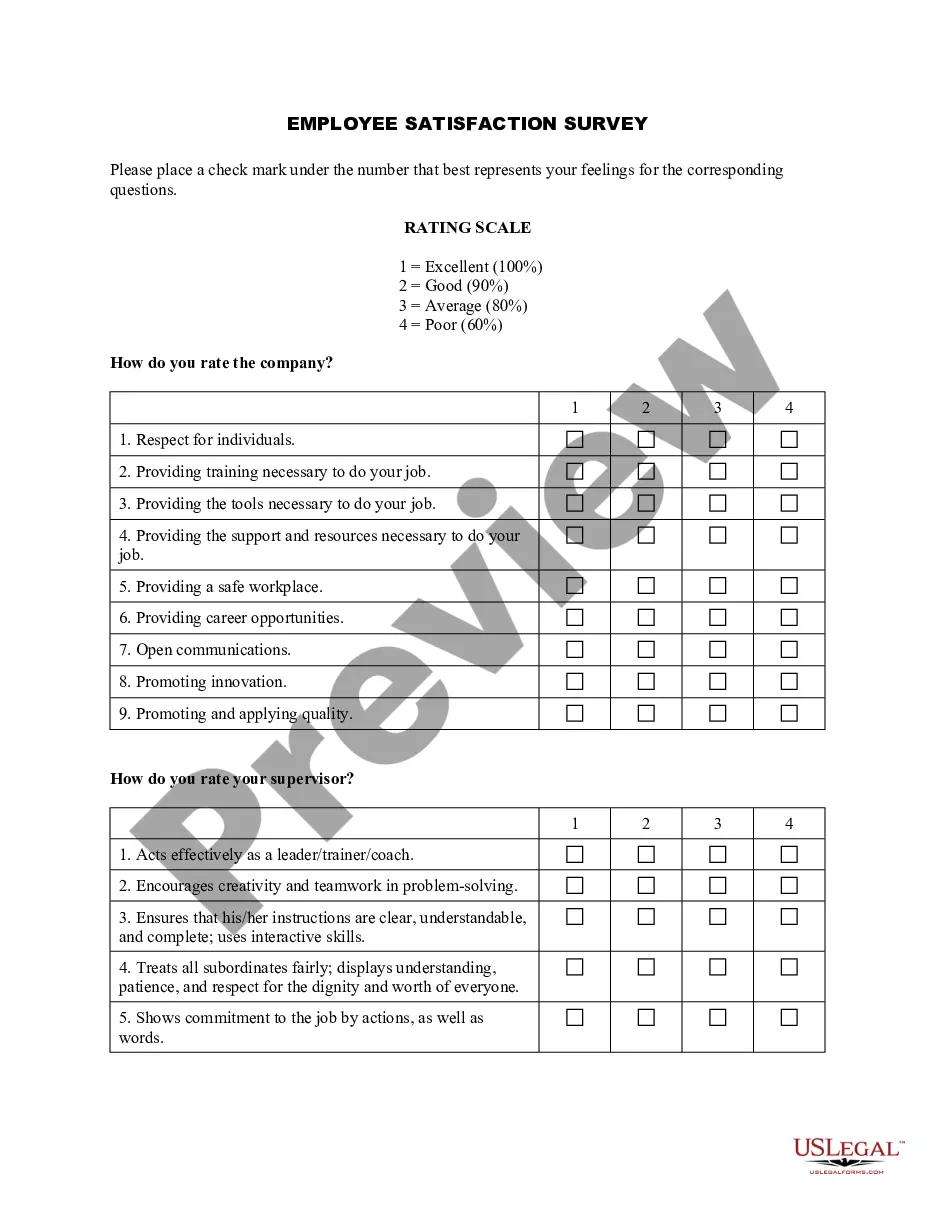
While there is no specific law on the federal level that requires employers to create an employee handbook, certain labor regulations may apply if you choose to create one.
And if your company doesn't have a handbook, managers and employees will need to rely on the company's “institutional memory” to ensure that policies are consistently applied. Work policies and expectations also take on more importance and are more likely to be followed when you codify them in an official handbook.
Are Employers Required to Provide an Employee Handbook? There's no specific legal requirement for employers to provide an employee handbook. However, the Society for Human Resource Management (SHRM) advises that it's a key tool for employers and HR departments in addressing conflict and other issues.
Professional, Customized Handbooks for Your Employees You can be confident that your employee handbook is compliant by having it prepared by the experts at MyHRConcierge. To provide the best possible product, we believe it is important for our HR Experts to understand your company and policies.
Generally speaking, an employee handbook is not a legally binding contract unless it explicitly states that it is. However, certain statements in the handbook can be interpreted as contractual promises if they are specific enough and imply mutual obligations between employer and employee.
Once the employer has updated the policies and formalized the common practices, legal counsel should review them, and HR should use these final policies for developing the employee handbook. Employers should also consider the National Labor Relations Board (NLRB) rulings and guidance pertaining to employee handbooks.
Your Minnesota employee handbook must include both state-specific and federal policies. Whether all of your employees are based in Minnesota or just a few, you will need to provide a Minnesota-specific handbook to ensure that they are aware of the policies and rights granted to them by their state.
And if your company doesn't have a handbook, managers and employees will need to rely on the company's “institutional memory” to ensure that policies are consistently applied. Work policies and expectations also take on more importance and are more likely to be followed when you codify them in an official handbook.
This can be quite frustrating for employees, and unfair, as employees rely on the handbook to follow procedure and expect the employer to similarly follow the handbook rules. Unfortunately, with only extremely rare exceptions, it is not illegal for an employer to violate their own handbook policies.
