State Specific Employment Laws Within Hospitality In Phoenix
Description
















Get your form ready online
Our built-in tools help you complete, sign, share, and store your documents in one place.
Make edits, fill in missing information, and update formatting in US Legal Forms—just like you would in MS Word.
Download a copy, print it, send it by email, or mail it via USPS—whatever works best for your next step.
Sign and collect signatures with our SignNow integration. Send to multiple recipients, set reminders, and more. Go Premium to unlock E-Sign.
If this form requires notarization, complete it online through a secure video call—no need to meet a notary in person or wait for an appointment.
We protect your documents and personal data by following strict security and privacy standards.
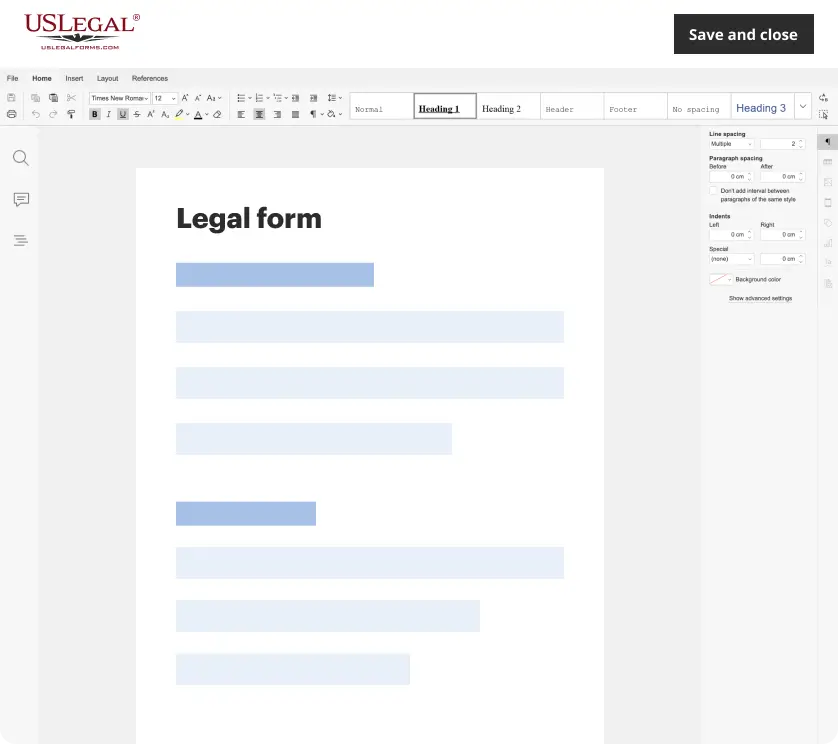
Make edits, fill in missing information, and update formatting in US Legal Forms—just like you would in MS Word.
Download a copy, print it, send it by email, or mail it via USPS—whatever works best for your next step.
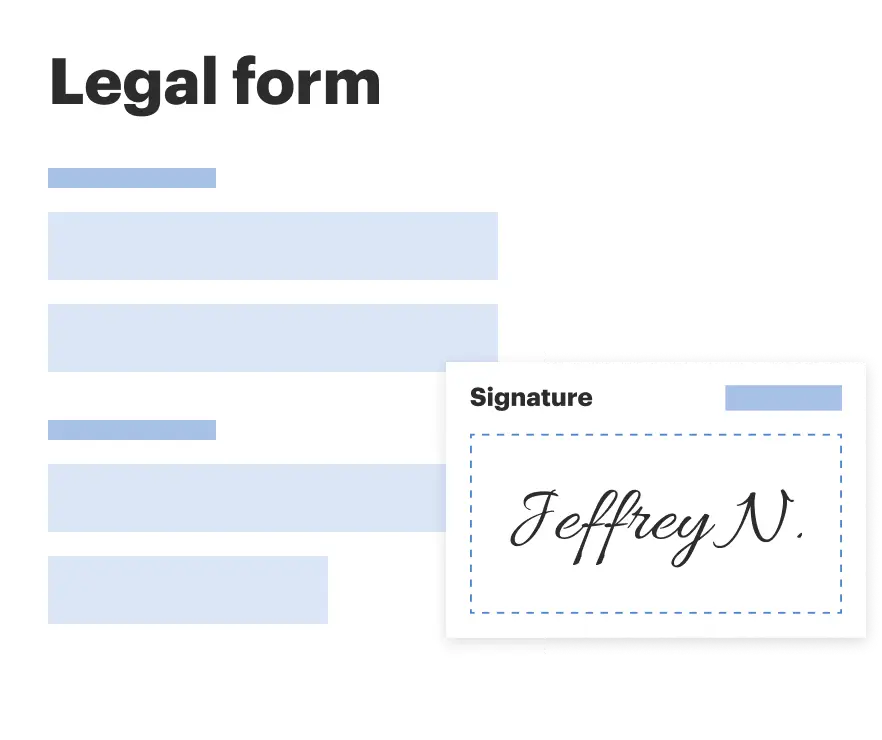
Sign and collect signatures with our SignNow integration. Send to multiple recipients, set reminders, and more. Go Premium to unlock E-Sign.
If this form requires notarization, complete it online through a secure video call—no need to meet a notary in person or wait for an appointment.
We protect your documents and personal data by following strict security and privacy standards.
Looking for another form?

Form popularity
FAQ
Arizona Labor Laws Guide Arizona Labor Laws FAQ Arizona minimum wages$14.35 per hour Arizona overtime laws 1.5 times the regular wage for any time worked over 40 hours/week ($19.20 for minimum wage workers) Arizona break laws Breaks not required by law
Under Title VII of the Civil Rights Act of 1964 and Arizona civil rights laws, it is illegal to terminate employment based on factors such as race, gender, sexual orientation, age, disability, religion, national origin, pregnancy, or genetic information. Employment contract breaches.
The law is known as the Arizona Employment Protection Act (AEPA), and it provides that an employer violates the AEPA if an employee is terminated in retaliation for the following. The refusal by the employee to commit an act or omission that would violate the Constitution of Arizona or the statutes of this state.
An employer shall allow each employee to take at least one ten minute rest period during every four hours of labor performed. The employer shall not deduct any wages from the employee for the period of time that the employee is participating in a rest period.
To file a complaint, you may complete one of the following two options: File a complaint online. or. Fill out the Complaint/Apparent Violation Form . Once the form is completed, you may submit it by any way below: Email it to DERSazcomplaints@azdes.
To remain compliant and prepared for government inspections and avoid penalties, businesses should: Document every employment-related activity accurately. Maintain up-to-date and easily accessible employee records. Regularly review and update company policies to align with current laws.
The law is known as the Arizona Employment Protection Act (AEPA), and it provides that an employer violates the AEPA if an employee is terminated in retaliation for the following. The refusal by the employee to commit an act or omission that would violate the Constitution of Arizona or the statutes of this state.
Each state sets laws related to fair employment and workplace safety. In most cases, state laws offer more protections than the federal ones. Contact your state department of labor to learn about the labor laws in your state.