Labour Law For Wages In Queens
Description




















Form popularity
FAQ
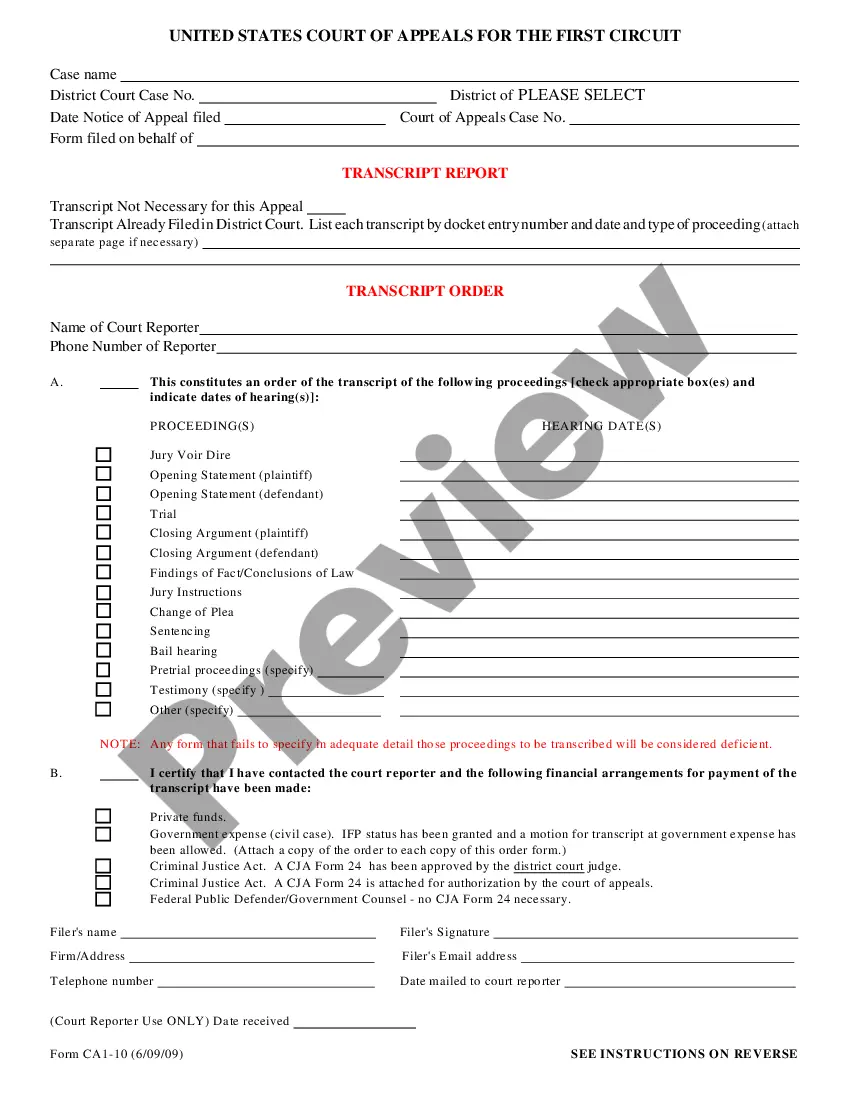
Submit form LS223 to make a claim regarding unpaid wages, unpaid wage supplements, minimum wage or overtime violations, illegal deductions, or if your employer fails to give you the required meal period, day of rest, paystub, etc.
Agency: New York State Department of Labor. Division: Division of Labor Standards Local Office. Phone Number: (888) 469-7365. Business Hours: Monday - Friday: AM - PM. Staff is available through the automated phone system during business hours. Call volume is often high. If you don't get through, call back later.
We are ready to answer your call and help with filing a new UI claim, giving updates on a new or existing UI claim or if you have a specific questions about your claim. For questions about your UI claim, call our Telephone Claims Center Monday through Friday, 8 a.m. to 5 p.m. at 888-209-8124.
A BOFE representative will review the report to determine whether to investigate the employer. If BOFE starts an investigation, it may inspect the worksite, issue citations for violations, work with the employer to correct the problem, and collect any unpaid wages owed to workers.
We build and support New York's businesses, helping them find qualified workers and keeping them informed about tools and incentives to make their businesses thrive. We empower and protect New York's workers by supporting the unemployed and by ensuring all workers have a safe workplace where they receive a fair wage.
Effective July 1, 2024, the salary threshold will increase to the equivalent of an annual salary of $43,888 and increase to $58,656 on Jan. 1, 2025. The July 1 increase updates the present annual salary threshold of $35,568 based on the methodology used by the prior administration in the 2019 overtime rule update.
Under the FLSA, exempt salaried employees have virtually no rights at allwhen it comes to overtime, aside from their base salary as determined in their employment agreement. Employers can require any number of hours or any type of schedule from employees, including mandatory overtime or makeup time for absences.
The law does not provide a maximum number of hours that an exempt worker can be required to work during a week. This means that an employer could require an exempt employee to work well beyond 40 hours a week without overtime compensation.
You may sue for up to $3,000 in Town or Village Courts, and $5,000 in City Courts. If you are owed more than $5,000 you can sue in New York City Civil Court or in New York State Supreme Court if you live outside of New York City.
