Confirmation And Settlement Process In Pennsylvania
Description


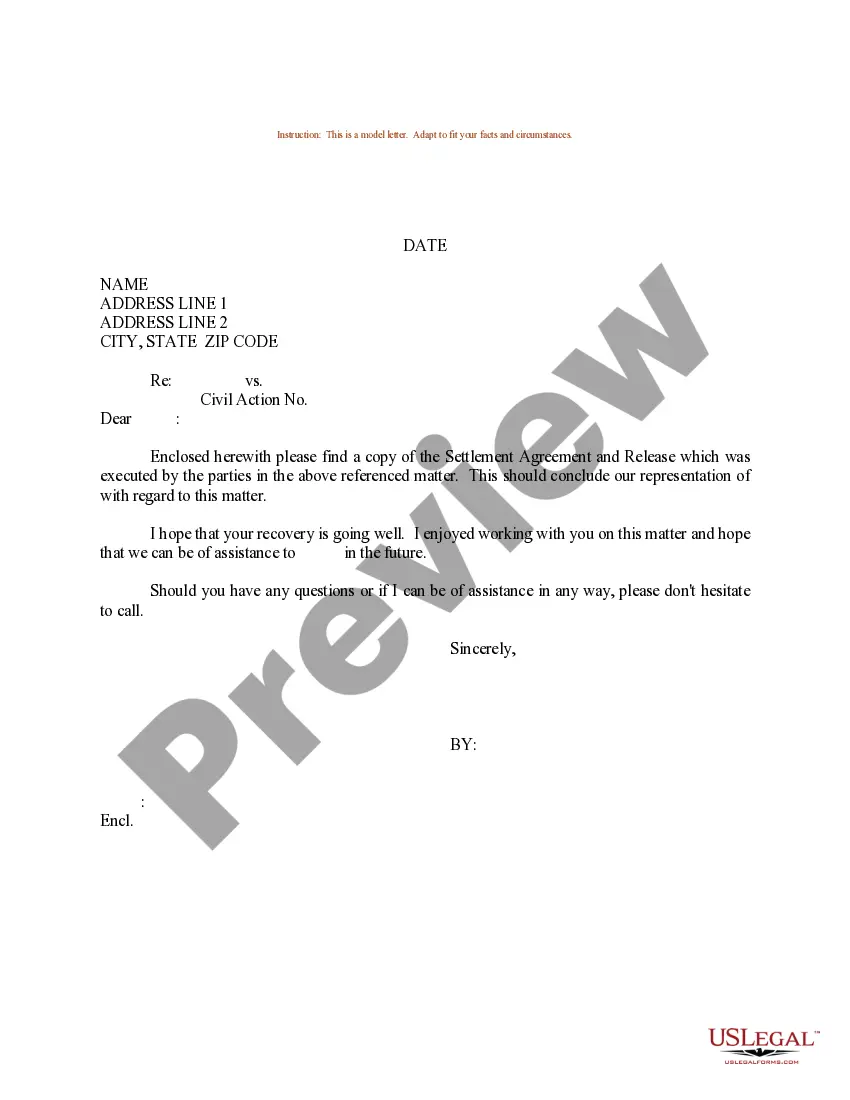
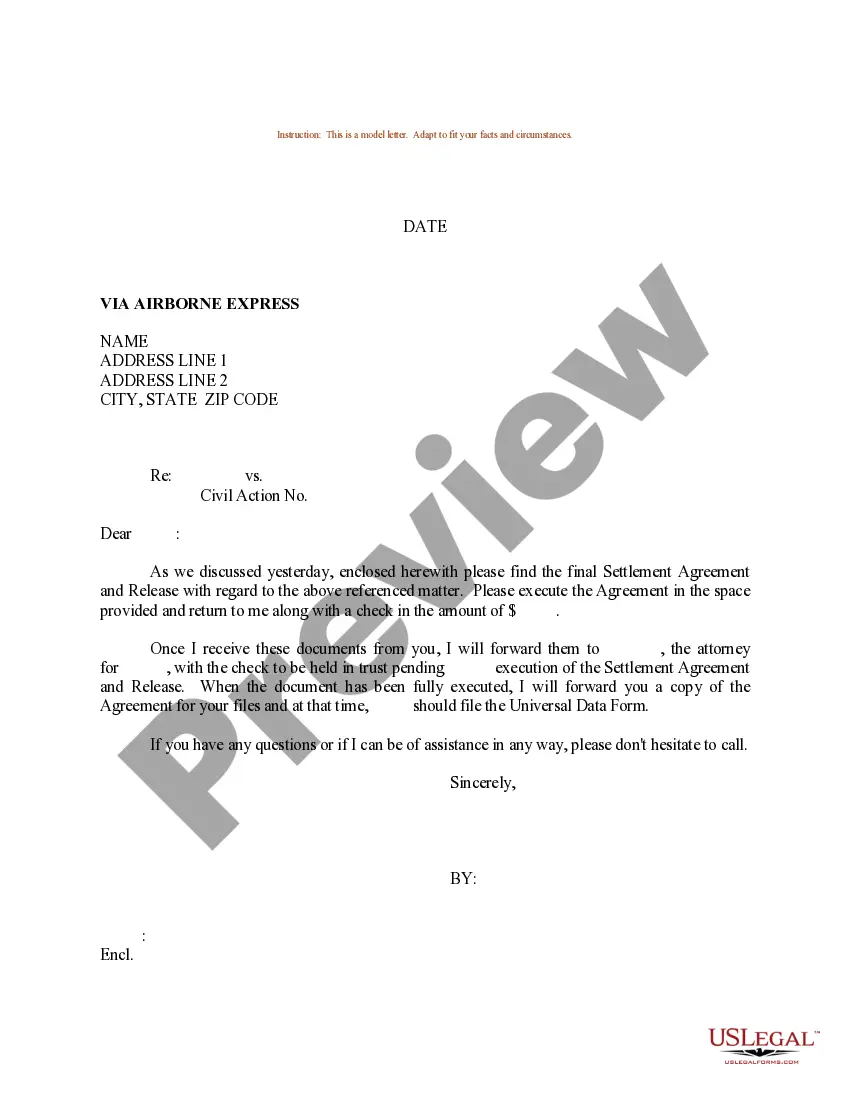
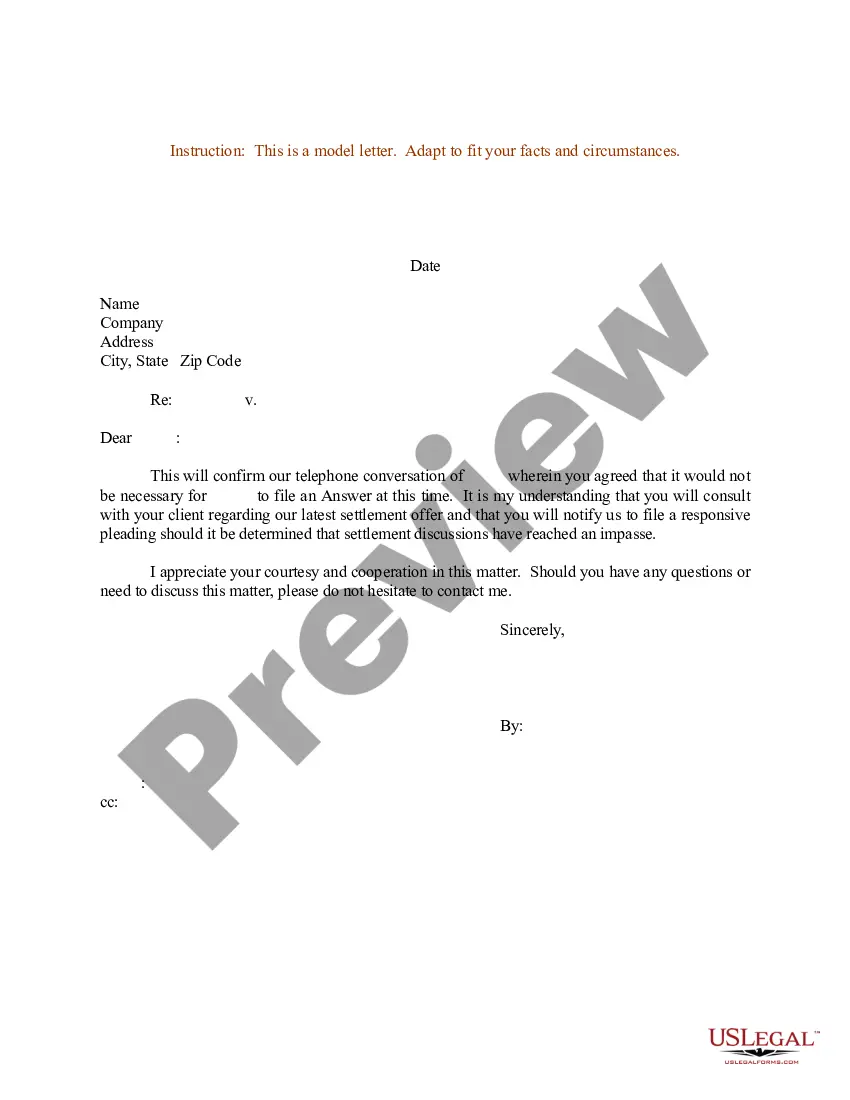
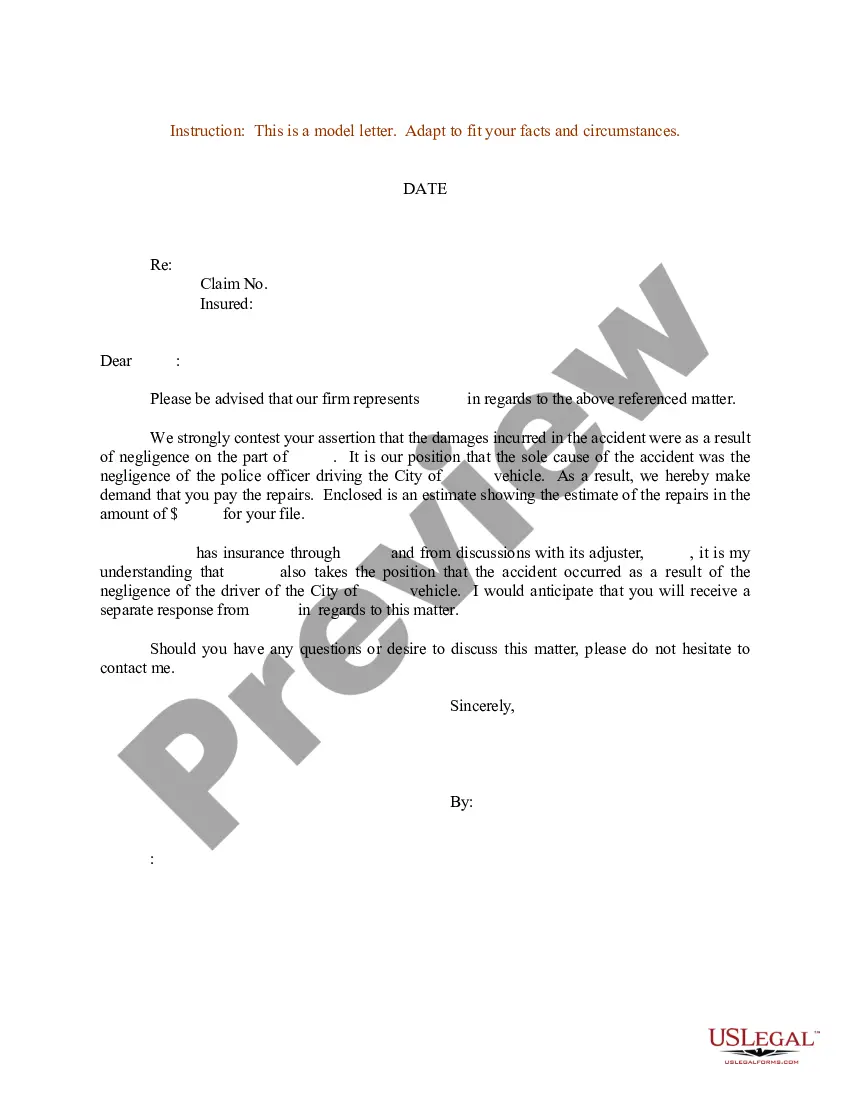
Get your form ready online
Our built-in tools help you complete, sign, share, and store your documents in one place.
Make edits, fill in missing information, and update formatting in US Legal Forms—just like you would in MS Word.
Download a copy, print it, send it by email, or mail it via USPS—whatever works best for your next step.
Sign and collect signatures with our SignNow integration. Send to multiple recipients, set reminders, and more. Go Premium to unlock E-Sign.
If this form requires notarization, complete it online through a secure video call—no need to meet a notary in person or wait for an appointment.
We protect your documents and personal data by following strict security and privacy standards.

Make edits, fill in missing information, and update formatting in US Legal Forms—just like you would in MS Word.

Download a copy, print it, send it by email, or mail it via USPS—whatever works best for your next step.

Sign and collect signatures with our SignNow integration. Send to multiple recipients, set reminders, and more. Go Premium to unlock E-Sign.

If this form requires notarization, complete it online through a secure video call—no need to meet a notary in person or wait for an appointment.

We protect your documents and personal data by following strict security and privacy standards.
Looking for another form?

Form popularity
FAQ
As in most states, the statute of limitations in civil cases in Pennsylvania is two years. In most cases, this means that victims have two years from the date of their injury to file a civil lawsuit.
The process of settling an estate in Pennsylvania involves naming a personal representative, collecting estate assets, filing appropriate forms with the Register of Wills, notifying heirs, providing public notice, paying all debts and taxes, and distributing the remaining assets to heirs named in the will or under the ...
Organize Important Information The first step (and one of the most important ones) in the process of settling an estate is getting organized. You'll want to keep track of both your expenses and all the time you spend working on settling the estate, as you're entitled to be compensated. You should look for a Will.
While it is not required by law to hire a lawyer for the probate process in Pennsylvania, it is highly recommended. The probate process involves complex legal procedures and documents that can be difficult to navigate without proper knowledge and experience.
On average, it can take anywhere from 6 months to over a year to complete the probate process and distribute assets to beneficiaries. However, this timeline can be shortened if the decedent had a well-organized estate plan before their passing.
The average time to settle an estate in Pennsylvania can vary depending on the complexity of the estate and any potential challenges or disputes. On average, it can take anywhere from 6 months to over a year to complete the probate process and distribute assets to beneficiaries.
Frequently Asked Questions (FAQ) Type your letter. Concisely review the main facts. Be polite. Write with your goal in mind. Ask for exactly what you want. Set a deadline. End the letter by stating you will promptly pursue legal remedies if the other party does not meet your demand. Make and keep copies.
Demand Letter Components Facts of the case. An outline of what happened. Statement of the issue. A brief description of the problem. Demand. The dollar amount or action necessary to resolve the case. Response deadline. The date by which the recipient must respond. Noncompliance consequences.
The process of settling an estate in Pennsylvania involves naming a personal representative, collecting estate assets, filing appropriate forms with the Register of Wills, notifying heirs, providing public notice, paying all debts and taxes, and distributing the remaining assets to heirs named in the will or under the ...