Notice Discovery Template With Time In Arizona
Description


Form popularity
FAQ
ARIZONA RULES OF CIVIL PROCEDURE RULE 26.2 The amount of discovery a party may take is limited by the tier to which their case is assigned. In addition, the days in which discovery is to be completed is limited by the tier to which their case is assigned.
This rule freely authorizes the taking of depositions under the same circumstances and by the same methods whether for the purpose of discovery or for the purpose of obtaining evidence.
The Discovery Rule could extend the time you have to file a personal injury case in Arizona. Under the Discovery Rule, the statute of limitations does not begin until the person knows or should have reasonably known about an injury.
Rule 26.1 of the Arizona Rules of Civil Procedure requires that the parties to a lawsuit to exchange Initial Disclosure Statements within 30 (thirty) days of the defendant filing an Answer.
Producing Documents, Electronically Stored Information, and Tangible Things, or Entering onto Land, for Inspection and Other Purposes.
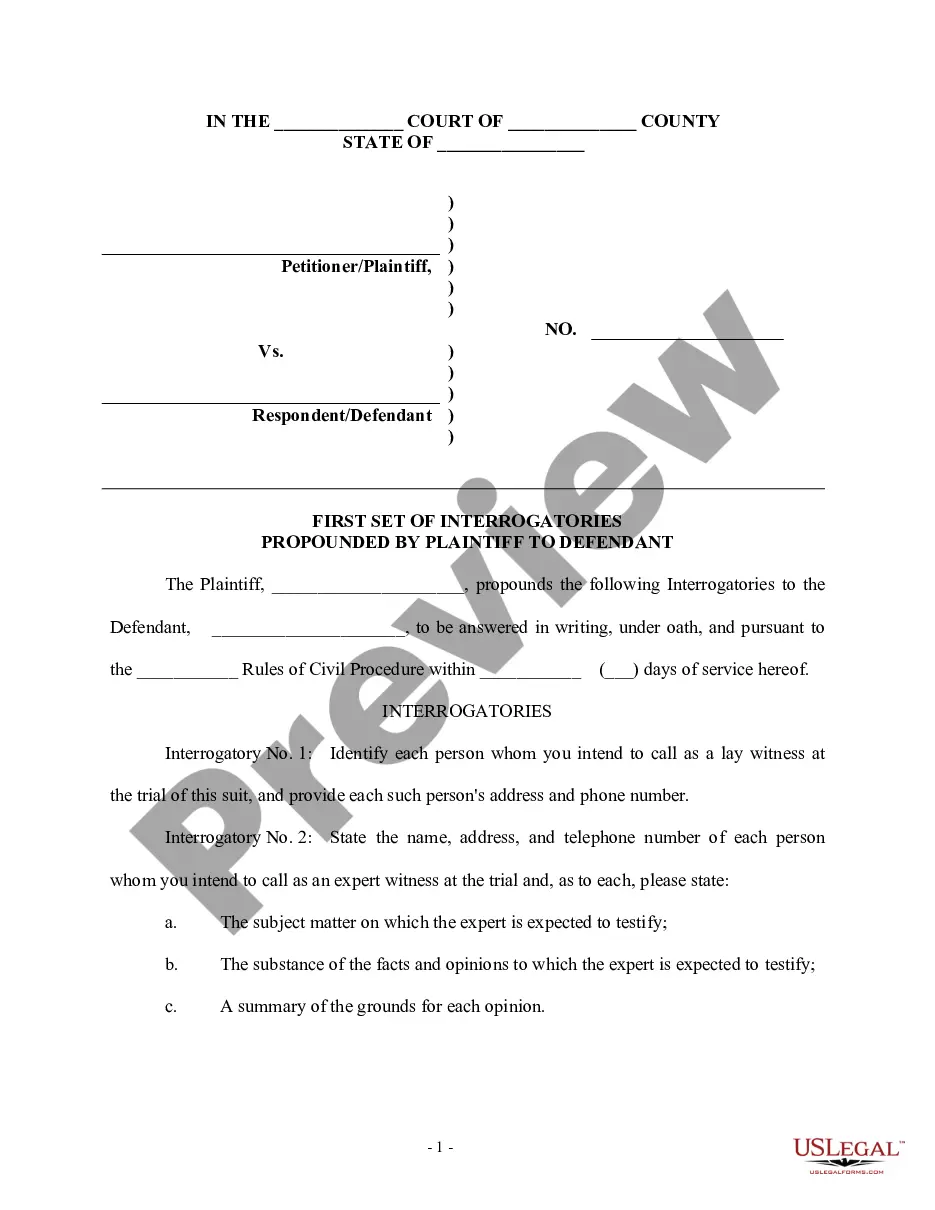
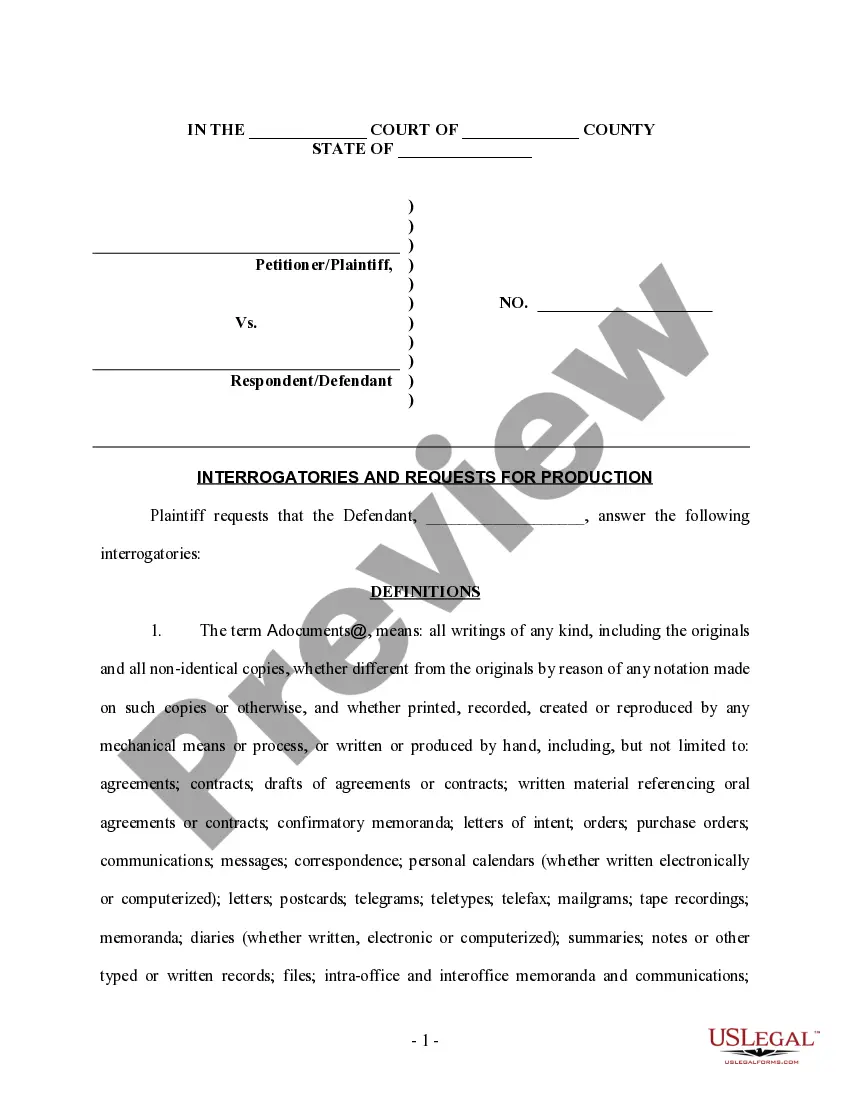
A party may use a uniform interrogatory when it is appropriate to the legal or factual issues of the particular action, regardless of how the action or claims are designated. A party propounding a uniform interrogatory may do so by serving a notice that identifies the uniform interrogatory by form and number.
Discovery. (a) Witnesses. Within twenty days of the filing of a response, disciplinary counsel and the judge shall exchange the names and addresses of all persons known to have knowledge of the relevant facts, designating those persons the parties intend to call at the hearing.
The rule requires the parties conduct the meet and confer as soon as practicable, and in any event at least 21 days before the initial scheduling conference or order is due. A motion to dismiss does not generally stay discovery, so be ready to move for a stay or proceed with the FRCP 26(f) meet and confer.
Steps Check if the court has blank motion forms. Some courts have "check the boxes" or "fill in the blank" motion forms. Create your caption. Title your motion. Draft the introductory paragraph to the body of the motion. Request relief. Lay out the applicable facts. Make your legal argument. Insert a signature block.
Rule 49 allows full discovery of important facts to avoid “litigation by ambush.” The Rule promotes greater professionalism among counsel, with the ultimate goal of increasing voluntary cooperation and exchange of information.