Notice For Discovery And Inspection New York In Arizona
Description



Form popularity
FAQ
What Is the Discovery Rule in Arizona? Arizona applies the discovery rule in certain personal injury cases. Under this rule, the statute of limitations may begin from the date when the injury was discovered or when it reasonably should have been discovered.
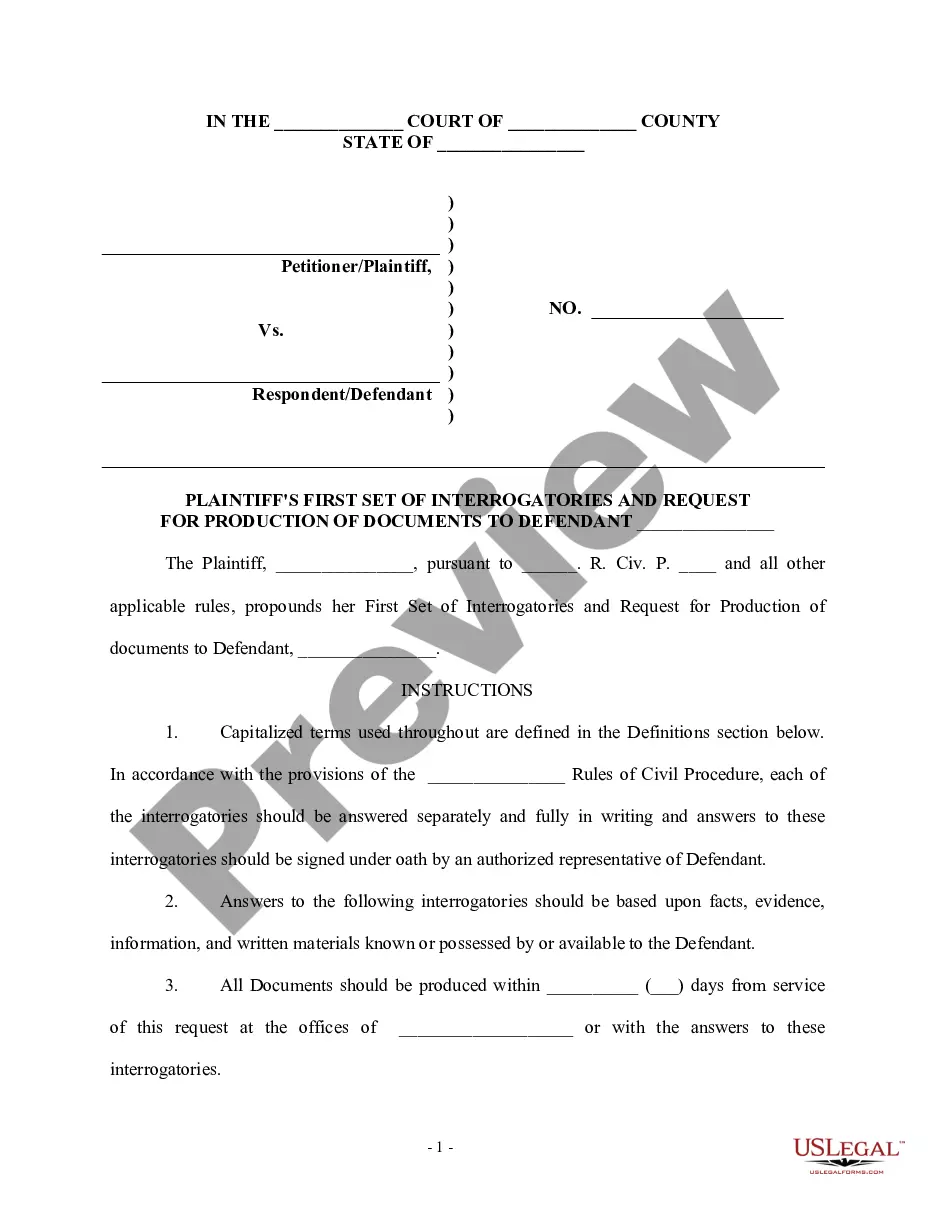
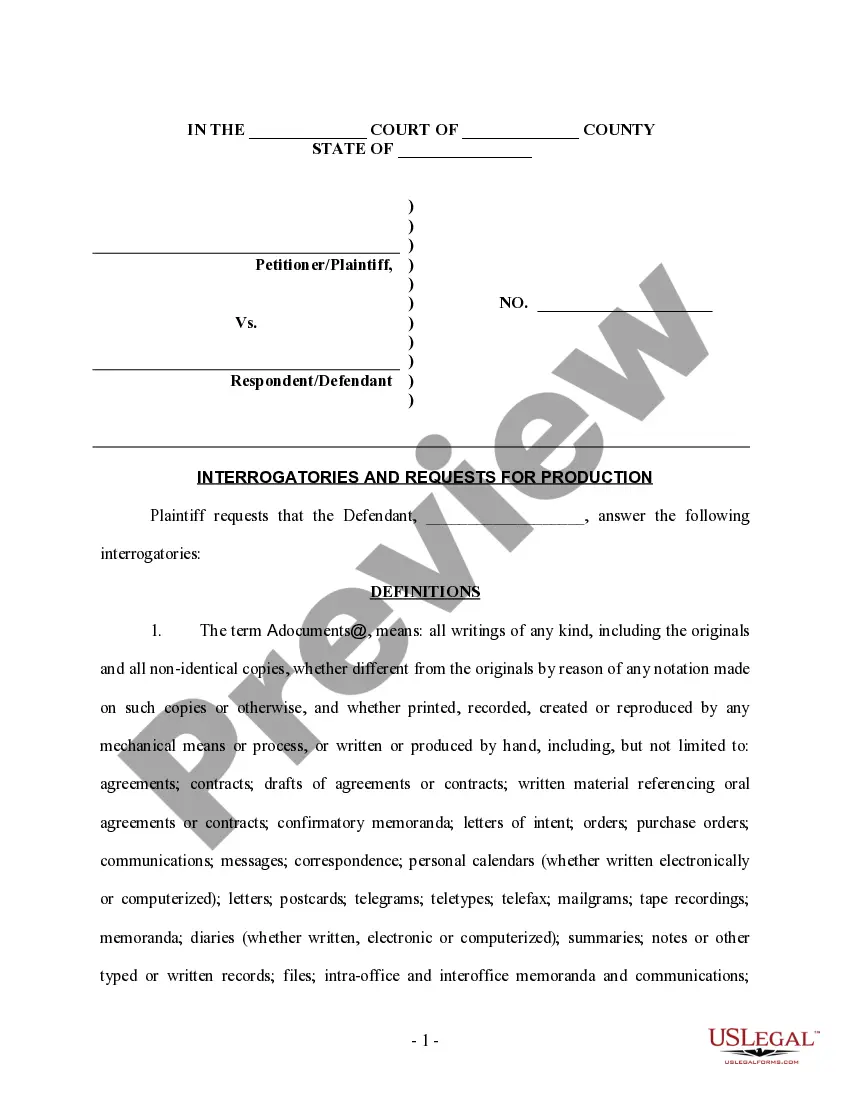
If the parties are having a dispute, either party can file a motion with the court asking the judge to order the other side to respond to discovery requests or punish the other side for failing to respond to discovery requests or for making unreasonable discovery requests.
Arizona has some of the most restrictive sentencing laws in the country, with every person who is incarcerated required to serve a minimum 85 percent of his or her sentence— regardless of good behavior. This has resulted in a bloated prison population and massive state prison spending.
A Rule 69 Agreement allows the parties to settle some or all of their disputes privately, leaving only the unresolved issues to be resolved by the family law court. Common disputes settled ahead of divorce trial proceedings are visitation, parenting time, child support, and how to divide assets.
Federal Rule 41(a) permits voluntary dismissal without court approval only up until the filing of the answer or a motion for summary judgment; in Maine such voluntary dismissal may come as late as the eve of trial, at a time when other parties may have expended great time and effort as to the plaintiff or the defendant ...
Discovery. (a) Witnesses. Within twenty days of the filing of a response, disciplinary counsel and the judge shall exchange the names and addresses of all persons known to have knowledge of the relevant facts, designating those persons the parties intend to call at the hearing.
Rule 41 - Duties and Obligations of Members (a) Definition. "Unprofessional conduct" means substantial or repeated violations of the oath of Admission to the State Bar or the Lawyer's Creed of Professionalism of the State Bar of Arizona.
Rule 40 - Trial Procedures (a) Scope. This rule governs jury trials and, to the extent applicable, trials to the court. (b) Objectives. The court should adopt trial procedures as necessary or appropriate to facilitate a just, speedy, and efficient resolution of the action.
A discovery response is essentially a choice that you make after receiving a request for information. The question then becomes, Should you comply or not?
If you filed a request for discovery and the other party will not answer or provide you with the information, you can file a Motion To Compel. This Motion asks the Court to force the other party to answer your requests. You can also ask the Court to sanction the other party for not answering your requests.