Notice Of Discovery Form Florida In Broward
Description


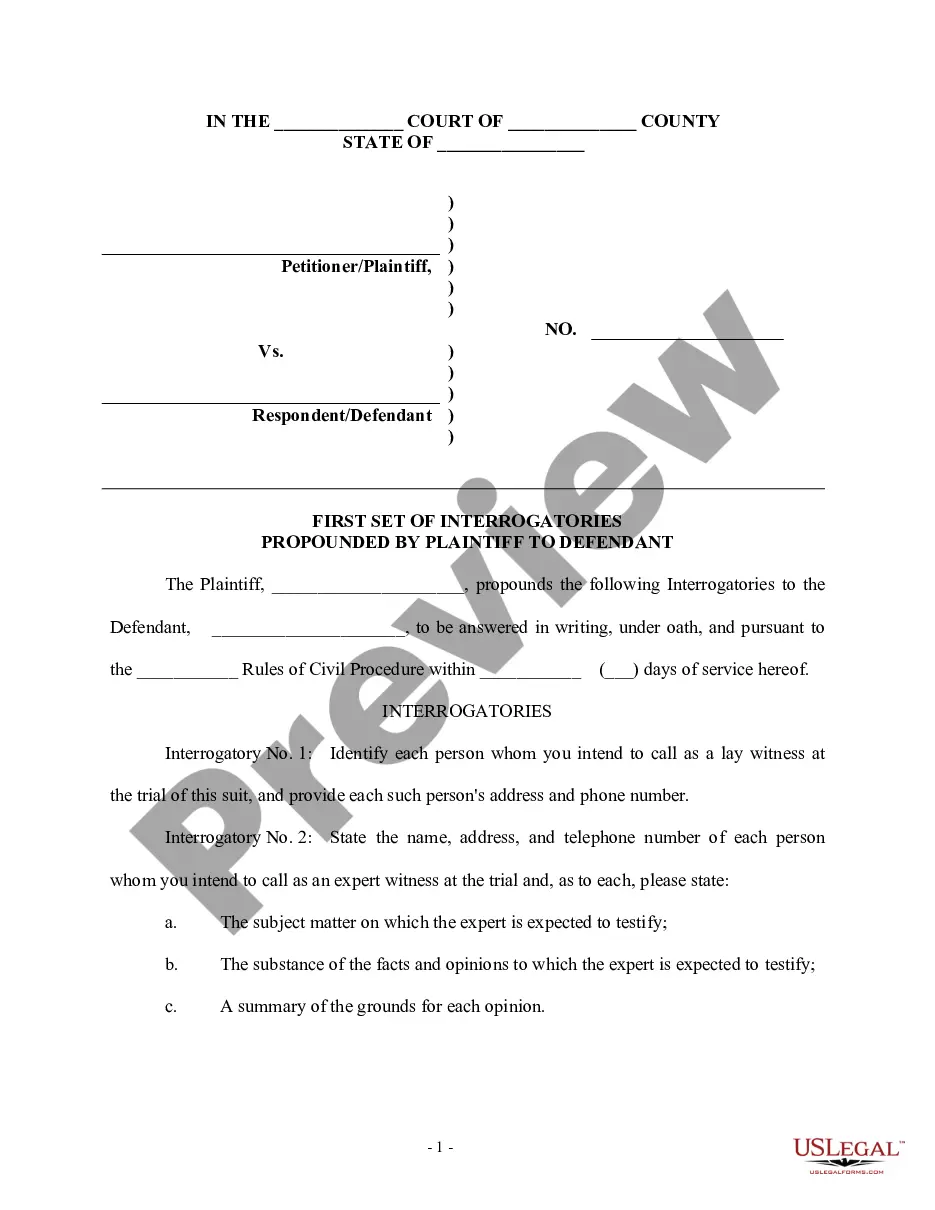

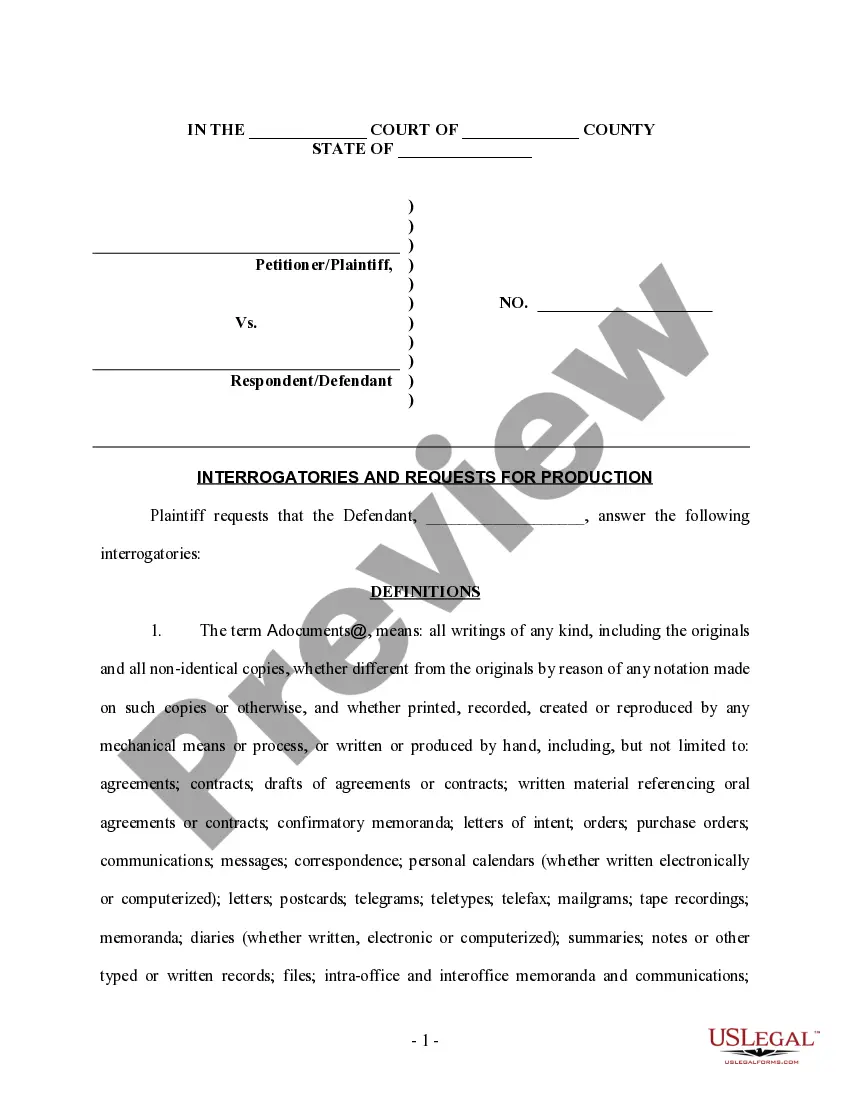
Get your form ready online
Our built-in tools help you complete, sign, share, and store your documents in one place.
Make edits, fill in missing information, and update formatting in US Legal Forms—just like you would in MS Word.
Download a copy, print it, send it by email, or mail it via USPS—whatever works best for your next step.
Sign and collect signatures with our SignNow integration. Send to multiple recipients, set reminders, and more. Go Premium to unlock E-Sign.
If this form requires notarization, complete it online through a secure video call—no need to meet a notary in person or wait for an appointment.
We protect your documents and personal data by following strict security and privacy standards.

Make edits, fill in missing information, and update formatting in US Legal Forms—just like you would in MS Word.

Download a copy, print it, send it by email, or mail it via USPS—whatever works best for your next step.

Sign and collect signatures with our SignNow integration. Send to multiple recipients, set reminders, and more. Go Premium to unlock E-Sign.

If this form requires notarization, complete it online through a secure video call—no need to meet a notary in person or wait for an appointment.

We protect your documents and personal data by following strict security and privacy standards.
Looking for another form?
Form popularity
FAQ
By Florida law, the Clerk of Courts in each county is the official custodian of court records. Click here to access the Clerk's Online Services, including official records, civil/family/probate cases, criminal cases and traffic cases, or you may call the Clerk's 24-hour voice response system at (305) 275-1155.
How to File for Custody in Florida Parenting Plan (Form 12.995(a)) – For general cases. Supervised/Safety-Focused Parenting Plan (Form 12.995(b)) – For cases involving supervised custody. Relocation/Long Distance Parenting Plan (Form 12.995(c)) – For cases involving the relocation of one or more parents.
Please contact the Archives and Records Library of the Broward County Clerk of Court. For additional information, please call: (954) 831-7856.
When a motion to compel discovery alleges a complete failure to respond or object to discovery, and there has been no request for extension, a county judge may enter an ex parte order requiring compliance with the original discovery demand within ten (10) days of entry of the order.
A motion to compel against a party to the action must be brought in the court in which the action is pending. If the offending party is not a party to the action, the motion must be brought in the circuit court where the deposition is being taken. Fla. R.
Failing to comply with a court order issued after a motion to compel can have serious repercussions for the non-compliant party. The court may impose sanctions such as fines, attorney's fees, or even dismissing claims or defenses altogether.
Local Rule 10A in the 17th Judicial Circuit of Florida is a rule that governs the scheduling of motions to compel discovery and special set hearings. It states that: Any party seeking to schedule a motion to compel discovery or a special set hearing must first attempt to resolve the matter informally.
All parental responsibility and time-sharing cases need a Cover Sheet, a Uniform Child Custody Jurisdiction and Enforcement Act Affidavit, and a Child Support Guidelines Worksheet. They also require a parenting plan, but you don't have to use the form the courts provide.
A party may move to compel if a deponent fails to answer a question, a corporation or other entity fails to designate a party to testify, a party fails to answer an interrogatory, or if a party in response to a request for inspection fails to respond that inspection will be permitted as requested or fails to permit ...