Service Notice By Email In Cuyahoga
Description


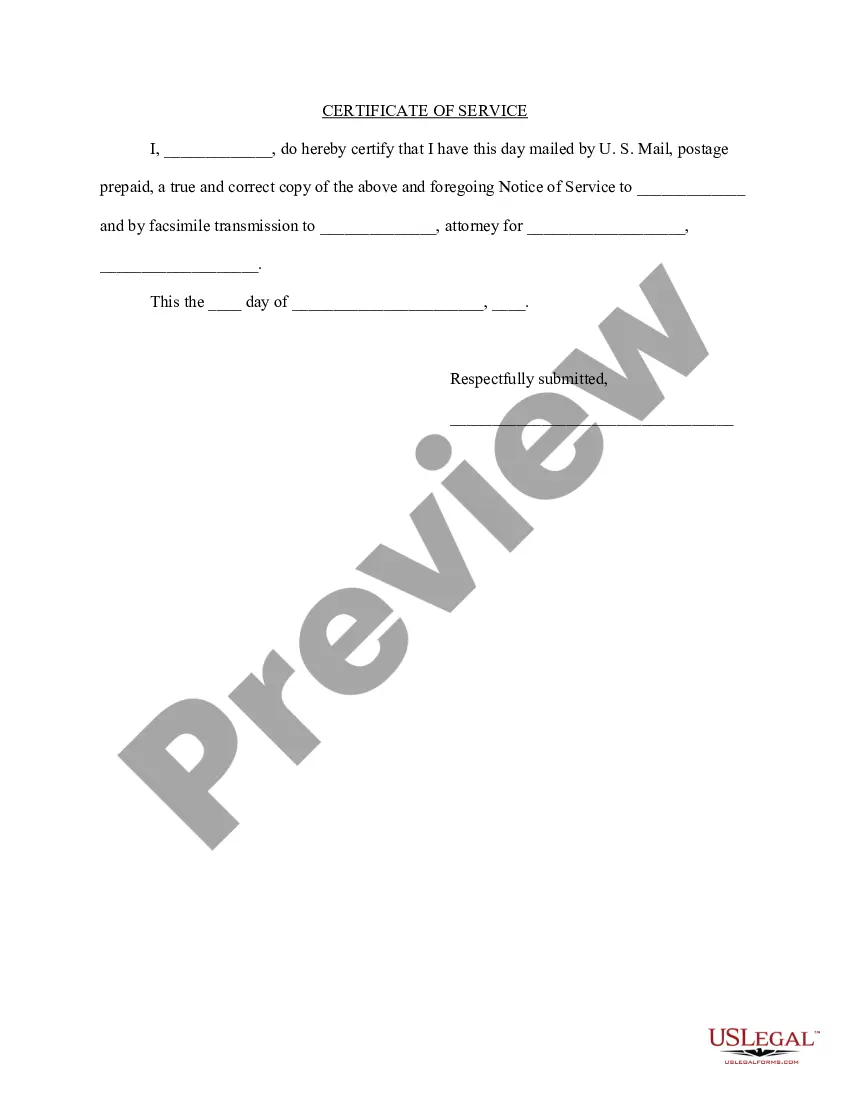
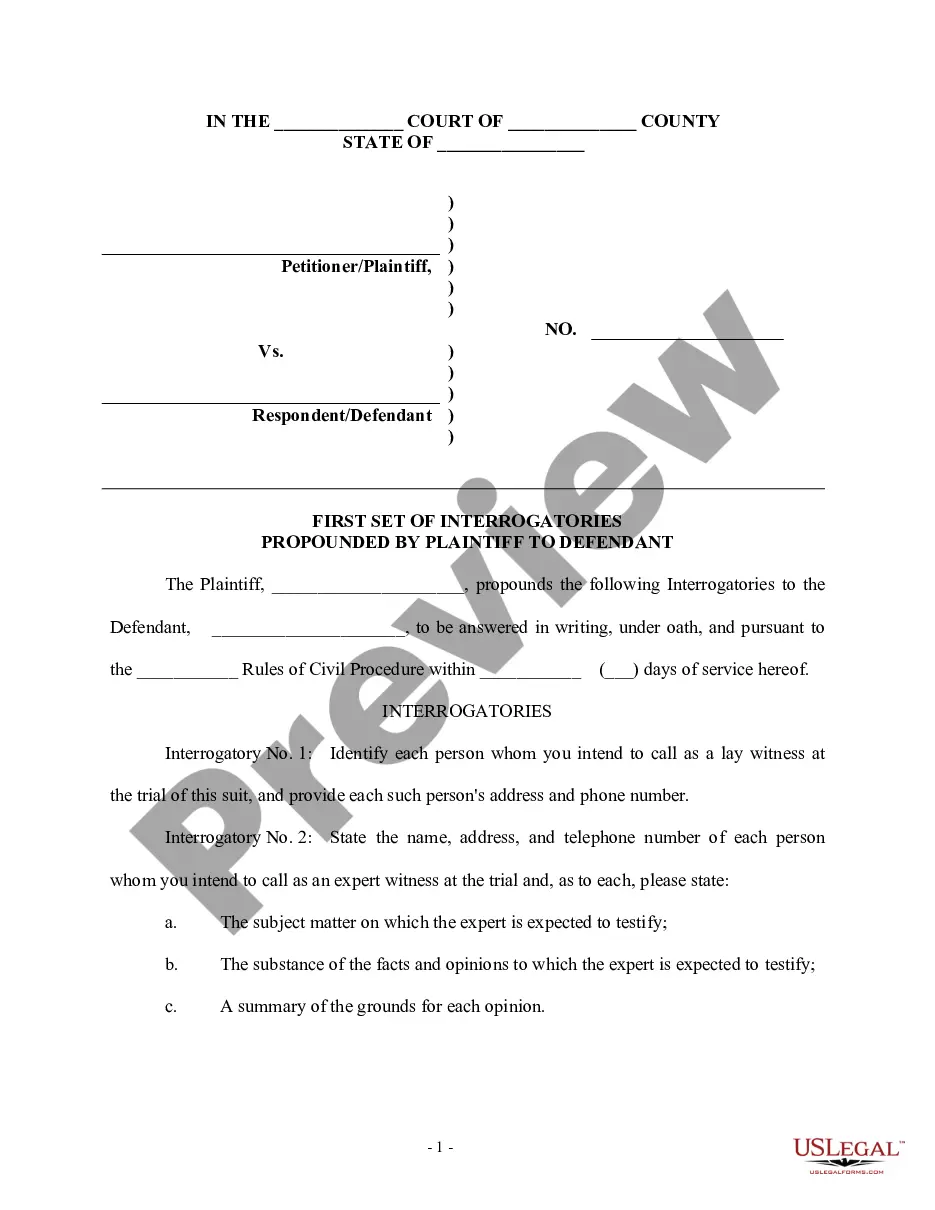

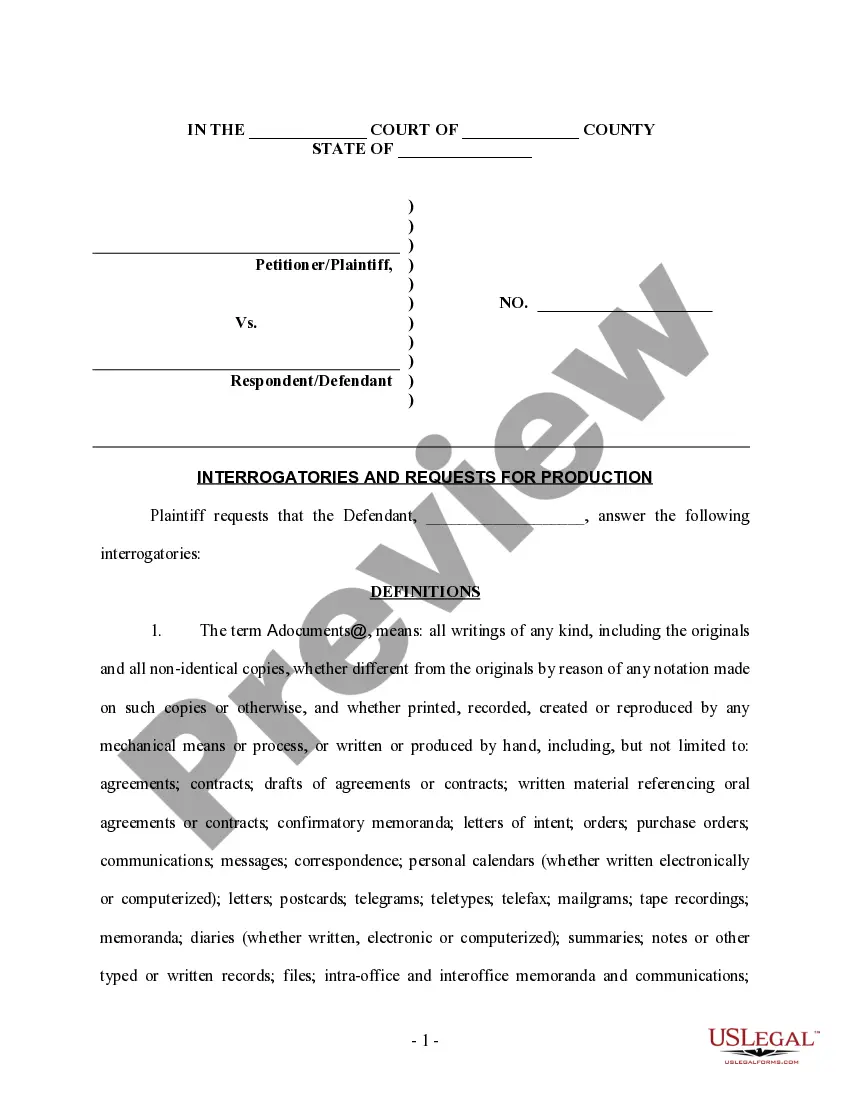
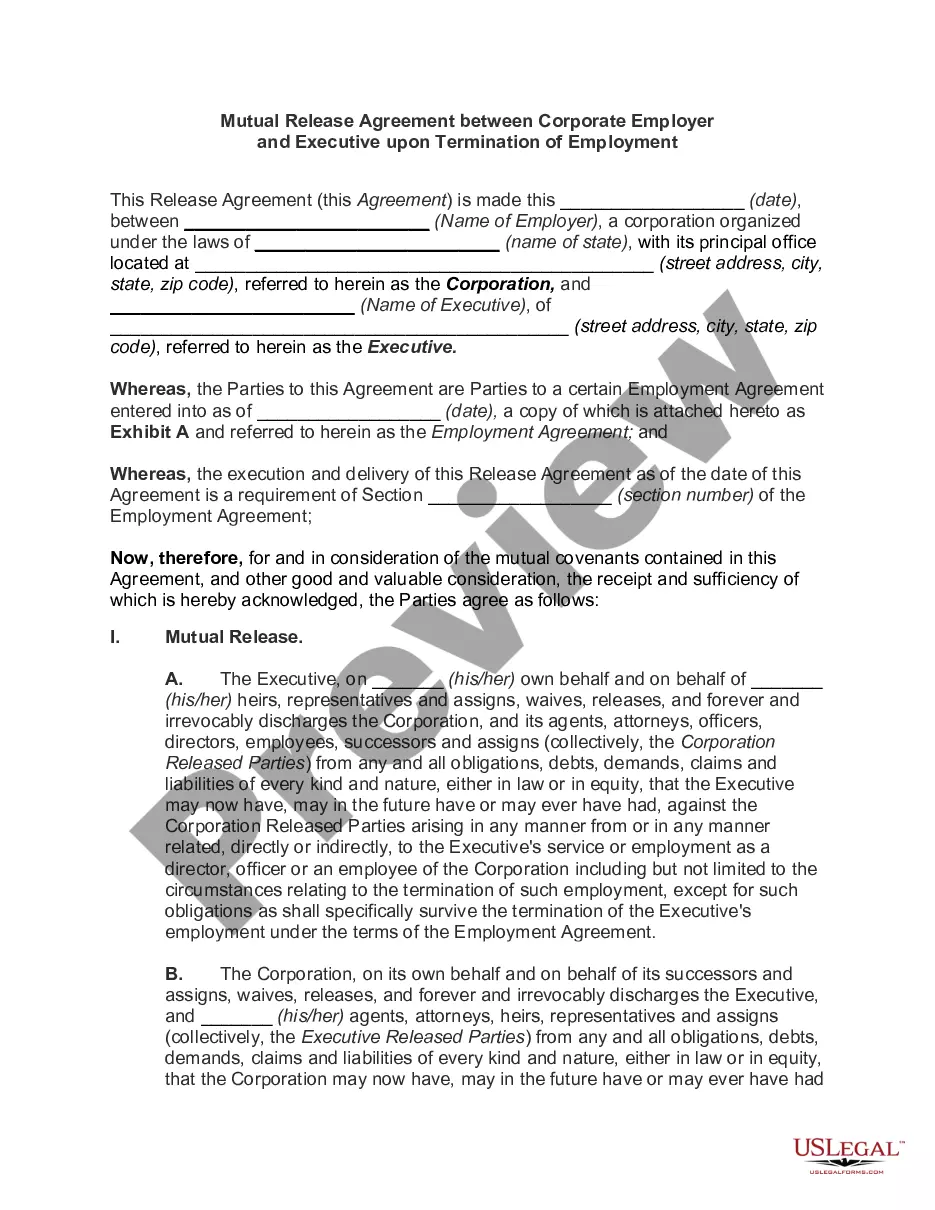
Get your form ready online
Our built-in tools help you complete, sign, share, and store your documents in one place.
Make edits, fill in missing information, and update formatting in US Legal Forms—just like you would in MS Word.
Download a copy, print it, send it by email, or mail it via USPS—whatever works best for your next step.
Sign and collect signatures with our SignNow integration. Send to multiple recipients, set reminders, and more. Go Premium to unlock E-Sign.
If this form requires notarization, complete it online through a secure video call—no need to meet a notary in person or wait for an appointment.
We protect your documents and personal data by following strict security and privacy standards.

Make edits, fill in missing information, and update formatting in US Legal Forms—just like you would in MS Word.

Download a copy, print it, send it by email, or mail it via USPS—whatever works best for your next step.

Sign and collect signatures with our SignNow integration. Send to multiple recipients, set reminders, and more. Go Premium to unlock E-Sign.

If this form requires notarization, complete it online through a secure video call—no need to meet a notary in person or wait for an appointment.

We protect your documents and personal data by following strict security and privacy standards.
Looking for another form?


Form popularity
FAQ
Is service of process by e-mail permitted in a civil action commenced in New York State courts? A) Yes, service of process by e-mail is always permitted for all civil actions.
How Can I Serve Someone Electronically? The party requesting electronic service must first file a motion with the court and include a supporting affidavit stating the reasons why the recipient likely owns a specific email address, cellphone number, or social media account.
Federal courts have authorized alternative service of process, including service by e-mail, where a defendant has evaded service and the proposed alternative method is reasonably calculated to provide notice of the action and an opportunity to be heard.
Under such circumstances, courts have held that service by e-mail alone comports with due process so long as the plaintiff establishes the e-mail is likely to reach the defendant and the record discloses diligent efforts by the plaintiff to obtain a physical address to effect traditional service, the defendant conducts ...