Notice Of Discovery Without Consent In Los Angeles
Description


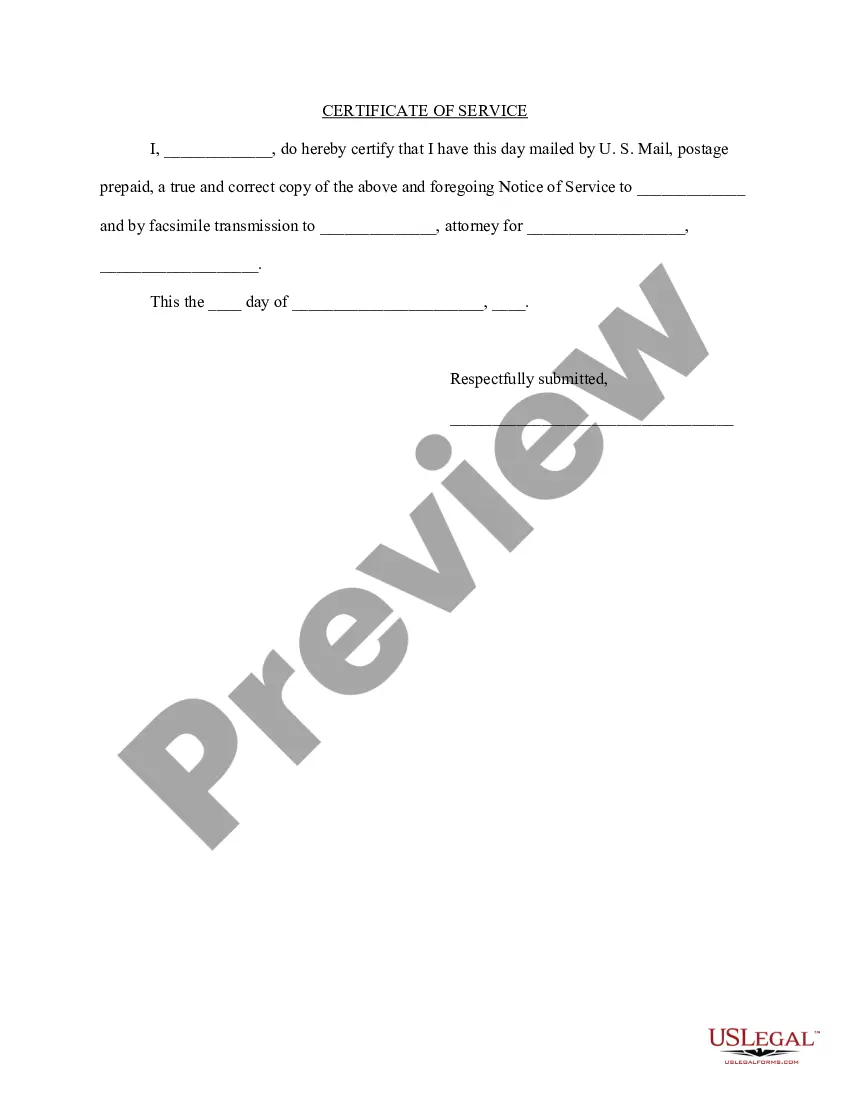
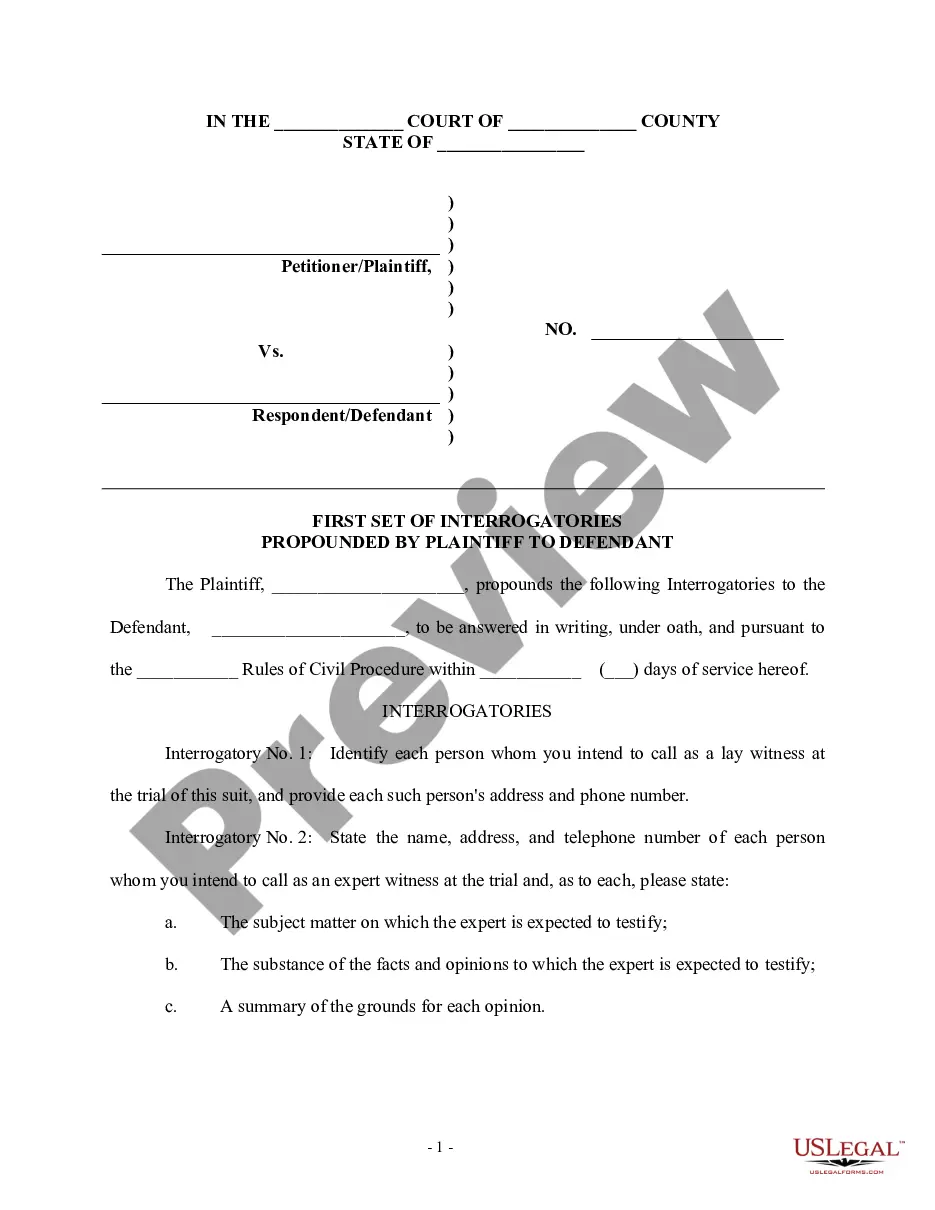

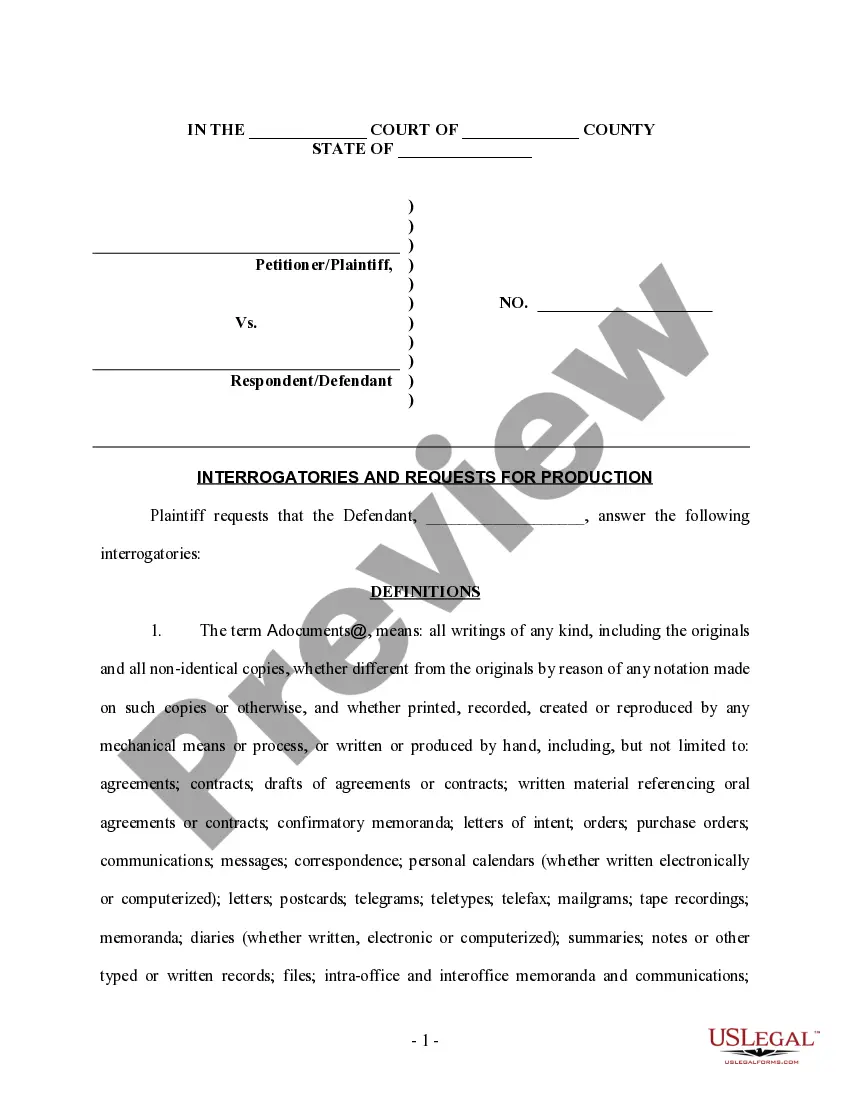
Get your form ready online
Our built-in tools help you complete, sign, share, and store your documents in one place.
Make edits, fill in missing information, and update formatting in US Legal Forms—just like you would in MS Word.
Download a copy, print it, send it by email, or mail it via USPS—whatever works best for your next step.
Sign and collect signatures with our SignNow integration. Send to multiple recipients, set reminders, and more. Go Premium to unlock E-Sign.
If this form requires notarization, complete it online through a secure video call—no need to meet a notary in person or wait for an appointment.
We protect your documents and personal data by following strict security and privacy standards.

Make edits, fill in missing information, and update formatting in US Legal Forms—just like you would in MS Word.

Download a copy, print it, send it by email, or mail it via USPS—whatever works best for your next step.

Sign and collect signatures with our SignNow integration. Send to multiple recipients, set reminders, and more. Go Premium to unlock E-Sign.

If this form requires notarization, complete it online through a secure video call—no need to meet a notary in person or wait for an appointment.

We protect your documents and personal data by following strict security and privacy standards.
Looking for another form?

Form popularity
FAQ
Informal discovery involves voluntarily disclosing information to the requesting party. When the other party refuses to share such material or information, the requesting party can seek formal discovery via a court order to require the timely disclosure of the material and information.
The California discovery rule stops the clock on the statute of limitations until the plaintiff either finds out about the cause of action or has a good reason to do so. This rule comes into play when the plaintiff didn't realize, and a reasonable person wouldn't have realized, that they were harmed.
2. At the Informal Discovery Conference the Court will consider the dispute presented by parties and determine whether it can be resolved informally. Nothing set forth herein will preclude a party from making a record at the conclusion of an Informal Discovery Conference, either orally or in writing.
If a request for an IDC is granted, the Court will enter an order tolling the deadline for filing a discovery motion pending the completion of the IDC.
All discovery must be completed not later than 15 days before the date set for the arbitration hearing unless the court, upon a showing of good cause, makes an order granting an extension of the time within which discovery must be completed.
You typically have 30 days to respond to the request During the time you have to respond to discovery requests, you can still use mediation or work to negotiate a settlement with the other side.
Possible: Discovery Requests If you do not respond, you may be fined by the court or prevented from producing any evidence at trial.
You must file and serve this Informal Discovery Conference Form no later than 15 court days prior to the IDC. The opposing party may file and serve a responsive IDC Form, briefly setting forth that party's response, at least 10 court days prior to the IDC.
In certain cases, you might be able to write a letter to the other side and request the documents that you need. However, in more formal cases, you will likely have to draft more formal discovery demands. There are usually forms available for this in local law libraries, from the court clerk's office, or online.
Requesting documents requires a different kind of discovery process. How many questions can I ask? If your case is a limited civil case ($35,000 or less) you can request up to a total of 35 combined request for admissions, form interrogatories , special interrogatories, and requests for production.