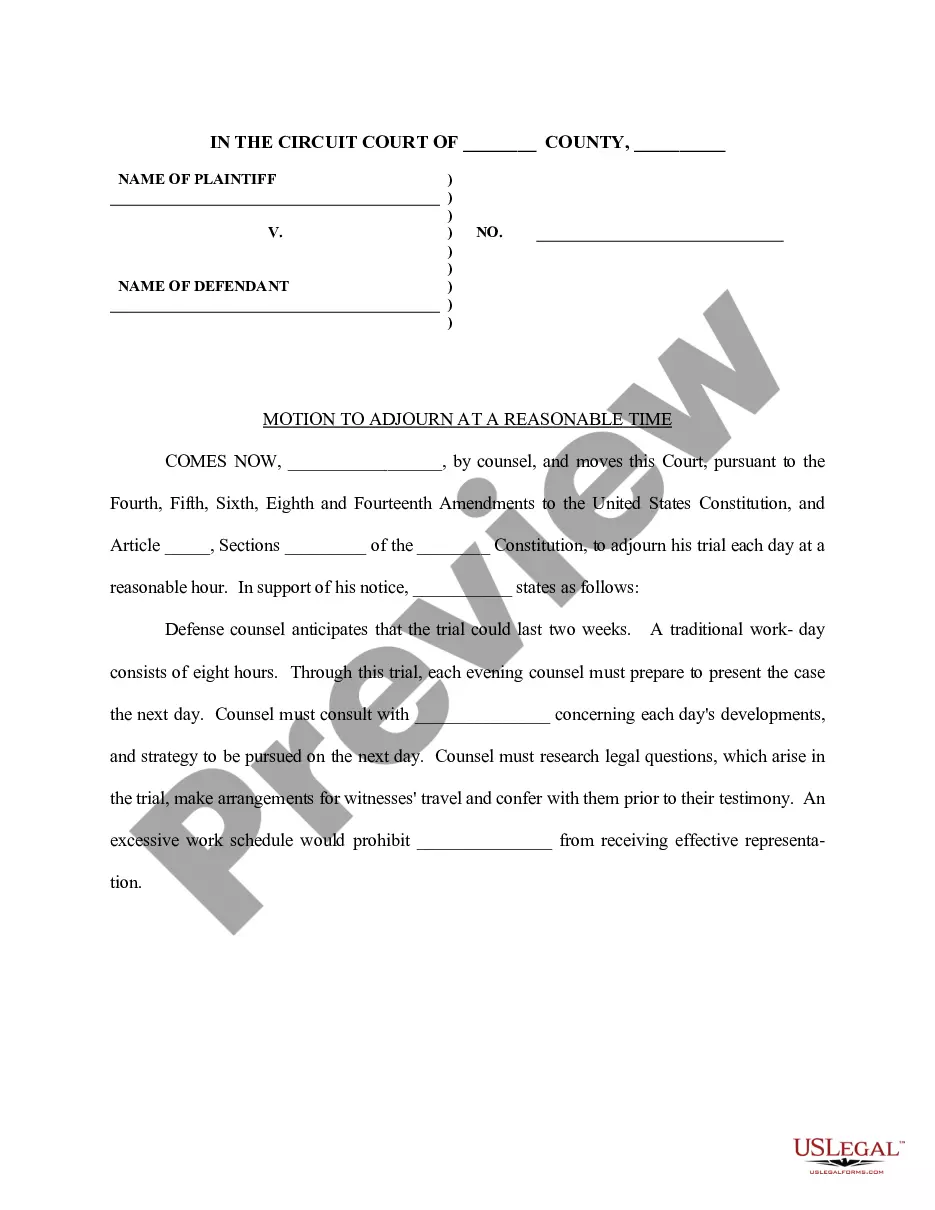
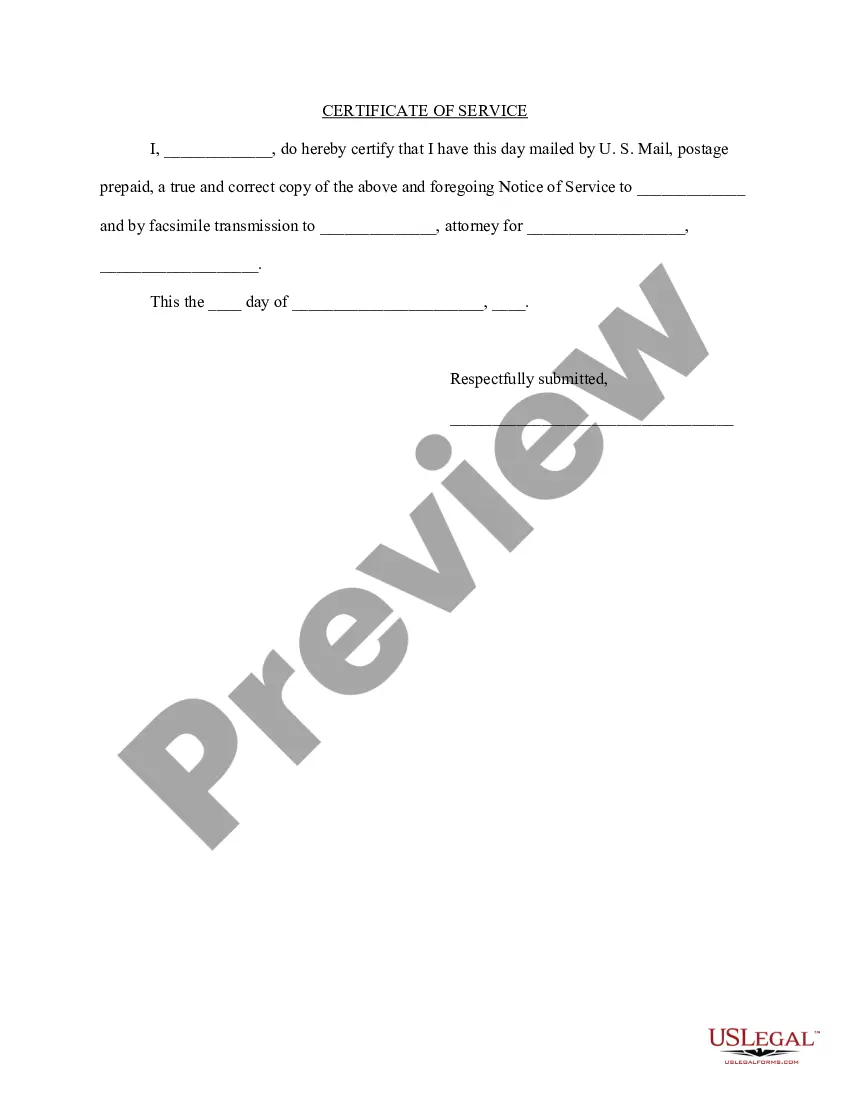
Notice Of Discovery \u0026amp; Specific Demand For Information In Maryland
Description


Get your form ready online
Our built-in tools help you complete, sign, share, and store your documents in one place.
Make edits, fill in missing information, and update formatting in US Legal Forms—just like you would in MS Word.
Download a copy, print it, send it by email, or mail it via USPS—whatever works best for your next step.
Sign and collect signatures with our SignNow integration. Send to multiple recipients, set reminders, and more. Go Premium to unlock E-Sign.
If this form requires notarization, complete it online through a secure video call—no need to meet a notary in person or wait for an appointment.
We protect your documents and personal data by following strict security and privacy standards.
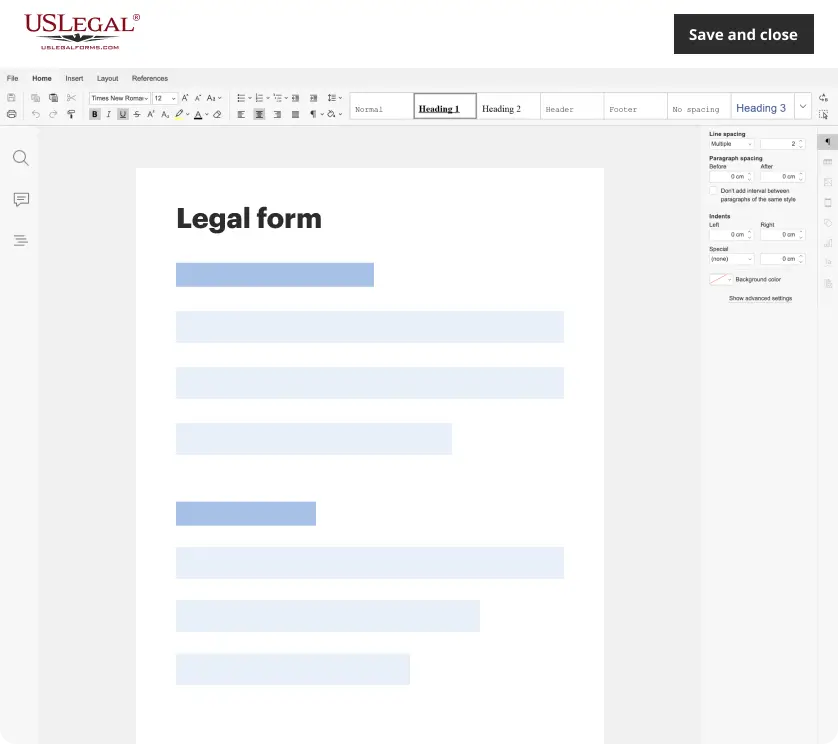
Make edits, fill in missing information, and update formatting in US Legal Forms—just like you would in MS Word.
Download a copy, print it, send it by email, or mail it via USPS—whatever works best for your next step.
Sign and collect signatures with our SignNow integration. Send to multiple recipients, set reminders, and more. Go Premium to unlock E-Sign.

If this form requires notarization, complete it online through a secure video call—no need to meet a notary in person or wait for an appointment.
We protect your documents and personal data by following strict security and privacy standards.
Looking for another form?

Form popularity
FAQ
How Long Does it Take to Get Discovery in a Criminal Case? Generally, the prosecution must provide discovery within a set period after the defense's formal request, often ranging from a few weeks to several months.
Failure to comply with discovery obligations may result in sanctions. Sanctions are actions taken by the Administrative Judge to penalize a party that fails to comply with their orders or other legal obligations.
As the party resisting discovery by objecting to an interrogatory, you have the burden to explain why your objections are proper. To satisfy this burden, you should state your objection with specificity. This means giving specific facts, statutes, or judicial precedent supporting your position.
A party may obtain discovery regarding any matter, not privileged, including the existence, description, nature, custody, condition, and location of any documents or other tangible things and the identity and location of persons having knowledge of any discoverable matter, if the matter sought is relevant to the ...
An objection that a discovery request is not relevant must include a specific explanation describing why the request lacks relevance and/or why the requested discovery is disproportionate in light of the factors enumerated in Federal Rule of Civil Procedure 26(b)(1).
A "notice of discovery" is usually used to let a party or witness to a case know that they are being asked to provide come form of evidence in a pending civil or criminal matter; depending on the specific rules of the court in which the case is pending, a notice of discovery may serve the same purpose as a subpoena ...
Can You Refuse Discovery In Any Instances? The Interrogatory Is Vague, Overly Broad, and Unduly Burdensome. The Request Is Irrelevant or Not Pertinent to the Matter at Hand. The Information Is Public and Available to Everyone. The Interrogatory Forces a Conclusion. A Violation of Attorney–Client Privilege.
Common objections to requests for admission include: The request is impermissibly compound. The propounding party may ask you to admit only one fact per statement. You may object to any request that asks you to admit two or more different facts in a single request.
A discovery response is essentially a choice that you make after receiving a request for information. The question then becomes, Should you comply or not?
Discovery is the process of obtaining the evidence that the state plans to use against a defendant. It's just a fancy word for evidence. Whenever an attorney says, “I'm going to request discovery,” that means they're going to get the evidence that the state claims they have.