Service Of Interrogatories Florida In Montgomery
Description


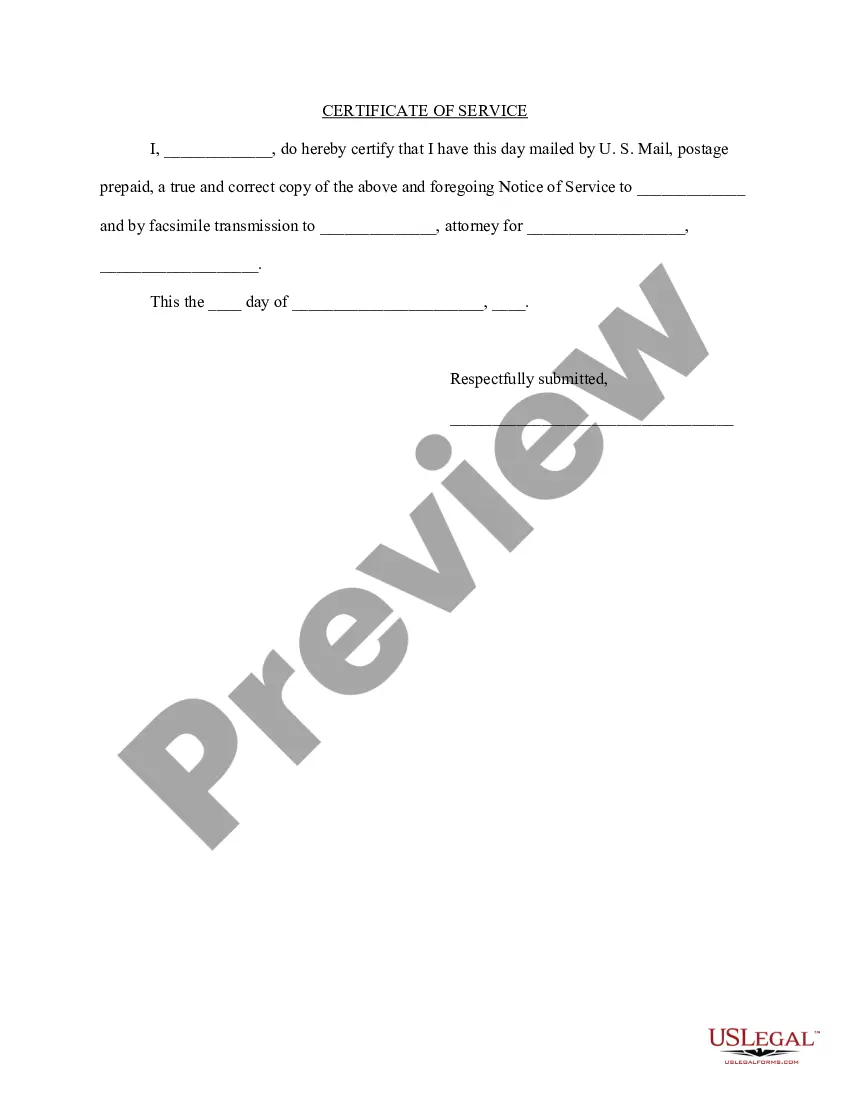
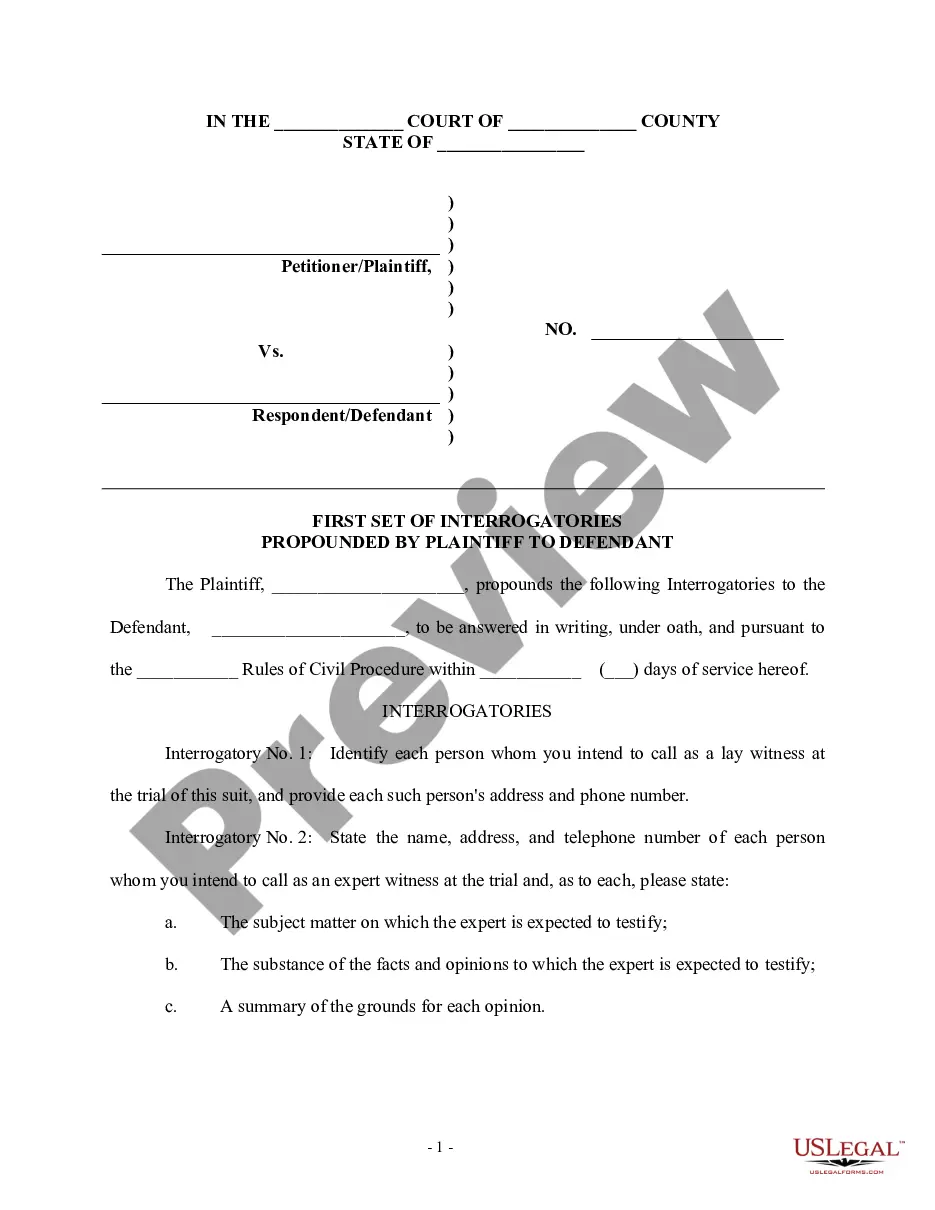
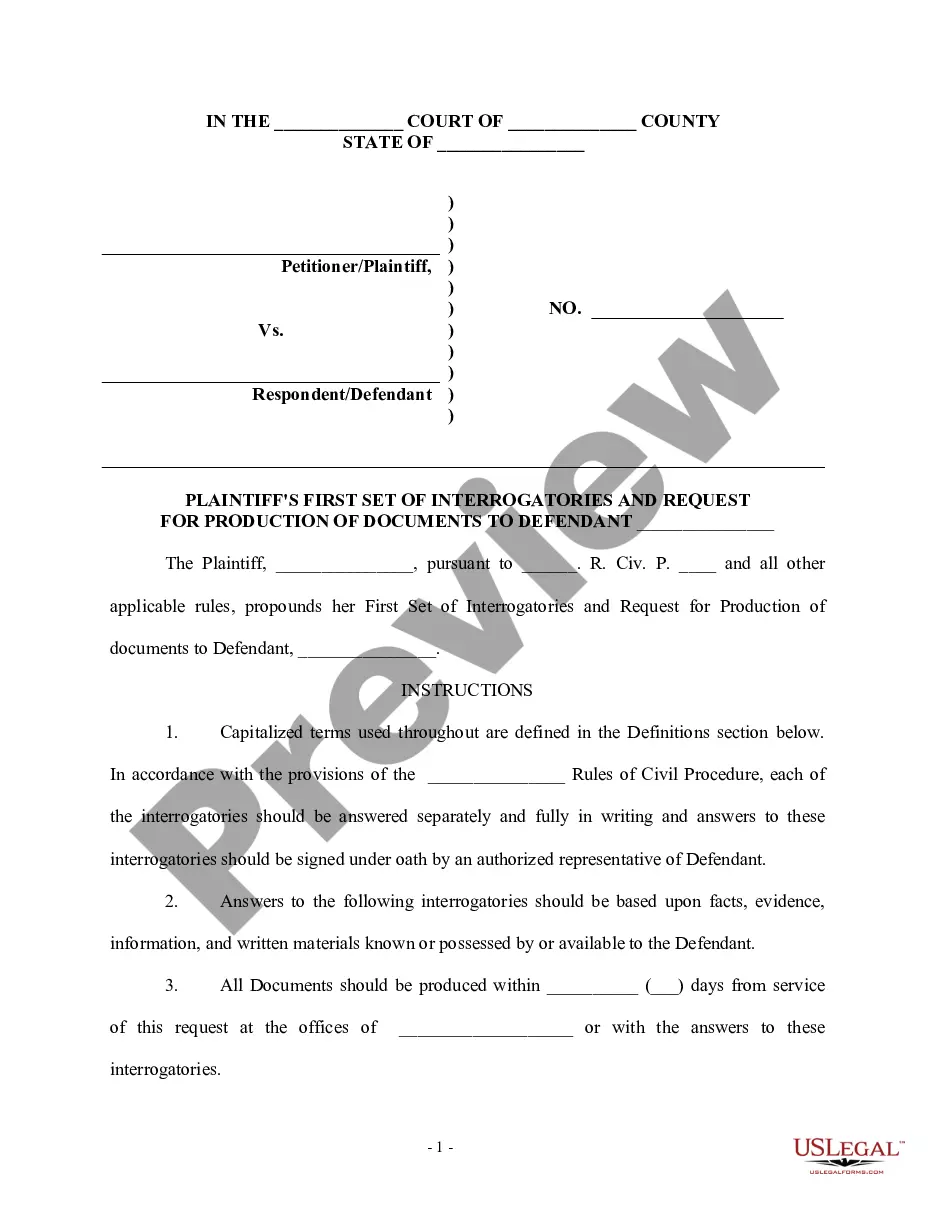
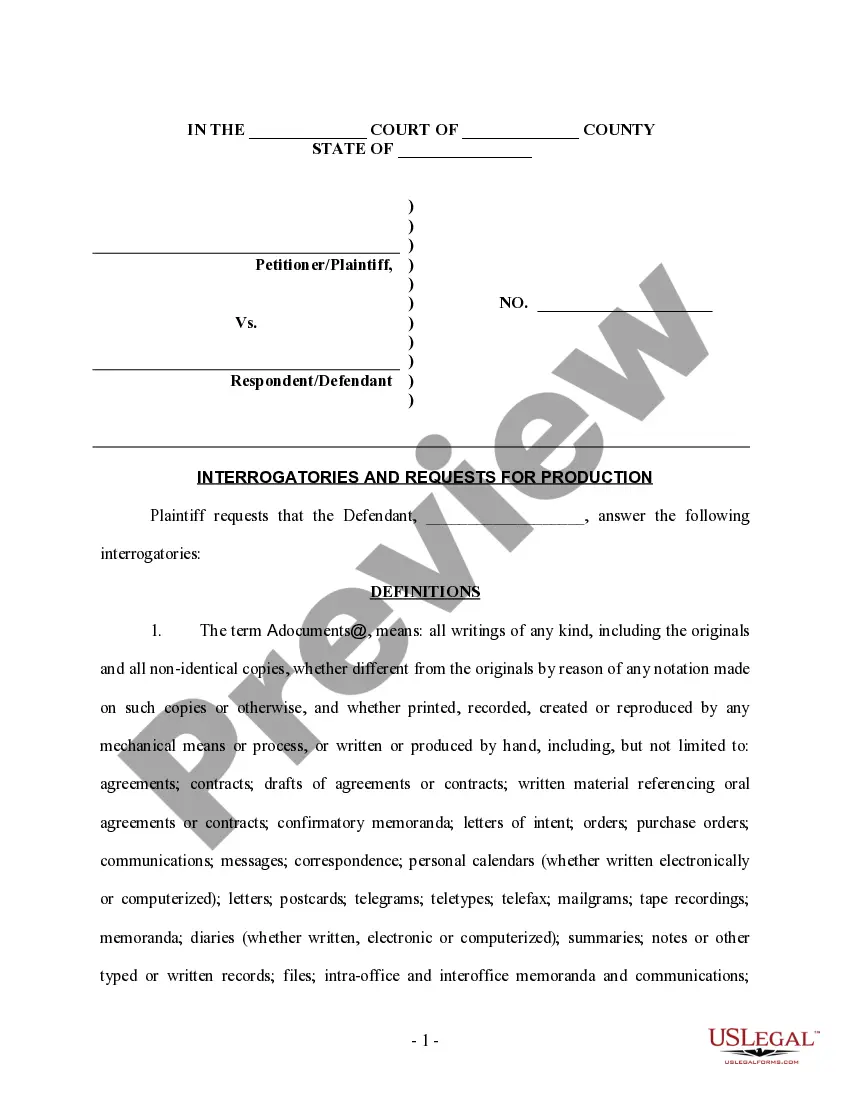
Get your form ready online
Our built-in tools help you complete, sign, share, and store your documents in one place.
Make edits, fill in missing information, and update formatting in US Legal Forms—just like you would in MS Word.
Download a copy, print it, send it by email, or mail it via USPS—whatever works best for your next step.
Sign and collect signatures with our SignNow integration. Send to multiple recipients, set reminders, and more. Go Premium to unlock E-Sign.
If this form requires notarization, complete it online through a secure video call—no need to meet a notary in person or wait for an appointment.
We protect your documents and personal data by following strict security and privacy standards.

Make edits, fill in missing information, and update formatting in US Legal Forms—just like you would in MS Word.

Download a copy, print it, send it by email, or mail it via USPS—whatever works best for your next step.

Sign and collect signatures with our SignNow integration. Send to multiple recipients, set reminders, and more. Go Premium to unlock E-Sign.

If this form requires notarization, complete it online through a secure video call—no need to meet a notary in person or wait for an appointment.

We protect your documents and personal data by following strict security and privacy standards.
Looking for another form?

Form popularity
FAQ
Usually, lawyers use interrogatories to obtain detailed information about persons, corporations, facts, witnesses, and identity and locations of records and documents. Court rules usually limit the number of questions included in an interrogatory.
Good evening. There are two things to remember when answering interrogatories...i) answer only the exact question asked with as few words as possible without expanding on anything; and ii) answer as irrelevant anything you don't really want to address.
An interrogatory is a request for information, in the form of standard questions, that must be answered in writing and then notarized.
Read each question (interrogatory) very carefully. Answer only the question that is asked, and avoid the temptation to over-explain your answer. If the question contains several parts, you may break your answer into parts as well. It is also possible that you might object to the question.
The party to whom the interrogatories are directed must serve the answers and any objections within 30 days after the service of the interrogatories, except that a defendant may serve answers or objections within 45 days after service of the process and initial pleading on that defendant.
(1) Interrogatories must be served on the party to whom the interrogatories are directed and copies must be served on all other parties. (2) A certificate of service of the interrogatories must be filed, giving the date of service and the name of the party to whom they were directed.
There are two types of interrogatories, form and special interrogatories.