Notice Of Discovery Within In North Carolina
Description


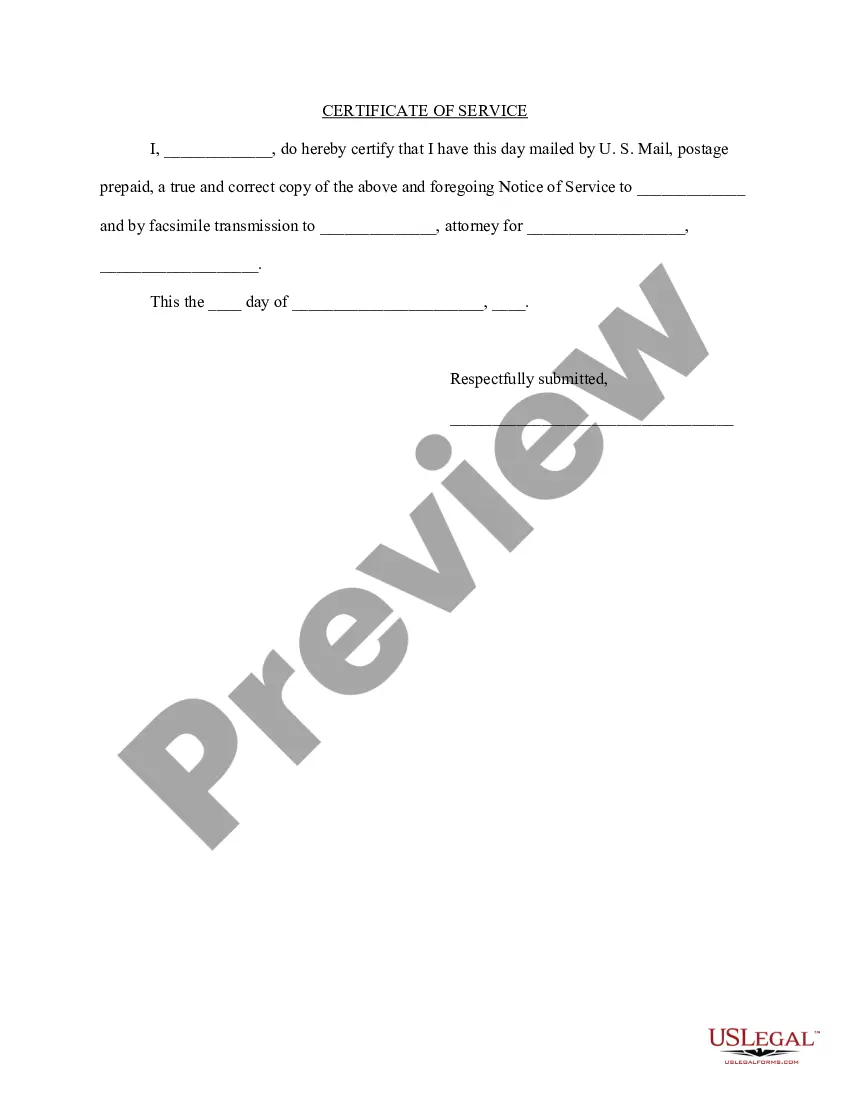
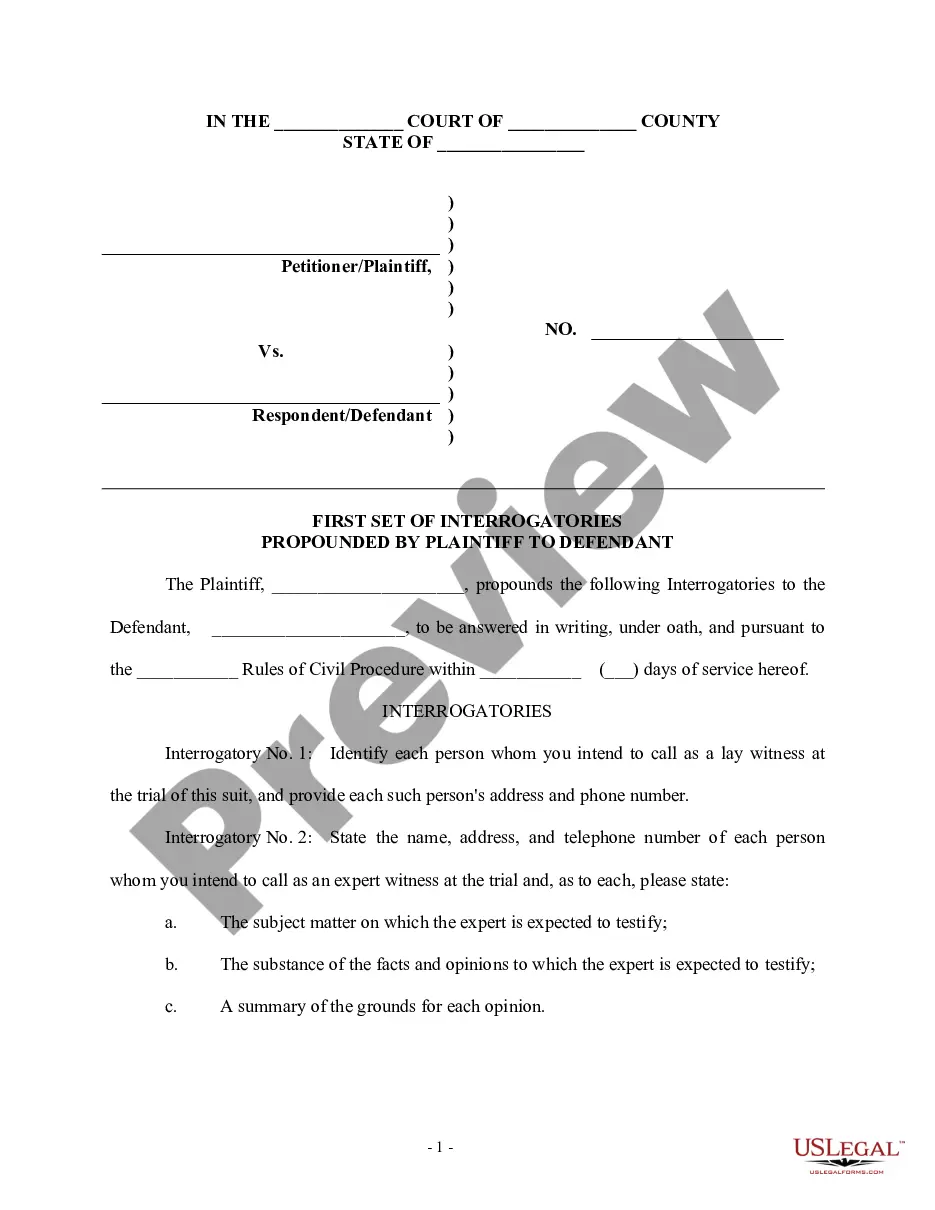
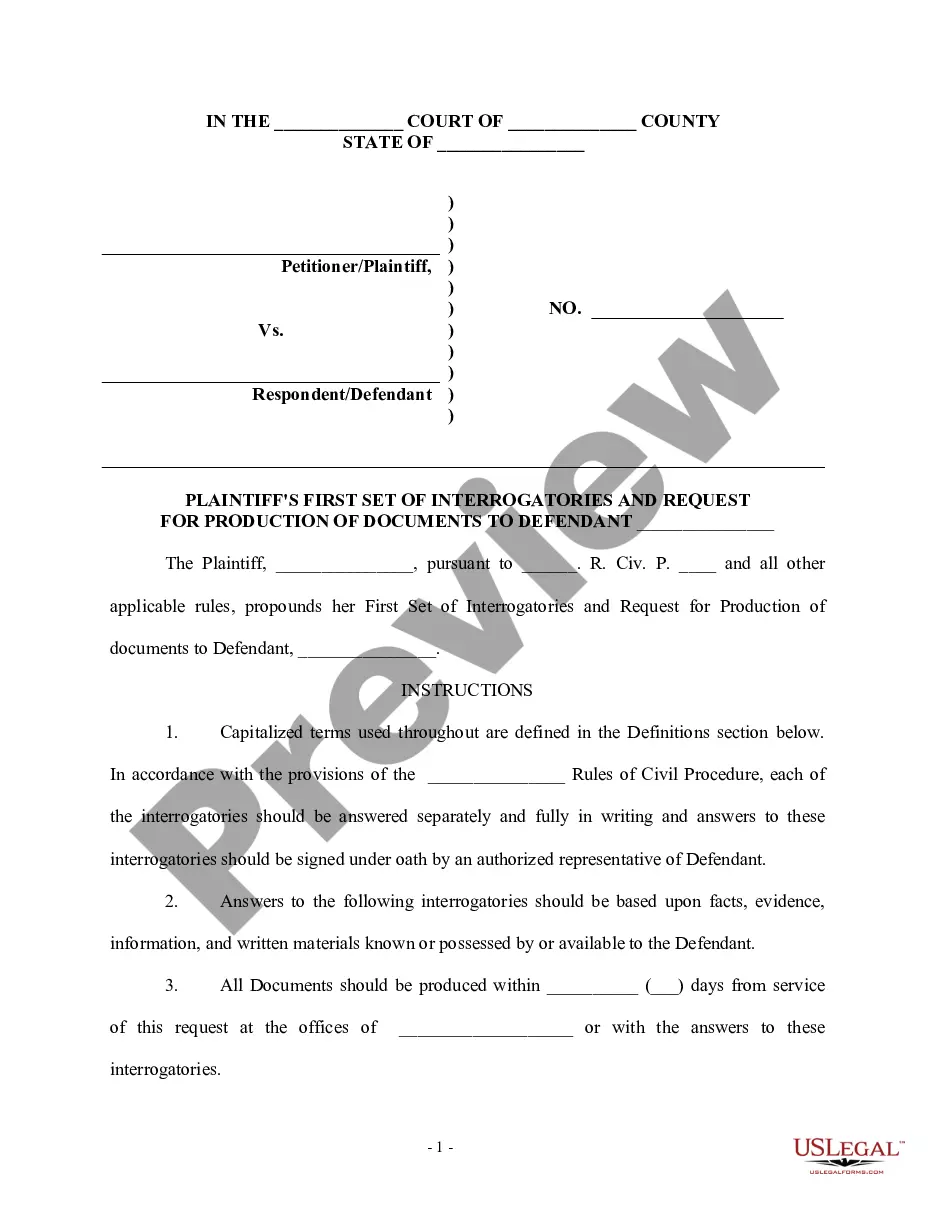
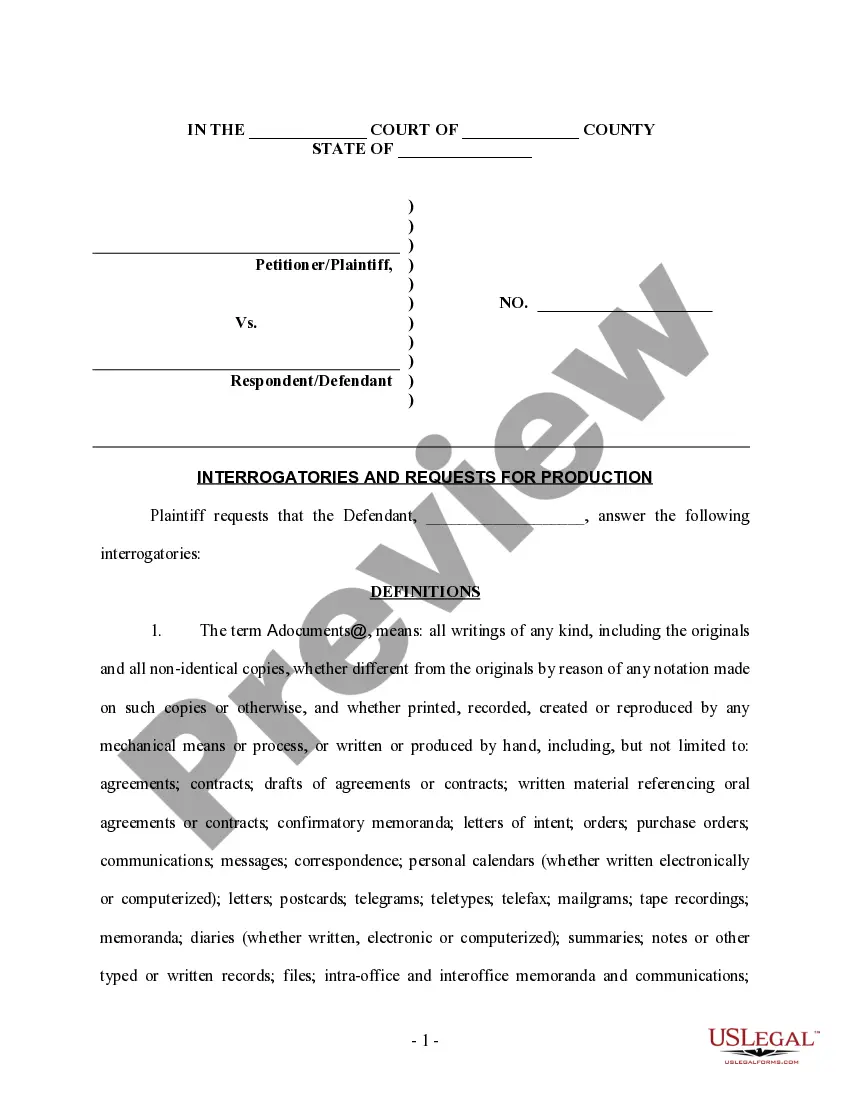
Get your form ready online
Our built-in tools help you complete, sign, share, and store your documents in one place.
Make edits, fill in missing information, and update formatting in US Legal Forms—just like you would in MS Word.
Download a copy, print it, send it by email, or mail it via USPS—whatever works best for your next step.
Sign and collect signatures with our SignNow integration. Send to multiple recipients, set reminders, and more. Go Premium to unlock E-Sign.
If this form requires notarization, complete it online through a secure video call—no need to meet a notary in person or wait for an appointment.
We protect your documents and personal data by following strict security and privacy standards.

Make edits, fill in missing information, and update formatting in US Legal Forms—just like you would in MS Word.

Download a copy, print it, send it by email, or mail it via USPS—whatever works best for your next step.

Sign and collect signatures with our SignNow integration. Send to multiple recipients, set reminders, and more. Go Premium to unlock E-Sign.

If this form requires notarization, complete it online through a secure video call—no need to meet a notary in person or wait for an appointment.

We protect your documents and personal data by following strict security and privacy standards.
Looking for another form?
Form popularity
FAQ
How Long Does the Discovery Process Take? Depending on the type of case, discovery could last a few months to more than a year.
The request is filed in superior court. A request for voluntary discovery must be filed before filing a motion for discovery or a motion to compel, although many practitioners combine the request with an alternative motion, as discussed in “Practice Tips,” below.
The length of the discovery phase varies depending on the case's complexity, the amount of evidence to be collected, and the level of cooperation between the parties. In personal injury cases, the discovery process can last anywhere from a few months to over a year.
– Parties may obtain discovery regarding any matter, not privileged, which is relevant to the subject matter involved in the pending action, whether it relates to the claim or defense of the party seeking discovery or to the claim or defense of any other party, including the existence, description, nature, custody, ...
Generally, the prosecution must provide discovery within a set period after the defense's formal request, often ranging from a few weeks to several months. Evidence should be available to the defense either at the preliminary hearing or after the accused has been indicted by a grand jury.
Generally, the prosecution must provide discovery within a set period after the defense's formal request, often ranging from a few weeks to several months. Evidence should be available to the defense either at the preliminary hearing or after the accused has been indicted by a grand jury.
If the prosecution fails to turn over an item that has been requested, the defense may file a formal discovery motion with the Court. The judge handling the case would hear arguments from both sides regarding the missing discovery and determine whether or not the defense is entitled to what is being requested.
When a civil case is settled, that fact is usually apparent from the public record. However, the terms of settlement and any discovery records may remain confidential.
Each interrogatory shall be answered separately and fully in writing under oath, unless it is objected to, in which event the reasons for objection shall be stated in lieu of an answer.
A discovery response is essentially a choice that you make after receiving a request for information. The question then becomes, Should you comply or not?